

Show summary Hide summary
- How Hamilton pushed for an African Grand Prix and what it means for F1
- What critics point to: sanctions, allegations, and regional instability
- Hamilton’s shifting political voice: outspoken advocacy and conspicuous silence
- What observers and journalists are asking — and what Hamilton owes the public
- Symbolism, accountability, and the Roman model invoked in modern sport
Lewis Hamilton’s dream of bringing Formula 1 back to Africa has finally been answered — by a deal to stage a Grand Prix in Rwanda in the early 2030s. The announcement has been celebrated by fans and paddock insiders, but it has also put the seven-time world champion in an uncomfortable spotlight: how to champion a continent he has long spoken about while facing serious questions about the host nation’s record.
The Rwandan race represents a milestone for F1’s expansion and for Hamilton personally, yet it arrives amid fresh international scrutiny of Rwanda’s role in eastern Congo. That tension — between sporting ambition and geopolitical reality — is now centered on one of the sport’s most visible figures.
How Hamilton pushed for an African Grand Prix and what it means for F1
The Growing Demand for Data-Driven Decision Making in Silicon Valley
He quit, ran out of money, and begged to come back — here’s how his boss reacted
For years Hamilton has publicly urged Formula 1 to return to Africa, framing the move as part of a broader effort to diversify the sport and inspire young people across the continent. His persistence helped push the idea from concept to confirmed date, making Rwanda the chosen location.
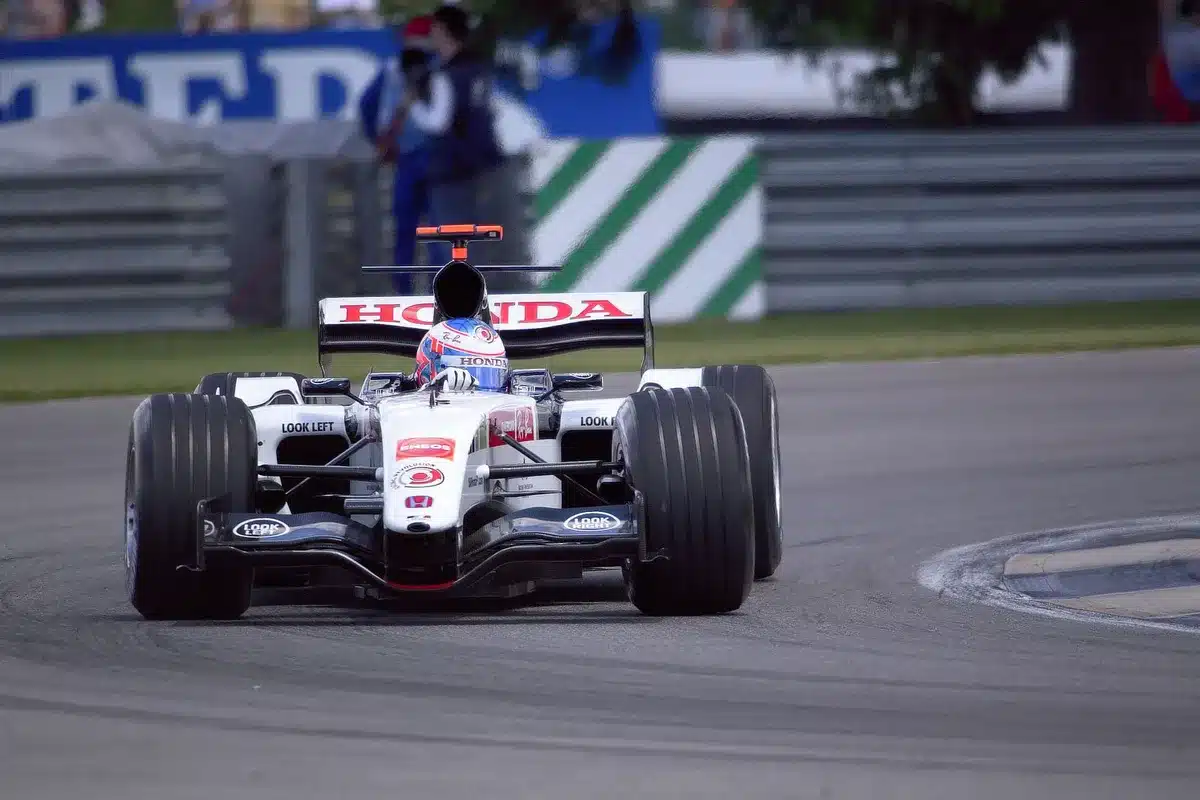
- Hamilton lobbied hard for an African venue, describing an African Grand Prix as a “dream” that would spotlight the continent.
- F1’s leadership, led by CEO Stefano Domenicali, negotiated the deal that pins the event to Rwanda in the early 2030s.
- The announcement is being marketed as a legacy project — a way to boost tourism, infrastructure, and motorsport interest in the region.
From a sporting perspective, an African round would be historic and commercially attractive. But the choice of Rwanda brings complex reputational and ethical questions that extend beyond the racetrack.
What critics point to: sanctions, allegations, and regional instability
Rwanda’s government has been implicated in regional conflicts that have drawn sanctions and serious allegations from international bodies. In March, the United States imposed targeted sanctions over Rwanda’s alleged backing of the M23 rebel group operating in the neighboring Democratic Republic of Congo (DRC). Human-rights organizations, including Amnesty International, have accused M23 of atrocities that may amount to war crimes.
Key facts at a glance
- US sanctions on elements linked to Rwanda were announced in the spring, citing support for armed groups in eastern Congo.
- Amnesty International and other NGOs report abuses attributed to M23, raising concerns about accountability and civilian harm.
- The DRC’s foreign minister reportedly warned F1’s top official that holding an event in Rwanda could be “morally indefensible.”
Those facts have fueled public debate about whether staging a glamorous global sporting event in a country facing such accusations sends the wrong message or effectively rewards problematic behavior.
Hamilton’s shifting political voice: outspoken advocacy and conspicuous silence
Hamilton is no stranger to using his platform for political statements. He has protested racial injustice, visibly supported LGBTQ+ rights, and at times used race-weekend attire and public comments to spotlight social issues.
- He has donned shirts and helmets to call attention to policing and human-rights cases in the past.
- He has criticized laws and practices in countries where F1 raced, publicly acknowledging discomfort while still competing there.
Yet on Rwanda — despite its proximity to crises in the Great Lakes region and recent diplomatic moves — Hamilton’s response has been muted. He has argued that he does not set the calendar and urged “humility” in judging African nations, while acknowledging problems he attributes to historical colonialism and foreign intervention. He also broadened his appeal by invoking other conflict zones, urging global powers to address situations in Congo, Sudan, Syria, and Palestine.
That cautious language stands in contrast to the sharper, more direct stands he’s taken in previous seasons, prompting questions from observers who expected a more forceful stance.
What observers and journalists are asking — and what Hamilton owes the public
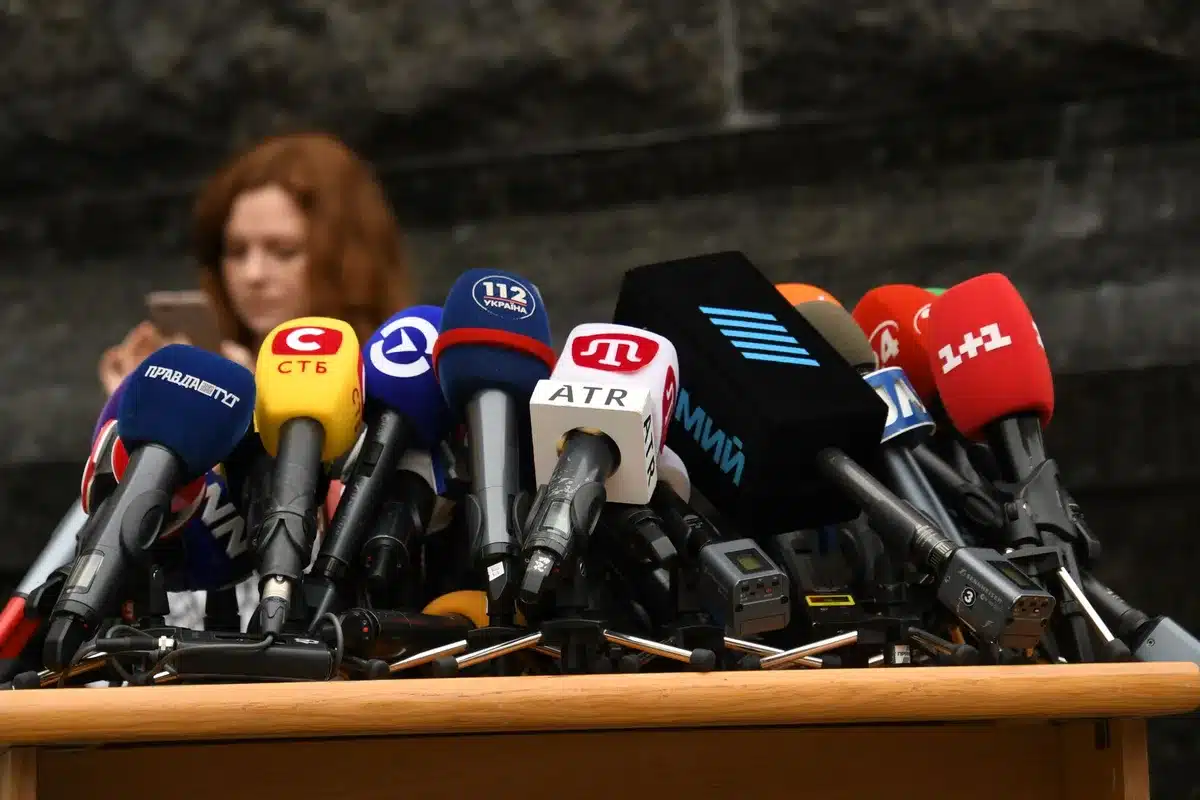
Media critics and human-rights advocates say Hamilton should be asked tougher questions about Rwanda’s alleged activities in the DRC and whether his own campaigning for an African Grand Prix affects his willingness to speak out.
- Should Hamilton publicly address the US sanctions and allegations about M23?
- Does his role in promoting the Rwanda Grand Prix create a conflict with his history of human-rights advocacy?
- Will he use his platform at the event to amplify the voices of victims or local activists?
Those queries are not only about one athlete’s consistency; they touch on the wider debate over sportwashing — when international sports events are used to improve a country’s image despite serious human-rights concerns.
Symbolism, accountability, and the Roman model invoked in modern sport
There is a long cultural history of triumphal pageantry that reminds winners to remain mindful. The ancient Roman Triumph paired public adulation with a whispered reminder of mortality and humility. That metaphor resonates for modern figures like Hamilton: celebrated, powerful, and increasingly entangled in geopolitical controversy.
While Hamilton frames the Rwandan race as a chance to celebrate Africa and inspire future generations, critics argue that a responsible sports figure must also confront uncomfortable truths about a host nation. Were he to stand on a podium in Kigali decades from now, some observers imagine the scene altered by a quieter voice from the crowd — a reminder that sporting success does not erase moral obligations.
Journalists at upcoming press conferences may press him to explain whether his advocacy for the race will be matched by vocal concern for those affected by regional conflict and alleged abuses — and whether the prestige of a Grand Prix should be separated from a country’s human-rights record.
You might also like:
- WHO Triumphs: Kenya Finally Free from Deadly Tropical Parasite After Long Battle!
- African life expectancy rises 10 years since 2000 despite wars, famine and instability
- Africa’s largest renewable energy and storage plant powers 200,000 homes built by French firm
- Less than a million years for a new ocean: the African continent is splitting fast
- 10 years in one family, now abandoned: Leo the cat’s stunning transformation in shelter

Robert Johnson is a dedicated columnist focusing on political and social debates. With twelve years in editorial writing, he provides nuanced, well‑argued perspectives. His commentaries invite you to form your own views and engage in critical issues.

