
Show summary Hide summary
- Why the post-Cold War confidence finally unraveled
- Energy’s comeback: why power is no longer invisible
- Why the West stopped building — and the obstacles to restarting
- Policy options that would actually help industry and manufacturing
- Geopolitical consequences: Europe, the US and a fractured strategic landscape
- Concrete priorities to rebuild the physical economy
- Shifting the narrative from information to material capability
Whether from complacency or convenience, the West spent decades treating economic power as if it were a background condition rather than a strategic asset. That assumption has been shaken: recent conflicts and supply shocks have exposed the fragility of a model that prized trade over manufacturing and financial flows over physical capacity.
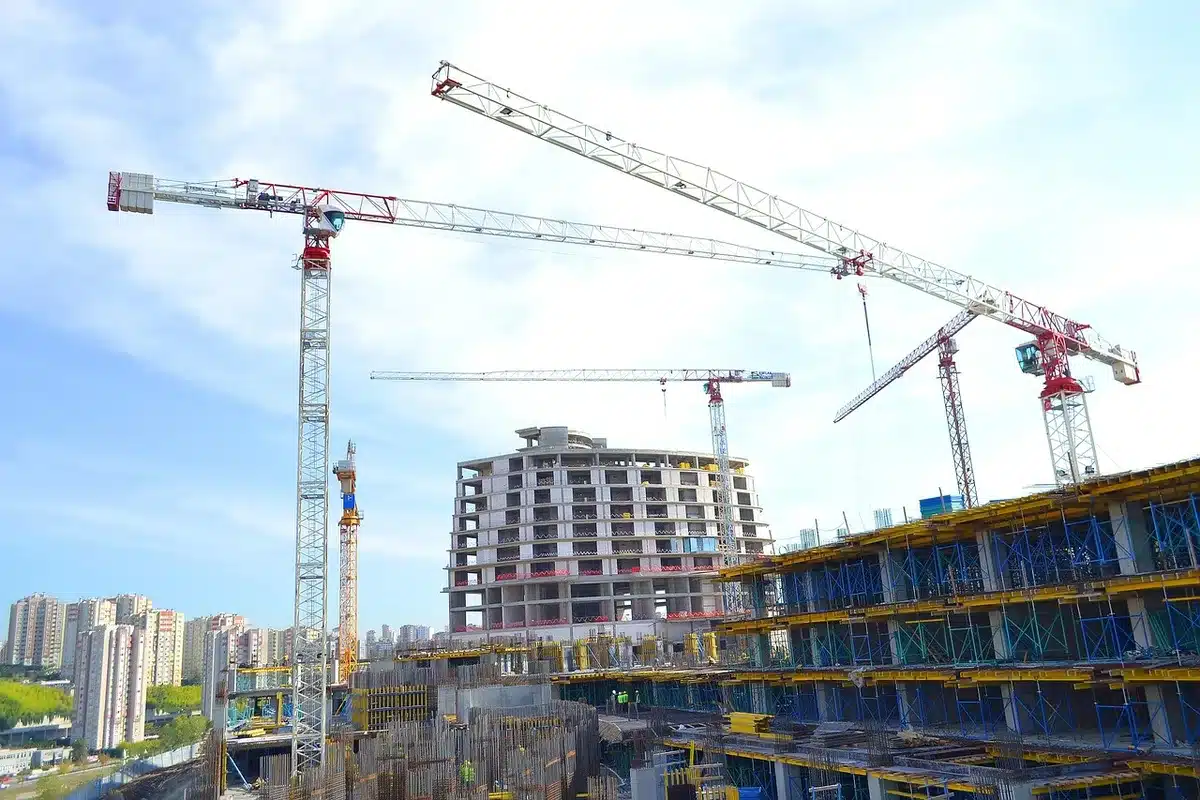
The result is a rapid reassessment across Europe and the United States. Policymakers and voters are confronting the consequences of long-term underinvestment in energy, factories, housing and infrastructure — and asking how to translate digital advances into tangible, buildable projects that restore growth and resilience.
The Growing Demand for Data-Driven Decision Making in Silicon Valley
He quit, ran out of money, and begged to come back — here’s how his boss reacted
Why the post-Cold War confidence finally unraveled
After the fall of the Soviet bloc, many Western leaders and business elites embraced globalization as a stabilizing force. Trade, capital flows and complex supply chains were believed to reduce incentives for confrontation. For a time, that belief held. Economies seemed comfortable even as productivity gains slowed, and geopolitical competition appeared dented by interdependence.
Two shocks dismantled that conviction. Russia’s full-scale invasion of Ukraine in 2022 underlined how brittle energy and military dependencies could be. The Hamas assault on Israel in October 2023 similarly exposed risks in the Middle East that had been underestimated, including Tehran’s regional influence. These events forced a reckoning: economic integration had not erased power politics.
Energy’s comeback: why power is no longer invisible
Energy has re-emerged as the central pivot of national security and economic strategy. Cheap, reliable power is not merely a convenience; it underwrites transportation, agriculture, manufacturing and even water supply through desalination. When energy is expensive or politically constrained, the cost of almost everything else rises.
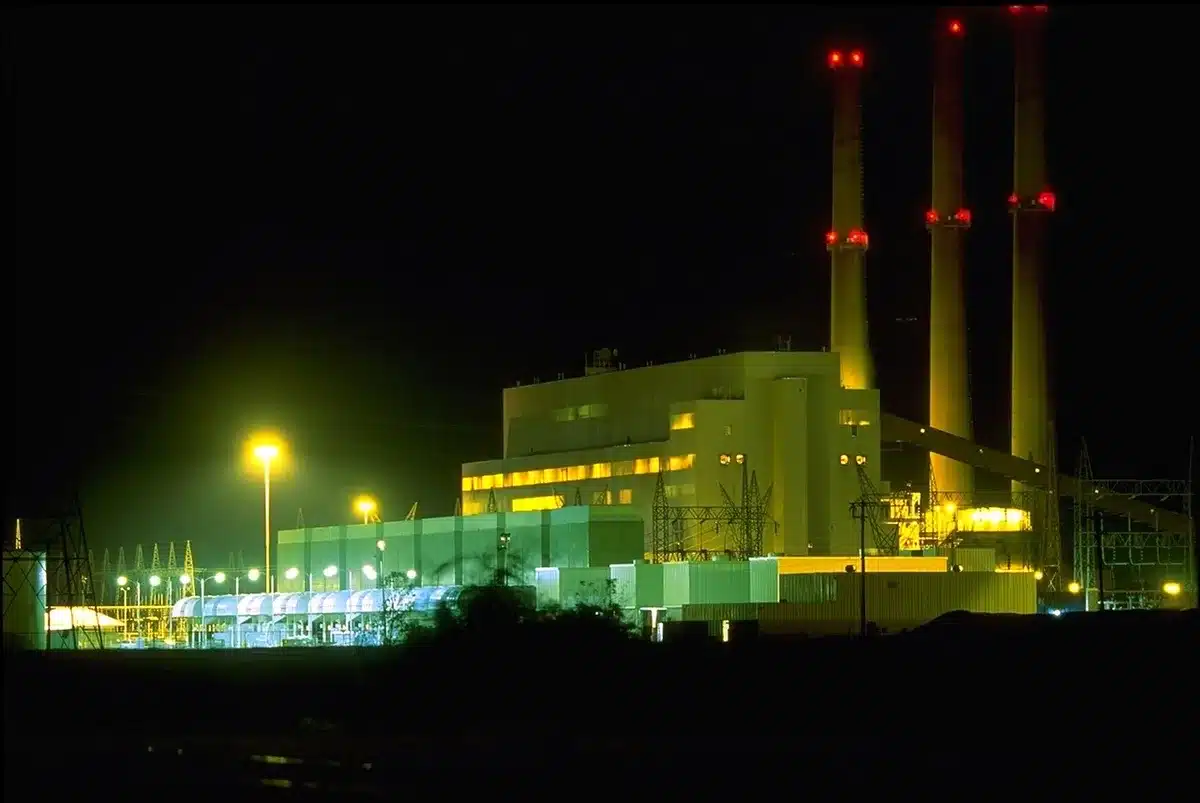
For years, Western attention tilted toward software and services as the path to future wealth. Meanwhile, the physical systems that deliver energy, steel and logistics were allowed to stagnate amid red tape and local opposition. The result was a distorted economy that excelled at digital innovation but struggled to deliver large-scale, physical projects.
How energy shortages ripple through the economy
- Higher energy costs inflate transport and food prices.
- Unreliable grids raise the expense and risk of industrial investment.
- Limited power constrains the rollout of heavy industry and manufacturing.
- Inadequate energy infrastructure reduces strategic autonomy in crises.
Restoring affordable, dependable energy supply must therefore be a top priority if Western economies are to regain competitiveness and strategic independence.
Why the West stopped building — and the obstacles to restarting
Construction of essential infrastructure in many Western countries slowed for reasons that are partly political and partly procedural. Permit delays, environmental reviews, local veto power and fragmented regulations turned projects that once took years into decade-long ordeals. At the same time, the incentives to invest in heavy industry eroded as capital flowed into finance and tech.

Key bottlenecks blocking real-world projects
- Lengthy permitting and environmental review processes.
- Fragmented regulatory regimes across local and national levels.
- High costs of land, labor and capital for large projects.
- Lack of coordinated industrial strategy that focuses on execution rather than subsidies.
Fixing those problems isn’t just about accelerating approvals; it’s about reshaping incentives so entrepreneurs and builders can convert ideas into factories, grids and homes.
Policy options that would actually help industry and manufacturing
There is growing political space — across party lines — for a pragmatic industrial approach that does not amount to old-fashioned protectionism. Tariffs alone cannot recreate a broad manufacturing base. Instead, policymakers can focus on clearing the path for private actors to build and scale.
- Reduce unnecessary regulatory barriers while keeping robust safety and environmental standards.
- Make energy cheaper and more reliable through diversified supply, targeted investment and permitting reform for new generation and transmission projects.
- Encourage competition and access to capital rather than relying on state-directed “winners.”
- Prioritize projects with clear multiplier effects: housing, power grids, ports, factory shells and transport corridors.
A liberal industrial policy in this sense focuses on enabling builders — improving access to land, streamlining approvals, and ensuring infrastructure that lowers the cost of production.
Geopolitical consequences: Europe, the US and a fractured strategic landscape
Responses vary across allies. European governments are increasing defense spending and trying to reduce energy dependence; the United States is renewing attention to hemispheric affairs in Latin America while reassessing supply-chain vulnerabilities. Russia faces stiffer opposition than expected, and Iran’s regional posture has been weakened after costly conflicts.
These shifts create both risks and opportunities. Nations that rebuild industrial capacity and secure energy supplies will have stronger bargaining power in future diplomatic and economic contests.
Concrete priorities to rebuild the physical economy
Translating strategy into results requires a list of practical, actionable priorities that governments can pursue without abandoning market mechanisms.
- Accelerate permitting for energy projects and transmission lines to unlock cheaper power.
- Invest in grid resilience, storage and complementary technologies to make renewable rollouts practical.
- Speed up housing construction by reforming zoning and streamlining approvals to reduce costs and labor shortages.
- Support factory-ready infrastructure: industrial parks, logistics hubs and streamlined customs.
- Promote competition in key inputs (steel, semiconductors, chemicals) to lower prices for manufacturers.
These steps combine public facilitation with private initiative — lowering the barriers so companies and local communities can build at scale.
Shifting the narrative from information to material capability
Digital innovation remains crucial, but software cannot substitute for power plants, ports, and factories. The next phase of sustained Western growth depends on aligning technological advances with the capacity to implement them physically. That means governments and markets must work together to restore the art of building at scale.
Start building again is both a policy slogan and a practical roadmap: invest in energy, fix the permitting maze, create the conditions for private investment, and prioritize projects that deliver wide economic benefits.
About the writer
Andreas Birro is a freelance writer based in Sweden.
You might also like:
- Rachel Reeves warns Britain faces a bleak future
- German manufacturing on life support as industrial output falls
- EU aims to decarbonize industrial heat generation with plasma, solar and magnets
- UK energy crisis: practical solutions to cut bills and secure supply
- 50 million people connected to the power grid across Africa by billion-dollar program

Robert Johnson is a dedicated columnist focusing on political and social debates. With twelve years in editorial writing, he provides nuanced, well‑argued perspectives. His commentaries invite you to form your own views and engage in critical issues.

