

Show summary Hide summary
- Why the Portsmouth sentence grabbed national attention
- Side-by-side: protester punishment and a sexual-imaging offender
- How pretrial decisions shape public safety and perception
- Examples of uneven responses in politically sensitive cases
- Political pressure, resource shortfalls, and the rule of law
- What this means for public trust and legal legitimacy
- Voices from policing and prosecution
- Who is sounding the alarm and why it matters
A Portsmouth rally turned into a legal lightning rod this month after a demonstrator who hurled a plastic bottle at police during an anti-immigration protest received a two-year prison sentence. The punishment has reignited debate over how the criminal justice system treats public-order offenses compared with far more serious crimes, and whether political context influences how the law is enforced.
The case has drawn attention not only because of the severity of the sentence for a bottle-throwing incident, but because it collides with broader concerns about pretrial decisions, sentencing consistency, and public confidence in policing and courts.
Why the Portsmouth sentence grabbed national attention
The Growing Demand for Data-Driven Decision Making in Silicon Valley
He quit, ran out of money, and begged to come back — here’s how his boss reacted
The man, identified in court as Del Somerville, pleaded guilty to violent disorder after unrest at Eastney Marina involving roughly 200 people. Magistrates and judges have broad discretion when they hand down punishment for public-order offenses, but the speed and weight of this sentence stood out. At Portsmouth Crown Court, the judge said the punishment was meant in part to “act as a deterrent” to others.
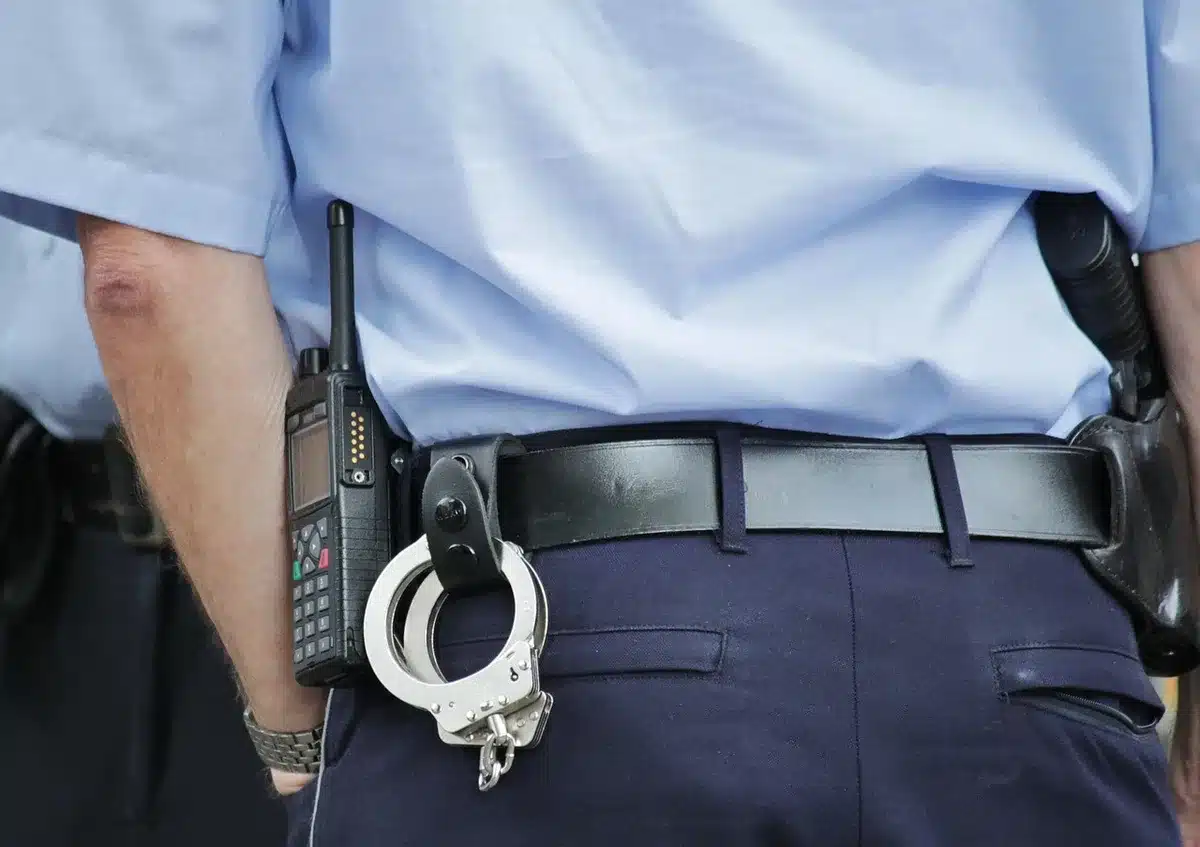
That language and the resulting two-year term prompted questions about proportionality. Throwing a plastic bottle and using abusive language toward officers is illegal and dangerous, especially during volatile demonstrations. Still, many legal observers and civil-rights advocates see the penalty as unusually harsh for a single act of disorder, particularly when set against penalties for other kinds of offending.
Side-by-side: protester punishment and a sexual-imaging offender
Comparisons with other recent cases have fed the sense of inconsistency. Around the same time Somerville was jailed, senior Metropolitan Police leadership publicly criticized the system for allowing suspects accused of serious crimes—knife and gun offenses among them—to be released on bail. One high-profile example highlighted by the commissioner was the case of Zafer Dogan.
Key case contrasts
- Del Somerville: Pleaded guilty to violent disorder after an anti-immigration protest; sentenced to two years in prison.
- Zafer Dogan: Accused of taking thousands of images of women and girls from his window, converting them into sexualized images using AI; initially granted bail and allowed to remain at an address overlooking a playground. Later sentenced to two years and four months.
The proximity of the two sentences—only a four-month difference—struck many as revealing. When a protest-related offender and a perpetrator of invasive sexual imagery receive nearly the same term, public skepticism about equal treatment under the law grows. Critics argue these outcomes suggest a judicial system sensitive to the political framing of offenses rather than strictly to their harm.
How pretrial decisions shape public safety and perception
Decisions to remand suspects in custody or release them on bail have immediate consequences. In the Dogan case, bail meant the accused could remain at an address that directly affected victims, one family of whom felt compelled to relocate temporarily. In other high-profile files, defendants charged with violent crimes have been released on repeated bail despite ongoing allegations.
Meanwhile, when courts and prosecutors opt for hardline measures in politically charged situations—especially around immigration protests—the message to communities is mixed. Some see firm sentences as necessary for public order; others see selective strictness as proof of politicized justice.
Examples of uneven responses in politically sensitive cases
- Southport unrest: A social-media post led to a 31-month sentence for one defendant charged with stirring racial hatred.
- Remanded protesters: Another defendant was held for more than two weeks pretrial for a similar charge, only to be found not guilty later.
These episodes highlight two tensions: the judiciary’s duty to deter disorder and the imperative to allocate scarce detention resources to those who pose the gravest danger. When those tensions are resolved in ways that appear inconsistent, public confidence erodes.
Political pressure, resource shortfalls, and the rule of law
For decades, lawmakers have expanded criminal statutes and increased maximum sentences in England and Wales. Yet investment in the supports that make those laws workable—courts, prisons, probation services—has lagged. The result is overcrowded prisons, early releases, and a system stretched thin when it comes to supervising convicted offenders.
At the same time, the state’s eagerness to crack down on certain political protests reveals how enforcement priorities can shift depending on public and media attention. When the government or media frames a type of disorder as especially threatening, courts and police may react more aggressively. That selective intensity undermines the ideal that the legal system operates impartially.
What this means for public trust and legal legitimacy
Law’s authority rests on perceived fairness. If citizens believe the same act would be treated more leniently or harshly depending on who committed it or which political values were at stake, the system loses moral force. Courts must be able to detain where legitimate risk exists, and to do so consistently.
A justice system that feels arbitrary or politically driven risks eroding respect for legal institutions. That dynamic is dangerous for social order: when the public doubts impartial enforcement, compliance and cooperation decline, and the rule of law weakens.
Voices from policing and prosecution
Senior police officials have raised alarm about perceived leniency in bail and pretrial release decisions. Their argument: when courts free suspects accused of serious offending—especially repeat violent offenders—public safety and policing efforts suffer. Prosecutors, defense lawyers, and civil-liberties groups counter that pretrial detention must be carefully balanced against individual rights and the presumption of innocence.
These competing priorities help explain why outcomes can look mismatched. The squeeze between demanding public expectations and constrained criminal-justice infrastructure produces difficult, sometimes controversial, decisions.
Who is sounding the alarm and why it matters
Former police officers, legal professionals, victims’ advocates, and civil-rights organizations have all weighed in on the broader debate illustrated by the Portsmouth case. Their concerns cluster around two interrelated points:
- Consistency: The law should apply evenly regardless of politics or publicity.
- Capacity: Courts and custodial systems need the resources to detain, supervise, and rehabilitate effectively when detention is warranted.
Paul Birch, a former police officer and counter-terrorism specialist, has written about these tensions and followed cases like the Portsmouth sentencing and the Dogan prosecution as part of a wider argument about enforcement, public trust, and the limits of the system.
You might also like:
- Florida man accused of killing and eating pet peacocks during feud with neighbor
- Manchester Airport brawlers: did they escape arrest?
- Palestinianism critics warn it threatens free speech and reshapes Middle East politics
- UK Islamic blasphemy laws defeated in free speech victory
- Mehdi Hasan: does he think deporting foreign sex offenders is immoral?

Robert Johnson is a dedicated columnist focusing on political and social debates. With twelve years in editorial writing, he provides nuanced, well‑argued perspectives. His commentaries invite you to form your own views and engage in critical issues.


A conspiracy nut: Well, well, well. Throwin a plastic bottle lands you in the slammer now? Whats next, arrestin folks for sneezin in public? Keep an eye on those recycling bins, yall. They might be watchin!
I mean, come on, two years for tossing a plastic bottle? Isnt that a bit extreme? I get its littering, but jail time? Meanwhile, some real criminals get off easy. Justice systems got its priorities mixed up, man.
Man, that sentences wild! I remember when I got a slap on the wrist for missing a library return. Seems like justice has its favorites. Wonder how they decide who gets the book thrown at em.
Dude, I feel ya! The justice systems like a fickle friend, pickin favorites left and right. Its a mystery, innit? Like, one day youre just chillin, the next youre dodgin a book bullet. Whos pullin the strings in that courtroom drama, right? Its like a real-life episode of Law & Order, but with more plot twists and less commercial breaks!
I mean, come on, two years for tossing a plastic bottle? Thats harsh. Whats next, jail time for forgetting to recycle? The justice system needs to chill and focus on real crimes. #PlasticBottleGate
Two years for a bottle toss? Seriously, the systems priorities need a reality check. Meanwhile, real dangers roam free. Its like punishing a gnat while ignoring the elephant in the room. Priorities, people!
Dang, two years for tossing a plastic bottle? That judge aint playin around! Wonder if theyd give the same time for litterin a bag of chips. Seems a bit harsh, but hey, gotta respect the environment, I guess.
Aint it crazy how tossing a plastic bottle can land you in the slammer for two years? Meanwhile, some serious crimes get off easy. Justice systems all topsy-turvy, man. Priorities, am I right?