
Show summary Hide summary
- How the TIFF tribute was organized: a fast-moving plan with purpose
- Why Coel centered Sudanese women—and why it mattered
- On the day: capturing ritual, detail, and care
- Nabra Badr’s perspective: why a Sudanese photographer mattered
- Color, symbolism, and cultural choices
- Strategy and reach: pushing for Vogue and broader visibility
- Using fashion and beauty to tell political stories
- Moments from the room: small gestures that revealed intent
- How the photographer approached storytelling through images
- What the day achieved and why it matters now
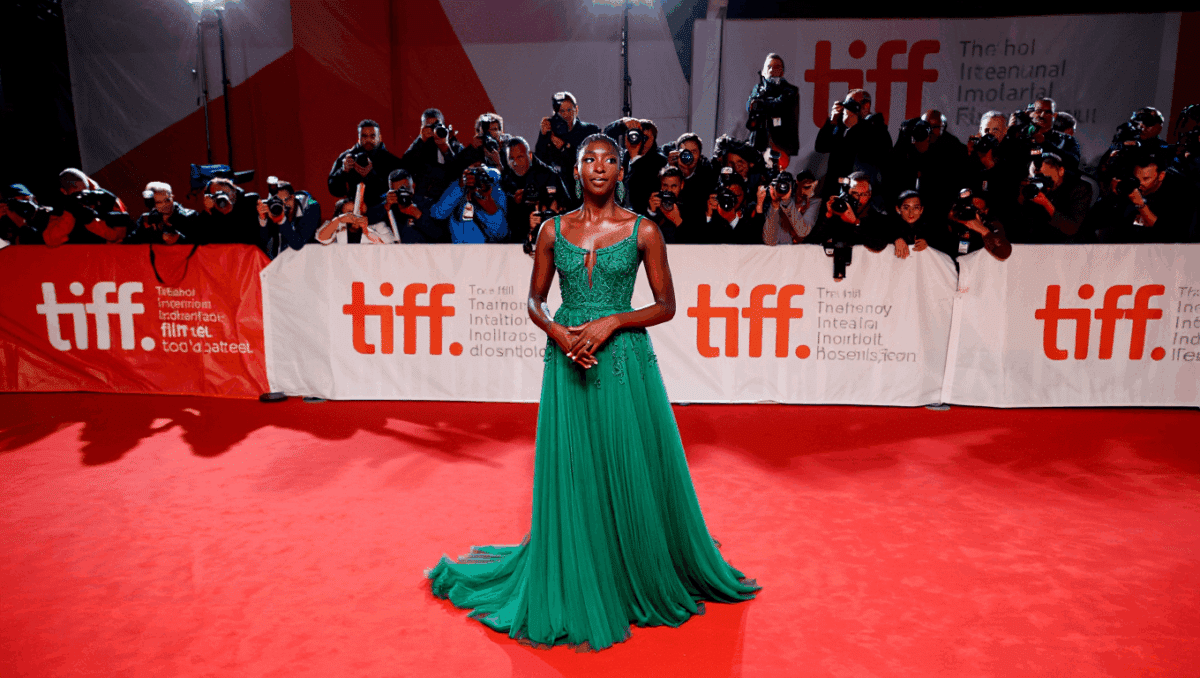
Michaela Coel used one red-carpet moment at the Toronto International Film Festival to carry a far larger message. Instead of treating her TIFF premiere as a stage for glamour or awards season chatter, she turned it into a carefully orchestrated tribute to Sudanese women — and she made sure every visual element reinforced that intent.
Behind that plan was a small, deliberate team of Sudanese creatives and a Toronto-based photographer, Nabra Badr, who was recruited at short notice to document the preparations. What followed was a tightly choreographed, culturally rooted photoshoot designed to be impossible to ignore on major platforms like Vogue — a move meant to push audiences to learn about the humanitarian crisis unfolding in Sudan.
How the TIFF tribute was organized: a fast-moving plan with purpose
Coel tapped friends and community members to assemble a mostly Sudanese crew. Ebaa Elmelik, co-founder of Media for Justice in Sudan, helped gather the people who would style, adorn, and teach the lead how to wear traditional pieces correctly. The goal: not just visual commemoration but authenticity — from the henna artist to the jewelry designer and the elder who knew how to tie the toub.
The Growing Demand for Data-Driven Decision Making in Silicon Valley
He quit, ran out of money, and begged to come back — here’s how his boss reacted
The production timeline was compressed. The photographer remembers receiving a direct message over a weekend and meeting the team the next day. The urgency reflected both the festival schedule and a determination to get the imagery right. Coel wanted photographs that would demand attention and encourage media outlets to spotlight Sudan alongside her film premiere.
Why Coel centered Sudanese women—and why it mattered
Coel’s choice was explicitly political and cultural. By centering Sudanese women in the lead-up to a high-profile international premiere, she aimed to raise awareness about a humanitarian catastrophe that has displaced millions and caused widespread loss of life. Her gesture was intended to amplify voices often missing from global conversations.
- Visibility: Using a red-carpet moment to highlight Sudan meant leveraging celebrity attention for a civic cause.
- Community-led storytelling: The team included Sudanese practitioners in hair, henna, jewelry, and cultural guidance, ensuring the look was rooted in lived experience.
- Respect for tradition: Decisions about what to include or omit were made collectively, based on cultural appropriateness.
On the day: capturing ritual, detail, and care
Photographing Coel getting dressed wasn’t treated as surface-level styling; it was framed as a ceremony. The photographer focused on intimate moments — the hands of an elder arranging fabric, the way henna wraps around fingers, close-ups of jewelry and hairpieces — because each detail told part of a larger story.
Elements the team prioritized
- Henna patterns applied by a South Sudanese artist (important for cultural lineage).
- The toub, a traditional garment, including how it was tied and draped.
- Specific jewelry items, with sensitivity to pieces usually reserved for bridal or ceremonial contexts.
- Facial expressions, the exchange of knowledge between elder and wearer, and the tactile moments of preparation.
Decisions were deliberate. If a piece of jewelry was typically worn only in a bridal context, the group debated whether it was appropriate to include it — and often opted to omit anything that would feel inauthentic for the moment. That attention to nuance was central to ensuring the tribute respected Sudanese customs while still making a modern visual statement.
Nabra Badr’s perspective: why a Sudanese photographer mattered
Nabra Badr describes her photographic practice as rooted in her Sudanese identity — her work aims to do more than look pretty, she says; it seeks resonance and memory. Losing elder relatives during COVID intensified her interest in documenting elders and community stories. That urgency pushed her toward projects that preserve generational knowledge.
When approached about the TIFF shoot, she initially assumed the message might be tangential to the film — instead, she discovered Coel’s deliberate plan to highlight Sudan. The quick turnaround and the decision to bring a Sudanese photographer on board mattered to Badr: she felt a responsibility to represent the nuances and to make sure each image carried cultural weight.
Color, symbolism, and cultural choices
Coel’s toub at TIFF was a muted brown rather than the bright, patterned textiles commonly worn at gatherings. The color choice was intentional and symbolic: it called attention to how dark-skinned women are treated and signaled solidarity with regions of Sudan suffering the most acutely. Badr notes that the pared-back palette felt like a contemporary, everyday reinterpretation of the toub — familiar yet consciously different.
The team talked through every visual choice:
- Which colors amplify which messages;
- What accessories are meaningful versus ceremonial;
- How henna patterns read on camera;
- Which gestures — an aunt teaching the toub fold, for example — should be foregrounded.
Strategy and reach: pushing for Vogue and broader visibility
Part of the tactical thinking behind the images was editorial: Coel and her collaborators wanted photos that would be unmistakable in quality and authenticity so publications like Vogue would have no reason to pass. There were conversations about format — reportedly, Vogue was willing to consider everything from iPhone photos to professional shoots — but the team insisted on high-quality work created by a Sudanese photographer to strengthen the message and the optics.
“Make the images so compelling that major outlets will amplify them,” was the working ethos: not performative symbolism, but an attempt to use influence to force attention onto a crisis.
Using fashion and beauty to tell political stories
For Badr, fashion and art are effective gateways into political conversations because they make complex issues approachable. Beautiful images can open doors for nuanced storytelling. She frames her refusal to conform to industry expectations as part of her artistic identity — blending aesthetics with activism so readers and viewers who might otherwise scroll past will stop and engage.
Fashion, in this view, becomes an entry point. Visual allure draws attention; context and reporting push toward understanding and action.
Moments from the room: small gestures that revealed intent
The photoshoot carried personal touches that underscored sincerity. Coel greeted participants in a Sudanese manner, curated a playlist connected to the country, and repeatedly checked that everything felt right to those present. Those gestures convinced collaborators that the tribute wasn’t mere optics.
Badr’s admiration for Coel grew from the experience. She saw someone willing to risk awkwardness or criticism to make a principled stand and to center a community’s voice rather than speaking for it. That willingness — to consult elders, to choose authenticity over convenience — shaped both the images taken and the trust in the room.
How the photographer approached storytelling through images
Badr prioritized moments that would convey process and transmission: an elder guiding hands through fabric, henna being revealed on palms and feet, the way jewelry layered over cloth. She emphasized the importance of documenting not just a finished look but the relationships and rituals that produce it.
- Capture the caregiver or mentor who imparts knowledge.
- Document hands and tools — the small gestures that reveal cultural practice.
- Show the interplay between modern celebrity and ancestral tradition.
These choices are intended to make the photographs function as testimony rather than mere portraiture.
What the day achieved and why it matters now
By intentionally assembling a Sudanese team and insisting on culturally informed imagery, Coel and her collaborators created a visual moment designed to do two things: honor Sudanese women and force larger media outlets to carry that honor forward. The images — detailed, respectful, and narrative-driven — aimed to provoke curiosity and, ideally, follow-up awareness of the crisis back home.
The ambition was simple: use a visible moment to make people stop scrolling and look — then learn more.
You might also like:
- Anne Hathaway and Michaela Coel discuss Mother Mary, fame and when to hibernate
- Bird snuggles into photographer’s chest for warmth on snowy day
- Barbie Serena Williams signature doll inspires next generation
- Essence Fest Celebrates Black Culture: Highlights from the Iconic Event
- A rabbit is hiding in this living room — you have 6 seconds to find it

David Miller is an entertainment expert with a passion for film, music, and series. With eight years in cultural criticism, he takes you behind the scenes of productions and studios. His energetic style guides you to the next big releases and trending sensations.


Man, Coels tribute hits different! Love how shes amplifying Sudanese voices. Real recognize real. Major props for centering Sudanese women — thats how you make a statement! Cant wait to see the magic theyve created.
Man, Coels tribute to Sudan at TIFF was like a bolt from the blue, yknow? The way she put together an all-Sudanese team? Thats some real empowering stuff right there. Mad respect for that move.
Man, Michaela Coel really outdid herself with this TIFF tribute to Sudan. The all-Sudanese team? Genius move. Its like shes playing 4D chess with representation and empowerment. Cant wait to see the magic they created.
Man, Michaela Coel always keeps it real. Respect for centering Sudanese women in her TIFF tribute. Its about time we see more authentic representation in the industry. Props to her and the all-Sudanese team for bringing this to life.
Damn, aint that the truth! Michaela Coel really hit the mark with her tribute at TIFF, shining a light on Sudanese women. Representation matters, and its refreshing to see authentic stories being told. Big props to her and the whole Sudanese crew for making it happen!
Yo, this move by Michaela Coel at TIFF? Pure fire! Bringing Sudanese voices to the forefront, thats power. Respect for showcasing diversity and talent. Cant wait to see the magic they brewed up!
Man, Coels tribute to Sudan at TIFF was a power move! Love seeing Sudanese talent shining. Real recognize real. Shes out here proving that diversity and representation go hand in hand with quality. Hope this sparks more movements in the industry.
Man, Michaela Coel never fails to impress. So cool how she put together a Sudanese team for that tribute at TIFF. Representation matters, yknow? Cant wait to see the magic they created together!
Man, Coels tribute to Sudan at TIFF hit different. The way she spotlighted Sudanese women and culture was a power move. Respect to the all-Sudanese team for bringing that authenticity. Its more than just a film—its a statement.
Man, Michaela Coels tribute to Sudan at TIFF was a game-changer. Keeping it all-Sudanese? Genius move. Love how it celebrated Sudanese women, their stories, their craft. Thats how you make a statement!
Man, Michaela Coels tribute at TIFF was a whole vibe, yall! Big respect for putting together an all-Sudanese squad. Thats how you spotlight authenticity and culture. Major props for the power move.
Man, Coel’s tribute to Sudan at TIFF was next-level. The all-Sudanese team brought heart and soul. She really shone a light on Sudanese women, and boy, did it hit home. Major respect for the care and detail in every frame.
Man, that TIFF tribute by Michaela Coel hit different! Respect for centering Sudanese women. Purposeful and powerful. Cant ignore the attention to detail and care in the staging. More of this, please!