
Show summary Hide summary
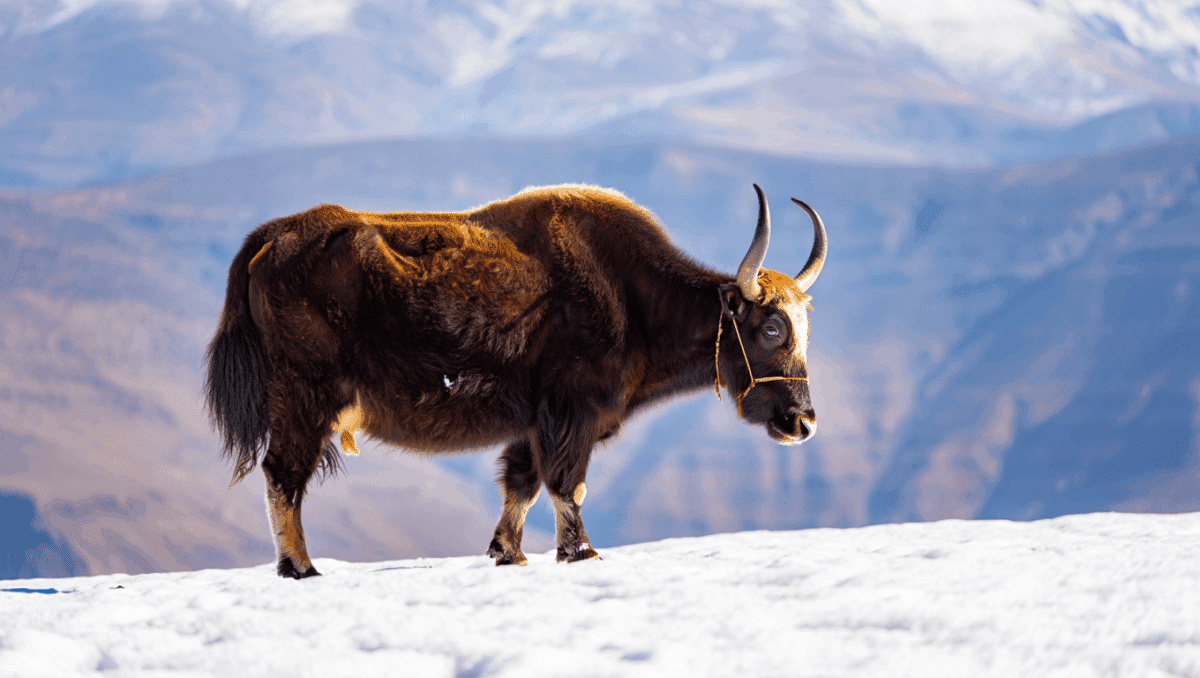
A genetic twist that lets yaks thrive where oxygen is scarce could point scientists toward a new way to protect and rebuild the insulating layer around nerve fibers — a discovery that may reshape thinking about treatments for multiple sclerosis. Researchers who traced this adaptation from animals on the Tibetan Plateau into laboratory mice found evidence that the same molecular pathway helps preserve and restore myelin, the crucial sheath that enables neurons to transmit signals efficiently.
The study, led by a team at Shanghai Jiao Tong University School of Medicine and published in Neuron, moves beyond immune suppression and into the biology of repair: a gene variant called Retsat appears to boost production of a vitamin A–derived metabolite, ATDR, which in turn accelerates the formation and maturation of myelin-producing cells in mice.
Why a high-altitude gene became the focus of neurological research
The Growing Demand for Data-Driven Decision Making in Silicon Valley
He quit, ran out of money, and begged to come back — here’s how his boss reacted
Scientists have long been curious about how animals native to extreme environments maintain normal brain function despite chronic low oxygen. On the Tibetan Plateau — averaging roughly 14,700 feet above sea level — yaks and other species carry unique genetic changes that help them cope with hypoxia. One such change affects the Retsat gene, and earlier genomic surveys flagged it as a candidate for further study.
Rather than limiting the inquiry to evolutionary biology, the research team asked a translational question: could the same adaptation that protects animals in thin air also shield or repair nervous tissue in mammals facing myelin damage? To answer that, they recreated the gene’s effects in mice and put the animals through tests designed to reveal how their brains and behavior responded to oxygen stress and injury.
Evidence from mice: preserved function and faster myelin repair
In controlled experiments, newborn mice engineered to carry the Retsat variation were exposed to low-oxygen conditions comparable to living above 13,000 feet for about a week. Compared with mice that had the standard version of the gene, the Retsat group performed better on tasks assessing memory, learning, and social responses.
Brain tissue analyses showed that these mice maintained a thicker, healthier myelin layer around nerve fibers. When researchers created localized myelin damage to mimic demyelinating conditions, the Retsat-bearing mice regenerated myelin more rapidly and more completely than controls. The damaged sites also showed an increase in mature oligodendrocytes — the cells responsible for building the myelin sheath.
Key experimental observations
- Behavioral advantages: Improved cognitive and social test results after hypoxic exposure.
- Structural protection: Higher levels of myelin surrounding axons in Retsat mice.
- Enhanced repair: Faster remyelination and more mature oligodendrocytes at injury sites.
ATDR emerges as the likely molecular mediator
Digging into the biochemical changes, the team discovered that mice with the adaptive Retsat variant had increased production of ATDR, a metabolite formed from vitamin A. The mutation appears to upregulate enzymatic activity that converts vitamin A into downstream compounds capable of influencing cell maturation.
Laboratory tests showed that treatment with ATDR reduced the severity of an MS-like condition induced in mice and improved motor abilities. These results support a model in which the Retsat mutation confers its protective and regenerative effects at least in part by tipping vitamin A metabolism toward substances that promote oligodendrocyte development and myelin synthesis.
What this means for multiple sclerosis and other myelin disorders
At present, most MS therapies aim to dampen the immune system to prevent further attacks on myelin. The new findings open a different avenue: enhancing the body’s innate capacity to rebuild the myelin sheath. Because both Retsat and ATDR are part of natural biological pathways, they may offer therapeutic angles that complement existing treatments.
Potential clinical implications include:
- Developing small molecules or biologics that mimic ATDR’s effects on oligodendrocytes.
- Using metabolic modulation to support remyelination after autoimmune attacks or ischemic injury.
- Exploring vitamin A–based strategies for neonatal brain injuries that impair myelination and for age-related vascular contributions to cognitive decline.
Steps the researchers took and the road ahead
Lead author Professor Liang Zhang and colleagues emphasize that these experiments are an early demonstration of principle. The study combined genetic engineering, controlled hypoxia, behavioral testing, and biochemical analysis to trace a path from an evolutionary adaptation to a potential therapeutic target.
Next steps will include testing safety and efficacy in larger animal models, determining optimal dosing strategies for ATDR-like compounds, and mapping any off-target effects of altering vitamin A metabolism. The team notes that translating a discovery rooted in evolutionary biology into human treatments will require careful clinical development and regulatory evaluation.
You might also like:
- DMT, the spirit molecule, protects brain from stroke in mice, study finds
- 10-minute intensive workout triggers powerful anti-cancer effects, study finds
- Vitamin K may form basis for new treatment for neurodegenerative diseases
- How Chernobyl mutated stray dogs
- Desert mouse defies aging: study could reshape human longevity research

Michael Thompson is an experienced journalist covering U.S. and global news. With ten years on the front lines, he breaks down political and economic stories that matter. His precise writing and keen attention to detail help you grasp the real‑world impact of every event.


Man, this discovery about high-altitude yak genes and myelin repair is mind-blowing! Who knew those fluffy creatures had superhero genes? Natures full of surprises, aint it? Wonder what other secrets are hidden out there.
High-altitude yak genes saving the day? Unbelievable, right? Who knew those fluffy fellas were hiding secret superpowers! Natures like a mystery novel you cant put down. Bet there are more mind-blowing surprises waiting to be uncovered out there. Whats next, flying squirrels with laser vision? Bring it on, Mother Nature, were ready for the plot twists!
Man, I never thought a high-altitude gene could be so clutch for myelin repair! Science is wild, yo. Makes me wonder what other unexpected heroes are hiding in our genes. Time for a DNA treasure hunt!
I tried living in the mountains once, but no yak gene to save me from the thin air! This study about myelin repair is wild, like sci-fi becoming real. Can they give me some of that high-altitude magic, please?
Dang, living in the mountains without that yak gene mustve been a real struggle, huh? The whole myelin repair thing does sound like something out of a sci-fi flick! Maybe they can whip up a little high-altitude magic potion for you, who knows? Wouldnt that be a game-changer!
Man, that yak gene story got me thinking about my own DNA. What if I got some superpower gene too? Like, can I have a gene that makes me type faster or eat pizza without gaining weight? Life would be so much cooler!
Man, this high-altitude yak gene is like the superhero of myelin repair! Its like those mice hit the genetic jackpot. Natures way of saying, Hey, let me give you a hand with that damaged myelin, buddy!
Ive always said, natures got all the answers, man! High-altitude yak genes fixing myelin? Thats some next-level stuff right there. Who needs sci-fi when youve got real life blowing your mind like that?
Man, high-altitude genes really branching into unexpected territories! Repairing myelin? Thats like a superhero power for the nervous system. Move over, X-Men, we got high-altitude yaks saving the day now!
Man, Ive seen it all now! High-altitude yak genes fixing myelin? Natures like, Hold my beer! Science never fails to amaze. Cant wait for the sci-fi movie where yaks save the day with their superpowers!
Dang, right? Yaks out there about to outshine the Avengers! Next thing you know, theyll be teaching us humans a thing or two about superhero landing poses. Maybe we need to start bowing down to our fluffy overlords now, huh?
Man, this high-altitude gene chat taking a wild turn into neuroscience? Bet those yaks never thought theyd be the heroes of myelin repair research! Natures full of surprises, huh?
Man, talk about genes gettin all high-altitude and fancy! Who knew theyd be the heroes fixin up myelin? Natures got some real surprises up its sleeve, huh? Science blows my mind!
Man, talk about genes doing double duty! High-altitude yak genes out here playing superhero, saving myelin like its no big deal. Natures got some wild tricks up its sleeve, huh? Science never fails to amaze.
Yo, aint nature full of surprises? Yak genes swooping in like superheroes to save the day, huh? Science always keeps us on our toes with its wild tricks. Who knew genes could have a side hustle, right?
Man, science is wild! Who knew a high-altitude yak gene could be the hero in neurological research? Natures full of surprises, aint it? Lets give those high-altitude yaks a round of applause for protecting and repairing myelin like champs!
Man, my minds spinning faster than a high-altitude yak on this gene study. Repairing myelin? Thats like giving my brain a turbo boost. Hope this research scales up for real-world treatments!