
Show summary Hide summary
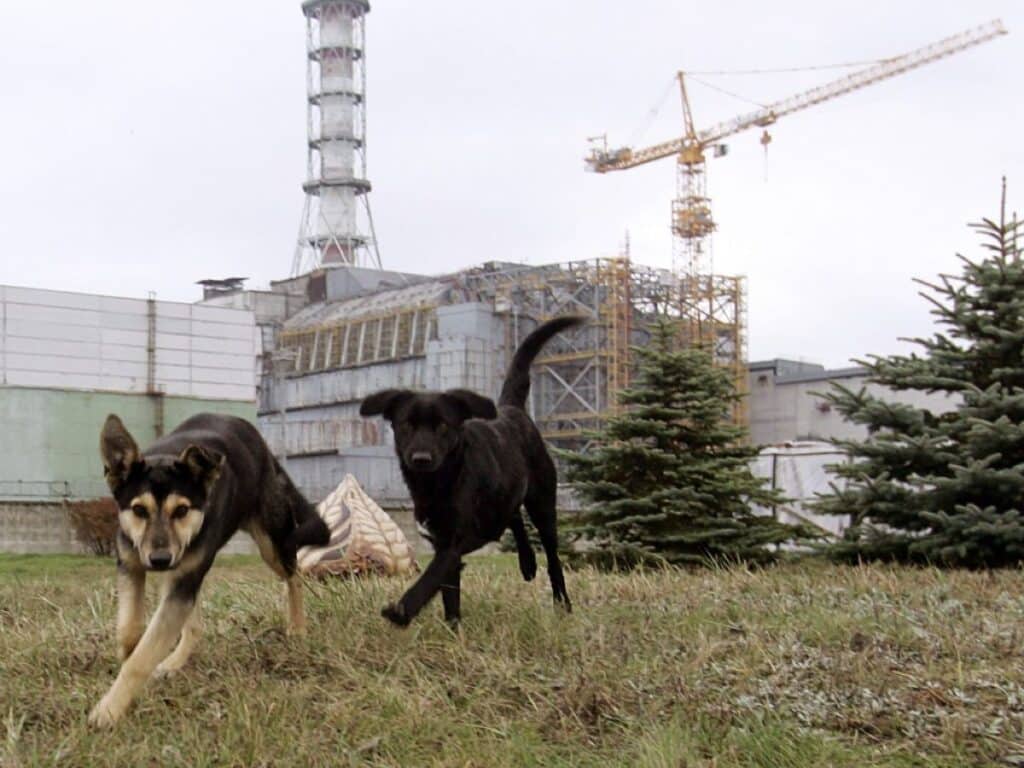
Nearly four decades after one of the worst nuclear disasters in history, scientists are turning their attention to some of the zone’s most resilient survivors: the stray dogs of Chernobyl. These animals, often overlooked, may be carrying the genetic keys to understanding how life adapts in the most hostile of environments.
A disaster frozen in time
When the Chernobyl Nuclear Power Plant exploded in April 1986, it sent a toxic cocktail of radioactive isotopes—including cesium-137 and iodine-131—spreading across Europe and beyond. In the immediate aftermath, a vast exclusion zone spanning over 2,600 square kilometres was established, effectively freezing a region in time.
The Growing Demand for Data-Driven Decision Making in Silicon Valley
He quit, ran out of money, and begged to come back — here’s how his boss reacted
Humans were evacuated. Nature stayed behind.
Today, this eerily quiet landscape is home to forests, birds, wild horses—and a thriving population of stray dogs, the descendants of pets left behind and animals that somehow evaded government-led extermination efforts meant to curb radioactive contamination.
Mapping mutation through canine DNA
Until recently, most studies in Chernobyl focused on smaller animals, like mice or birds. But a new wave of research is now targeting larger mammals — particularly the dogs. Since 2017, an American-led team has been analysing the genomes of over 300 stray dogs, using blood samples collected from three distinct locations:
-
Right next to the former power station
-
The abandoned town of Chernobyl, 15km away
-
Slavutych, a city 45km from the reactor, built for displaced residents
The researchers discovered that these three groups are not only genetically different from typical stray dogs, but also from each other — reflecting the varying levels of radiation exposure they’ve experienced.
The radioactive fingerprint
One of the most striking findings is the sheer difference in contamination levels. Dogs living closest to the reactor show cesium-137 levels up to 200 times higher than those further away. And yet, they’re alive, reproducing, and building new generations of animals that have never known a world without radiation.
This suggests a form of biological adaptation, possibly through genetic mechanisms that allow them to survive conditions that would typically cause serious harm to cellular structures, especially DNA.
Genetic resilience or blind luck?
The next phase of the research is to uncover how these animals are surviving. Christophe Hitte, a canine genetics expert based in France, believes the answer may lie in DNA repair genes. In essence, these dogs might possess stronger genetic tools for fixing damage caused by high-radiation exposure—something a standard domestic dog wouldn’t stand a chance against.
If confirmed, this could be groundbreaking. Understanding these natural adaptations could inform research in human health, particularly in fields like oncology, genetics, and radiation therapy.
A living laboratory in the exclusion zone
What makes the Chernobyl dogs so unique is their combination of genetic isolation and exposure to an unusually mutagenic environment over multiple generations. It’s a situation that scientists rarely get to study outside the lab.
As the research continues, these strays—often seen as little more than a tragic footnote to a historic disaster—are becoming canine sentinels of resilience, evolution, and the enduring will to survive.
For now, they remain in the shadows of Chernobyl, wild yet oddly at home, quietly helping scientists understand the invisible scars left behind by one of the 20th century’s darkest days.
You might also like:
- Nuclear plant worker falls into reactor pool and survives
- Dog leads police to missing 3-year-old: officer’s body cam video shows hero dog guiding rescue
- They kept feeding a stray dog — then one day, its collar revealed the unthinkable
- Dogs learn new words by eavesdropping on their owners, study shows
- Radioactive isotopes in rhino horns used as anti-poaching tool

David Miller is an entertainment expert with a passion for film, music, and series. With eight years in cultural criticism, he takes you behind the scenes of productions and studios. His energetic style guides you to the next big releases and trending sensations.


Man, those Chernobyl mutant dogs are like something out of a sci-fi flick! Its wild how nature adapts to crazy stuff. Wonder if theyre secretly plotting a takeover… Watch out, humans!
Man, those mutant dogs from Chernobyl are like straight out of a sci-fi movie, right? Nature be pulling some major plot twists lately! But yo, dont worry too much about a doggy takeover, we humans got this! Just gotta keep our treats game strong, you feel me?
Man, those Chernobyl dogs are like the superheroes of the canine world, surviving all that radioactive madness. Makes you wonder if theyre secretly plotting to take over the world with their mutant powers. Watch out, humans!
I remember hearing wild legends bout Chernobyl’s stray dogs, mutated into somethin outta sci-fi flicks. Makes ya wonder bout natures twists, survivin against all odds. Mother Nature be playin some mysterious cards, aint she?
A skeptical critic:
Ha, them Chernobyl mutts sound like somethin outta a horror flick, right? Mother Natures got her own twisted sense of humor, I tell ya. But hey, survival of the fittest, aint it? Wonder what other surprises shes got up her sleeve…
I remember watchin a documentary about them Chernobyl mutatin stray dogs. Crazy how nature adapts to disasters. Makes you wonder bout genetic resilience or just plain ol luck, yknow?
Man, those Chernobyl muties are like straight out of a sci-fi flick! Can you imagine being a stray doggo there? Mustve been ruff. Genetic resilience or blind luck, huh? Natures wild, bro.
Remember when those mutie dogs in Chernobyl sounded like the start of a bad sci-fi flick? Now its real life. Natures like, Hold my beer. Genetic resilience or just plain luck? Either way, cant make this stuff up!
Man, those Chernobyl mutie dogs are like straight out of a sci-fi flick. Can you imagine their DNA, all twisted up by radiation? Natures own crazy experiment, survival by adaptin or just plain ol luck? Wild stuff.
I always wondered about those Chernobyl muttations, man. Like, what if those dogs start to develop superpowers or something? Radioactive bark, anyone? Imagine a pack of mutant pups roaming the wasteland… Wild stuff!