
Show summary Hide summary
In the competitive world of the NFL, players often go to great lengths to maintain peak performance during games. Among the lesser-known but widely used methods is the use of smelling salts, small packets containing ammonia that are sniffed for a quick boost of alertness. This practice, however, recently found itself at the center of a controversy that briefly rocked the league and its athletes.
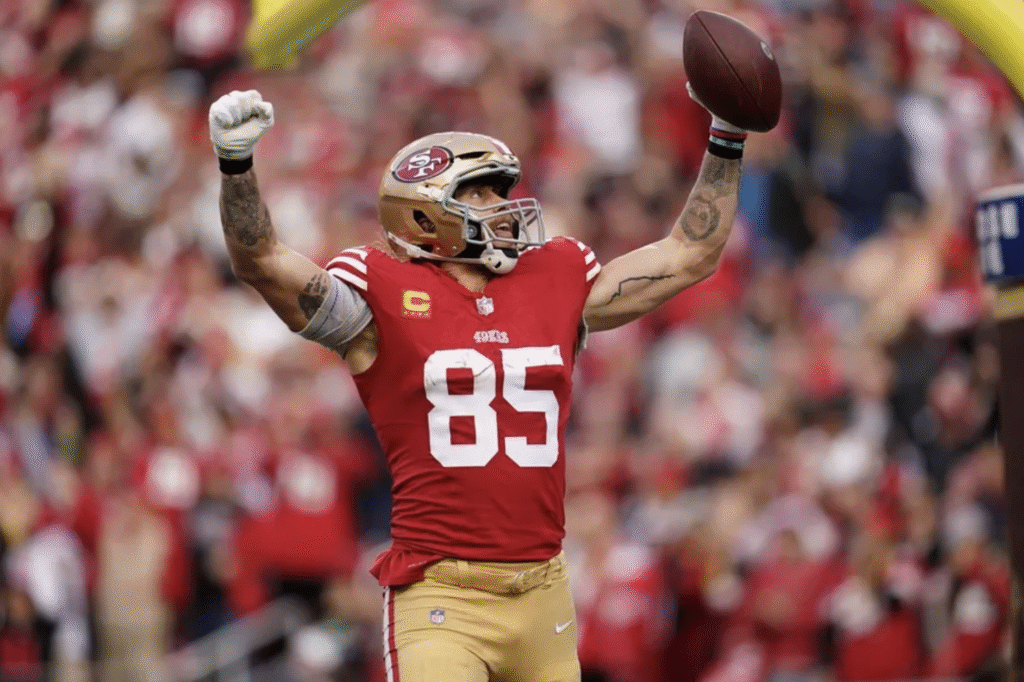
It all started with a memo from the league to all 32 teams, which seemed to suggest a blanket ban on smelling salts. This news initially caused quite a stir among players, including San Francisco 49ers tight end George Kittle, who expressed his dismay on NFL Network, even joking about considering retirement. The situation, however, took a turn when the NFL Players Association clarified that players could still use smelling salts, but they would need to bring their own, as teams were no longer allowed to provide them.
Understanding the New Regulations
The confusion stemmed from the NFL’s decision to stop clubs from supplying smelling salts directly to players. This shift was confirmed after the NFL Players Association received clarification from the league. The ban on club-supplied ammonia is part of a broader move to ensure player safety, particularly concerning the handling of concussion protocols.
The Growing Demand for Data-Driven Decision Making in Silicon Valley
He quit, ran out of money, and begged to come back — here’s how his boss reacted
What the Memo Really Said
According to reports, the memo did not outright ban the use of ammonia inhalants by players. Instead, it restricted NFL clubs from providing or supplying the smelling salts. This decision aligns with advice from the league’s top head, neck, and spine physician, citing a 2024 FDA warning about the potential risks of ammonia inhalants masking neurological symptoms, which could include signs of concussions.
Player Reactions and Adjustments
The initial misunderstanding regarding the memo led to a range of reactions from players. George Kittle, known for his lively personality and critical role in the 49ers, humorously lamented the initial news by crashing a live TV segment. Meanwhile, other players like Tampa Bay Buccaneers linebacker Lavonte David expressed genuine concern about adjusting to the new rule.
Bulk Purchases on the Rise
Once it was clear that players could still use smelling salts if they provided their own, some, like Baltimore Ravens defensive back Marlon Humphrey, didn’t waste time. Humphrey humorously revealed on social media that he had spent $1,000 on smelling salts from Amazon, likely securing a personal stock to last the season.
Historical Context and Safety Measures
The use of smelling salts is not new in NFL circles. Back in the 1980s and ’90s, it was common for players to tuck packets of smelling salts into their uniforms. These were used discreetly to quickly revive and return to play, especially after hard hits. Today, while the league’s concussion protocols have significantly advanced, the responsibility now falls more heavily on players to use such aids wisely and within safety guidelines.
Future Implications
The league’s stance on smelling salts and player safety is clear: while teams can no longer provide these stimulants, players are still allowed to use them at their discretion. This policy might prompt a broader discussion on the use of such aids and their implications for player health, especially concerning concussion management and neurological care.
As the NFL continues to evolve its health and safety policies, the balance between player autonomy and league responsibility remains a critical point of discussion. This incident highlights the ongoing challenges and complexities of managing athlete health in high-contact sports.
You might also like:
- George Kittle injury: 49ers rally around tight end after season-ending setback
- WNBA won’t monetize Sophie Cunningham’s viral point: what the league says
- Yankees won’t win World Series without Aaron Judge
- NHL: Sabres’ hot run, criticism of McDavid and Stars’ streak
- 49ers vs Saints week 2: why this matchup could be the grossest

John Davis is a sports journalist focused on the NBA, NFL, and major global championships. With seven years of live coverage, he breaks down performances and key strategies. His expertise gives you a clear view of every game and its impact.

