
Show summary Hide summary
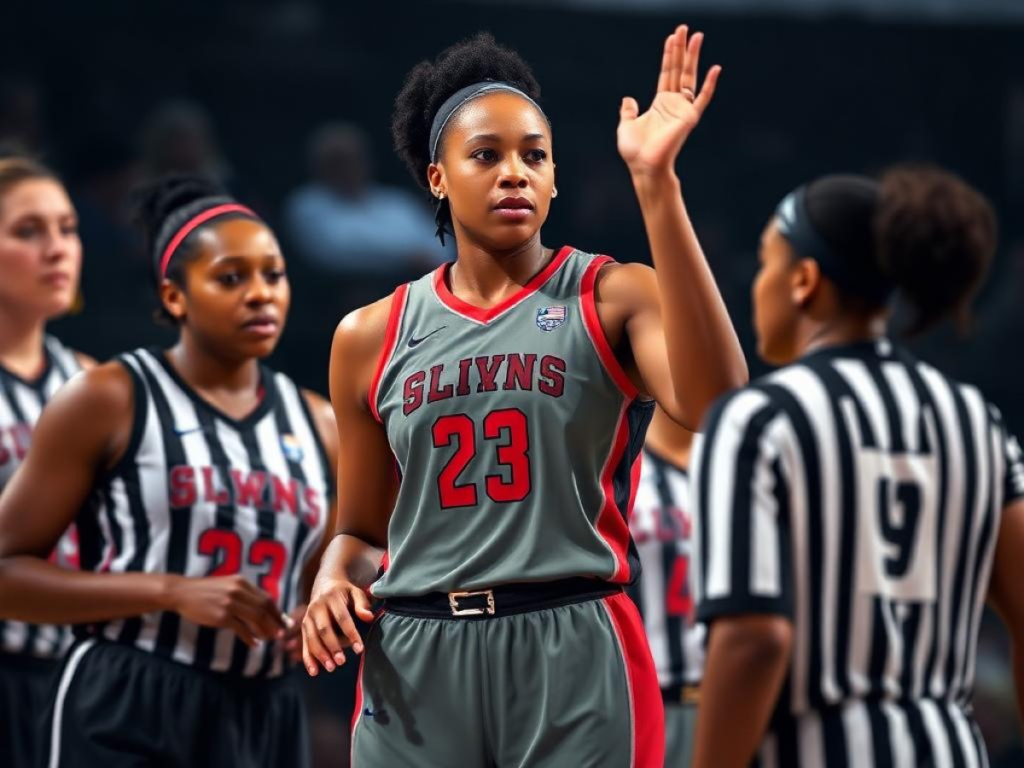
Across all sports, the chorus of complaints about officiating seems never-ending. The voices ring out from disgruntled fans whose team has just suffered a loss, and from athletes who step off the field feeling aggrieved. Recently, the WNBA has taken center stage in this ongoing debate. With the league’s surging popularity, every call and non-call under the referee’s whistle is under intense scrutiny. Some argue that the referees wield too much influence, overshadowing the players and affecting the outcome of the games. Others contend that not enough is being done to manage the physicality of the sport, tipping it from basketball to something resembling rugby. This rising contention highlights a critical need for reform in officiating standards, as echoed by players, coaches, and fans alike.
The Heart of the Issue: Officiating Challenges in the WNBA
Over-Policing or Under-Enforcing?
New York Liberty’s Natasha Cloud and Las Vegas Aces’ coach Becky Hammon present two sides of the officiating dilemma. Cloud accuses referees of having an outsized impact on games, suggesting that their decisions can be overbearing. On the flip side, Hammon criticizes the officials for allowing excessive physical play, which she believes deviates from the essence of basketball. These perspectives encapsulate the broader dissatisfaction permeating through the league, begging the question of finding the right balance in officiating.
Specific Cases Highlight Broader Concerns
The situation involving Caitlin Clark, who has faced a series of flagrant fouls, further fuels the debate. Stephanie White, coach of the Indiana Fever, suggests a discrepancy in how Clark is guarded compared to other players. Clark’s recent injuries, having missed 18 games, underscore concerns that the physicality permitted on court might be compromising player safety.
The Growing Demand for Data-Driven Decision Making in Silicon Valley
He quit, ran out of money, and begged to come back — here’s how his boss reacted
Searching for Solutions: How Can WNBA Officiating Improve?
Consistency and Accountability
Above all, the demand from within the league is for consistency. Players and fans alike seek a level playing field where games are called fairly and transparently. This includes a call for better accountability mechanisms, such as the introduction of a “Last Two Minute” report akin to the NBA, which would scrutinize and publicize officiating decisions in the crucial closing moments of tight games.
Investment in Officiating
Currently, WNBA referees are part-time and manage duties across various basketball levels, including NCAA and G League games. This contrasts sharply with other professional sports leagues, which employ full-time referees. Enhancing the professionalism among WNBA officials could involve:
– Increasing referee salaries to allow full-time dedication
– Establishing a centralized replay center to assist with contentious calls during games
– Expanding training and performance evaluation programs for referees
The Economic Angle: Why It Matters Now More Than Ever
With the WNBA on the verge of securing a $2.2 billion media rights deal, the stakes are higher than ever. The quality of officiating not only impacts the integrity of the game but also the league’s marketability and fan engagement. Addressing these officiating challenges is not just about fairness but also about securing the financial and popular growth of the league in a highly competitive sports entertainment industry.
In conclusion, as the WNBA evolves, so too must its approach to officiating. By addressing these concerns head-on, the league can ensure its place not just as a sporting competition but as a premier professional sports institution.
You might also like:
- NBA officiating: can technology fix playoff controversies?
- Angel Reese and Paige Bueckers’ $400 bet sparks WNBA overreaction
- WNBA won’t monetize Sophie Cunningham’s viral point: what the league says
- FIBA World Cup break reshapes outlook for 2 WNBA teams
- NBA All-Star Game now a gimmick, losing fan interest and competitive edge

John Davis is a sports journalist focused on the NBA, NFL, and major global championships. With seven years of live coverage, he breaks down performances and key strategies. His expertise gives you a clear view of every game and its impact.

