
Show summary Hide summary
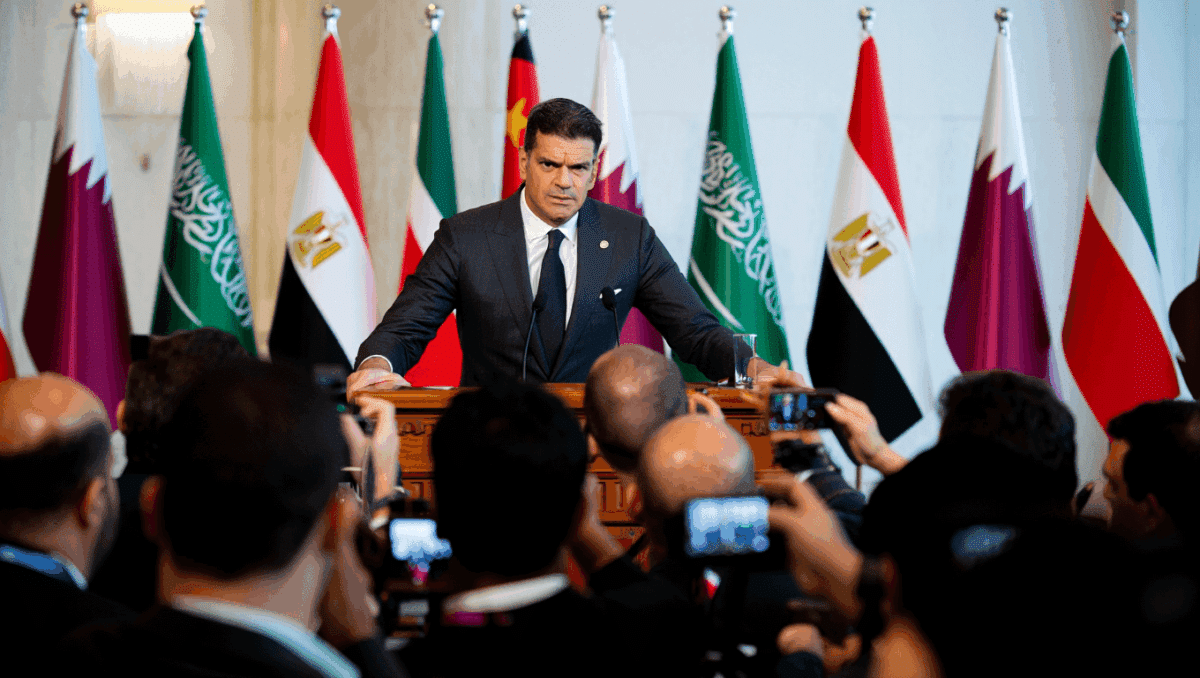
Qatar’s financial reach into Western politics, media and education has become hard to ignore. Over the past decade a tiny emirate flush with gas revenue has used cash, prestige and strategic relationships to build influence from university campuses to international forums — and critics warn the effects go far beyond routine diplomatic engagement.
Observers say the strategy is deliberate: buy credibility, cultivate allies across the political spectrum, and shape institutions in ways that serve Doha’s long-term interests. That approach blends soft power with transactional ties, producing uncomfortable alliances and sparking questions about the costs of dependence on Gulf money.
How Doha’s money moves into Western institutions
Qatar’s investments follow a familiar pattern: large donations to universities, sponsorship of media outlets and think tanks, and high-profile sponsorship of cultural events. These purchases of influence are aimed at creating networks of people and institutions that will advance Qatari priorities in the West.
The Growing Demand for Data-Driven Decision Making in Silicon Valley
He quit, ran out of money, and begged to come back — here’s how his boss reacted
- University funding: Between 2021 and 2024, foreign donations to U.S. colleges were tracked in the billions; Qatar emerged as a major backer of academic programs and campuses, sometimes eclipsing other states in yearly totals.
- Media and broadcasting: Doha controls Al Jazeera and funds other outlets linked to Islamist networks abroad, giving Qatar a platform to shape narratives on the Middle East and global affairs.
- Events and forums: The Doha Forum and other high-profile gatherings serve as diplomatic showcases and a way to elevate friendly voices while normalizing controversial actors.
- Private partnerships: Deals with tech firms, philanthropic grants to NGOs, and financing for celebrities and filmmakers expand Qatar’s footprint beyond traditional diplomacy.
Roots of the campaign: ideology meets realpolitik
Some analysts argue that Qatar’s outreach often aligns with ideas promoted by the Muslim Brotherhood and the writings of Sayyid Qutb — an intellectual lineage that views Western political systems skeptically. While Doha’s tactics are pragmatic and secular in execution, critics maintain those tactics sometimes serve or at least tolerate movements whose worldview is deeply antagonistic to liberal democracy.
Mark Menaldo and other scholars have cautioned that such ideological currents prioritize a form of political Islam that has difficulty accommodating pluralistic democratic norms outside an explicitly Islamic framework. Whether Doha subscribes to that ideology or merely leverages it is a subject of intense debate among foreign-policy observers.
Politics, payoffs, and high-level access
The use of money to secure influence has spilled into the political arena. Allegations and reporting have highlighted several instances where Gulf states — including Qatar — have offered financial enticements or lucrative business ties that created awkward entanglements for Western politicians and advisers.
- “Qatargate” and similar scandals have raised alarms about suspected payments to European officials and opaque lobbying operations in Brussels.
- U.S. relationships have drawn scrutiny for reported investments and business ties between Gulf investors and members of American political circles, across the partisan divide.
- Proposals such as foreign air bases and defense commitments have prompted questions about how strategic decisions may be influenced by financial relationships.
Critics note that these dynamics create vulnerabilities: leaders and institutions that depend on Gulf cash may be pressured — implicitly or explicitly — to avoid criticism of the donor state or its allies. Pay-to-play concerns have become a regular feature of discussions about Gulf diplomacy in Washington, London and Brussels.
Campus influence: the new front line
Universities have become a central battleground. Foreign gifts fund research centers, endow chairs and underwrite campus buildings, allowing donors to shape curricula, events and hiring priorities.
- Large gifts can come with expectations — formal or informal — that recipients will avoid criticism of the donor’s ruling family or domestic policies.
- Critics argue that such funding has helped nurture campus movements and faculty positions that tilt conversation about Middle East politics and energy policy.
- Faculty and student groups that receive generous support from Gulf sources have, at times, driven protests and advocacy campaigns that align with donor interests.
Between foreign-state philanthropy and commercial partnerships, some universities have accepted sums that critics say effectively buy institutional goodwill. The result is a complex web where academic freedom, donor influence and geopolitical rivalry intersect — and where Qatar is a prominent financier.
Messaging, forums and cultural diplomacy
Doha’s public diplomacy is multipronged: state-backed media, cultural diplomacy, and high-profile summits all help to craft a narrative of Qatar as a necessary interlocutor and mediator in regional crises.
The annual Doha Forum, for example, offers a platform for officials and figures who are controversial elsewhere. Hosting speeches and panels that include leaders or representatives linked to militant groups has drawn condemnation, but these events also showcase Qatar’s role as a regional broker.
- State media reach gives Doha a global megaphone for its positions and interpretations of regional events.
- Funding for cultural projects and environmental initiatives ties Qatar to influential public figures and NGOs, broadening its soft-power appeal.
- Doha’s willingness to host rival factions and conduct back-channel diplomacy increases its value to international actors seeking mediation.
That mix of publicity and quiet deals helps explain why actors with widely varying politics — from conservative media figures to progressive NGOs — have accepted Qatari hospitality or funding.
Allies, critics and the paradox of patronage
Qatar’s network doesn’t follow a neat political map. The emirate has courted leaders and influencers across the ideological spectrum, blending short-term transactional ties with longer-term investments in institutions. This bipartisan reach is part of what makes Doha’s influence resilient.
Examples of this approach include reported appointments, business contracts and advisory roles taken by Western political figures after service in government, as well as the recruitment of academic and media partners. Observers argue this strategy insulates Qatar from shifts in Western politics: if one administration grows hostile, another may welcome Doha’s money.
Consequences on public debate and policy
- Polarization of campus discourse on Israel and Palestine, with some critics pointing to increased anti-Zionist—and occasionally anti-Jewish—rhetoric in institutions that received Gulf funds.
- Policy hedging by governments reliant on Gulf energy or investment, which can mute criticism of donor states’ human-rights records.
- Strategic ambiguity that allows Doha to play multiple roles: mediator, host, and funder.
Those who warn about these trends argue that the cumulative effect is erosion of independent public institutions and a narrowing of acceptable debate on sensitive foreign-policy issues.
What Doha gains — and why it matters
For Qatar, the returns on this investment are tangible: international prestige, leverage in crises, and a buffer against isolation. By positioning itself as an indispensable broker and benefactor, Doha increases its diplomatic clout while reducing the effectiveness of criticism.
Still, critics contend there is a darker logic beneath the surface: that some Gulf-backed networks and media platforms amplify narratives hostile to democratic pluralism, and that the financial ties created can eventually pressure Western actors to soften stances or overlook troubling behavior. Where money creates influence, accountability can suffer.
As foreign funding continues to flow into Western institutions, policymakers, university leaders and journalists face a difficult question: how to accept international engagement and philanthropic support while protecting public-interest norms and preventing undue sway by wealthy states with strategic agendas?
You might also like:
- Islamist extremism fueled by western policies, analysts warn
- Haddad’s Treasury Talks Cancelled: US Far Right Influence to Blame?
- UN slammed as shameless by critics amid calls for accountability
- Iran strikes push Middle East toward regional war
- Viktor Orban is not an autocrat, scholars say his rule mixes authoritarian and democratic traits

Robert Johnson is a dedicated columnist focusing on political and social debates. With twelve years in editorial writing, he provides nuanced, well‑argued perspectives. His commentaries invite you to form your own views and engage in critical issues.


Man, this whole diplomatic mess got me feeling like a chip in a dip without a party. Qatars like that one friend who always stirs the pot at gatherings. Wonder how this showdowns gonna play out.
Man, politics is like a soap opera, but with higher stakes. Qatars getting the cold shoulder from some countries? Drama! Wonder whats really going on behind closed doors. Secrets and power moves, yknow?
Man, its like that high school drama all over again, but with countries this time! Qatars got a real frenemy situation going on. Wonder how this diplomatic soap opera will unfold next. Grab your popcorn, folks!
Man, politics is a messy game, aint it? Always some drama going on. Qatars got some frenemies, it seems. Wonder how thats gonna play out in the long run. geopolitics, man… never a dull moment!
Man, geopolitics is like a real-life Game of Thrones sometimes. The drama between Qatar and other countries is intense. Wonder how itll all unfold. Will it be a tale of alliances or betrayals? Crazy stuff.
Man, international relations are like a messy soap opera. Qatars in hot water with some countries? Drama alert! Wonder how this will play out. Will they kiss and make up or keep the feud alive? Popcorn time!
Man, its like a juicy political drama unfolding with Qatar and its frenemies. Wonder how they navigate this high-stakes chess game. Will they end up allies or enemies? *grabs popcorn*
I mean, come on, who needs enemies with friends like that? Qatars got some serious frenemy vibes. Wonder how this dramas gonna unfold next. Pass the popcorn!
Man, politics is like a bad relationship. Qatars in the doghouse with some countries, and its a mess. Money talks, but is it worth the drama? Realpolitiks a wild ride.
Man, politics is like a bad relationship, aint it? Qatars stirring up some drama with other countries, and its a hot mess. Moneys doing all the talking, but is all this chaos really worth it? Realpolitiks a rollercoaster ride, for sure…
Man, politics is like a messy soap opera, innit? One day youre buddies, the next day its all drama. Qatars got itself in a real pickle with that not-so-friendly label. Wonder how theyre gonna wriggle out of this one.
Man, can you believe the drama between Qatar and other countries? Its like watching a reality show, but with high-stakes politics. Wonder how this will all play out in the end. Crazy times were living in, huh?
Man, politics are a messy game, aint they? Qatars got a lot of heat lately, not everyones invited to the party. Diplomatic tensions like an invisible wall, aint it? Wonder how thisll all play out in the end.
Oh, mate, politics are like a messy breakup you cant avoid, innit? Qatars stirring up quite the storm lately, feels like theyre playing a game of thrones all on their own. Diplomatic tensions are like that invisible force field in sci-fi flicks, unreal but there. Who knows how this drama will unfold, eh? Its like watching a reality show with world leaders – grab the popcorn!
Man, can you believe the drama between Qatar and those other countries? Its like a real-life soap opera, but with high-level politics and money moves. Wonder how this diplomatic tension will play out next!
I never get why countries cant just get along. Like, whys it gotta be all this drama? Qatars kinda stuck in the middle of some messy stuff. Wish folks would just hug it out instead of all this tension.