
Show summary Hide summary
- Orbán’s Departure: A Calm End to a Polarizing Era
- How He Was Portrayed Versus How He Governed
- Defining “Illiberal Democracy” in Practical Terms
- Right-Wing Populism: From Hungary to a Broader European Trend
- What Magyar’s Win Signals About Policy Continuity
- How Populists Might Adapt Their Playbook Going Forward
- Europe’s Shifting Center: Policy Echoes Beyond Hungary
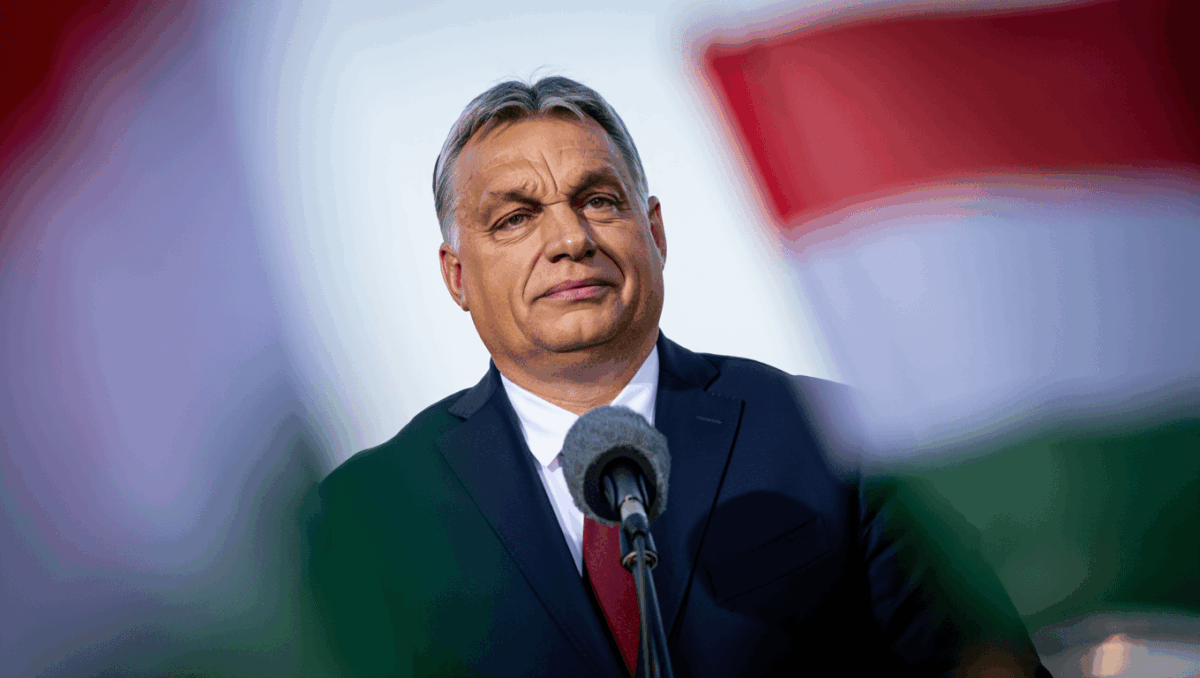
Viktor Orbán’s long run as Hungary’s dominant political figure came to an unexpectedly composed close on election night. Rather than stage a last-minute fight, the outgoing prime minister delivered a brief concession and stepped back from power after 16 years, handing the reins to Péter Magyar and creating a moment that surprised both domestic commentators and international observers.
The outcome has prompted a fresh look at what Orbán’s time in office actually produced: a mix of institutional overhaul, nationalist policy priorities, and a style of politics that reshaped the broader European debate about immigration, sovereignty, and the role of Brussels. What follows examines the key elements of his legacy, the message voters sent, and what Magyar’s victory may mean for Hungary and the continent.
Orbán’s Departure: A Calm End to a Polarizing Era
The Growing Demand for Data-Driven Decision Making in Silicon Valley
He quit, ran out of money, and begged to come back — here’s how his boss reacted
The post-election scene was notable for its restraint. Orbán’s public concession avoided street-level confrontation or legal theatrics. Instead, he acknowledged the loss and signaled that his party would operate from opposition. That demeanor undercut expectations of a dramatic power struggle and highlighted a crucial reality: democratic turnover remained functional in Hungary despite years of intense political polarization.
How He Was Portrayed Versus How He Governed
For much of his tenure, Orbán was cast in Western media as an authoritarian force reshaping Hungary into a closed political model. Yet his final act on election night — accepting defeat without incident — forced a reassessment of some of those portrayals. While critics will note serious democratic backsliding in areas such as media freedom and judicial independence, others point out that Hungary still held competitive elections and a functioning opposition capable of uniting behind a candidate.
Where the criticism sticks
- Partisan appointments: Successive administrations made political hires in key state institutions, raising concerns about independence.
- Electoral engineering: Redrawn districts and voting rules tended to benefit rural constituencies and conservative parties.
- Media concentration: State-friendly outlets and ally-owned media reduced pluralism in the public information space.
Defining “Illiberal Democracy” in Practical Terms
Orbán’s phrase “illiberal democracy” is often cited as shorthand for his governing philosophy. In practice, it emphasized national sovereignty, restrictive immigration policies, and a preference for traditional cultural identities over liberal multiculturalism. Supporters argued this model defended domestic priorities against globalizing pressures; opponents said it eroded liberal checks and balances.
Importantly, the “democracy” part remained visible—there were competitive campaigns and a visible civic space, even if institutional rules were tilted. That mix is what made Hungary a controversial but consequential case study for governments across Europe considering similar policy mixes.
Right-Wing Populism: From Hungary to a Broader European Trend
Orbán’s influence has not been confined to Budapest. Across the continent, right-leaning, nationalist, or populist parties and leaders have gained ground or forced mainstream parties to adopt tougher stances on migration and national identity. Examples include:
- Italy’s government adopting a nationalist platform that shapes EU-level debates.
- France’s National Rally performing strongly in polls and shifting public conversations.
- Germany’s Alternative for Germany growing into a major parliamentary force.
These movements show that the political currents Orbán rode were not isolated—rather, they tapped into wider public anxiety over the effects of migration, economic dislocation, and perceived cultural change.
What Magyar’s Win Signals About Policy Continuity
Péter Magyar ran on a platform that, in several respects, preserved core elements of Orbán’s agenda. He pledged to keep the border fence and campaigned on even more stringent immigration measures in some areas. That continuity suggests many voters were less concerned with personality and more focused on policy outcomes related to security and national identity.
Key policy touchpoints to watch
- Immigration: Continued hardline border management remains likely.
- EU relations: Magyar emphasized mending ties to unlock frozen funds, hinting at a pragmatic shift in tone.
- Minority and regional diplomacy: Plans to revisit minority rights and regional agreements could shape relations with neighbors like Ukraine.
How Populists Might Adapt Their Playbook Going Forward
Orbán’s era offers both an inspiration and a caution for other populist movements. His success helped normalize nationalist policy options, but his confrontational posture toward Brussels sometimes came with costs—financial penalties, delayed funds, and strained diplomatic ties. Newer leaders may try to keep the policy content while moderating tone to avoid punitive responses from the EU.
Examples of alternative approaches already exist:
- Maintaining cooperation with EU institutions while pursuing tight domestic controls on migration.
- Adopting less combative rhetoric to prevent sanctions or funding freezes.
- Building cross-border alliances on specific issues like migration returns or minority protections.
Europe’s Shifting Center: Policy Echoes Beyond Hungary
Policy language once viewed as fringe—prioritizing national identity over transnational policy frameworks—is now part of mainstream discussion. Even Western politicians have invoked comparable themes when debating immigration and cultural cohesion. That diffusion shows how a single country’s political experiment can ripple across the continent, prompting both imitation and adaptation.
Whether Orbán’s methods are emulated or avoided, his impact on the political vocabulary of Europe is unmistakable.
You might also like:
- Viktor Orban: how he revived European conservatism
- Elsewheres: who they are after anywheres vs somewheres
- German Parties Unite: Controversial Pact Aims to Silence Immigration Criticism!
- Shabana Mahmood surge: why voters are suddenly drawn to the Labour MP
- Zack Polanski calls Reform UK hateful in controversial remark

Robert Johnson is a dedicated columnist focusing on political and social debates. With twelve years in editorial writing, he provides nuanced, well‑argued perspectives. His commentaries invite you to form your own views and engage in critical issues.


Yknow, this Orban dudes like a mixed bag of democracy and authoritarianism. Its like a political mullet, business in the front, party in the back. But hey, at least it keeps things interesting, right?
I mean, mixing authoritarian traits with democracy? Sounds like a recipe for disaster. Its like trying to blend ice cream with pickles – sure, you can do it, but… why would you?
Mixing authoritarian traits with democracy? Its like trying to make a sandwich with peanut butter and anchovies – you *could*, but why, tho? Its a recipe for a taste bud disaster!
Oh, Viktor Orban, the master of mixing authoritarian and democratic flavors, huh? Like a political cocktail with a twist. Wonder if his recipe will satisfy everyones taste buds or leave a sour aftertaste. Cheers to political experiments, I guess.
I once thought of Orban as a sneaky autocrat, but now Im second-guessing. Maybe hes like a salad with both healthy greens and some questionable dressing – a mix of democracy and authoritarianism? Hmm…
You know, its like mixing oil and water – trying to label Orban as purely autocratic or democratic. Its a messy cocktail of power. But hey, who am I to say? *shrugs*
Well, aint that the truth! Orbans like a political cocktail with all sorts of funky ingredients. Its hard to slap a single label on him. Who knew politics could be so messy, right? *chuckles* But seriously, its like trying to separate the fizz from the soda. Tricky business, mate.
I always say, Dont judge a book by its cover! Orbans rule might have shades of autocracy, but its like a political jigsaw puzzle – authoritarian pieces mixed with democratic ones. Cant deny its a complex tapestry!
Dude, mixing democracy with authoritarian vibes? Sounds like trying to blend oil and water. But hey, who am I to judge? Politics be wild, man. Wonder whats next, a dictatorship with a dash of socialism?
Yknow, its like when you mix peanut butter and jelly, some love it, some hate it. Orban stirs that pot, blending the sweet taste of democracy with the salty authoritarian crunch. Its a flavor not all can appreciate.
Oh man, youre spot on with that analogy! Orbans mixing up more than just ingredients in that political kitchen, huh? Its like hes trying to serve up a dish thats part democracy, part dictatorship, and the flavors just clash for some palates. Cant deny its a bold recipe, but not everyones lining up for a second helping, am I right?
I mean, mixing authoritarian vibes with democratic sprinkles is like blending oil with water. Cant deny Orbans got a unique recipe, but is it a palatable dish for democracys dinner table? Guess well have to taste and see.
I mean, mixing authoritarian vibes with a sprinkle of democracy? Sounds like trying to balance sweet and salty flavors. Cant wrap my head around it. But hey, who am I to judge? Politics is a wild ride, man.
Yknow, its like trying to define a color thats a mix of all the shades – Orbáns rule feels like that. Cant quite pin him down, but that blend of democracy and authority? Sounds like a recipe for controversy!
I used to think Orban was a puppet master, but maybe hes just a tangled mess of democracy and control. Its like trying to solve a Rubiks Cube blindfolded – intriguing, frustrating, and a bit scary all at once.
Dude, totally get what youre saying about Orban – its like hes playing 4D chess while were stuck on the checkers board. Trying to figure him out is like attempting a Rubiks Cube blindfolded – you think youre close to solving it, then bam, back to square one. The mix of democracy and control is a wild ride, right?