
Show summary Hide summary
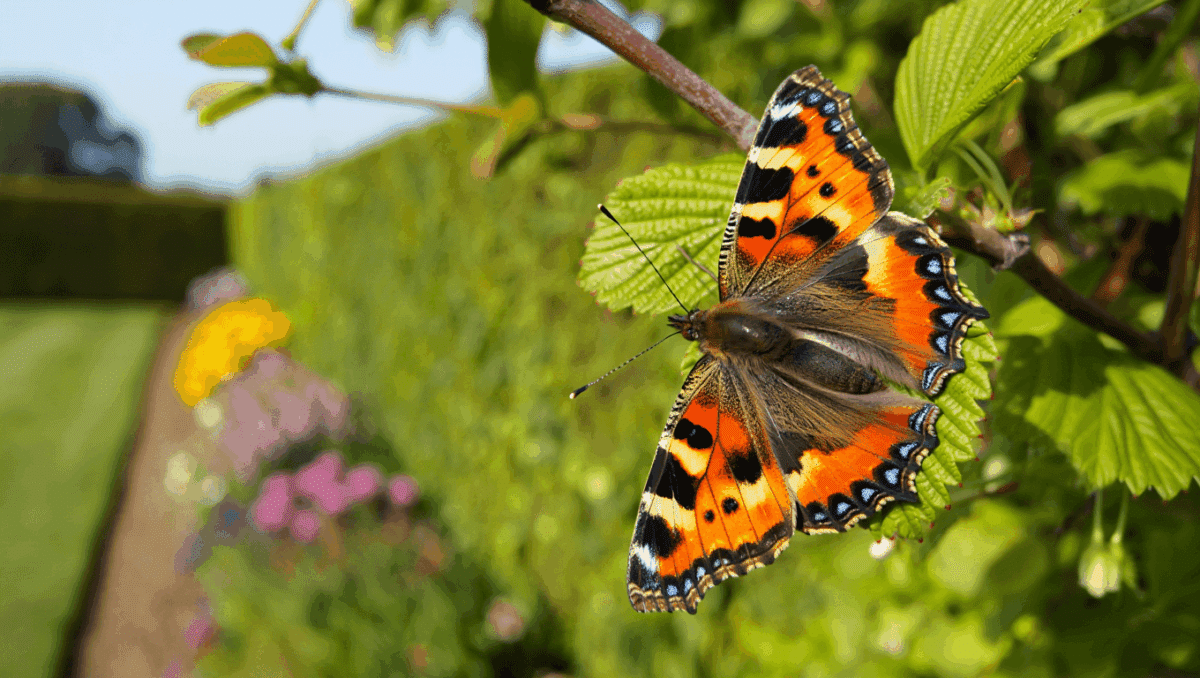
After vanishing from Britain for decades, a large, eye-catching butterfly has quietly re-established itself across parts of southern England. Once wiped out by Dutch elm disease, the large tortoiseshell is now appearing regularly in gardens, hedgerows, and wood edges — enough that conservation groups are calling its return more than a fleeting migration.
Nature-watchers and scientists alike are watching the comeback closely: sightings have multiplied in recent years, wild caterpillars have confirmed local breeding, and records now suggest this striking species may have reclaimed its place among the UK’s resident butterflies.
Where the large tortoiseshell is turning up in England
The Growing Demand for Data-Driven Decision Making in Silicon Valley
He quit, ran out of money, and begged to come back — here’s how his boss reacted
Reports have come from several coastal and inland counties, painting a clear picture of the species’ south-of-England resurgence. Notable locations include:
- Kent
- Dorset
- Isle of Wight
- Sussex
- Hampshire
- Cornwall
These clustered sightings suggest an expanding, stable presence rather than isolated migrants. Butterfly Conservation has treated the trend seriously, assigning the large tortoiseshell the status of the UK’s 60th resident butterfly species as records continue to accumulate.
How researchers moved from curiosity to confirmation of breeding
Initial sightings had tricked observers in the early 2000s — moth-like visitors could be migrants passing through. Scientists needed evidence of local reproduction to declare a true comeback. That turning point came when wild caterpillars were found in Dorset in 2020, a clear sign the species was successfully breeding in the wild again.
Since then, systematic recording and repeated observations across nearby counties have strengthened the case. Experts emphasize that repeated, widespread sightings over multiple seasons are what separate temporary visitors from a recolonizing population.
Why this comeback is significant for conservation and ecology
The large tortoiseshell’s disappearance in the mid-20th century was tied to the ravaging effects of Dutch elm disease, which devastated the tree species its larvae favor. The caterpillars feed on elm leaves but will also use willow, aspen, and poplar. With those host trees impacted, the butterfly’s life cycle was interrupted across large parts of the UK.
Factors helping the return
- Host-tree availability: Remnant and regrown elms, along with willow, aspen, and poplar, provide food for larvae.
- Warmer temperatures: Recent milder summers in Europe have expanded the climatic window where the species can survive and breed at the northern edge of its range.
- Conservation attention: Better monitoring and habitat awareness have improved detection of re-establishing populations.
How you can help document and support the species
Amateur naturalists and garden enthusiasts are playing a key role in mapping the large tortoiseshell’s recovery. Conservation groups encourage people to log sightings to build an accurate picture of the butterfly’s distribution.
- Record observations on citizen-science platforms such as iRecord, including location, date, and a clear photograph where possible.
- Note the habitat (e.g., riverside, woodland edge, garden) and any host trees present like elm, willow, aspen, or poplar.
- Avoid disturbing caterpillars or nests; documentation should be noninvasive.
- Plant or protect suitable host trees and shrubs to support breeding habitat.
Monitoring the recovery and what to watch for
Scientists remain cautiously optimistic. Field staff and volunteers are compiling records season by season to see whether the large tortoiseshell will expand further across the UK. Continued reporting of both adults and caterpillars — especially repeated finds in the same areas — will be key indicators that the species is re-establishing long-term populations.
For now, the steady stream of sightings offers a rare piece of good news for British butterflies: a big, beautiful insect is reclaiming territory lost to disease decades ago, and public involvement is helping turn anecdote into scientific evidence.
You might also like:
- Rare butterfly eggs at record high after hedges allowed to grow wild
- Rare fisher spotted on trail cam in Cleveland area, first seen since 1800s
- Butternut trees resistant to deadly canker mapped by scientists to boost reforestation
- Monarch butterflies get boost from Wisconsin prison conservation program run by inmates
- Snail breeding and reintroduction: scientists launch largest effort to save species thought extinct

Michael Thompson is an experienced journalist covering U.S. and global news. With ten years on the front lines, he breaks down political and economic stories that matter. His precise writing and keen attention to detail help you grasp the real‑world impact of every event.


Man, talk about a comeback story! The large tortoiseshell butterfly aint playing around, making a grand return in England. Natures full of surprises, aint it? Who knew Dutch elm disease would pave the way for these beauties to strut their stuff again?
Man, these tortoiseshell butterflies are like the OGs of English fauna, making a comeback after all the drama with Dutch elm disease. Its like theyre saying, Were back, baby! Conservationists must be throwin a party right now.
I remember chasing butterflies in the garden as a kid. Seeing the tortoiseshell butterfly making a comeback in England after all those years is like a blast from the past! Nature really knows how to surprise us.
Man, I feel you! Natures full of surprises, innit? Its like finding a forgotten song on a playlist. Those butterflies bring back memories of simpler times, right? Its wild how they just bounce back outta nowhere. Makes you wonder what else is hiding in our own backyards, eh?
Man, nature keeps surprising us! Like, these tortoiseshell butterflies making a comeback in England? Thats wild! Its like theyre saying, Were back, baby! Mother Natures got some serious resilience game going on, huh?
I remember chasing butterflies as a kid, hoping one day these colorful critters would make a comeback. Now the tortoiseshell butterflys return to England gives me hope for natures resilience. Mother Natures a real showstopper, aint she?
Oh, mate, I hear ya! Chasing butterflies was the highlight of my childhood too. Seeing those tortoiseshell butterflies back in England is like a natures high-five, innit? Mother Nature sure knows how to put on a show! Just makes you wanna grab some popcorn and watch the magic unfold, dont it?
Man, natures full of surprises! Like, who woulda thought the tortoiseshell butterfly would make a comeback in England? Its like theyre sayin, Were back, yall, and were stronger than ever! Natures own little plot twists, I tell ya.
Man, natures full of surprises! The comeback of the tortoiseshell butterfly in England? Thats like a plot twist in a movie you never saw coming. Guess sometimes, even the underdogs get their time to shine!
I remember chasin butterflies as a kid, now seein these tortoiseshells back in England after all these years is like a nature fairytale. A comeback story thats givin hope for conservation, yknow?