
Show summary Hide summary
- Record egg counts in Carmarthenshire after hedges are left to regenerate
- Why blackthorn hedges matter to the Brown Hairstreak butterfly
- Local partnerships and volunteers drove the turnaround
- How citizen science helped reveal a conservation win
- Practical hedgerow practices that support butterflies and wildlife
- What this means for broader conservation work
Winter surveys in South Wales have delivered an unexpectedly hopeful result for a once-fading butterfly: volunteers are finding far more Brown Hairstreak eggs this season after neighbouring land managers eased back on hedge cutting. The shift in local hedgerow practices has given the elusive species a much-needed boost, renewing optimism among conservationists who have worked for years to protect the insect’s fragile habitat.
Counts carried out around Carmarthenshire show a marked rise in egg numbers on blackthorn hedges, a direct outcome of targeted habitat changes and steady fieldwork from community volunteers and two major local partners.
The Growing Demand for Data-Driven Decision Making in Silicon Valley
He quit, ran out of money, and begged to come back — here’s how his boss reacted
Record egg counts in Carmarthenshire after hedges are left to regenerate
Teams from the nonprofit Butterfly Conservation reported what they describe as the best winter egg tallies on record in the Tywi valley area. The increase is most visible where landowners stopped the annual practice of intense trimming—often called flailing—which used to remove young blackthorn shoots favored by the Brown Hairstreak for laying eggs.
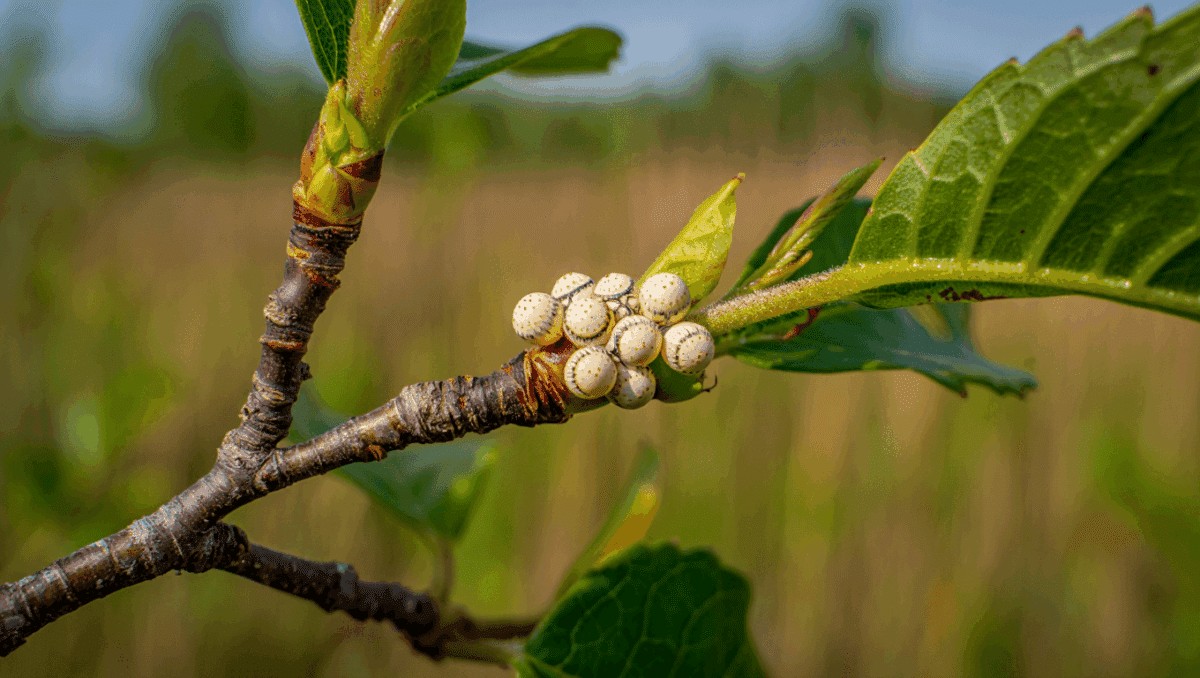
Local volunteer monitors walked miles of hedgerow with magnifiers in hand, and their systematic searches uncovered a significant uptick in the tiny, pale eggs that the species lays on new shoots. On sites protected from yearly flailing, egg numbers rose by roughly 50% compared with previous surveys.
Why blackthorn hedges matter to the Brown Hairstreak butterfly
The Brown Hairstreak has very specific breeding needs. Females deposit eggs on young growth of blackthorn (Prunus spinosa), where the emerging caterpillars will feed in spring. When hedges are trimmed back too often, those young shoots are destroyed, removing the only suitable egg-laying sites.
- Egg placement: Eggs are laid on new blackthorn shoots, not older wood.
- Vulnerability: Frequent cutting eliminates the growth stage the butterflies require.
- Recovery time: Hedgerows allowed to grow for two to three years produce far more suitable habitat.
Local partnerships and volunteers drove the turnaround
The recovery didn’t happen by accident. Two key local partners—the National Trust team at Dinefwr and the South Wales Trunk Road Agency—agreed to change how they manage hedgerows on their lands. They planted more blackthorn and halted annual flailing on selected stretches, creating protected refuges where the Brown Hairstreak could persist and expand.
Richard Smith, a long-time volunteer with Butterfly Conservation, pointed to a tiny remnant population discovered near Llandeilo in 2021 as the catalyst for the monitoring effort. From that foothold, annual egg counts became a priority, and the protected sites quickly showed year-on-year improvement.
How citizen science helped reveal a conservation win
Volunteer effort was central to documenting the change. Winter field teams conducted methodical searches—crouching by hedgerows and scanning branches for the little white eggs—so scientists could compare data across seasons and management regimes. Their repeated counts created the evidence needed to persuade more land managers to try less intensive trimming schedules.
- Regular winter monitoring provided comparable data.
- Consistent effort at the same sites highlighted trends over time.
- Volunteer observations helped shape practical hedge-management advice.
Practical hedgerow practices that support butterflies and wildlife
Conservation leaders say small changes in routine maintenance can have outsized effects for species like the Brown Hairstreak. Rather than stopping hedge management entirely, they urge landowners to adopt gentler schedules that balance safety and accessibility with biodiversity.
Recommended steps landowners can take
- Trim hedges less frequently—once every two to three years where feasible.
- Allow stretches of blackthorn to develop younger shoots by avoiding late-season flailing.
- Plant additional blackthorn to create more egg-laying opportunities and connect isolated patches of habitat.
- Coordinate with local conservation groups to identify priority locations and timing for cutting.
Dan Hoare, Butterfly Conservation’s Director of Nature Recovery, noted that these adjustments help hedges perform better for both wildlife and people. Simple timing changes in hedge cutting can make a dramatic difference to species that depend on specific growth stages of plants for reproduction.
What this means for broader conservation work
Although the Brown Hairstreak remains vulnerable across large parts of its range, the positive results in Carmarthenshire provide a practical model for boosting small, declining populations through partnership and evidence-based management. The combination of planting, protecting key sites, and ongoing volunteer monitoring demonstrates how targeted local action can help reverse declines in specialist species.
You might also like:
- 15-mile mega hedge planted by volunteers links England’s two national parks as wildlife corridor
- Tortoiseshell butterfly recolonizes England decades after Dutch elm disease
- Nightjar populations doubled in 5 years: conservationists hail remarkable comeback
- Oyster reef restoration off Portsmouth becomes England’s largest with 200+ volunteers
- Migratory crab populations in Taiwan double after volunteers build tiny bamboo bridges

Michael Thompson is an experienced journalist covering U.S. and global news. With ten years on the front lines, he breaks down political and economic stories that matter. His precise writing and keen attention to detail help you grasp the real‑world impact of every event.


Man, I remember when everyone used to chop down those hedges without a care. Now look at the comeback those butterfly eggs are making. Maybe letting nature do its thing aint so bad after all.
Dude, totally feel ya on that! Natures like, Hold my beer, and suddenly those hedges are the place to be for butterfly eggs! Who knew, right? Sometimes just gotta sit back and watch the show. Mother Natures the real MVP.
Man, remember when everyone would just chop down hedges without a second thought? Now look at this, record high for butterfly eggs! Natures got its own magic, I guess. Glad folks are starting to pay attention.
Yo, remember the days when folks were hedge-chopping maniacs? Now weve got butterflies laying eggs like its a competition or something! Natures playing its magical cards, no doubt. Its a relief people are finally tuning in. Its like were catching up on Natures secrets, right?
Man, those butterfly eggs be poppin off like crazy! Who knew letting hedges grow wild could do wonders? Natures got its own rhythm, we just gotta let it do its thing. Cool stuff, man.
Man, back when I was a kid, hedges were like highway dividers. Glad to see folks finally getting the memo about letting nature do its thing. Who knew itd be the key to saving those fancy butterfly eggs, huh?
Man, I remember when we used to trim those hedges like it was nothing. Now look at this – butterflies everywhere! Maybe we should let nature do its thing more often, huh? Who knew those hedges were such a hotspot for rare eggs!
I remember when me and me mates used to explore the fields for critters. Good to hear bout them rare butterflies gettin a boost. Maybe we should all let nature do its thing more often, innit?
Man, I remember spotting those Brown Hairstreak butterflies back in the day. Good to hear theyre bouncing back! Maybe we should all let our hedges go a bit wild, eh? Nature knows best sometimes.
Oh man, those Brown Hairstreak butterflies were a sight, werent they? Natures little gems making a comeback! Letting the hedges go wild? Sounds like a plan, mate. Lets give those fluttery friends a cozy spot to chill. Who knew a bit of wild could do wonders, eh? ✨
Man, I remember spotting a Brown Hairstreak once as a kid, thought it was some mystical creature! Good on those volunteers and partnerships for helping these rare butterflies bounce back. Natures doing its thing!
Man, I remember when those hedges were always trimmed to perfection. But now, seeing those butterfly eggs making a comeback in Carmarthenshire, its like natures throwing a wild party and everyones invited! Who knew letting things grow wild could be so cool?
Man, I get what youre saying! Its like Mother Nature decided to let loose and throw the wildest bash in Carmarthenshire. Who wouldve thought those overgrown hedges could be so trendy, right? Its like the whole neighborhoods getting a nature makeover. Maybe we should all invite some caterpillars to our next garden party!
Man, I remember when folks used to trim those hedges all neat and tidy. Now, they let em run wild, and whaddaya know? Butterfly eggs everywhere! Natures got its own funky way of showin us how to live right.
Man, I remember when everyone would just mow down those hedges without a second thought. Now look at those butterfly eggs thriving! Maybe we should all just let nature do its thing more often, huh?