

Show summary Hide summary
The new statutory code from the Equality and Human Rights Commission has forced a spotlight onto a fraught question: why do many newsrooms seem to treat men who wish to use women’s restrooms as a story that demands sympathy rather than scrutiny? Across several high-profile broadcasts this week, the tone of coverage tilted toward emotional testimony and activist framing, while the practical legal realities and the perspectives of women using single-sex spaces were often sidelined.
From phone-ins to studio interviews, a pattern emerged where trans-identifying callers and guests were repeatedly given the floor without parallel time for voices advocating for sex-based protections. That imbalance didn’t just shape the narrative; it shaped what audiences were invited to believe about rights, safety, and the law.
What the new EHRC guidance actually says and why it matters
The Growing Demand for Data-Driven Decision Making in Silicon Valley
He quit, ran out of money, and begged to come back — here’s how his boss reacted
The code, issued after a Supreme Court decision clarified that the terms “woman” and “female” in equality law refer to biological sex, tells service providers they may lawfully operate single-sex facilities based on biological sex. In practice, this means businesses and public bodies can exclude people on the basis of sex from sex-segregated spaces such as women’s restrooms, changing rooms and other intimate facilities.
Where available, the guidance also recognizes gender-neutral options. But the headline sensation has not been legal nuance — it has been how the media frames who is harmed and who is protected.
How broadcasters treated the story: examples from airwaves
Coverage across multiple stations showed common themes: emotive anecdotes were amplified, legal clarifications were sometimes blurred, and women’s objections to male presence in female spaces were often characterized as intolerant or alarmist. Below are several representative broadcasts from the week.
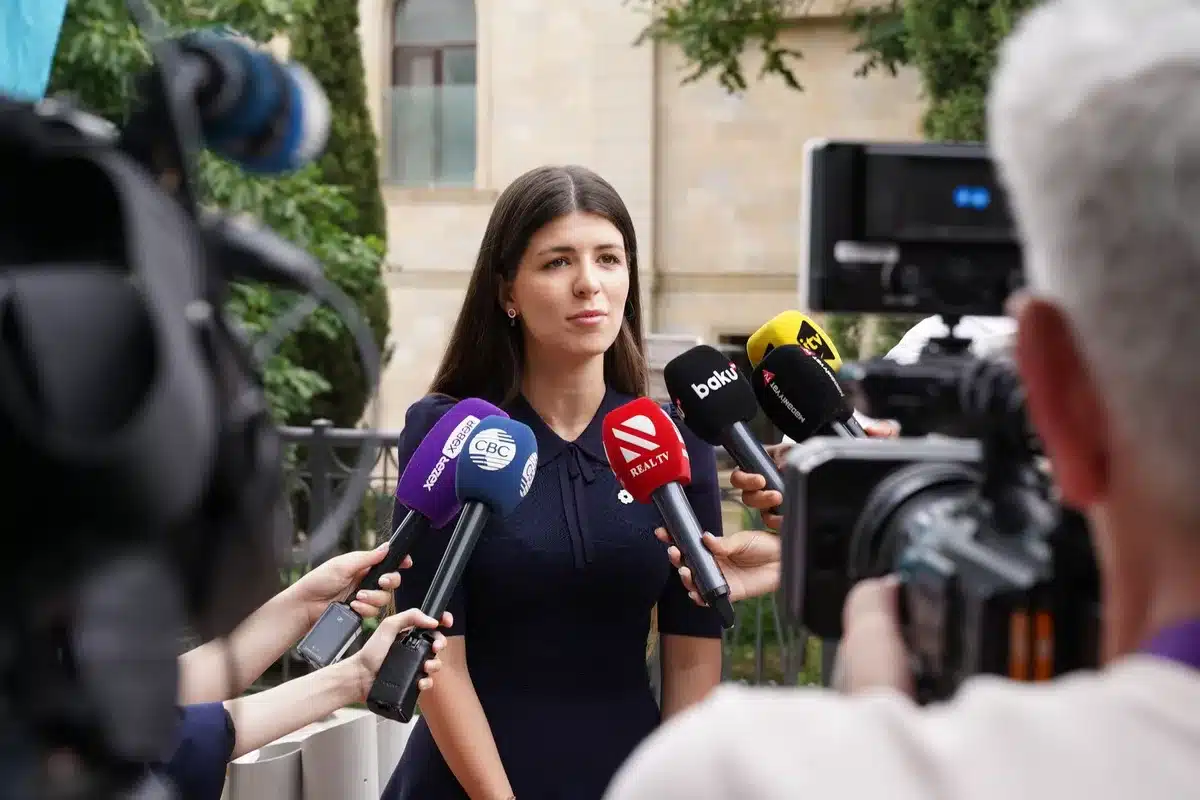
LBC and James O’Brien: emotion over balance
- Listeners tuning in to LBC heard repeated personal testimonies about distress, with callers describing scenarios meant to evoke sympathy. There was little visible effort to put those claims against the legal framework or to include women speaking from the perspective of sex-based rights.
- One caller described a humiliating experience outside a public restroom — a dramatic anecdote that implied the code had left some people with nowhere to go. Yet the program did not press on why alternative options, such as using a restroom corresponding to biological sex or a gender-neutral facility, might be available.
- Journalistic responsibility requires probing extraordinary claims; on this occasion, tough follow-up questions were sparse.
BBC Radio 4’s Today: framing the debate as a clash
When the EHRC chair explained the legal position, presenters framed the conversation as an “angry debate” between women’s rights and trans rights. That setup implied a deadlock and foregrounded alarm from LGBT advocates claiming services would be withdrawn — allegations that were frequently aired without robust challenge.
Channel 4 and Channel 5: personal stories with little pushback
- Channel 4 broadcast the account of a person who identifies as a woman and said they felt unsafe in men’s restrooms but enjoyed interacting with women in female facilities. The interview did not include a woman who objected to a male presence, leaving an important counterpoint unaddressed.
- On Channel 5, Jeremy Vine opened by explaining that single-sex spaces should be used according to biological sex. Yet the segment soon shifted as guests suggested legal protections like gender reassignment might allow different outcomes — a reading that does not align with how the law treats access to opposite-sex facilities.
- One guest later photographed and posted themselves using the women’s restroom after the show, presenting the action as proof that nothing harmful occurred. That act was framed as civil disobedience rather than a reluctant necessity.
Hosts who asked the right questions — rare moments
There were exceptions. Certain presenters pushed back and asked women-centered questions that had been otherwise absent from the airwaves. When a presenter directly asked why single-sex spaces matter to women, the exchange revealed how seldom that basic question was posed across coverage that day.
Patterns in coverage: why sympathetic narratives dominate
Several forces help explain why broadcasters often lean toward compassionate portrayals of trans-identifying people at the expense of robust critique.

- Fear of being labeled intolerant: Reporters may avoid tough questions because they fear accusations of transphobia or personal attacks, which can chill normal journalistic inquiry.
- The authority of lived experience: First-person testimony from trans-identifying contributors is frequently treated as unassailable evidence. While lived experience is important, it should not automatically exempt anyone from factual checking or challenge.
- Editorial framing: Producers and guests can set the agenda so that sympathetic narratives crowd out other perspectives, particularly those that emphasize sex-based protections.
- Emotional storytelling: Vivid anecdotes — such as claims of public humiliation or calls about “having to urinate in the street” — attract listeners but also simplify complex legal and policy realities.
What was often left out of the conversation
Across programs, certain critical points received little airtime:
- Clear explanations of how the law interprets protected characteristics and the limits of gender-reassignment protections when it comes to opposite-sex facilities.
- Voices of women who feel threatened or uncomfortable sharing intimate spaces with males, and why they consider sex-segregation a safety measure.
- Independent scrutiny of claims presented as inevitable harms — for example, whether the new guidance truly produces the dire consequences described by some callers.
How journalists can re-balance reporting on single-sex spaces
Moving from activism-style coverage to investigative reporting would involve simple but often-neglected practices:
- Ask straightforward, persistent questions of all witnesses, regardless of identity, and verify claims with independent evidence.
- Include a breadth of affected voices in proportional measure — not privileging one group’s testimony by default.
- Distinguish legal fact from personal feeling on air, and correct inaccuracies promptly when they appear.
When reporters shrink from scrutiny, audiences lose the full picture. Treating people’s accounts as sacrosanct undercuts journalism’s role as a forum for testing assertions and weighing competing rights.
Janet Murray is a freelance journalist and director of SEEN in Journalism
You might also like:
- Sandie Peggie: NHS accused of persecution
- Bridget Phillipson faces backlash for putting trans activism above the law
- Trans rights debate with TERFs continues as clashes intensify
- Supreme Court trans ruling defied by civil servants
- Andy Burnham’s phony feminism under scrutiny

Robert Johnson is a dedicated columnist focusing on political and social debates. With twelve years in editorial writing, he provides nuanced, well‑argued perspectives. His commentaries invite you to form your own views and engage in critical issues.


I remember when protests were all about sitting in circles, singing Kumbaya. Now, its all loud chants and banners. Oh, how times have changed! But hey, at least theyre getting folks talking, right?
Oh, I hear ya! Remember the good ol days when all we needed was a campfire and some marshmallows for a protest? Now its all about the loud energy and eye-catching banners. But, youre right, at least theyre sparking conversations and shaking things up, right? Gotta give em that! Whats your take on where all this is heading?
Mate, these protests are like a rollercoaster ride. One day youre cheering, the next youre like, Wait, whats happening now? Keep the popcorn ready, cause this debate aint slowing down anytime soon!
Man, these activists are like the energizer bunnies of protests, aint they? Gotta give it to em, they sure know how to keep the convo going. Wonder if well see some real change poppin out from all this noise.
Man, these protests got me thinking. Its like a clash of titans, you know? Activists vs. public opinion, rights vs. tradition. Whos gonna win this round? *grabs popcorn*
Dude, its like a reality show playing out in the streets, right? Will the underdogs rise or will the old-school mentality prevail? Pass me some of that popcorn, Im all in for the drama!
Man, these protests really stir the pot, dont they? Its like a never-ending rollercoaster of opinions and emotions. Cant say Im bored, though – its like watching a real-life drama unfold in front of us.
Man, these protests got me all riled up! Cant decide if its a bold move or a bit much. But hey, at least its shaking things up, making people think. Gotta admit, its got guts.
Man, these protests got everyone talkin. Reminds me of that time we debated vegan sausage rolls at the family dinner. Wild stuff. But hey, its cool to see folks standin up for what they believe in, right?
Man, these protests got me thinkin. Like, where do we draw the line between activism and disruption, ya know? Its a fine balance, and one misstep can turn the whole debate into a circus. Lets keep it real, folks.
Man, these protests from trans activists got everyone talking! Some folks support em, others call it too much. Whats your take on the whole shebang? Me? Im just here for the popcorn!
Man, these protests got folks all riled up! Reminds me of that time I accidentally wore mismatched socks to school and caused a mini-uproar. But hey, if it gets people talking about rights and all, maybe its worth it in the end.
Dang, protests stirring up more drama than a soap opera, huh? Haha, I feel you on the mismatched socks uproar – who knew socks could cause such chaos, right? But, hey, if it gets folks chatting and thinking about important stuff, then maybe its not all bad. Gotta love a bit of unexpected sock-induced controversy in life.
I mean, aint it always a rollercoaster with these protests? Cant deny theyre making waves, but could they tone it down a notch? Lets see where this debates headed next… *grabs popcorn*
Man, these protests got everyone fired up! Its like a real-life drama unfolding, but with serious stakes. Wonder if well see some common ground or if its gonna keep heating up. Time to grab the popcorn!
Man, these protests got my grandma talking! Shes all like, Back in my day… and then shed launch into this whole thing. But I gotta admit, its good to see folks stand up for what they believe in, even if its a bit in-your-face.
Man, these protests are like a never-ending rollercoaster of drama! Its like watching a reality show but with higher stakes. Wonder if all this back-and-forth actually helps the cause or just adds more fuel to the fire.
Man, these protests be like fireworks in a library – loud, colorful, and dang controversial! Its like watching a ping pong match between rights and sensitivities, with everyone batting their arguments. Wonder if well ever reach a middle ground?
Man, these protests got the whole town buzzin! Cant decide if its pure passion or just stirrin the pot. Either way, its like a reality show on the streets! Cant look away.