
Show summary Hide summary
- How one stand-up altered a fight and fueled public outrage
- Who actually pays referees and why that matters for decision-making
- Where refereeing mistakes crop up most often
- What experts and fighters are saying about accountability
- Balancing entertainment pressure with rule enforcement
- Transparency and communication as tools to rebuild trust
- Moving from criticism to constructive reform
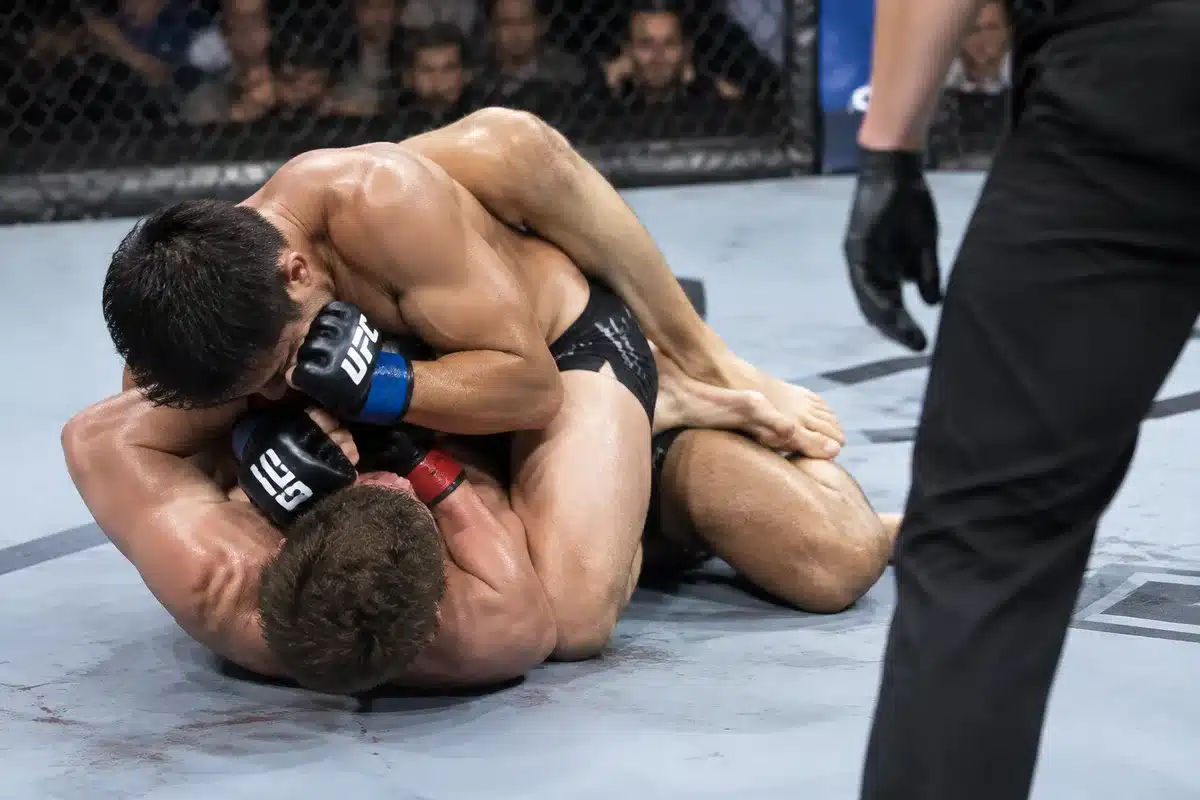
The image of Renato Moicano on top, locked in a body triangle and working steadily toward control, replayed across social feeds this week — until referee Dan Miragliotta abruptly ordered a stand-up and the momentum vanished. Minutes later, Tom Nolan secured the finish. The stoppage sparked hot debate, left Moicano with a disputed loss and a reduced purse, and reopened a broader conversation about accountability and standards for UFC refereeing.
The controversy is not just about one decision. It’s about whether the system that governs referees — from pay and oversight to training and discipline — is strong enough to prevent costly mistakes. Fans, fighters and former officials are asking tough questions: when a call changes the outcome of a fight, should there be measurable consequences for the official who made it?
How one stand-up altered a fight and fueled public outrage
The Growing Demand for Data-Driven Decision Making in Silicon Valley
He quit, ran out of money, and begged to come back — here’s how his boss reacted
Onlookers argue the Miragliotta stand-up changed the natural flow of that matchup. What looked like a methodical, top-control sequence — a legal body triangle that limited Nolan’s mobility — was interrupted by an enforced stand-up. The reversal shifted positional advantage and momentum, and in the eyes of many, altered the fight’s result.
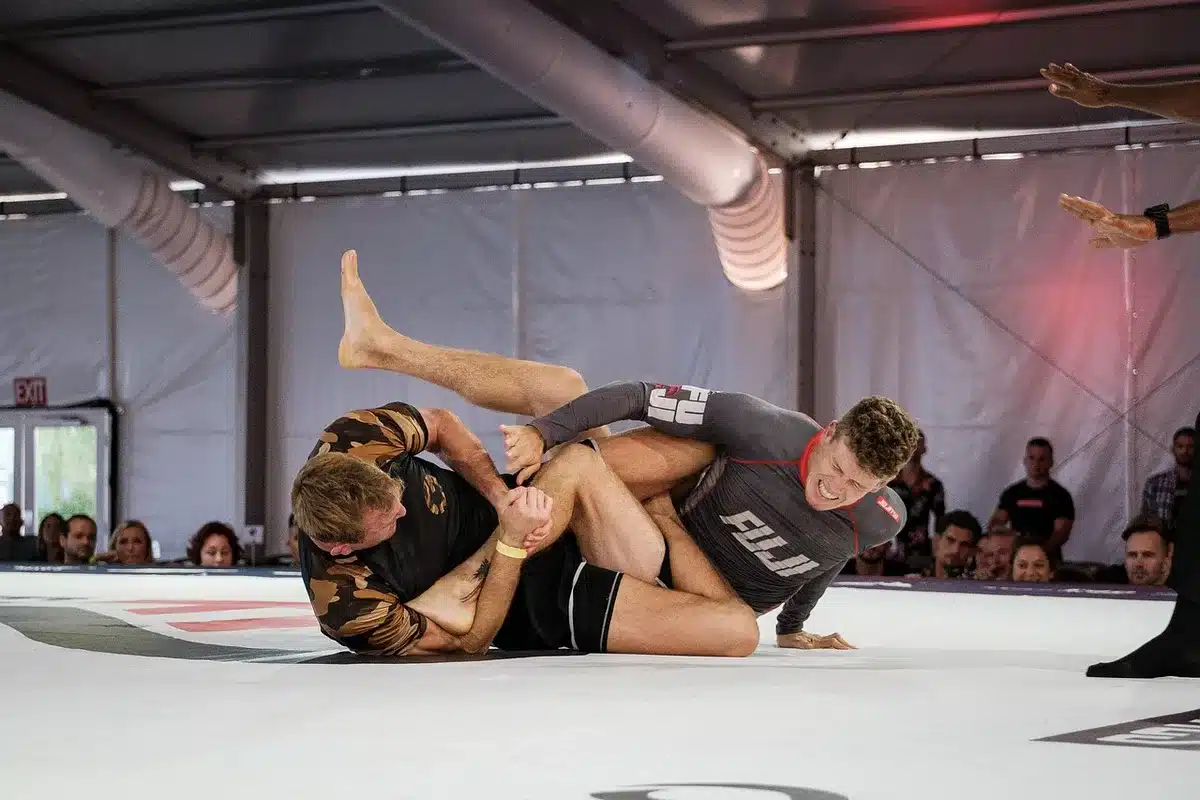
Fans and commentators pointed out the downstream impact: a competitive loss for Moicano, millions of eyes on a controversial call, and a debate over whether the referee’s intervention was justified or avoidable.
Who actually pays referees and why that matters for decision-making
There’s a common misconception that the UFC directly employs referees. In practice, most officials are contracted and compensated through state Athletic Commissions. That distinction matters when scrutinizing incentives and accountability.

Veteran referee John “Big John” McCarthy has suggested pay levels and the commissioner-referee relationship can affect performance. Industry reports and public comments indicate a typical event fee for officials falls in the low thousands — figures often cited around $1,600 to $2,000 per event. Whether that amount is adequate to attract, retain and properly train top-level officials is a recurring question.
Where refereeing mistakes crop up most often
- Late or delayed stoppages, which risk fighter safety.
- Early stoppages that deny a fighter a chance to recover.
- Questionable stand-ups that disrupt legal grappling positions.
- Missed fouls — strikes to the back of the head, illegal knees, or intentional eye pokes.
Those errors are often chalked up to human judgment calls, but critics say repeated or high-impact mistakes require systemic responses beyond repeated explanations that “referees are human.”
What experts and fighters are saying about accountability
High-profile voices in MMA have been vocal. McCarthy, a longtime standard-bearer for officiating, criticized the decision publicly and implied the call exceeded proper referee scope. Former champions and commentators like Daniel Cormier and Aljamain Sterling joined the chorus, calling for clearer standards and faster institutional responses when mistakes materially affect outcomes.
The consensus among many insiders: occasional errors are inevitable, but recurring patterns of poor judgment deserve review, retraining or disciplinary actions to protect fighters and the sport’s integrity.
Practical steps commissions and promotions could take
- Establish a transparent error-review board that publicly documents mistakes and outcomes.
- Implement mandatory retraining and performance audits for referees after serious incidents.
- Introduce graduated penalties for repeated errors, ranging from fines to temporary suspensions.
- Improve compensation and benefits to help recruit experienced officials and reduce turnover.
- Use technology selectively — video review for critical moments, clearer protocols for stand-ups, and centralized guidance on positioning and stoppage criteria.
Balancing entertainment pressure with rule enforcement
MMA’s growth into mainstream entertainment creates a tension: fights that keep audiences engaged often reward action, but officials are charged with enforcing rules, not shaping spectacle. Some critics worry that an underlying bias toward “getting the fight back to striking” can lead to premature or unnecessary stand-ups of legal grappling exchanges. Others point to lapses in awareness — missed strikes, unclear stoppage timing — as training and attentional problems rather than intentional choices.
Ultimately, referees must protect fighters first and audience excitement second, even when split-second judgment calls carry heavy consequences for careers and paydays.
Transparency and communication as tools to rebuild trust
Fans and fighters are calling for clearer communication when controversial calls happen. That could mean public explanations from the commission, routine post-fight breakdowns by neutral officiating panels, and the publication of an official’s performance record.
Transparency would also help answer another key question: what happens when a mistake costs a fighter money or ranking? Without visible processes for redress or review, resentment grows and trust in officiating erodes.
Moving from criticism to constructive reform
There is broad agreement that mistakes will occur — the debate centers on how the sport responds. Stronger oversight, fair compensation, structured training, and clear, consistent discipline for recurring errors are common-sense reforms being floated by practitioners and pundits alike.
Whether commissions and promotion leadership will adopt these changes remains to be seen, but the Moicano-Nolan episode has made one thing clear: the stakes of refereeing errors go far beyond a single decision, and many in the MMA community want meaningful steps taken to reduce the risk of repeats.
You might also like:
- MMA officiating under fire after controversial decisions at UFC Baku
- WNBA Stars Lead Charge for Officiating Reform: Calls for Change Escalate
- Anthony Joshua knocks out Jake Paul in baffling boxing match
- Alice Pereira lands knockout of the year contender at UFC Vegas 115
- Anthony Joshua’s knockout of Jake Paul signals major shift in boxing

John Davis is a sports journalist focused on the NBA, NFL, and major global championships. With seven years of live coverage, he breaks down performances and key strategies. His expertise gives you a clear view of every game and its impact.

