
Show summary Hide summary
- Promises vs. Presence: Who the new party actually speaks for
- Factional fights and a fractious opening weekend
- Foreign policy and the Gaza focus: A source of both unity and division
- Where Britain’s working class stands in today’s party landscape
- Organizational choices that narrowed the appeal
- Signs that the party could still pivot — if it chooses
- Questions the new party must answer publicly
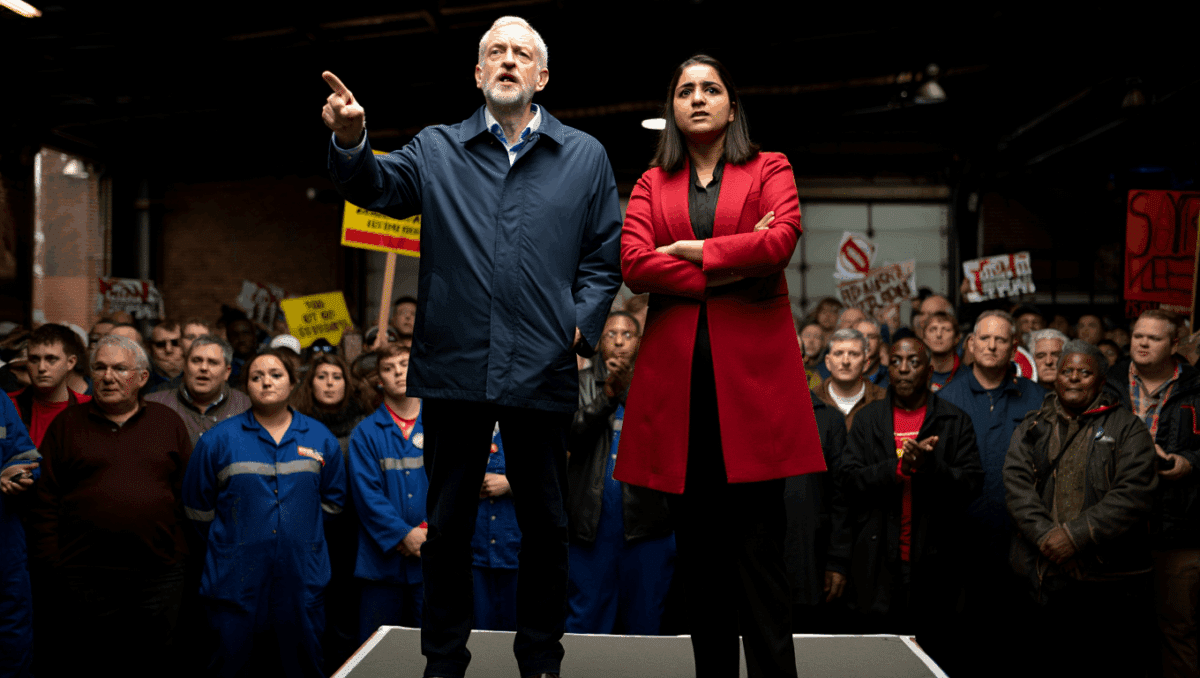
The launch of a new left-wing formation led by Jeremy Corbyn and Zarah Sultana arrived with fanfare and big promises: a party that would reclaim politics for Britain’s industrial towns and forgotten workers. But the debut gathering in Liverpool quickly revealed a different reality — one dominated by internal disputes and culture-war priorities that left the core issue of working-class decline largely unaddressed.
Rather than a clear political roadmap for communities experiencing long-term economic pain, the conference became a battleground over membership, identity politics, and foreign policy postures. For people who have watched factories close, wages stagnate, and local services shrink, the event raised a simple question: is this movement built for them, or does it speak to a narrower political tribe?
Promises vs. Presence: Who the new party actually speaks for
The organizers billed the new formation as a voice for the deindustrialized communities of Britain. In practice, however, the people most affected by decades of factory closures and austerity — shop workers, manual laborers, and those on shrinking local incomes — were almost invisible at the event.
The Growing Demand for Data-Driven Decision Making in Silicon Valley
He quit, ran out of money, and begged to come back — here’s how his boss reacted
Many attendees were activists, political veterans, and organizers from existing left-wing groups. The program emphasized contentious issues like trans rights and a hardline approach to Israel, while detailed, practical programs for rebuilding local economies, improving workplace training, or reversing declining public services were thin on the ground.
Gaps between rhetoric and reality
- Talk of representing the “working class” was frequent, but concrete policies targeted at everyday economic insecurity were scarce.
- Delegates and speakers appeared more focused on identity and factional disputes than on industrial revival or labor market reform.
- There was an absence of voices from the very communities the party claims to champion — no factory floors, no union shop stewards, few frontline service workers.
Factional fights and a fractious opening weekend
Instead of presenting a united front, the conference opened amid arguments over membership eligibility and internal governance. Several delegates reportedly found their invitations rescinded at short notice, apparently because of affiliations with other organized left groups. That procedural conflict set the tone for a weekend marked by distrust and blame-casting.
On stage and off, the energy that might have been channeled into policy development spilled into internecine disputes. At one point, old interruptive rivalries surfaced, with activists questioning each other’s commitments and credentials rather than outlining pragmatic steps to win over disaffected communities.
When identity politics dominated the agenda
Speeches frequently shifted away from concrete economic proposals toward personal identity claims. Speakers prioritized their pronouns, neurodiversity status, and mental-health narratives. While these topics matter for inclusion and representation, their prominence at a founding conference left many observers wondering whether the new party understands the political priorities of those suffering the most from economic decline.
The result was a disconnect: the public face of the party focused on culture and identity, while the material struggles of the working class — job insecurity, life expectancy gaps, housing shortages — were sidelined.
Foreign policy and the Gaza focus: A source of both unity and division
The party’s stance on Israel and Palestine became another polarizing theme. Anti-Israel positions animated certain sections of the conference and drew vocal responses from rival left factions. Rather than coalescing into a single, coherent foreign policy position, debates over how to frame the party’s international outlook exposed ideological fault lines.
These disputes suggested that, for many delegates, foreign policy identity is a primary signifier of political authenticity — sometimes more important than bread-and-butter domestic reforms that affect daily life in industrial towns.
Where Britain’s working class stands in today’s party landscape
Most mainstream parties no longer present themselves as natural homes for traditional labor communities. Over time:
- The Labour Party has shifted toward professionals and middle-class liberals, losing some of its old industrial base.
- Green and niche parties focus on environmental or progressive social issues that don’t always translate into industrial or regional economic plans.
- Conservative and Liberal Democrat platforms appeal less to deindustrialized towns, while newer parties like Reform UK are unpredictable on class equality.
This fragmentation leaves a political gap: people living in post-industrial towns need policies that restore secure employment, local investment, and community institutions. Yet the new party’s early signals do not convincingly prioritize those needs.
Organizational choices that narrowed the appeal
Several decisions made during the build-up to the conference appear to have steered the movement away from broad-based working-class outreach.
- Expelling or excluding activists linked to other left groups created a gatekeeping culture that turned potential allies into critics.
- Emphasizing divisive cultural topics over tactical coalition-building limited opportunities to connect with labor unions and community organizers.
- Failing to spotlight or elevate leaders from industrial communities made the party seem disconnected from those it claims to represent.
What delegates prioritized over practical policy
– Identity representation (pronouns, neurodiversity, mental health narratives)
– Internal purity debates and membership policing
– International stances that fractured rather than unified attendees
Signs that the party could still pivot — if it chooses
Despite the rocky debut, the movement is not without assets. Corbyn’s name recognition and Sultana’s youth and energy give the party visibility. There are also longstanding nationwide grievances — stagnant wages, housing shortages, NHS pressures — that could form the basis of a voter-facing program if translated into clear, actionable policies.
To broaden appeal, any credible left formation would need to:
- Engage directly with unions, trade groups, and workplace reps in post-industrial regions.
- Center policy development around job creation, vocational training, local investment, and public-service recovery.
- Invite and amplify voices from the factory floor, care workers, and town centers rather than treating identity politics as its main organizing principle.
Organizing beyond the conference hall
Politics that matters to deindustrialized communities usually grows from local campaigns: rehabbing housing stock, bringing back manufacturing niches, and rebuilding civic trust. The Liverpool gathering showed energy and commitment, but it also demonstrated that rhetoric without structure and local outreach will struggle to win hearts and votes.
The visible absence of ordinary working people at the podium and on the platform sent a clear message: symbolic declarations alone won’t rebuild communities that have been economically hollowed out over decades.
Questions the new party must answer publicly
- How will it translate broad slogans into specific economic policies that benefit towns with shuttered factories?
- Will it actively recruit and elevate local labor leaders and community organizers?
- Can it reconcile strong positions on identity and international issues with a program that addresses housing, healthcare, and secure employment?
The Liverpool conference made one thing clear: a political vehicle aiming to represent Britain’s working class needs more than symbolic leadership and cultural signaling. It will need concrete plans, grassroots engagement, and an inclusive approach that genuinely prioritizes material improvement in places hit hardest by industrial decline.
You might also like:
- Hannah Spencer (Greens) accused of abandoning working-class voters
- Labour party loathed by English working-class voters: why and what it means
- Your Party conference: funniest political spectacle in years
- Reform party now undisputed choice of the working class
- England protests spread nationwide as public revolt grows over government policy

Robert Johnson is a dedicated columnist focusing on political and social debates. With twelve years in editorial writing, he provides nuanced, well‑argued perspectives. His commentaries invite you to form your own views and engage in critical issues.


Ya know, its like theyre playin musical chairs up there, but the music never stops for us workin folks. Promises sound good, but actions speak louder. Time for some real change, not just talk.
I remember when they said theyd fight for us, but here we are, same old story. Promises empty as my wallet after rent day. Partys lost touch with the working folks, plain and simple.
Man, I remember when they promised to bring change, represent the working class! Now all I see is the same old suits. Dont they get it? We need real voices, not just empty words.
Man, these politicians keep yappin about representin the working class. But when the bills hit, where they at? Just a buncha empty promises, playin us like fiddles. We need real talk, not just lip service.
Man, I remember when they promised the moon and stars to the working class. But where are they now? Just a bunch of suits playing politics. Real folks need real representation, not just empty words.
You know, its like that time Uncle Bob promised hed fix the leaky sink but ended up watching TV all day. Your party talks big for the working class, but wheres the real deal? Show, dont tell.
I remember my dad saying, Working class will never be represented by your party, kid. Now I see the same old game, promises vs. presence. Same script, different actors. Whos really talking our talk?
I remember my grandpa always saying, Promises vs. Presence, kid. He worked hard, but no party ever got his struggles. Factional fights wont change that. The working class needs actions, not just words.
Man, your grandpa sounds like a wise dude. Promises vs. Presence – thats some deep stuff right there. Actions do speak louder than words, especially for the working class. Wonder what hed say about all the turmoil going on these days. Bet hed drop some truth bombs for sure.
Man, I remember when they said theyd fight for the working class. Now its all fancy suits and empty promises. Aint no real folk in that party, just a bunch of suits playing pretend.
Man, I totally feel ya. Used to think they were all about the people, yknow, the real folks hustlin. Now its just a bunch of fancy suits throwin around those empty words like confetti. Where did the grit go, huh? Its like theyre playin dress-up in a boardroom instead of walkin the walk. Aint foolin us, thats for sure.
Man, they keep saying they got our back, but where were they when we needed em? Promises vs. Presence, huh? Actions speak louder than words. Fractional fights? More like theyre all fightin over who forgot about us first.
Man, I hear ya. Promises are like confetti at a parade – flashy but disappear when the wind blows. Its like they handed us an umbrella when the sun was shining, then vanished when it rained. Actions, real actions, thats the currency that counts. So, wheres the real squad at when the chips are down? The whole fractional fights scene sounds like a bunch of kids squabbling over who gets the last slice of pizza. Cant blame ya for feeling forgotten in the shuffle.
Man, these parties always claim they got the back of the working class, but do they really? Promises vs. presence, talk is cheap! Gotta see some real action to believe it. Show us the money!
Man, I hear ya! They talk the talk but wheres the walk? Its all about show me the money these days. Actions speak louder than words, right? Lets see some real change, not just empty promises!
My grandpa worked the factory floor, busted his back for crumbs. Your party? Just pretty words, empty promises. The working class aint in your lexicon, its in the streets, fighting for scraps.
Man, I remember when they promised change for the working class. But now? Empty words, empty chairs. The new party talks big, but whos listening? The real struggles go unnoticed. #WakeUpAndSmellTheCoffee
Mate, Ive seen it all. Promises vs. Presence? Nah, mate. The working class? Never in your partys agenda. Factional fights, identity politics – all talk, no walk. The real folk are still waiting for a voice.
Man, these politicians keep yappin bout representin the workin class, but its just lip service. Real folks deal with bills, wages, and struggles. Show us actions, not just words!
Man, same ol story – promises of representing the working class, but when it comes down to it, its all talk and no walk. People need real change, not just empty words. Show us actions, not just presence!
Man, the working class will never vibe with your party. All those promises sound like a broken record. Its all about presence, not just empty words. Factional fights? Nah, we need unity.
Hey, Ive seen it all before. Promises vs. Presence? Your party talks the talk, but when will they walk the walk for the working class? Factional fights and empty rhetoric wont cut it. Show us real change.