
Show summary Hide summary
- What actually happens on screen: manipulation, secrets, and escalation
- Why looks and chemistry change how we judge characters
- When equal culpability becomes a storytelling device
- What the cast says about red flags and audience complicity
- The darker message: how entertainment normalizes dangerous dynamics
- Why that matters for viewers and for storytelling
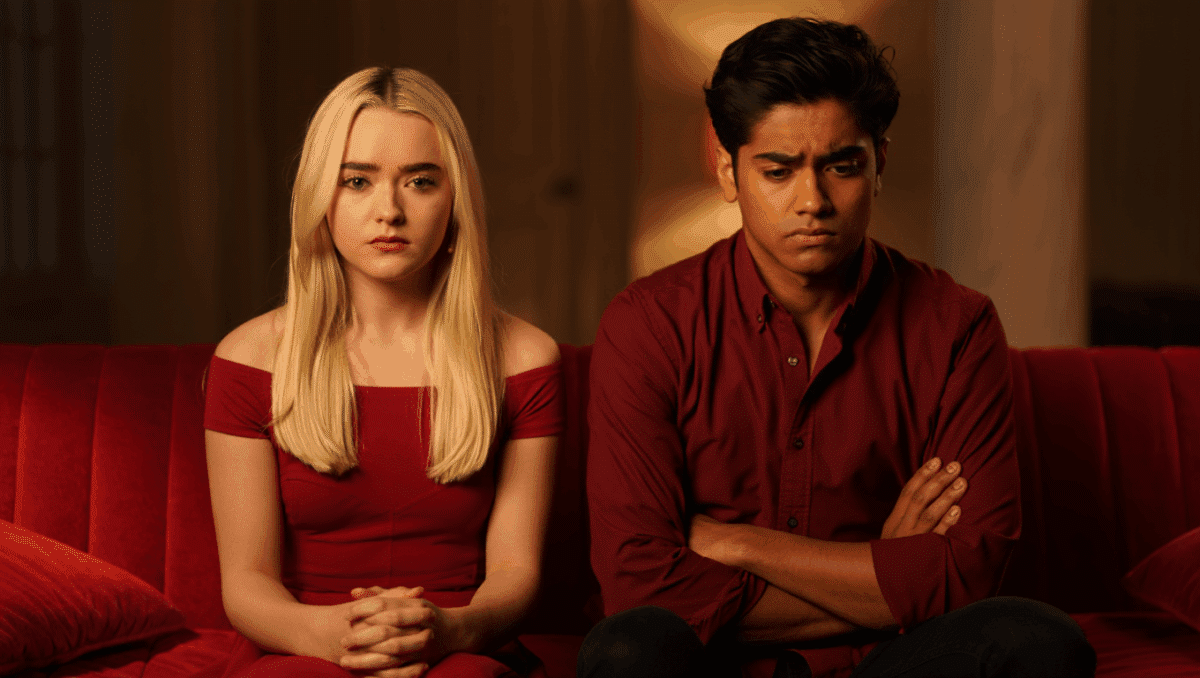
From the first unsettling reveal to the final, morally messy moments, 56 Days pushes viewers into an awkward place: we’re asked to watch people do unforgivable things and still feel pulled toward their story. Dove Cameron, who plays Ciara, acknowledges that tension — she knows the characters display obvious warning signs, and she also knows audiences often find ways to forgive what they shouldn’t.
This Amazon Prime Video drama layers manipulation, secrets, and undeniable chemistry to create a strange emotional gravity. What begins as a calculated act of revenge becomes a tangled partnership that the show presents not as punishment or redemption, but as a willful choice. That moral ambiguity is exactly the point, and it’s the reason conversation around the series refuses to let go.
What actually happens on screen: manipulation, secrets, and escalation
The Growing Demand for Data-Driven Decision Making in Silicon Valley
He quit, ran out of money, and begged to come back — here’s how his boss reacted
The plot of 56 Days pivots around a deliberate setup: Ciara doesn’t stumble upon Oliver by chance. She stalks him, collects images and notes, and engineers their meeting with a clear purpose. That level of premeditation reads as manipulation by any standard, and the series doesn’t hide it.
As episodes unfold, both leads reveal crimes and compromises that make them difficult to defend in the abstract:
- Ciara’s campaign of revenge collapses into something else — attachment or a conscious decision to stay — and she crosses a line by eliminating a threat to protect Oliver.
- Oliver carries a hidden past that’s been used to control him: a youthful transgression that was buried and weaponized by an abusive authority figure.
Neither character earns a tidy redemption arc. The show finishes with them together, raising a child while in hiding — not because justice was served, but because they chose one another. That endpoint forces viewers to weigh what they’re willing to accept from characters who have harmed others.
Why looks and chemistry change how we judge characters
There’s a recurring tactic the series relies on: the camera lingers on the leads at key moments, inviting the audience to feel the heat of the scene rather than catalog the harm. When two attractive actors share a charged shot, our moral alarm bells can soften. It’s a cinematic shortcut that can make troubling behavior feel cinematic rather than criminal.
Actors and critics have noticed the dynamic: while the ethical reaction should be consistent, attraction often blurs it. This is not presented as a moral failing on a single viewer’s part so much as a shared, predictable human response.
How that effect works
- Empathy via intimacy: close-ups and private exchanges create a sense of closeness that invites empathy for the characters.
- The “both are damaged” balance: when neither person is cast solely as victim or villain, audiences often stop trying to assign blame.
- Aesthetic appeal: good looks and chemistry can unconsciously shift perceptions of culpability.
When equal culpability becomes a storytelling device
The moment both protagonists appear compromised — each with their own dark choices — the story fences off the usual moral frameworks. Instead of pinning blame, viewers are nudged into an uneasy neutrality. That “level playing field” can paradoxically make the relationship feel more authentic to some: if both are broken, they must understand one another.
This is the show’s sleight of hand: mutual imperfection becomes permission to root for the pair, even as those same flaws would be unforgivable in another context. The narrative invites a collapse of judgment, and many viewers comply because the emotional pull is strong.
What the cast says about red flags and audience complicity
The actors speak to that friction without dressing it up as something virtuous. Cameron points out that viewers “shouldn’t” excuse the warning signs, but she also recognizes the reality that audiences will — especially once the characters’ faults balance out. Her co-star reiterates a similar idea: the existence of red flags doesn’t always negate the appearance of connection.
In other words, the performers acknowledge that the series isn’t trying to teach a clear moral lesson. Instead, it examines what happens when a story makes us want to believe in a love that’s entangled with deception and violence.
The darker message: how entertainment normalizes dangerous dynamics
At its most uncomfortable, 56 Days forces viewers to confront their own tendency to prioritize feeling over accountability. The show illuminates a pattern many of us recognize in media and sometimes in life: attractive people with chemistry can make harmful behavior feel forgivable.
- We say we want to spot red flags, but we also gravitate toward compelling drama that complicates our moral clarity.
- The narrative asks whether two flawed people can build something real, and whether “real” can exist without consequences.
- The end result is not exoneration but a depiction of choice: characters opting for each other despite the damage they’ve caused.
Why that matters for viewers and for storytelling
Because 56 Days refuses to resolve its moral questions, it forces active engagement rather than passive consumption. The series doesn’t let you off the hook by turning wrongdoing into a teachable moment with tidy remorse. It simply shows how easily audiences can be pulled into complicity when a story frames corruption as intimacy.
If you’re watching for plot twists, the show delivers; if you’re watching for ethics, it’s a more complicated mirror. And if you’re wondering where to stream it, 56 Days is available on Prime Video.
You might also like:
- Margot Robbie on Wuthering Heights: why Cathy and Isabella are fighting
- Every Year After: Matt Cornett and Sadie Soverall on the art of longing
- Mercedes Ron’s Culpa tuya trilogy sparks Fault: London adaptation with Asha Banks, Matthew Broome
- People we meet on vacation: Emily Bader and Tom Blyth want men to yearn more
- Sterling K. Brown & Ernest Kingsley Jr.: Joyful Rebellion Takes Over Washington Black

David Miller is an entertainment expert with a passion for film, music, and series. With eight years in cultural criticism, he takes you behind the scenes of productions and studios. His energetic style guides you to the next big releases and trending sensations.


Man, that shows a rollercoaster! Dove and Avan nailed those messed-up characters. The manipulation, secrets, and chemistry? *Chefs kiss* Its like watching a train wreck in slow-mo, you cant look away!
I swear, these characters are more messed up than my last breakup! Dove and Avan really bring the drama! Its like a rollercoaster of manipulation and secrets, and Im here for every second of it. Cant wait to see where this wild ride takes us!
Man, Dove and Avan really brought the drama in that series! Their characters are a whole mess, but thats what makes it so addicting to watch. Cant get enough of the manipulation and secrets on screen!
Man, Dove and Avan really brought the drama in that show! Their characters are so complex, messed up in a way that keeps you hooked. Its like a train wreck you cant look away from, yknow? So juicy!
Man, Dove Cameron and Avan Jogia are bringing the drama on Amazon Prime Video! Their characters sound like a real hot mess. Cant wait to see the manipulation, secrets, and escalation unfold on screen. Sounds like a wild ride!
Man, Dove Cameron and Avan Jogia really bring the messed-up vibes! Their chemistry, the manipulation on screen, its intense. Makes you question whats real, whats a lie. Cant wait to see how their characters evolve.
Man, watching Dove Cameron and Avan Jogia on Amazon Prime Video was a rollercoaster! Their messed-up characters had me hooked. Its wild how looks and chemistry can totally flip how we see em. Did you notice that too?
Man, those characters are twisted, like a pretzel in a tornado. Dove and Avan really dive deep into that messed-up vibe. Makes me wonder, whos the real villain here? Love me some complex storytelling!
I remember watching that show, man, Dove Cameron and Avan Jogia really killed it with their messed-up characters. Cant help but love the drama when its done right, you know? Its like a guilty pleasure you cant resist.
Man, totally feel ya on that! Dove Cameron and Avan Jogia really brought the heat with those messed-up characters. When dramas done right, its like a delicious guilty pleasure you just cant quit, am I right? Got me hooked too! What other shows give you that same thrill, dude?
Man, Dove Cameron and Avan Jogia are killin it in that series, right? Their messed-up characters bring such depth. Cant wait to see the manipulation and secrets unfold! Love me some juicy drama on Amazon Prime Video.
Man, Dove and Avan really nailed those messed-up characters! The manipulation, secrets, and escalation had me hooked. Their chemistry is fire, changes how you see it all. Equal culpability? Such a juicy storytelling move!
Oof, totally feeling you on that! Dove, Avan, and Man really brought the drama to life, right? Their vibe was so intense, you just couldnt look away. And that twist with the equal blame? Now thats what I call a wild ride! Who knew messed-up characters could be this addictive, huh?
Man, these characters are a whole mess, right? Dove Cameron and Avan Jogia really nailed the complexity. Its like a rollercoaster of manipulation and secrets. Cant help but get hooked on that twisted dynamic!