
Show summary Hide summary
- What unfolded on stage at the BAFTAs and why it mattered
- Editorial choices: how the broadcast amplified harm
- Understanding Tourette’s, coprolalia, and involuntary speech
- The racial and historical weight behind the reaction
- Social media fallout: outrage, misinformation, and ableism
- Voices from the community and industry reactions
- Institutional failures and what responsible broadcasters should change
- How advocates want the conversation to move forward
- Update from John Davidson and responses from the night
The 2026 BAFTAs were meant to be a night of recognition — a celebration of bold films, breakthrough performances, and stories that push culture forward. Instead, an involuntary outburst captured on the broadcast upended the evening and ignited a fierce debate online about race, disability, and editorial responsibility.
What followed was not only hurt and confusion in the auditorium, but a viral controversy that has since been debated in reductive terms across social media. Below is a reexamination of the facts, the context around Tourette’s and coprolalia, the responses from institutions and industry figures, and the questions this episode raises about how major broadcasters handle sensitive moments.
What unfolded on stage at the BAFTAs and why it mattered
The Growing Demand for Data-Driven Decision Making in Silicon Valley
He quit, ran out of money, and begged to come back — here’s how his boss reacted
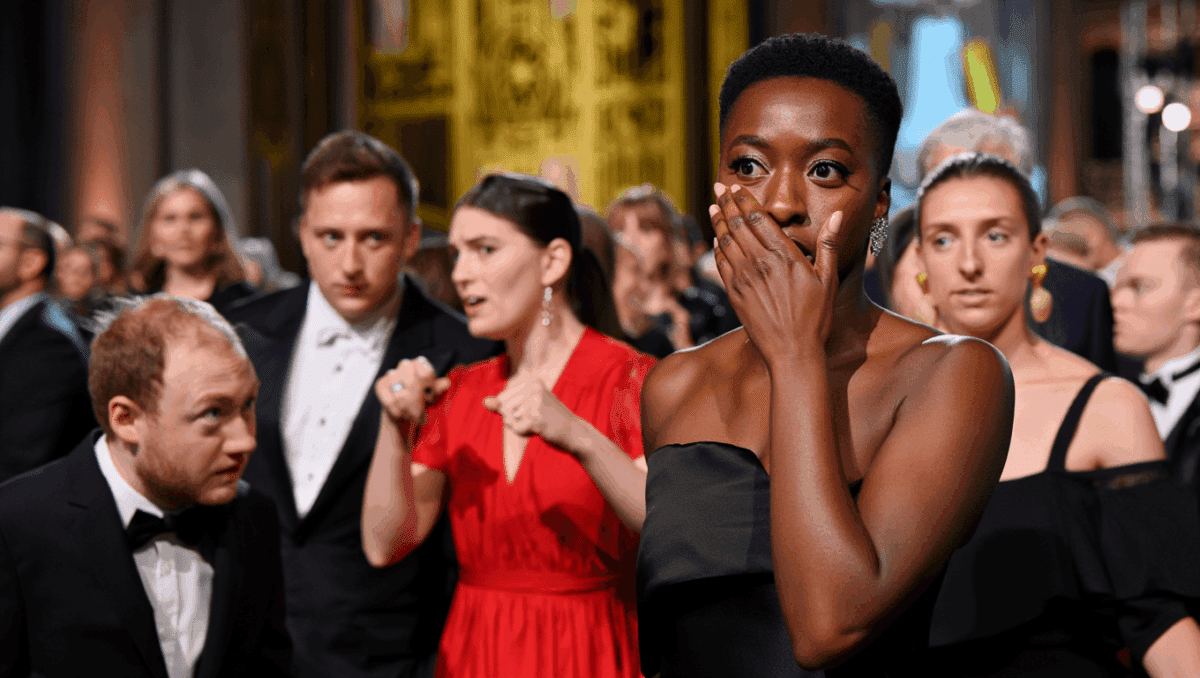
During the ceremony, while Michael B. Jordan and Delroy Lindo presented an award, a loud involuntary vocal tic from John Davidson — a campaigner whose story features in the film I Swear — was picked up on the live broadcast. The audible outburst included a racial slur, and the moment landed with immediate shock in the auditorium and among viewers at home. Host Alan Cumming later explained to the audience that the tics were involuntary and related to Tourette’s syndrome.
Quick timeline
- BAFTAs ceremony took place and was recorded before broadcast.
- An involuntary tic from a guest was captured and aired during the livestream.
- Presenters visibly reacted, then continued the program.
- The BBC issued an apology after the clip circulated widely online.
The visceral impact of the moment was heightened by the evening’s context: films and creators addressing Black experience and racism were being honored, including the acclaimed Ryan Coogler–associated Sinners and the documentary I Swear, which centers on lived experience with Tourette’s. That made the sudden use of a racial slur — even if involuntary — especially painful for Black artists, nominees, and viewers.
Editorial choices: how the broadcast amplified harm
The ceremony had been filmed roughly two hours before it aired, meaning producers had an opportunity to edit content. Critics argue the decision to leave the clip intact was a clear editorial lapse. The BBC later apologized, saying the segment should have been removed and would be taken down from iPlayer versions.
That explanation left many questions unanswered: Why was this snippet not muted or cut, when the program was edited for time? Why were certain political references trimmed from other speeches while this damaging moment made it to air? The combination of selective editing and the wide circulation of the clip on social platforms intensified the fallout for the presenters and the guest whose tic was broadcast.
Understanding Tourette’s, coprolalia, and involuntary speech
Tourette’s syndrome is a neurological condition that can include motor and vocal tics. A minority of people with Tourette’s experience coprolalia, which causes involuntary utterances of words or phrases that the person does not intend to say. Medical professionals and advocates stress that these tics are not under conscious control.
- Tics can be unpredictable and are often worsened by stress or overstimulation.
- Coprolalia is rare but widely misunderstood; hearing it in public can shock audiences who don’t know the diagnosis.
- People with Tourette’s can experience shame, anxiety, and fear of misinterpretation in social settings.
According to reporting, BAFTA had informed some guests in advance about Davidson’s condition. Multiple sources also noted other involuntary outbursts from Davidson during the evening. Disability advocates point out that framing these incidents as deliberate or malicious is both medically inaccurate and socially harmful.
The racial and historical weight behind the reaction
Even when a slur is spoken involuntarily, it does not come without social consequences. The word at the center of this episode carries a long history of oppression and violence against Black people. Many audience members and presenters felt that the moment reintroduced that trauma into a space meant to honor work confronting racism.
Context matters: Sinners, the film represented onstage, directly deals with America’s racial history. That made the incident feel especially jarring to those connected to the film and to Black viewers more broadly. People asked: who was responsible for protecting the dignity of Black artists in that moment, and why wasn’t more care taken when the broadcast went out?
Social media fallout: outrage, misinformation, and ableism
The clip spread quickly across platforms, and with it came a wave of hot takes — many of them simplistic or hostile. Some commenters dismissed the medical explanation, accused the guest of intent, or demanded he be banned. High-profile responses on social sites added fuel to the fire and sometimes blurred the line between reasonable anger and dehumanizing attacks.
Disability advocates warned that these reactions risk setting a dangerous precedent: policing the public presence of disabled people rather than addressing institutional responsibilities. When public discussion reduces a complex situation to a single moral judgment, it often produces unfair outcomes for the most vulnerable.
Voices from the community and industry reactions
Artists and advocates offered a range of responses that emphasized nuance and context. Some Black disabled commentators pushed back against the idea that tics can be controlled, calling for compassion alongside legitimate outrage at racial harm. Production designer Hannah Beachler described feeling offended and hurt, noting that the apology on air — framed as “if you were offended” — felt inadequate and dismissive to those targeted.
- Some disability advocates urged education over condemnation.
- Cultural figures and nominees expressed disappointment with how the situation was handled backstage and on air.
- Calls emerged for BAFTA and the BBC to explain their editorial criteria and to improve safeguarding and aftercare.
Institutional failures and what responsible broadcasters should change
The episode exposed gaps in planning, risk assessment, and post-incident support. Broadcasters and award organizers have a duty to consider how live or pre-recorded content might affect participants, particularly when disabilities or sensitive subject matter are involved.
Practical steps organizations can take include:
- Clear protocols for handling involuntary speech or distress in recorded material.
- Sensitivity editing rules that prioritize reducing harm when possible.
- Onsite and post-event support for anyone affected, including private check-ins and public communications that acknowledge harm directly.
- Transparent explanations about editorial decisions and how they will be reviewed.
Accountability matters: Many observers argued that an institutional change in how clips are curated and how aftercare is delivered would do more to repair harm than asking individuals to shoulder the burden of apology.
How advocates want the conversation to move forward
Disabled and Black community leaders who weighed in urged a dual approach: hold space for the real pain caused by racist language while resisting impulses to punish individuals for neurologically driven behavior. They called for better public education about Tourette’s and for media outlets to recognize the racial dynamics that shape how involuntary behaviors are perceived and policed.
Content creators and cultural institutions were also reminded of the role of art in prompting hard discussions. Films like I Swear exist to expand public understanding; advocates suggested that media organizations should learn from those works rather than undermine their lessons by mishandling sensitive moments.
Update from John Davidson and responses from the night
Following the controversy, John Davidson issued a public statement expressing remorse for anyone hurt by his involuntary tics and stressing that his behavior was not a reflection of his beliefs. He said he appreciated the announcement made to the auditorium about his condition and felt welcomed in many moments of the evening, while also acknowledging his distress over how the incidents were perceived.
Industry figures and commentators continue to press for clearer editorial standards and more thoughtful public conversation so that future events can honor both artistic achievement and human dignity without turning complex situations into simplistic headlines.
You might also like:
- Tom Slater BBC interview says telling the truth isn’t racist
- BAFTAs n-word row ignites debate over woke cruelty
- Sophia Bush delivers message to white women
- Amanda Batula: casual cruelty on Summer House and what it reveals
- BBC accused of biased coverage of Trump

David Miller is an entertainment expert with a passion for film, music, and series. With eight years in cultural criticism, he takes you behind the scenes of productions and studios. His energetic style guides you to the next big releases and trending sensations.


Man, its like some folks are living in the stone age when it comes to diversity and inclusion. BAFTAs and BBC need a wake-up call. Representation matters, period. Time to listen up and do better.
Representation matters, no doubt. Its high time these big shots like BAFTAs and BBC catch up with the times, right? The worlds spinning forward, folks, dont get left in the dust. Time to kick things up a notch and embrace diversity like its 2021, not the Stone Age!
Man, the BAFTAs and BBC better get their act together. Black and disabled folks aint taking no more snubs. Its 2021, not the Stone Age! Time to give credit where its due. Lets see some real change, people!
Man, BAFTAs and BBC messin up big time. Black and disabled folks aint standin for those snubs. Time for these big shots to listen up and give credit where its due. Smh.
Man, the BAFTAs and BBC really messed up this time. Black and disabled folks feeling left out? Thats a big no-no. Cant just sweep inclusivity under the red carpet. Time for some serious change, people!
Mate, the BAFTAs and BBC really dropped the ball on this one. Black and disabled talent deserve more recognition. Its not that hard, innit? Time to listen up and do better, no more excuses!
Man, the BAFTAs and BBC dropped the ball big time. Black and disabled folks deserve better recognition. Time to step up and make things right. No more excuses, just action. Lets see some real change!
Man, the BAFTAs messed up big time. Black and disabled folks deserve better recognition. Hope they learn and do better next time. Representation matters, folks! Time to step up.
Man, BAFTAs really dropped the ball, huh? Its like theyve got blinders on when it comes to recognizing black and disabled talent. Hope they wake up and smell the representation coffee next time. People are watching, BAFTAs, time to step up your game!
Man, the BAFTAs and BBC really missed the mark with those alleged snubs. Black and disabled folks are tired of being sidelined. Time for some real change in the industry, not just empty gestures.
Man, the BAFTAs and BBC really dropped the ball, huh? Black and disabled folks getting snubbed left and right. How do they keep messing this up? Time to listen and do better, for real.
Man, feels like a broken record with these award shows. Black and disabled talent keep getting sidelined. When will the powers that be finally wake up and give credit where its due? Time for real change.
Man, BBC and BAFTAs really stepped in it this time! Black and disabled folks feelin snubbed left and right. Gotta do better at representin all voices, yknow? Time to listen up and make some changes, pronto!
Man, the BAFTAs and BBC really missed the mark this time. Black and disabled folks deserve recognition, not snubs. Time for these institutions to step up and do better. Its 2023, for crying out loud!
Man, the BAFTAs and BBC really missed the mark with Black and disabled representation. Its like theyre stuck in the dark ages. Time to step up, folks! Diversity isnt just a buzzword, its a reality. Lets see some real change!
Man, the BAFTAs and BBC really missed the mark this time. Black and disabled creators deserve recognition. Its not just about ticking boxes, its about real inclusion and celebrating diverse talent. Time for them to step up!
Man, the BAFTAs and BBC mess up again? Its like theyre stuck in a time warp, ignoring vital voices. Black and disabled talent deserve recognition, not snubbing. Time for some serious reflection, folks.
Man, its like they dont even see us. Black and disabled folks still gettin snubbed? BAFTAs and BBC need a reality check. Time to step up and show some respect, yall.
Yo, for real! Its like theyre living in a whole different universe, ignoring the struggles of black and disabled peeps. BAFTAs and BBC, were watching you! Time to wake up and give some well-deserved props, aint that right? Lets see some respect, finally.
Man, the BAFTAs and BBC really dropped the ball, huh? Black and disabled folks deserve recognition, not snubs. Time to step up and do better, media giants! Lets see some real change!
Man, cant believe BAFTAs and BBC dropped the ball like that. Black and disabled talent getting snubbed? Not cool. Time for those media giants to wake up and start giving credit where its due. Lets see some real change, no more excuses!
Man, the BAFTAs and BBC need to get their act together. Black and disabled folks deserve recognition, not snubs. Its 2022, come on, show some respect and representation! Time to shake things up, yall.
For real, its like theyre stuck in a time warp or somethin. Black and disabled talent out here killin it, and still gettin snubbed? Come on, BAFTAs and BBC, step up your game in 2022! Representation matters, folks! Its about time to shake things up and show some respect to all these amazing artists.