
Show summary Hide summary
- How Milo senses the arena: touch, pressure and sharpened hearing
- The rider behind the reins: Megan Share’s role in Milo’s comeback
- From early ribbons to top-tier ambitions: Milo’s competition record
- Why Milo’s journey matters: public response and wider implications
- Practical lessons from a blind dressage champion in training
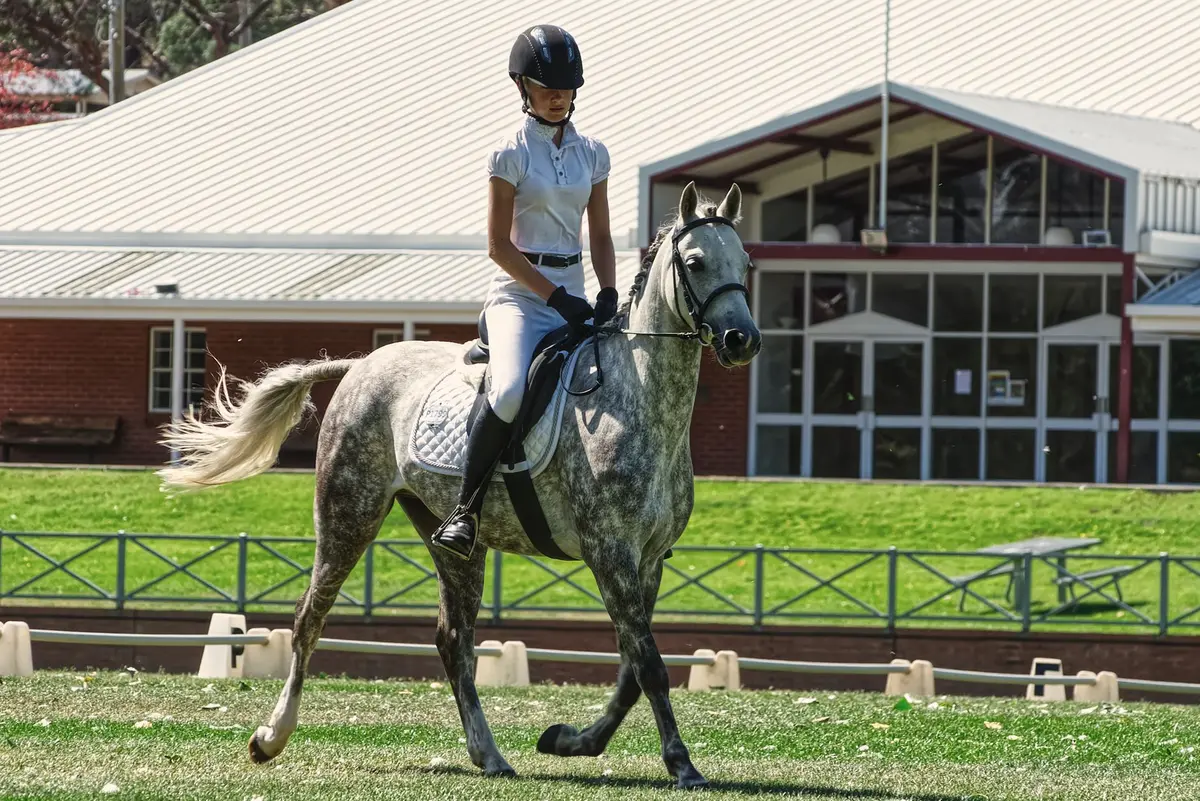
When Milo walks into the dressage ring, spectators do a double take. The 15-year-old Appaloosa moves with the precision and calm of a horse many times his years—yet he navigates the arena without sight, relying on an unusual blend of touch, sound and the quiet communication he shares with his rider.
Milo’s story is as much about adaptation as it is about competitive grit. After losing vision in both eyes to a severe condition, the 16-hand gelding and his rider, 28-year-old Megan Share, developed an inventive system—what Megan calls a kind of equine “braille”—that lets Milo compete again at top regional shows and aim for national qualifiers.
How Milo senses the arena: touch, pressure and sharpened hearing
The secret to Milo’s success isn’t one gimmick but a layered language of cues. Rather than relying on sight, he reads the ground beneath his hooves, feels subtle pressure from Megan’s legs and hands, and listens intently to the sounds around him. Over time, his other senses have sharpened to compensate.
The Growing Demand for Data-Driven Decision Making in Silicon Valley
He quit, ran out of money, and begged to come back — here’s how his boss reacted
Milo learns the arena the way a person reads braille—through touch and texture underfoot combined with steady, intentional cues from his rider.
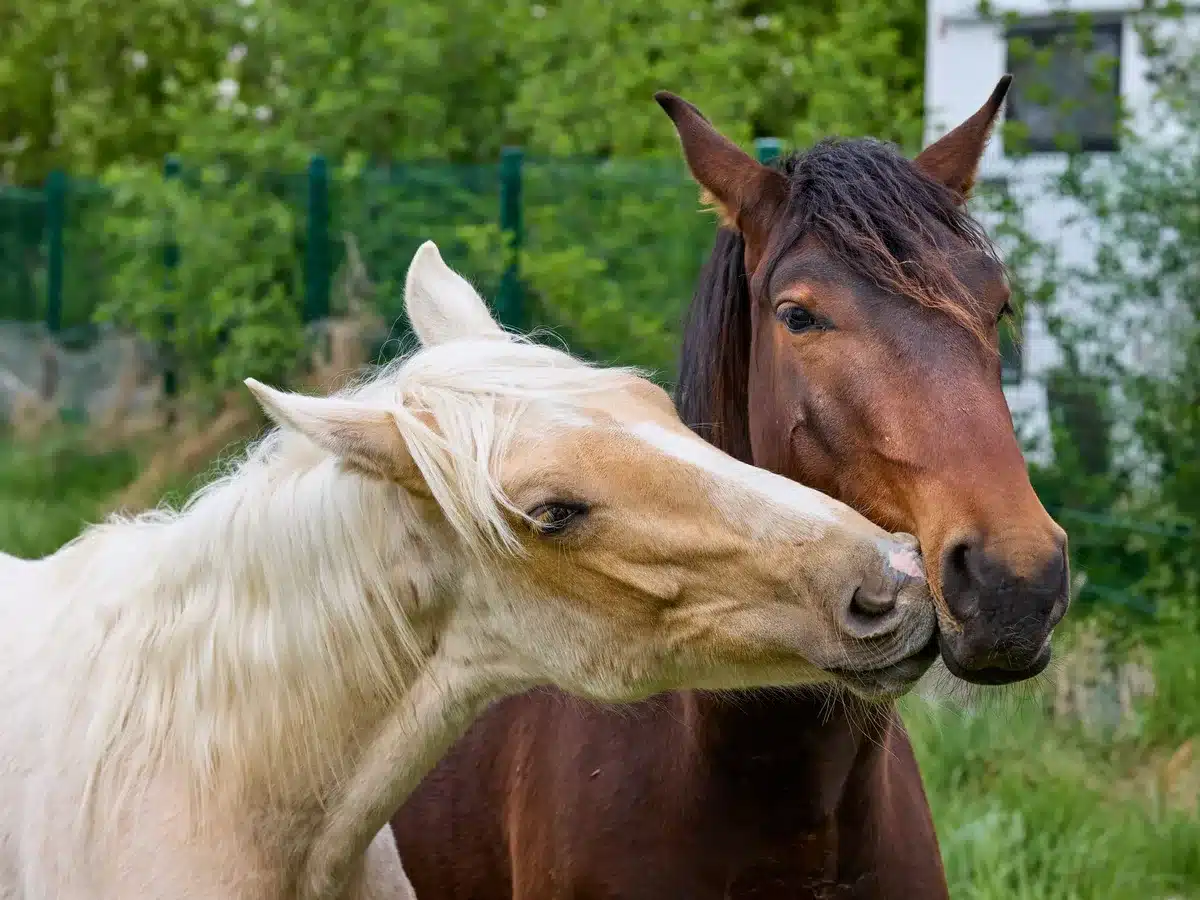
Key elements of Milo’s navigation
- Hoof feedback: Milo uses the feel of different surfaces to judge space and direction.
- Rider pressure: Megan’s leg and hand aids give precise guidance, including firmer rein cues when necessary.
- Heightened hearing: With sight gone, Milo reacts faster to auditory signals and environmental changes.
- Verbal communication: Constant talk and consistent commands help orient him in unfamiliar settings.
Megan describes the dynamic as a close partnership: she provides the consistent instructions, and Milo responds by trusting those signals. The relationship requires her to be continuously aware of the surroundings and to anticipate what Milo needs—an approach that demands both physical and mental stamina.
The rider behind the reins: Megan Share’s role in Milo’s comeback
Megan has owned Milo since he was three and she was a teenager. They trained and competed for years from their base in rural Worcestershire, England, developing a bond that made the transition after vision loss possible. After a period of rest and recovery—Megan didn’t ride him for over a year after the blindness became permanent—they worked through retraining and confidence-building before returning to competition.
“I became his eyes,” Megan explains, emphasizing how the pair adapted their routines. She increased the clarity and frequency of her aids and stayed consistently close to Milo’s pace and mood so he could rely on her judgment in the ring.
Training a blind dressage horse changes the mental load for the rider. Megan says she must be more alert than with a sighted mount—reading the environment, adjusting pressure, and always preparing for the next movement. That attentiveness can be tiring, but it has also tightened their connection and improved their performance.
From early ribbons to top-tier ambitions: Milo’s competition record
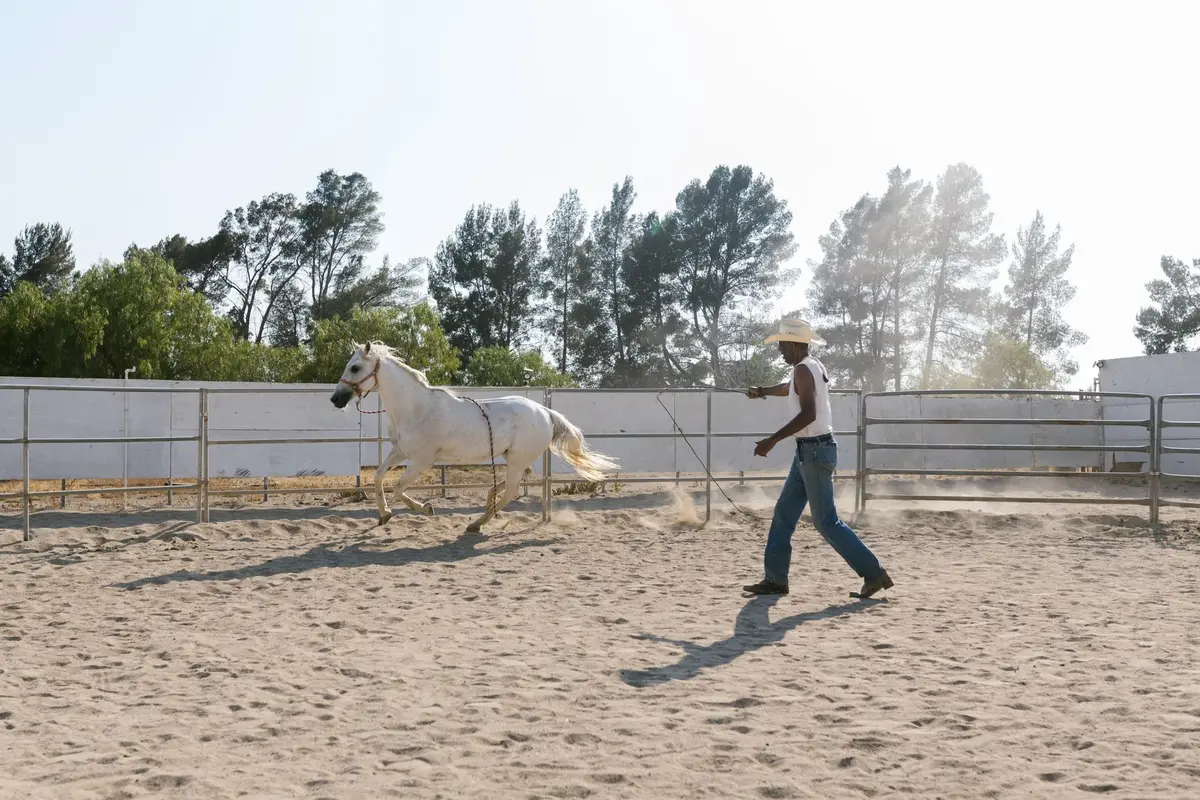
Milo took to dressage early, showing a natural aptitude for the sport’s precise, ballet-like movements. The pair began competing when he was only four and went on to collect numerous ribbons over the years. Even after losing his sight at 13, Milo continued to place—most notably at the Royal Windsor Horse Show, where he has been a consistent winner.
Before his blindness, the pair did as many as a dozen shows a year. After a careful comeback period, they returned to the circuit and are now planning a busy calendar:
- Local Appaloosa show
- Denbigh and Flint Show in August
- Qualifiers for the Horse of the Year Show
- London International qualifiers
Megan and Milo are aiming to compete alongside sighted horses at elite events, underscoring how adaptive training and trust can level the playing field.
Why Milo’s journey matters: public response and wider implications
Audiences and fellow competitors are often stunned when they learn Milo is blind. His story raises questions about the limits of equine sport, the capabilities of animals to adapt, and how riders can modify their teaching methods to support horses with disabilities.
- Inspiration: Milo shows that disability doesn’t automatically end athletic potential.
- Training methods: The techniques used with Milo could inform work with other horses losing sight or recovering from injury.
- Awareness: Judges, organizers and fellow riders are being reminded to consider alternative approaches to competition entries and support.
Milo’s heightened alertness and the trust he places in Megan are part of what makes them an exceptional pair. People who watch them perform routinely express surprise and admiration, and Megan says she’s proud of how far they’ve come.
Practical lessons from a blind dressage champion in training
For riders, trainers and equine professionals, Milo’s comeback offers concrete takeaways:
- Consistency in aids and voice commands is essential.
- Allow extended downtime and confidence-building before reintroducing a horse to competition.
- Use tactile feedback—surfaces, rein pressure and leg aids—as core navigation tools.
- Monitor the horse’s emotional state closely; trust must be rebuilt gradually.
As Milo and Megan head toward upcoming shows and national qualifiers, their work together is watched closely by a community eager to see how adaptable training and deep partnership can reshape expectations in the sport.
You might also like:
- Rescue foal learns to play instruments, makes album debut after music sessions
- Chinese year of the fire horse: balancing chaos with bold action
- Motorcyclist reunites with strangers who lifted 3,300-lb car off his body
- Katseye teases new era, hopes to collaborate with Ariana Grande
- Dallas blind pitmaster cooks brisket by touch and smell

Michael Thompson is an experienced journalist covering U.S. and global news. With ten years on the front lines, he breaks down political and economic stories that matter. His precise writing and keen attention to detail help you grasp the real‑world impact of every event.


Man, Milo the horse is like the real-life superhero of the equestrian world! Using equine braille for dressage? Thats some next-level connection between horse and rider. Truly awe-inspiring how theyve overcome challenges and triumphed in competitions.
Man, Milo the dressage horse aint playing games! Using equine Braille to win competitions? Thats some next-level bond between horse and rider. Megan Share and Milo are killin it out there! #EquineBrailleAllTheWay
Man, Milo the dressage horse is like the equine version of a superhero! Using braille to nail those moves? Thats some next-level talent and trust between horse and rider. Cant help but root for this dynamic duo!
Man, horses never cease to amaze me! Imagine a blind dressage horse acing competitions using equine braille. Thats some next-level bond between Milo and Megan Share. Talk about inspiring teamwork!
Man, Milo the dressage horse is taking it to the next level with that equine braille! Its like watching a real-life superhero in action. Who knew horses could be so darn smart and talented? Hats off to Milo and Megan for their incredible teamwork!
Man, Milos got skills! Imagine using equine braille to nail those dressage moves. Thats some next-level bond between horse and rider. Megan and Milo are out there breaking barriers like pros!
Man, Milos like a superhero in the dressage world! Equine braille? That’s some next-level partnership. Megan and Milo are unstoppable. Who needs sight when youve got trust and talent like theirs?
Man, this Milo is somethin else! Who wouldve thought a blind dressage horse could slay competitions using equine braille? Talk about defying the odds and inspiring us all to push boundaries. Props to Megan Share and the whole team for making magic happen in the arena!
Man, Milo the dressage horse is a legend! Equine braille? Thats some next-level communication right there. The bond between Milo and Megan is a true inspiration. Cant help but root for this dynamic duo in every competition!
Dang, Milos like the equine Shakespeare of the dressage world, right? Who knew horses could speak Braille better than some humans! Megan and Milos bond is like peanut butter and jelly — just cant have one without the other. Its like watching a rom-com, but with hooves and jumps!
Man, this Milo horse is a legend! Using braille in dressage? Thats next-level stuff. Makes you wonder what other hidden talents animals are hiding from us. Maybe my cats secretly a chess master… who knows?
Man, Milos like the superhero of horses, using equine braille to slay dressage competitions! Thats some next-level communication. Respect to Megan Share for being the trusty guide in this dynamic duo. Talk about an inspiring comeback story!
I once thought dressage was all about fancy moves and posh riders, but Milo and Megan blew my mind! Equine braille? Touch and pressure? Thats some next-level partnership right there. Who needs eyesight when youve got such a bond!
Man, that Milo is one impressive horse! Using equine braille to ace dressage competitions? Thats next-level teamwork between horse and rider. Talk about dedication and trust. Wonder what other hidden talents animals have up their sleeves… hooves?
Man, talk about a dynamic duo! Milo and Megan are giving us all a lesson in teamwork and trust. Who knew a horse could read braille, let alone compete at such a high level? Incredible stuff!
Whoa, Milo the dressage horse is like a real-life superhero with equine braille powers! Megan Share and Milo make such a dynamic duo, proving that dedication and trust can conquer any obstacle. What a heartwarming comeback story!
Meg&Mil4ever: Wow, that Milo is one slick four-legged hero, aint he? Its like they speak their own secret language, those two! Megan and Milo are like the dream team of the equestrian world, proving that with a dash of grit and a dollop of trust, there aint no mountain high enough for em. What a feel-good tale of triumph!
Man, Milo the dressage horse got more skills than I do! Equine braille? Thats some next-level communication. I can barely get my dog to sit on command. Hats off to Milo and Megan for the teamwork!
Man, Milo the dressage horse got secret skills! Using equine braille to win? Thats like a horse straight out of a fantasy novel. Imagine if all animals had hidden talents like that. Life would be a whole lot more interesting, dont you think?