
Show summary Hide summary
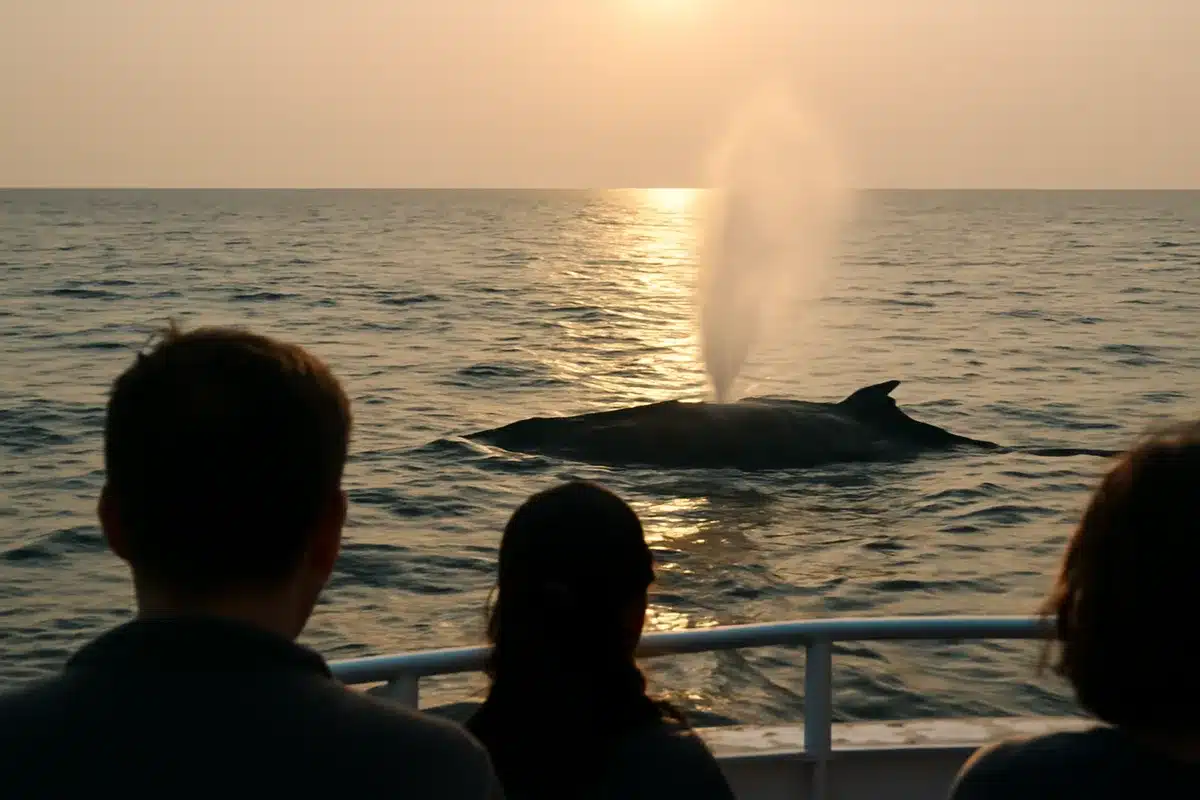
A striking photo of an Arabian Sea humpback whale has become the visual anchor for a new genetic study that makes a compelling case: this group of whales is not just behaviorally unusual — it may represent a distinct subspecies. After more than two decades of fieldwork off Oman, researchers argue the Arabian Sea humpbacks followed their own evolutionary path, separated from other humpback populations for tens of thousands of years.
The finding matters for science and conservation. These whales stay in tropical waters year-round, sing differently from nearby populations, and show unusually low genetic diversity — a combination that both fascinates marine biologists and raises alarms about their future.
Genetic evidence points to a unique Arabian Sea humpback lineage
The Growing Demand for Data-Driven Decision Making in Silicon Valley
He quit, ran out of money, and begged to come back — here’s how his boss reacted
Scientists led by the Wildlife Conservation Society, working with Omani authorities and international partners, analyzed mitochondrial DNA from thousands of humpback whales as part of a paper published in Frontiers in Marine Science. The research drew on more than 25 years of observations and tissue samples collected in the Arabian Sea and compared them to genetic material from whales around the globe.
Analyses revealed strong genetic separation between the Arabian Sea population and the three traditionally recognized humpback subspecies in the North Atlantic, North Pacific, and Southern Hemisphere. The Arabian Sea whales also exhibited the lowest genetic diversity of any ocean region examined, suggesting a long history of isolation and a relatively small, genetically constrained population.
Based on these results, researchers support recognizing the Arabian Sea group under the name Megaptera novaeangliae indica. Molecular dating in the study places the divergence of Arabian Sea lineages roughly between 43,000 and 113,000 years ago, depending on the specific genetic markers and comparison groups used — a timescale consistent with an ancient separation rather than a recent local adaptation.
Why these humpbacks buck the migration trend
What makes Arabian Sea humpbacks so different in behavior is their choice to remain in tropical waters all year, rather than following the classic humpback cycle of migrating to high-latitude feeding grounds and returning to warm waters to breed. Scientists point to a key environmental driver: the southwest monsoon.
- The monsoon creates strong seasonal upwelling off Oman, bringing deep, nutrient-rich water to the surface.
- That upwelling fuels dense swarms of fish and other prey typically found in cooler, temperate feeding grounds.
- As a result, Arabian Sea humpbacks can feed successfully at tropical latitudes — eliminating the ecological pressure to migrate long distances.
This steady food supply appears to have allowed the population to adopt a sedentary life history uncommon among humpbacks. The behavior has been reinforced over many generations, contributing to limited gene flow with neighboring populations in the Indian Ocean and beyond.
Distinctive vocalizations add behavioral evidence
Acoustic studies add another layer to the genetic picture. Research for the International Whaling Commission showed that humpback song patterns act like cultural markers: males within a population share a common song, and populations in contact may exchange elements of their songs. The Arabian Sea whales, however, sing patterns that show no overlap with Indian Ocean populations, providing behavioral confirmation of long-term isolation.
Conservation risks: why the newfound subspecies needs protection
Isolation and low genetic diversity leave the Arabian Sea humpbacks vulnerable. The new paper stresses that their small population faces a suite of human-caused and natural threats that could rapidly erode their numbers without targeted action.
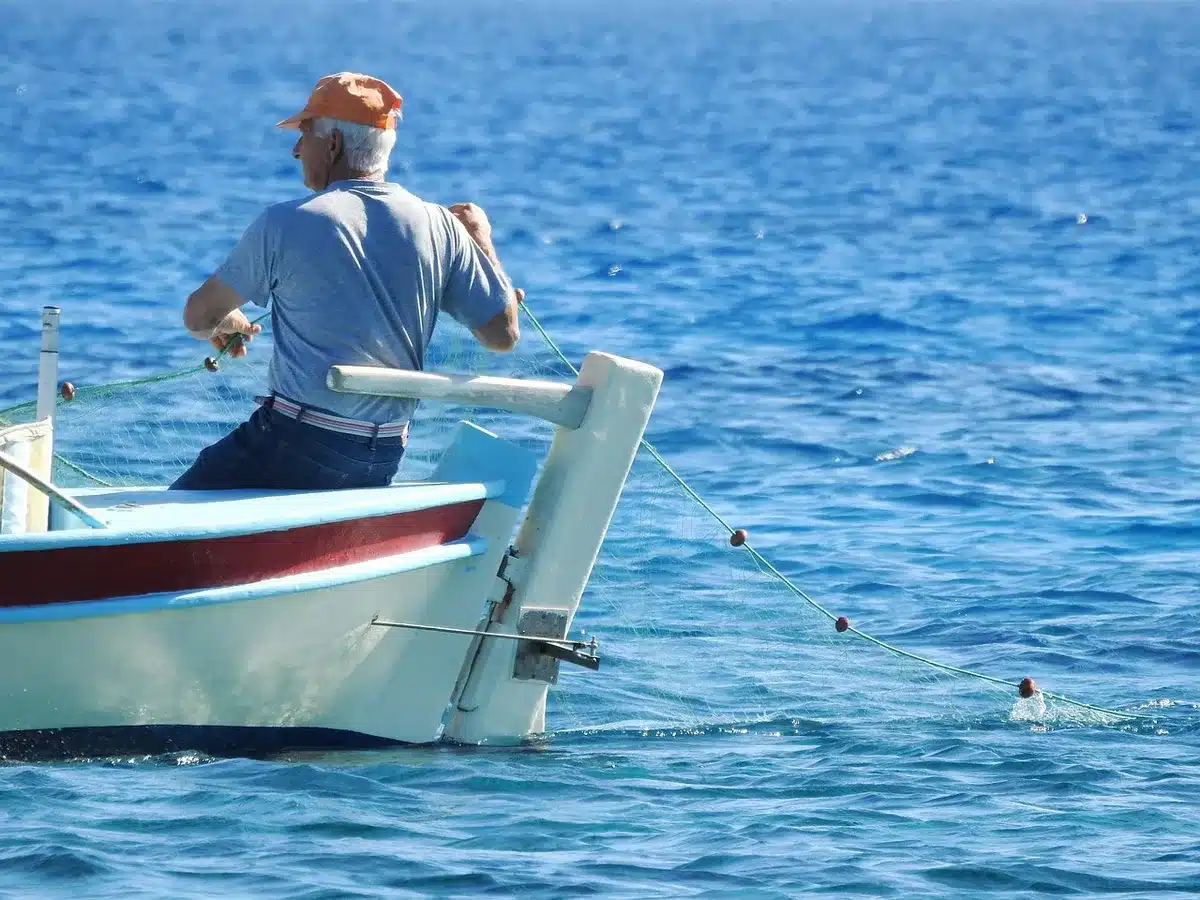
- Entanglement in fishing gear: Gear and nets can injure or kill humpbacks and reduce reproductive success.
- Ship strikes: Busy shipping lanes near coastal feeding areas increase collision risk.
- Underwater noise: Rising vessel and industrial noise disrupts communication, foraging, and navigation.
- Pollution and disease: Chemical pollution and outbreaks of illness can have outsized impacts on small, localized populations.
- Climate change effects: Altered monsoon patterns could weaken the upwelling that supplies prey, undermining the whales’ year-round food source.
The researchers warn there has been no convincing sign of population growth over the past two decades. Without concerted conservation measures, this isolated lineage could face local extinction.
Steps already underway and what’s needed next
Omani authorities, who have partnered on long-term monitoring, are using the growing body of scientific evidence to pursue concrete protections. Options include stronger regional cooperation through the International Whaling Commission and proposals to use international maritime tools — such as designation as a Particularly Sensitive Sea Area through the International Maritime Organization — to limit harmful shipping activities in key habitats.
Researchers urge a mix of actions to reduce immediate risks and build resilience: gear modifications and safer fishing practices to lower entanglement rates, routing or speed restrictions to cut ship strike risks, noise mitigation measures, pollution control, and continued genetic and aerial surveys to monitor population trends.
Scientific and policy implications of recognizing a new subspecies
A formal taxonomic change would carry weight for conservation policy. Listing the Arabian Sea humpbacks as a distinct subspecies can prioritize them for funding, legal protection, and international agreements that are triggered by subspecies or distinct population designations. It also reframes how scientists and managers think about humpback diversity and the range of ecological strategies within a single species.
That broader view can help target resources where they’re needed most — especially for a group that has quietly persisted in a small corner of the ocean while following a very different evolutionary script.
You might also like:
- North Atlantic right whale population slowly increasing, scientists say
- Older male whales’ singing boosts mating success, study finds
- Endangered whale spotted in Ireland migrates to US, baffling scientists
- Dolphin health revealed by seawater eDNA sampling in a conservation first
- Blue and fin whale sightings increase, offering new hope for survival

Michael Thompson is an experienced journalist covering U.S. and global news. With ten years on the front lines, he breaks down political and economic stories that matter. His precise writing and keen attention to detail help you grasp the real‑world impact of every event.


Man, can you believe it? A whole new humpback whale subspecies confirmed by genetic stuff! Arabian Sea humpbacks got their own jam going on. Gotta protect these unique guys, you know? Natures full of surprises.
Man, aint nature just full of surprises? These Arabian Sea humpbacks got their own jam going on, huh? Hope folks step up, give em the protection they deserve. Lets keep these unique subspecies thriving!
Man, I always knew those humpback whales were up to something cool! Now theyre breaking off into subspecies like its a family reunion. Can you imagine the whale gossip on that? Nature never ceases to amaze.
Imagine the tea those whales are spilling at their underwater family reunion! Bet they got some epic ocean drama going on. Nature really be out here with its own soap operas. Who knew whales were this sophisticated?
Man, aint nature a wild ride? Just when you think you know everything about whales, boom, a whole new subspecies pops up. The ocean keeps its secrets well hidden, huh? Wonder what other surprises are lurking down there.
Man, I remember studying humpback whales in school, but this Arabian Sea subspecies news is mind-blowing! Can you imagine their unique vocalizations? Hope they get the protection they deserve. Natures full of surprises!
Man, these Arabian Sea humpback whales are like the rebels of the ocean, doing their own thing! Genetic proof of a new subspecies? Thats like finding out your fave band has a secret album. Protect these cool dudes!
Man, aint it wild how these humpback whales got their own Arabian Sea lineage? Genetic stuff is mind-blowing. Hope we can protect these unique subspecies, they deserve a chance to thrive, yknow?
Man, humpback whales are like the rockstars of the ocean, right? And now they got their own Arabian Sea sub-species? Thats like finding out Beyoncé has a secret twin! Conservation game better step up!
Man, these humpback whales aint playing! Arabian Sea humpback lineage? Unique vocalizations? Its like theyre the rockstars of the ocean. Gotta protect these cool cats, you know?
Man, genetic analysis is wild! Confirming humpback whale subspecies? Thats like uncovering a secret family branch at a reunion. Nature keeps surprising us with its hidden gems. Wonder what other surprises are lurking in the depths.
Man, these humpback whales keep surprising us! Arabian Sea subspecies, unique vocalizations… theyre like the rockstars of the ocean! Lets protect these cool cats and keep their tunes alive!
Man, I always knew humpback whales were more diverse than they let on! Arabian Sea subspecies, unique vocals, and bucking migration trends? These sea giants are full of surprises. Lets protect these newfound buddies pronto!
Man, discovering a new humpback whale subspecies is like finding a secret level in a video game! Arabian Sea humpbacks have their own unique vibe, from genetics to vocalizations. Hope we can protect these cool underwater rockstars!
I remember watching a documentary about humpback whales once. They are such majestic creatures, aint they? Learning about a new subspecies in the Arabian Sea is mind-blowing! Nature always has more surprises up its sleeve.
I remember watching a documentary on whales once, and those humpbacks were just majestic! Its cool to see how scientific research keeps revealing new things about them. Natures full of surprises, aint it?
Man, talk about a whale of a discovery! I remember reading about humpbacks in school, but this subspecies biz is next-level! Genetic analysis, Arabian Sea lineage… Natures got more twists than a soap opera, I tell ya.
Man, the Arabian Sea humpback lineage? Thats wild, dude! Nature keeps throwing curveballs. Hope we step up to protect these unique subspecies. Theyre like the rockstars of the sea, you know?
I always knew those humpbacks were up to something cool! Arabian Sea humpback lineage? Thats like discovering a secret menu item at your favorite restaurant. Its exciting to learn about new whale subspecies, makes you appreciate the vastness of our oceans even more.
Man, aint nature full of surprises? A whole new humpback whale sub-species? Thats like finding out your neighbor has a secret twin! Gotta protect these beauties, yknow? Natures full of wonders.
Man, these humpbacks are like the cool kids with their own secret language! Arabian Sea humpback lineage? Thats some exclusive club stuff! Cant wait for the humpback reunion, wonder how theyll greet each other.
Man, these humpback whales are like the cool kids of the ocean, forming their own exclusive Arabian Sea club! Genetic analysis spilling the tea on their unique lineage is like uncovering the secret handshake of the deep blue. Wild stuff!
I remember this one time I saw a humpback whale breaching off the coast! Crazy stuff. Now theyre talking about subspecies with unique vocalizations? Nature is wild, man. Cant wait to learn more about these Arabian Sea humpbacks.