
Show summary Hide summary
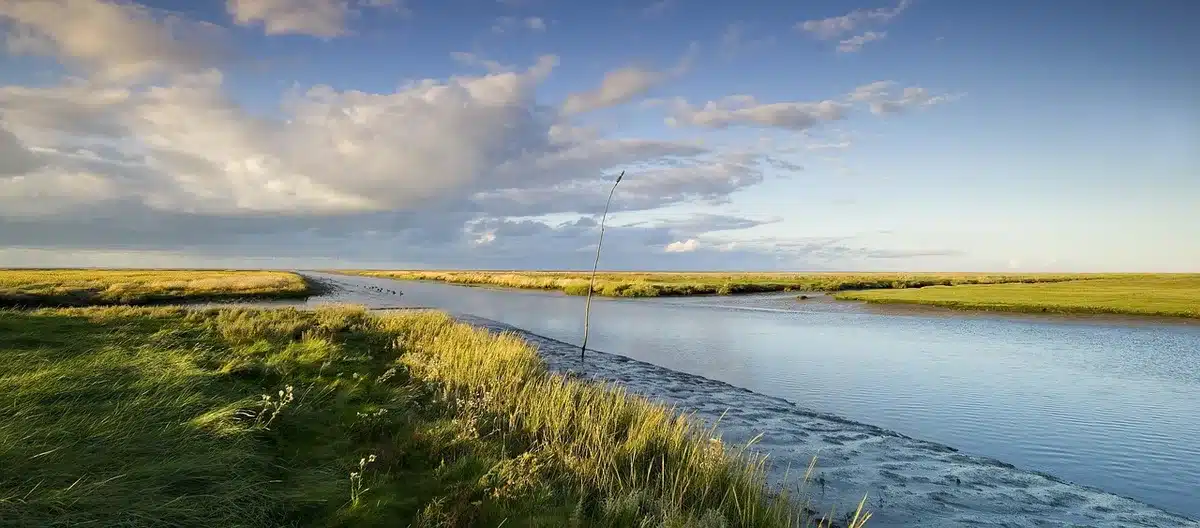
Along a windswept stretch of England’s east coast, a former golf layout has been reimagined as a vibrant wetland that seabirds are already calling home. The site — once manicured fairways and greens — now brims with tidal channels, salt-tolerant plants and nesting shorebirds, a dramatic example of how contested turf can be converted into thriving habitat.
This shift from golf course to nature reserve reflects a growing movement: courses worldwide are being redesigned to reduce water use, drop pesticides and favor native species. From Lincolnshire to Colorado, the changes show how the places we play can also shelter wildlife and support local ecosystems.
How a Coastal Golf Course Became a Wetland Sanctuary
The Growing Demand for Data-Driven Decision Making in Silicon Valley
He quit, ran out of money, and begged to come back — here’s how his boss reacted
In 2020 the National Trust purchased the Sandilands golf course in Lincolnshire and embarked on a bold restoration project. Contractors reshaped the landscape to create a new wetland system covering an area roughly equivalent to 45 football fields. The aim was not landscaping for sport but for nature — and the results arrived faster than planners expected.
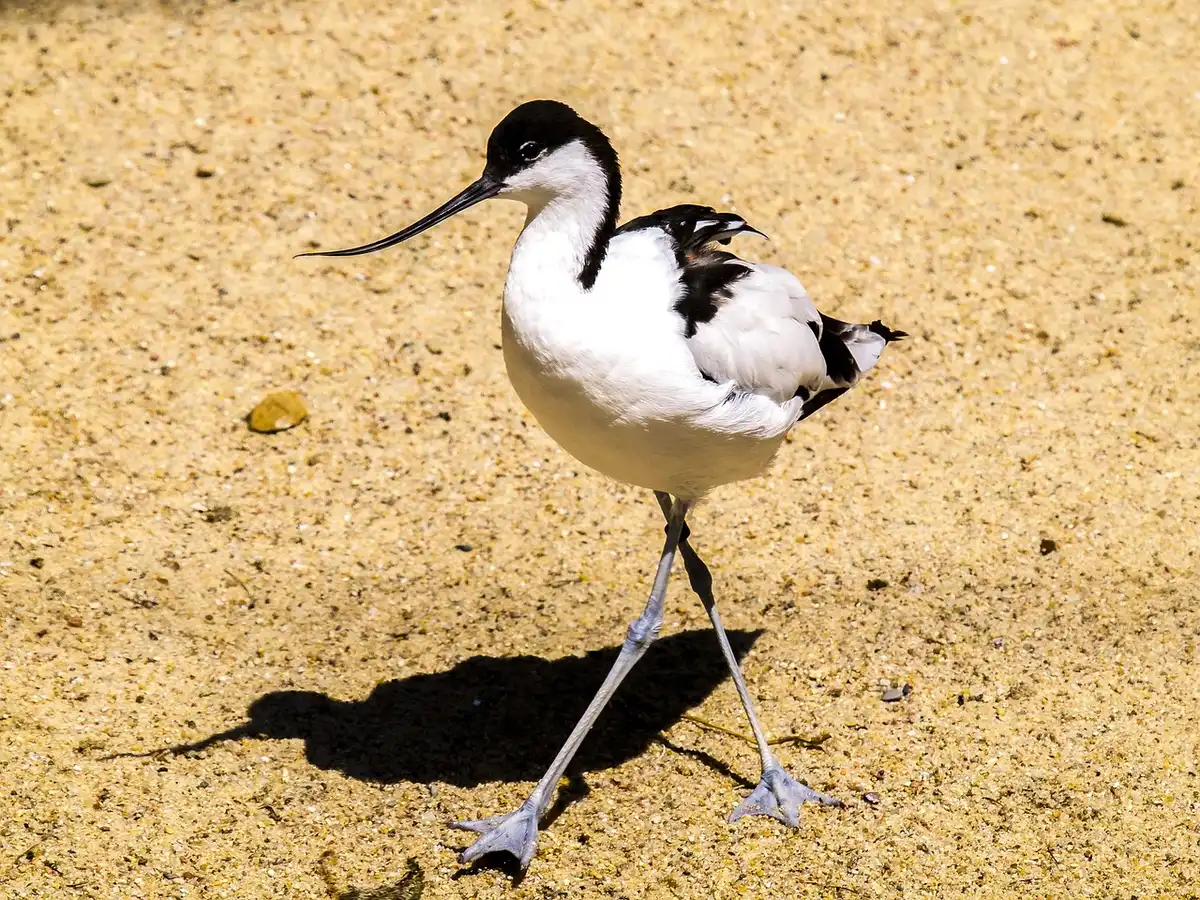
Before the reserve was even officially opened, migratory and resident seabirds began using the site. Plovers, terns, avocets and lapwings have been spotted feeding and nesting among the newly restored pools and saltmarsh. Rangers working at Sandilands report successful breeding events, with avocets and oystercatchers raising young and little ringed plover chicks recorded for a second year running.
Sandilands is being managed without pesticides or public potable water use on the restored areas, a deliberate choice to prioritize wildlife needs over the traditional maintenance regime of a golf course.
Why Golf Courses Are on Conservationists’ Radar
Golf properties occupy large tracts of land around the world, which makes them both a problem and an opportunity for biodiversity. Historically, many courses have been criticized for heavy water consumption, reliance on non-native turf species and routine pesticide applications that harm pollinators and aquatic life.
Yet the same expanses of relatively quiet, open green space can support birds and other wildlife if managed differently. Without heavy traffic, powerline interference or dense urban development, fairways and out-of-play areas can serve as refuges — especially when native plants and wetlands are restored.
Greener Grounds: American Courses That Are Rewilding
In the United States, at least one course is showing how traditional maintenance can be rethought. CommonGround Golf Course in Aurora, Colorado, partnered with Denver Botanic Gardens to adopt a regenerative approach to its grounds. Ornamental, water-hungry plantings have been swapped for native wildflowers and grasses, creating better habitat for insects and birds.
Water strategies were overhauled too. Instead of using municipal drinking water, CommonGround relies on treated recycled wastewater to irrigate parts of the facility. As the course superintendent Mitch Savage explained to local media, many Colorado courses are already turning to reclaimed water — roughly a third of them — which helps avoid taking potable water away from communities.
The ecological benefits have been measurable: conservation-minded landscaping and reduced chemical use helped attract a wide range of birds. On one observation day, staff recorded around 40 bird species on the property.
Species Returning When Turf Is Rewilded
Projects like Sandilands and CommonGround highlight how targeted habitat changes can boost wildlife numbers. Species commonly noted on these transformed properties include:
- Plovers (including little ringed plover)
- Terns
- Avocets
- Lapwings
- Oystercatchers
- Various local passerines and pollinators
Conservation staff emphasize that many of these birds are rare or declining in other parts of their range and rely on isolated pockets of suitable habitat along coasts and inland wetlands. The absence of heavy recreational disturbance and urban development on some golf properties makes them uniquely suited to support these species when managed with wildlife in mind.
Scale of the Opportunity and the Numbers Behind It
A USDA analysis cited by Bloomberg shows American golf courses occupy about 2.24 million acres — an area larger than the state of Delaware. That footprint represents a significant conservation opportunity if more courses embrace native planting regimes, wetland restoration and reduced chemical and potable water use.
Practical Steps Courses Can Take to Support Wildlife
Actions that make the biggest difference
- Restore or create wetlands and buffer zones that provide feeding and nesting habitats for waterbirds.
- Replace non-native ornamentals with native wildflowers and grasses to boost pollinators and local insect populations.
- Phase out pesticides and synthetic fertilizers in favor of integrated pest management.
- Use recycled or greywater for irrigation to reduce demand on drinking-water supplies.
- Set aside no-mow zones and wildlife corridors to connect habitats across the landscape.
- Partner with botanical gardens, conservation trusts or local universities for monitoring and habitat design.
These measures can transform a liability into a living landscape, creating places where people can still play and nature can reclaim space.
You might also like:
- Living roof atop Ford’s largest factory saves energy and boosts bird habitat
- Coastline saved by reverend’s final donation after he once walked there
- Native Hawaiians not primary cause of bird extinctions, study finds
- Endangered cockatoos hatch a chick in artificial nest, a win for conservation
- Colorado wildlife overpass, North America’s largest, opens to help animals cross highways safely

Michael Thompson is an experienced journalist covering U.S. and global news. With ten years on the front lines, he breaks down political and economic stories that matter. His precise writing and keen attention to detail help you grasp the real‑world impact of every event.


Man, I used to play golf there, now its a bird sanctuary? Crazy how things change. Good to see nature reclaiming its turf, though. Wonder if the birds are any good at golf now.
Man, I remember when that golf course was the spot for weekend games. Now its a sweet wetland for seabirds. Natures taking over! Who knew birdies could be more exciting than birdies?
Dang, aint that a twist of fate! From birdies on the green to birdies in the sky, natures got its own game plan. Who needs putters when you got seabirds, right? Maybe theyre out there practicing their swings too, but in the air. Mother Natures got jokes, man.
Man, golf courses turned into a wetland? That’s like turning a fancy restaurant into a food bank! But hey, if it’s helping seabirds and the environment, I guess it’s a hole-in-one for Mother Nature.
Man, golf courses turning into wetlands? Thats like Mother Nature hitting a hole-in-one! Its about time we swap out those clubs for binoculars and watch the real birdies in action. Natures the true champion here.
Dude, thats wild! Mother Nature pulling off a hole-in-one? Its like shes showing those golf courses whos boss! Binoculars over clubs any day, right? Watching real birdies strut their stuff beats chasing a little white ball any time. Natures MVP!
Man, I used to tee off at that golf course every weekend. Now its a wetland sanctuary? Thats wild. Natures taking over, huh? Wonder if the birds are better at putting than I ever was!
Dang, thats quite the transformation from golf course to bird hangout! Maybe those birds are secretly training to join the PGA Tour. Who knows, they might surprise us all with their putting skills!
Man, golf courses turning into wetlands for seabirds? Thats like a plot twist in a nature documentary! Imagine the birds chirping on the greens instead of golfers cursing their swings. Mother Natures remix is lit!
Man, its like nature scored a hole-in-one with this one! Turning a golf course into a wetland? Thats some next-level eco-friendly makeover. Can you imagine the seabirds strutting around, feeling like they own the place? Wildlife 1, Golf 0!
Man, I remember when that golf course was all about rich folks whacking balls. Now its a sweet spot for seabirds. Whod have thought? Natures taking back whats hers! Nature: 1, Golf: 0.
Man, I remember teeing off at that coastal golf course years ago. Now its home to seabirds! Natures taking over, and I dig it. Who needs golf balls when you can have birds chirping?
Dude, thats wild! Nature really be reclaiming its turf, huh? Who needs birdies on the scorecard when you got birdies in the trees, am I right? Its like the birds are playing their own version of golf now. Maybe we should start counting their chirps as strokes!
Man, the transformation of that golf course into a wetland sanctuary for seabirds is like a plot twist in a movie! Nature reclaiming its territory, turning a place of leisure into a vital habitat. Mother Natures the ultimate screenplay writer!
Dude, totally! Its like watching a nature documentary but in real life, yknow? This twist is better than some Hollywood flicks! Who needs CGI when you got Mother Nature pulling off these plot twists? Wonder what sequel shes got in store next!
Man, I used to slice balls into the ocean there! Now its for the birds, literally. Guess the turf wars are over. Good for nature, but my golf games gonna suffer.
Dude, I totally feel ya! Those balls flying into the ocean were like free fish food, right? Natures taken over the turf, but hey, maybe its Mother Earths way of telling us to up our game on the green, am I right? Who knows, maybe the seagulls will start giving putting lessons next!
Man, golf courses turning into bird paradises? Thats some next-level eco-glow up! Its like Mother Natures saying, Move over, birdies, those birdies are takin over now! Who knew a golf swing could make way for a birds wing, right?
Man, I remember when that golf course was the hotspot for weekend shenanigans. Now its a bird paradise? Natures got jokes. Who knew those birdies would be the real stars of the show?
Man, I remember when that golf course was the talk of the town. Now its a bird paradise? Natures got jokes. Who needs nine irons when you can watch seabirds soar? Maybe I should trade my clubs for binoculars.
I remember teeing off there, now its all for the birds! Crazy how nature reclaims its turf. Who needs a sand trap when youve got seabirds squawking at your backswing? Natures handicap, I guess.
Man, aint that a refreshing change! Turning a golf course into a wetland for seabirds? Thats like giving the flashy clubhouse a birdwatchers makeover. Time to swap out the golf carts for some bird feeders!
Man, golf courses turnin into wetlands? Thats like a plot twist in natures book! Imagine birdies chirpin where golf balls used to fly. Gotta admit, thats a hole-in-one for the environment!
Dude, aint that the craziest twist? Picture this: golfers dodging ducks instead of sand traps! Its like Mother Natures remixing the game. Who needs a caddy when you got a flock of geese guiding your shot, right? Definitely a swing for the eco-friendly win!
Man, I remember when that golf course was all about birdies and bogeys, not actual birds! Now its a wetland sanctuary? Talk about a hole-in-one for conservation. Hope those seabirds dont mistake golf balls for eggs!