
Show summary Hide summary
- Why Britain’s history is at the center of culture wars
- High-profile flashpoints: statues, museums and the classroom
- Who the main players are and how they influence the debate
- Practical responses: how institutions are rethinking heritage
- Legal battles, funding pressures and political interventions
- International context: Britain among global debates on memory
- What to watch next in Britain’s heritage debate
Britain’s past has become a battleground. Across towns and cities, debates over statues, museum displays, school lessons and place names have ignited fierce public arguments about who gets to tell the story of the nation. Those conversations are not new, but in the last few years they have intensified, pulling politicians, curators, teachers and protesters into a complex fight over heritage, memory and identity.
What began as local campaigns to re-evaluate plaques and monuments has broadened into national controversies about the curriculum, the role of museums, and how to reckon with colonial and imperial legacies. The result is a patchwork of changes, legal challenges and political interventions that are reshaping how Britain remembers itself—and how the rest of the world sees British history.
Why Britain’s history is at the center of culture wars
Public history in the UK is now intertwined with politics in a way that would have been surprising a decade ago. The rise of social media, more vocal grassroots campaigns, and a polarized political climate have amplified disputes that used to be confined to academic circles. At the heart of the debate are three overlapping questions: what to commemorate, whose stories are told, and who decides.
The Growing Demand for Data-Driven Decision Making in Silicon Valley
He quit, ran out of money, and begged to come back — here’s how his boss reacted
- Commemoration: Monuments and memorials are no longer accepted as neutral facts of the landscape; they are read as statements about values and power.
- Representation: Museums and schools face pressure to broaden narratives to include previously marginalized voices while retaining rigorous scholarship.
- Authority: The role of local councils, national institutions and central government in managing heritage has become contested.
These disputes often follow a familiar arc: a campaign or news story sparks public interest, activists propose change, authorities respond—sometimes by removing a plaque or adding interpretive signage—and opponents decry erasure. That cycle has fed political messaging on both the left and the right, turning cultural questions into electoral issues.
High-profile flashpoints: statues, museums and the classroom
In the past few years several kinds of incidents have become emblematic of the wider push to reinterpret history.
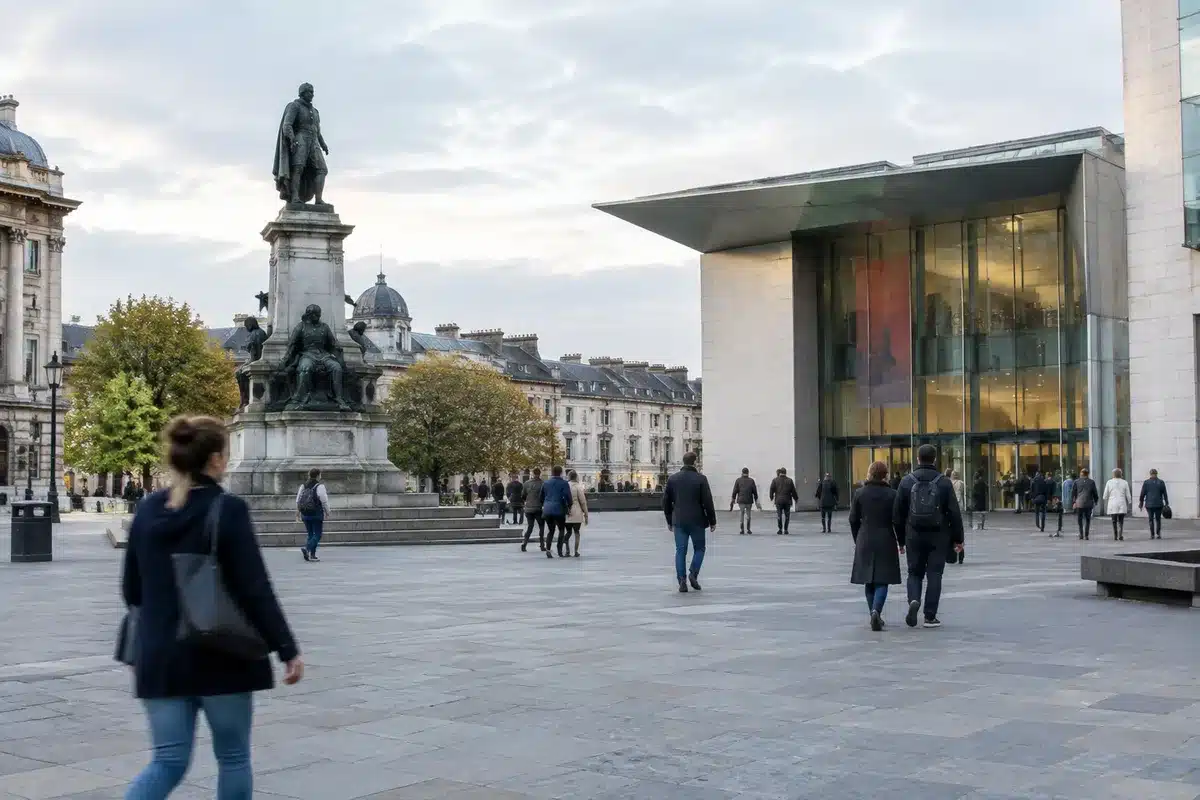
- Statues and public monuments targeted for removal or recontextualization have prompted local stand-offs, legal challenges and, in some cases, physical confrontations.
- Museum exhibitions have been scrutinized for what they emphasize and what they omit, with curators balancing scholarly duties against demands for reparative storytelling.
- School syllabuses and exam content have been reviewed and revised amid arguments over national narrative and pedagogical priorities.
These flashpoints reveal broader tensions. For some, removing or annotating historical artifacts is a necessary step toward a more inclusive public memory. For others, such moves amount to historical vandalism or partisan revisionism. Both viewpoints are often framed in moral terms, with little common ground for compromise.

Who the main players are and how they influence the debate
The reshaping of public history involves a wide range of actors, each with different priorities and powers.
Institutions and experts
Museums, archives and universities are primary sites where contestation plays out. They employ historians and curators who argue for research-led reinterpretation, but they also rely on public funding and visitor income, which can make them sensitive to political pressure and public sentiment.
Local authorities and national government
City councils decide many on-the-ground heritage actions—statue removals, planning decisions, and plaque placements—while central government can intervene with legislation, funding conditions, or public statements that shape the parameters of acceptable debate.
Community groups and activists
Grassroots organizations have been instrumental in pushing for change, bringing overlooked histories into public view and pressuring institutions to act. Their tactics range from peaceful petitions and educational campaigns to direct action.

Political actors and media
Politicians use high-profile cases to mobilize support or to paint opponents as extremists. Media coverage, often amplified by social platforms, turns local disputes into national stories almost overnight.
Practical responses: how institutions are rethinking heritage
Faced with sustained scrutiny, some institutions have adopted a range of strategies to address contested histories.
- Contextualization: Adding plaques, audio guides or exhibitions that explain the full history of a figure or object rather than removing it outright.
- Relocation: Moving monuments from public squares to museums where they can be presented with scholarly commentary.
- Collaboration: Working with local communities, historians and descendants to co-create displays or curricula.
- Education: Developing teaching resources to help schools address complex topics in age-appropriate ways.
These measures aim to balance historical accuracy with ethical responsibility. But they are not a panacea: contextualization can be criticized as tokenism, and relocation sometimes sparks accusations of erasure.
Legal battles, funding pressures and political interventions
Where public sentiment is divided, the law often becomes the arena for resolution. Judicial reviews, council votes and national policy changes have all shaped outcomes. At the same time, funding levers are increasingly influential: governments can attach conditions to grants, and private donors can compel institutions to take particular stances.
This mix of legal and financial pressure has produced:
- Legislative proposals aimed at preventing the removal of certain monuments without ministerial approval.
- Policy guidelines for museums and schools that set expectations on how to handle contested material.
- High-profile court cases testing the limits of local and national authority over heritage decisions.
Such interventions change incentives. Institutions must weigh legal risks and funding consequences as they decide how to respond to public demands for change.
International context: Britain among global debates on memory
Britain’s reckoning with history is part of a wider international trend. Cities from Prague to New York have faced similar dilemmas about monuments and historical narratives. Global movements, often sparked by events abroad, feed into local campaigns and vice versa. That exchange has two effects: it creates common vocabularies for protest and response, and it increases scrutiny of national stories in a transnational media environment.
What to watch next in Britain’s heritage debate
Several developments will shape the near-term landscape:
- The outcome of ongoing legal challenges and any new legislation affecting heritage management.
- Curriculum reviews and exam board decisions that will influence how history is taught in schools.
- Funding shifts—both public and private—that might determine which institutions can afford to adapt or defend their collections and programs.
- Local elections and national politics, which will frame heritage as a broader cultural and political issue.
As the debate continues, the central question remains: how can Britain honor its past honestly without reducing history to a battleground of present-day politics? The answer will shape public spaces, classrooms and cultural institutions for years to come, and the conversation is far from settled.
You might also like:
- Dead white men targeted by cancel culture over imagined thought crimes
- 3,500-year-old looted Egyptian stone bust returned by the Netherlands after lavish museum opening
- Britain driven to the edge by clashes over sacred beliefs
- Britain’s identity crisis: is the country losing confidence in itself?
- Spain’s woke policies raise alarm over authoritarian drift

Robert Johnson is a dedicated columnist focusing on political and social debates. With twelve years in editorial writing, he provides nuanced, well‑argued perspectives. His commentaries invite you to form your own views and engage in critical issues.

