
Show summary Hide summary
- From Dostoevsky to modern celebrities: the long history of moral showmanship
- How one prison case exposed celebrity activism as image-making
- “Love has no borders”: celebrities, charities, and the fashion of activism
- Who feels patronized — and why the resentment grows
- Rethinking the border debate: empathy, realism, and policy trade-offs
- New findings on masculinity: men, friendship and the limits of emotional prescription
- Why Blackadder’s dark humor still resonates 40 years later
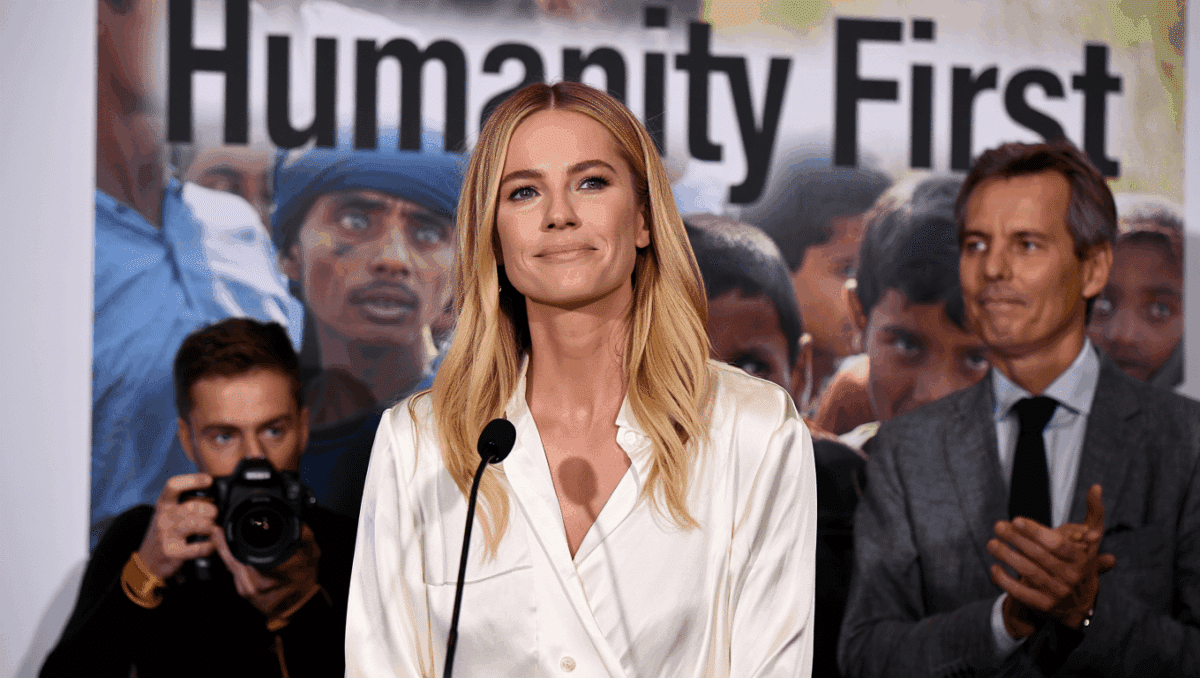
When celebrities make moral pronouncements about migration and kindness, they often do it as if declaring membership in a better class of people. That public display of compassion can feel less like sincere solidarity and more like an upscale performance: carefully chosen causes, polished photos, and an audience of peers nodding in approval.
But beneath that glossy public virtue lies a growing irritation. For many observers, the performative charity of the cultural elite reads as condescension — an attitude that can alienate the very people these celebrities claim to champion.
The Growing Demand for Data-Driven Decision Making in Silicon Valley
He quit, ran out of money, and begged to come back — here’s how his boss reacted
From Dostoevsky to modern celebrities: the long history of moral showmanship
Writers have been mocking self-satisfied moralizers for centuries. A 19th-century Russian novelist famously skewered progressives who loudly proclaimed their benevolence while alienating ordinary people. The satire targeted the sort of grand declarations that amount to little more than social signaling: loudly affirming one’s own goodness while treating others as objects of pity rather than equals.
That same dynamic is visible today when public figures treat humanitarianism as a way to polish their reputation. The gestures may be well-intentioned, but the effect often reads as performative rather than practical.
How one prison case exposed celebrity activism as image-making
Over the holidays the debate around Alaa Abd el-Fattah — the Egyptian activist imprisoned for years — reignited questions about celebrity intervention. An open letter calling for his release and for the UK to offer him refuge gathered signatures from high-profile names, reviving an old pattern: stars rallying behind causes that enhance their moral brand.
Critics pointed to problematic aspects of Abd el-Fattah’s past social-media postings and asked whether signing the letter reflected careful judgment or reflexive virtue-signaling. The episode highlighted two trends running side by side: a genuine belief in human rights among some signatories, and a tendency among others to back causes that boost public standing.
“Love has no borders”: celebrities, charities, and the fashion of activism
Beyond single cases, a wider phenomenon has emerged: border politics turned into a cultural statement. The charity Choose Love — which frames refugee support as an expression of compassion and solidarity — has attracted a parade of familiar faces promoting slogans like “love has no borders.”
- High-profile supporters such as Louis Theroux, Nish Kumar, Chris Martin and Tamzin Outhwaite have helped raise visibility.
- The messaging is intentionally simple and emotionally direct: stand with refugees, choose compassion over hate.
- That simplicity appeals to mass sentiment, but it also flattens complex policy debates into feel-good soundbites.
For many people, the spectacle of celebrities aligning with causes can be reassuring — or irritating. It reassures those who agree with the message; it irritates those who see this as a form of moral one-upmanship that ignores practical consequences.
Who feels patronized — and why the resentment grows
There’s a widespread perception that the modern cultural elite lives in insulated neighborhoods, attends the same schools, and rarely experiences the strains that animate ordinary voters: housing pressures, stretched public services, and rapid demographic change. When celebrities pronounce broad moral judgments from that perch, the result can feel patronizing.
Critics of celebrity-led advocacy argue that:
- Labeling political opponents as hateful shuts down debate instead of addressing real concerns.
- Blanket moral formulas often ignore the lived realities of border pressure and local strain.
- Public virtue-signaling can amount to symbolic politics — gestures without operational plans for implementation.
The backlash against performative compassion is not necessarily rooted in xenophobia. For many, it’s a reaction to perceived elite arrogance: the idea that sincere concerns about immigration are dismissed as immoral simply because they conflict with the tastes of celebrities and commentators.
Rethinking the border debate: empathy, realism, and policy trade-offs
People who advocate for stricter border controls are often painted as lacking empathy, but many hold a different view: they recognize refugees and migrants as human beings who act rationally to seek better opportunities. Their stance typically combines compassion with an insistence on sustainable policy.
Common arguments offered by those skeptical of open-border approaches include:
- Capacity and infrastructure limits: public services and housing can be strained by rapid population growth.
- Rule of law and orderly processes: uncontrolled migration can incentivize dangerous journeys and criminal networks.
- Social cohesion: very fast demographic change can create tensions that require careful management.
For many voters, the issue is pragmatic rather than moralistic: they want policies that respect human dignity while preserving public order and viable public services.
New findings on masculinity: men, friendship and the limits of emotional prescription
The narrative that men are broken because they don’t talk enough about feelings is being challenged by recent social research. A study from a British university suggests men often prefer doing things together — working, sharing jokes, even spending companionable silence — to structured emotional disclosure.
What the research observed
- Many men report feeling closer through shared activities rather than through verbal confessions.
- Friendship rituals — banter, teamwork, shared tasks — provide support and belonging.
- Pressuring men to adopt a female-coded model of emotional interaction can feel alien and unhelpful to them.
This doesn’t deny problems like abusive behavior or emotional illiteracy. It suggests that one-size-fits-all prescriptions for male mental health can backfire when they ignore how many men actually build and sustain relationships.
Why Blackadder’s dark humor still resonates 40 years later
This month marks four decades since the first episodes of a beloved British sitcom that mined class frustration and the gap between ambition and reality for laughs. The series centered on a scheming underdog whose plans are repeatedly tripped up by the social order — a comic portrait of disappointment many viewers find familiar.
In a digital age of curated perfection, the show’s bleak humor can be oddly consoling: it reminds audiences that life often goes off-script and that resentment, absurdity and missed chances are common ground. For viewers tired of relentless self-improvement narratives and social-media comparison, that kind of comedy feels refreshingly honest.
Patrick West is a columnist and author whose work examines culture, politics and ideas.
You might also like:
- Gertrude Himmelfarb: conservative historian who shaped today’s culture wars
- Entitled people push back: why entitlement fuels revenge and social backlash
- Zack Polanski’s butt-wiping quip exposes true colors
- Shabana Mahmood surge: why voters are suddenly drawn to the Labour MP
- Progressives have become the new reactionaries: why the movement now defends the status quo

Robert Johnson is a dedicated columnist focusing on political and social debates. With twelve years in editorial writing, he provides nuanced, well‑argued perspectives. His commentaries invite you to form your own views and engage in critical issues.


I used to think celebs were all glam and glory, but turns out theyre just flawed folks like us, but with more spotlight. Cant help but love to hate em, its like a guilty pleasure.
Ugh, these celebs act like they got the whole worlds problems on their shoulders. But hey, when did charity work become a runway show? Its like, are you helping for the cause or the camera flash? #fakefans
Man, celebrities, am I right? Its like we build em up to tear em down. But hey, who am I kiddin? Gossips my guilty pleasure. Cant resist the drama, even if its all smoke and mirrors.
I always wonder, why do we get so riled up about celebs? Its like were addicted to their drama, but then turn around and call them out for every little mistake. Are we just projecting our own issues onto them?
Man, its like were all caught up in this weird cycle of idolizing celebs one minute, then tearing them down the next for the smallest slip-up. I guess maybe its easier to focus on their lives than deal with our own drama, yknow? Like, we get a thrill out of the highs and lows of their lives because its a distraction from our own mess. But hey, who are we to judge, right? Everyones got their flaws, even the rich and famous.
Man, these celebs, always in the spotlight for one thing or another. Like, are they really all that different from us regular folks or just playin a role? Its like we cant help but watch the drama unfold, yknow?
Yeah, man, its like theyre living in this whole other universe sometimes, right? Like, were just here binge-watching their lives unfold on social media. Are they really that different, or just putting on a show for the gram? Its wild how we cant look away, always waiting for the next plot twist in their story. Crazy, huh?
Celebrities, man, always in the spotlight. Theyre like those shiny peacocks struttin around, makin us feel some type of way. But hey, cant deny they keep things interesting, even if we love to roll our eyes at em.
Man, you ever notice how celebs are like those peacocks struttin around? Always hoggin the spotlight, makin us feel some type of way. Gotta admit, they keep things interesting, even if we cant help but roll our eyes at em sometimes. Just wonderin, whos your fave shiny peacock in the celeb jungle?
I mean, celebrities, right? Theyre like that popular kid in high school everyone loves to gossip about. But hey, why do we care so much about their drama? Maybe were just living vicariously through their messy lives.
Man, these celebs think theyre saving the world with a tweet. Remember when activism was more than a PR stunt? Its like theyre all competing for the Nobel Peace Prize in 280 characters or less. Give me a break!
Man, celebrities, right? Always in our faces with their drama. But hey, cant deny the guilty pleasure of watching their downfall. Its like a real-life soap opera, but with fancy clothes and paparazzi.
Man, why do we love to hate on celebs so much? Its like we cant resist the drama, the scandals, the highs, and the lows. But hey, cant deny they keep life interesting, right?
Man, its crazy how were all drawn to that celeb drama like moths to a flame, right? Its like a guilty pleasure we cant resist, no matter how hard we try. But hey, gotta admit, they do keep things interesting. Cant argue with that, can you?
I mean, sure, theyre rich and famous, but cant some of them just chill? Always preaching about this and that, like we need a moral compass. Just act, sing, or whatever, man. #CelebritiesBeingExtra
Girl, I feel ya. Sometimes I just wanna watch a movie, not get a life lesson from Hollywood. Like, cant they just stick to entertaining us? Im here for the show, not the preachy speeches. Keep it light, celebs!
I mean, why do we even care bout celebs so much? Its like we need em to be perfect, and then we get a kick outta tearing em down. Aint that a messed-up cycle were all stuck in?
Man, these celebs, always in the spotlight for better or worse. Some act like saints, others like theyre above us. But hey, we keep watching, right? Like a soap opera with fancier outfits.
Man, tell me about it! Its like theyre all part of some never-ending reality show, except with designer clothes and private jets instead of drama over who didnt wash the dishes. But hey, guilty pleasure or not, cant deny they keep us entertained, right? Its like a fancy soap opera that never goes off the air.
Man, these celebs with their fancy lives and perfect images. Always putting on a show for us regular folks. But hey, cant help but keep tabs on their drama, right? Its like a guilty pleasure, watching it all unfold.
I mean, come on, why do we always gotta pick apart celebs? Like, theyre just tryna live their lives too, right? Maybe we should cut em some slack sometimes. Everyones got flaws, aint no one perfect.
Man, these celebs, theyre like a whole different breed, right? All that glam and drama, but when they try to be woke or charitable, it feels off. Are they really in it for the cause, or just for the spotlight? Trust is hard to come by in Tinseltown.
Oh man, I totally get what you mean! Its like they flip-flop between being genuine and just chasing the limelight, right? Sometimes its hard to tell if theyre really passionate about the cause or just looking for good PR. Tinseltowns a wild ride, trust me, you never know whos playing the game for real or just for show.