
Show summary Hide summary
- How the volunteer sniffer-dog program was run and measured
- Practical recommendations to scale up citizen-led detection
- Why early detection of invasive plants matters for biodiversity and budgets
- What makes dogs effective as ecological detectors
- Success with invasive insects: dogs help stop the spotted lanternfly
- Turning neighborhood walks into conservation action
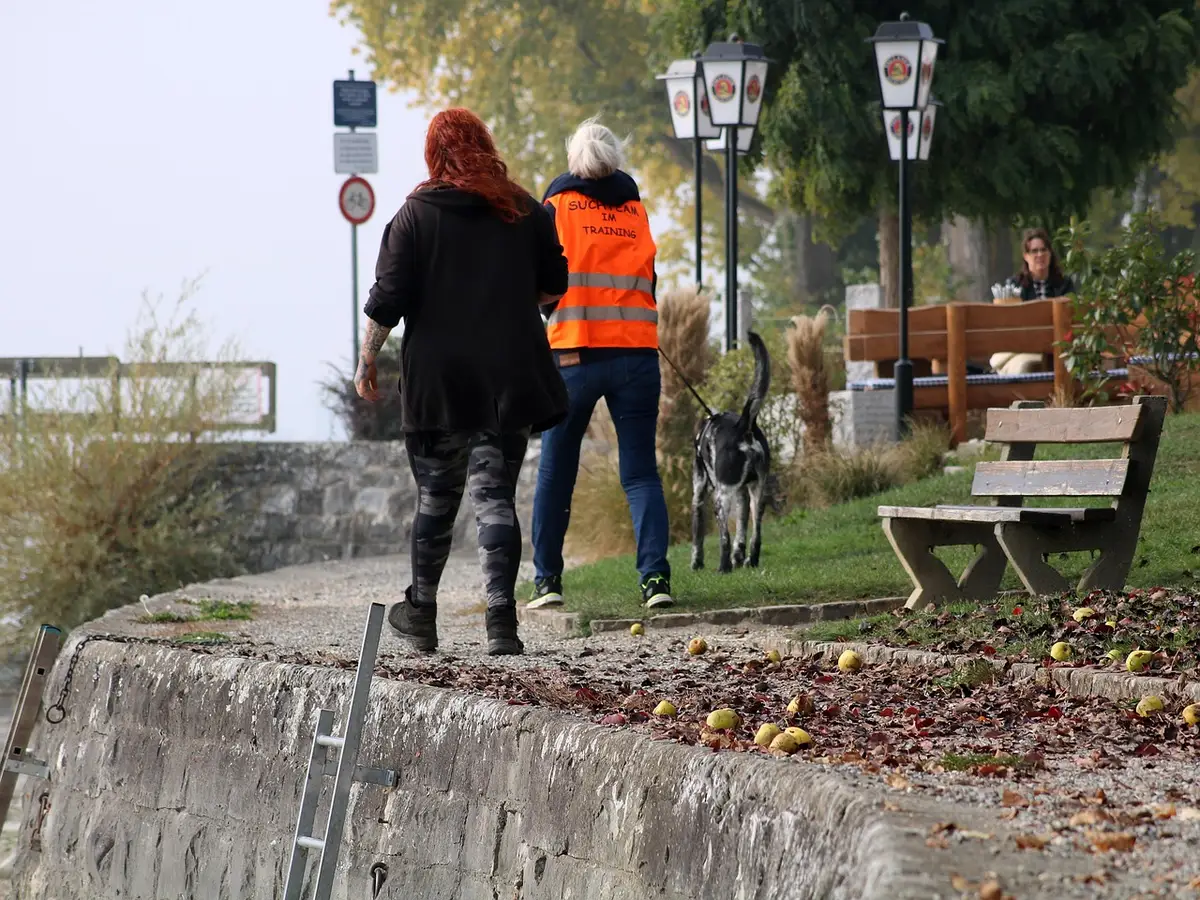
In Germany, ordinary dog owners are being recruited as an unexpected frontline in the battle against invasive plants. Volunteer handlers and their pets have completed a pilot training program that teaches dogs to detect aggressive non-native weeds during regular walks — a potentially powerful early-warning system for conservationists.
Researchers found these paired teams can find problematic species in the field with notable success, suggesting a low-cost, community-driven tool to help slow biodiversity loss driven by invasive flora.
The Growing Demand for Data-Driven Decision Making in Silicon Valley
He quit, ran out of money, and begged to come back — here’s how his boss reacted
How the volunteer sniffer-dog program was run and measured
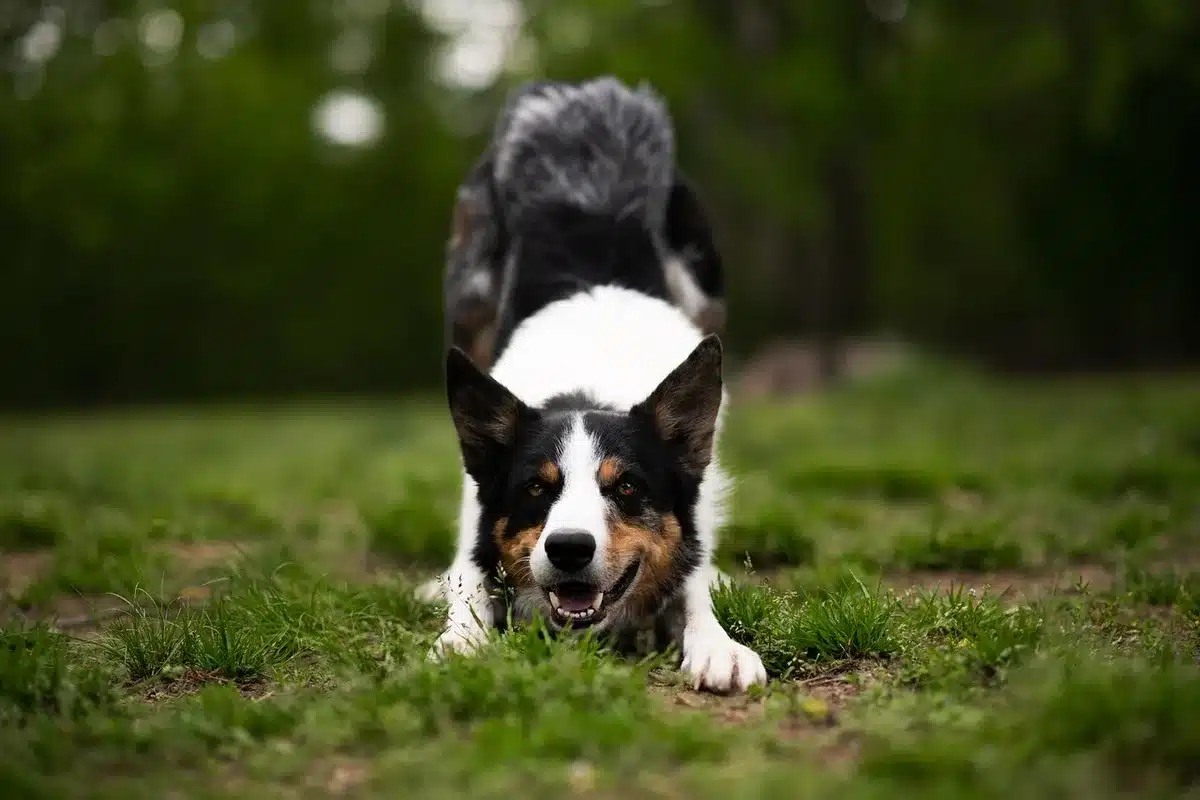
Scientists at the Helmholtz Centre for Environmental Research (UFZ) designed a citizen-science experiment to test whether people and their dogs could be trained to spot invasive plants reliably. Between 2021 and 2023, a cohort of 31 dogs and their owners took part in the program. Training focused on three high-impact targets:
- Himalayan balsam (Impatiens glandulifera)
- Common ragweed (Ambrosia artemisiifolia)
- Knotweeds such as Japanese knotweed (Fallopia spp. complex)
After months of instruction, the teams entered field trials to evaluate real-world detection. Of the 12 dog-handler teams that completed the formal testing stage, 11 successfully identified target plants at a mean detection rate of 75% accuracy. The results were published in the journal PLOS One, and the authors packaged their methods and findings into a set of practical recommendations for future projects.
Practical recommendations to scale up citizen-led detection
From the feasibility study, the researchers laid out steps to boost effectiveness if similar programs expand. Key areas to address include:
- Volunteer selection and retention: recruit motivated handlers with dogs suited to the work and provide clear expectations about time and commitment.
- Structured training protocols: standardize scent conditioning, search patterns, and reward systems so teams perform consistently in varied environments.
- Expert supervision: pair ecological specialists with dog trainers to verify finds, refine search strategies, and ensure accurate species identification.
- Coordinated deployment: prioritize areas at high risk of invasion, use mapping tools to track coverage, and integrate dog teams with broader monitoring efforts.
- Ongoing assessment: collect field data, measure detection rates across seasons, and adapt training to address common detection failures.
Why early detection of invasive plants matters for biodiversity and budgets
Non-native, invasive plants are among the leading causes of biodiversity loss globally. Once established, species such as Japanese knotweed or common ragweed can alter habitats, displace native flora, and complicate restoration. Conventional control — mechanical removal, herbicide treatment, or large-scale eradication efforts — is often expensive and labor-intensive. That makes early discovery especially valuable.
Detecting invasions when populations are small improves the chances of successful removal and reduces long-term costs. Using volunteer dog-handler teams could expand monitoring coverage at a fraction of the cost of traditional surveys, especially in areas that are difficult to search by human eyes alone.
What makes dogs effective as ecological detectors
Dogs bring two distinct advantages to invasive species monitoring: an extraordinary sense of smell and the ability to search quickly over large areas. When paired with engaged citizens, that capacity becomes a scalable resource.
Training essentials for reliable field work
Successful scent-detection blends canine learning with ecological oversight. Training typically includes:
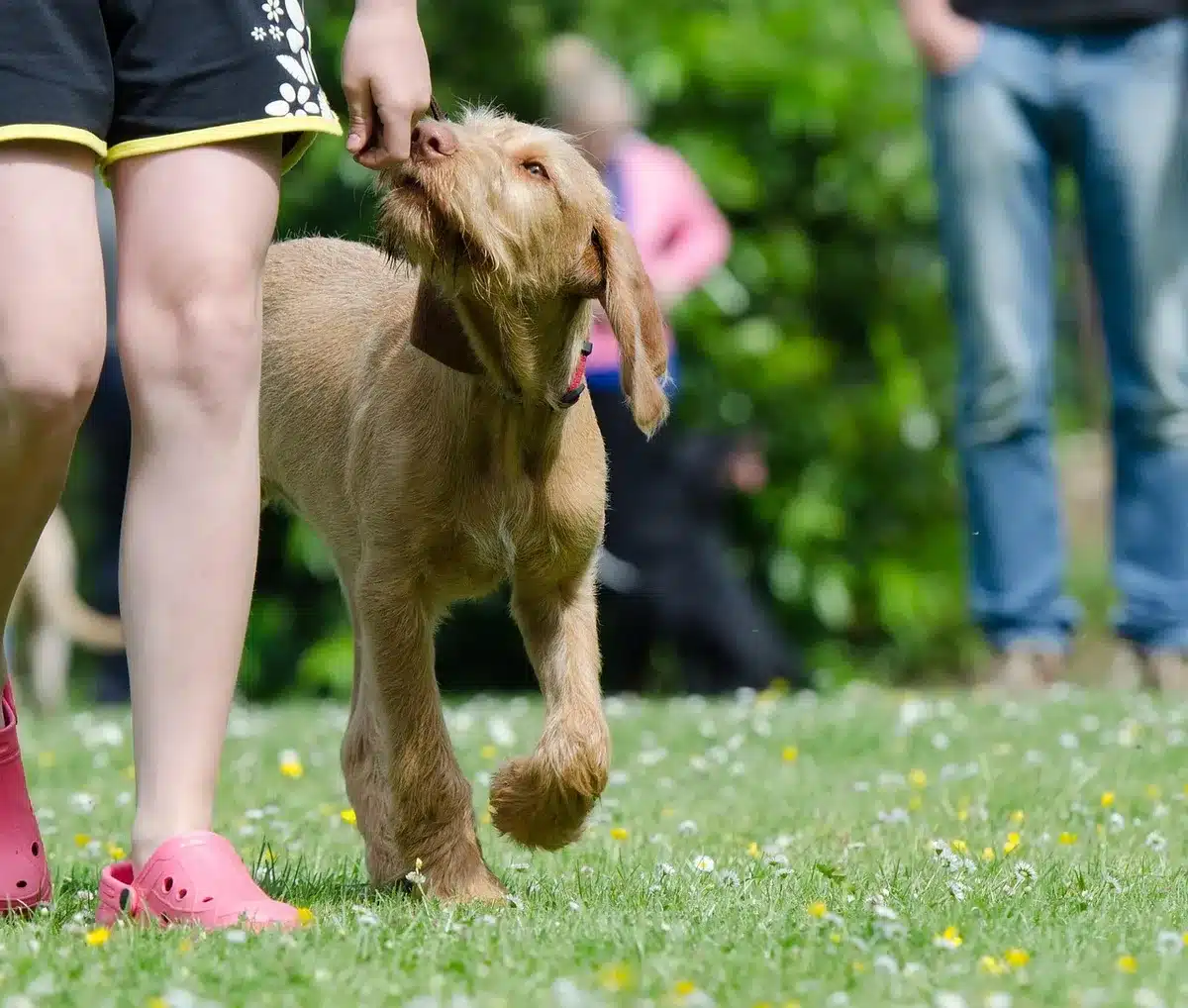
- Target scent conditioning using plant material or residues
- Marker and reward systems so the dog indicates presence consistently
- Practice searches in a variety of terrains and scent conditions
- Verification routines so handlers confirm species identity before management actions
Researchers emphasize that good field performance depends on ongoing coaching from both dog-training professionals and ecologists. Even a motivated volunteer and a highly skilled dog need expert guidance to avoid false positives and to prioritize high-risk sites effectively.
Success with invasive insects: dogs help stop the spotted lanternfly
Detection dogs have also been enlisted against invasive animals. At Virginia Tech, teams were trained to locate egg masses of the spotted lanternfly — an Asian planthopper that has spread rapidly across parts of the U.S. East Coast. In that campaign, detection teams removed roughly 10,000 egg masses, an example of how scent-trained dogs can interrupt the life cycle of a damaging invader.
Turning neighborhood walks into conservation action
One of the study’s most promising findings was social: many participants were eager to contribute. By equipping recreational dog owners with focused skills, routine outdoor time becomes valuable surveillance. With oversight from research institutions and land managers, these community teams could provide early alerts that help managers act before invasive plants become entrenched.
Integrating canine detection into larger monitoring frameworks will require planning — data-sharing platforms, standardized reporting, and clear pathways for follow-up removal — but the pilot shows the concept is achievable and engaging for the public.

You might also like:
- Invasive mussels detected by conservation dogs with Conservation Canines
- Rescued dogs from squalid house retrained as police sniffer K-9s
- Stray dog saved from death row becomes detective, sniffing out lost pets
- Lung cancer detected by dog sniffing mom’s breath: e-nose being trained to save more lives
- Why dogs dislike certain people — science has a surprising explanation

Michael Thompson is an experienced journalist covering U.S. and global news. With ten years on the front lines, he breaks down political and economic stories that matter. His precise writing and keen attention to detail help you grasp the real‑world impact of every event.

