
Show summary Hide summary
- What maerl is and why it matters for marine life
- How heavy dredging destroyed habitat — and how a ban restored it
- The role of local fishers and citizen science in the recovery
- Evidence of ecological comeback and spillover benefits for fisheries
- Why the Summer Isles’ maerl beds are nationally and globally significant
- Numbers that underline the stakes
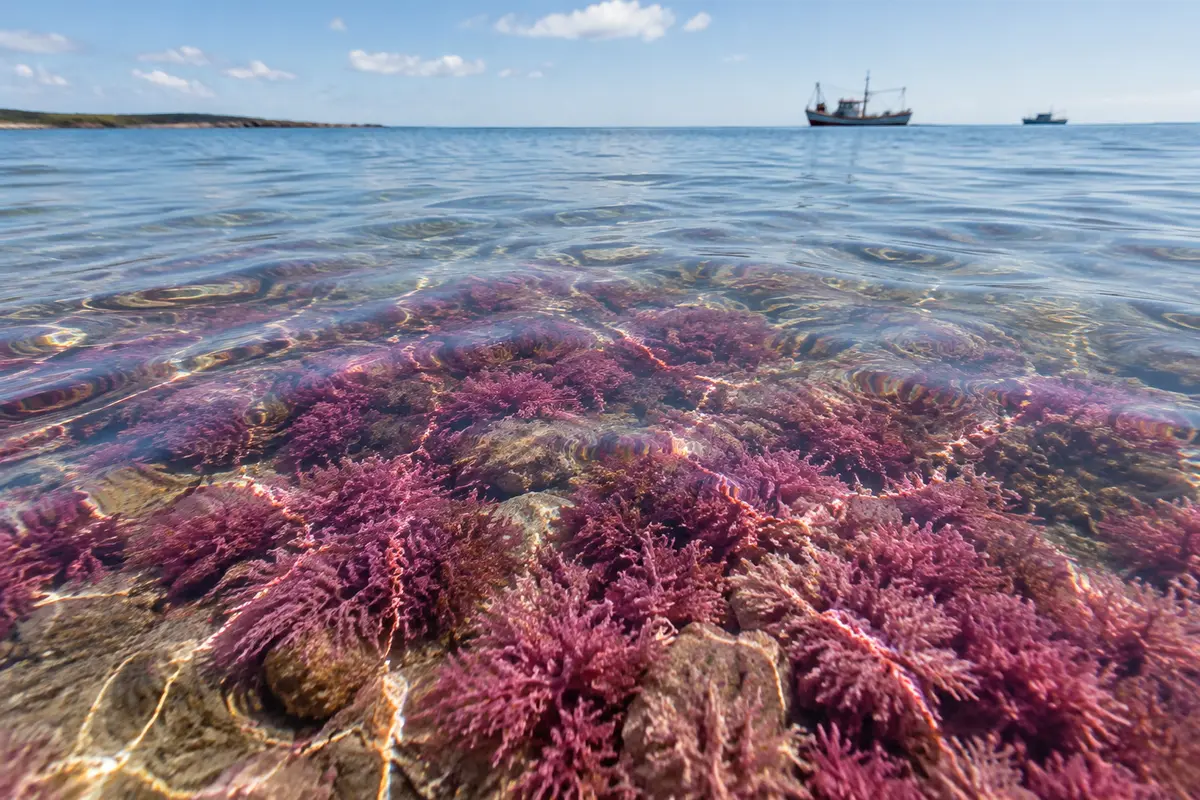
Along the windswept coast of northwest Scotland, a strange, magenta-colored seabed has quietly staged one of the clearest reversals of marine decline in recent years. Where industrial dredgers once gouged the seafloor, communities and small-scale fishers pushed for protection—and now fish, mammals and the seabed itself are rebounding.
The star of that recovery is maerl, a hard, chalky form of red algae that accumulates as loose, pebble-like nodules and builds habitat over millennia. A decade after a ban on scallop dredging around the Summer Isles, those maerl beds are now providing refuge for scallops, cod, herring and the larger predators that depend on them.
What maerl is and why it matters for marine life
The Growing Demand for Data-Driven Decision Making in Silicon Valley
He quit, ran out of money, and begged to come back — here’s how his boss reacted
Maerl isn’t the kind of seaweed you see waving near the shore. It forms dense carpets of free-moving nodules that look like pieces from an ancient bone game, but they act more like living pavement for the seafloor. Because individual nodules allow water to flow between them, maerl beds create a high-circulation environment ideal for juvenile fish and shellfish.
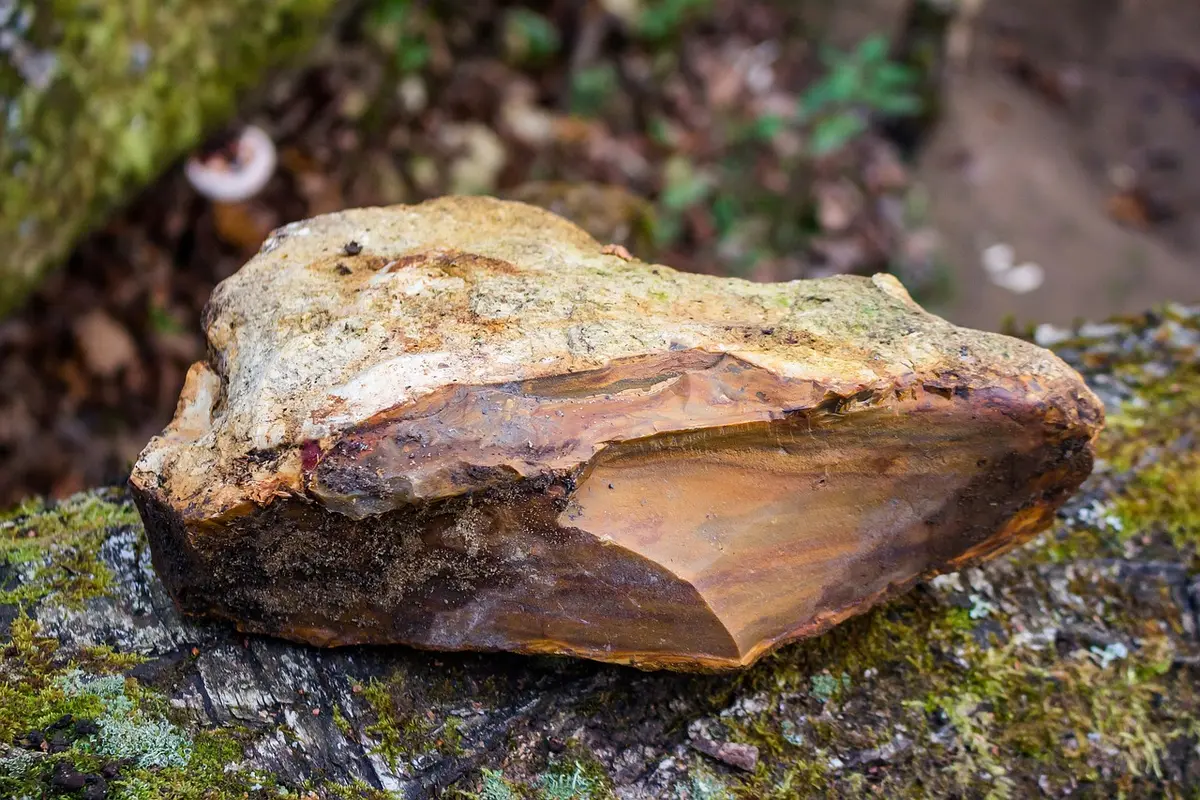
- Structure: Loose, hard nodules interlock to form complex three-dimensional habitat.
- Longevity: Some maerl formations in the Summer Isles have persisted in the same spot for roughly 9,000 years.
- Ecological role: They are foundational — supporting invertebrates and small fish that, in turn, sustain larger species including dolphins, porpoises and commercial fish stocks.
How heavy dredging destroyed habitat — and how a ban restored it
For decades, industrial scallop dredging scarred maerl beds. Heavy metal gear drags across the bottom, crushing and burying the fragile nodules. A single pass from that equipment can obliterate most of the maerl it contacts, leaving a flattened, biologically poor plain in its wake.
Community organizers, divers and scientists rallied to stop the damage. Their campaign led to the creation of a protected zone of about 150,000 acres around the Summer Isles, where scallop dredging is prohibited. The protection took effect ten years ago, and monitoring since then has shown dramatic recovery where the ban is enforced.
The role of local fishers and citizen science in the recovery
Conservation here wasn’t driven by top-down regulation alone. A coalition that included small-scale “creel” fishermen—who harvest shellfish with cages and lines rather than heavy dredges—worked alongside citizen scientists and activists to win protections. Their argument stressed two linked aims:
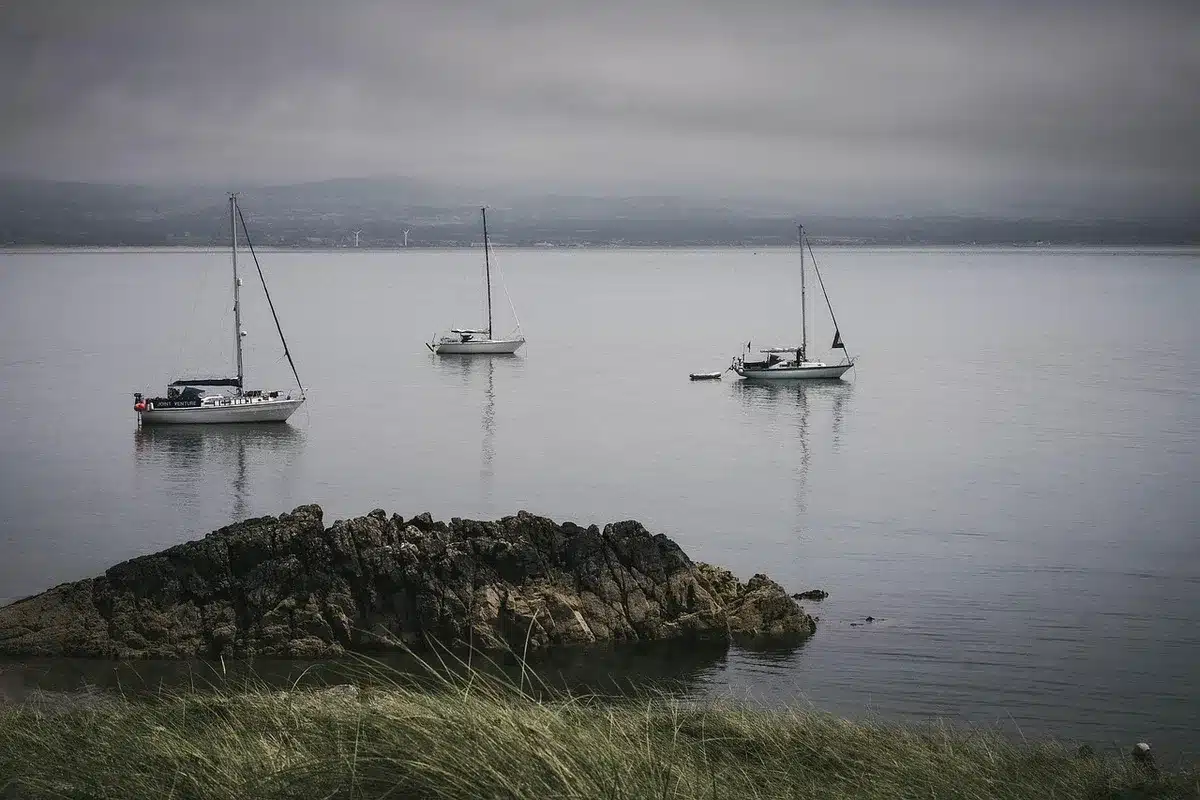
- Allow sustainable fishers to continue working with less competition from industrial vessels.
- Give depleted scallop and fish populations the space to regenerate.
That approach appealed to coastal communities because it tied healthy ecosystems to healthy livelihoods. Local observers describe the shift in terms as stark as “night and day” once maerl and associated species were left undisturbed.
Evidence of ecological comeback and spillover benefits for fisheries
Scientists say marine protected areas function as nurseries: when species are allowed to breed and grow without being constantly disturbed, populations rebound inside the zone and eventually expand into neighboring waters. The Summer Isles example follows that pattern.
- Scallop numbers have visibly increased in places that were once denuded.
- Other commercially important species, including herring, cod and haddock, are now breeding among the maerl beds.
- Marine mammals such as dolphins and porpoises have become more frequent visitors to the area, indicating richer food availability.
Long-term monitoring and diver reports corroborate these trends, showing how protective measures aimed at one vulnerable habitat can produce wider ecosystem gains.
Why the Summer Isles’ maerl beds are nationally and globally significant
Scotland is home to a disproportionate share of maerl in northwest Europe. Authorities estimate the nation contains roughly 30% of the region’s maerl beds, and many of the UK’s most important formations are found along its coasts.
Those stats give the Summer Isles protections broader importance: if the dredging ban had not been enacted, a large fraction of these ancient beds could have been lost. Because maerl accumulates slowly, damage is effectively permanent on human timescales—rebuilding what took thousands of years can take many more.
Sustainable fishing methods and policy lessons
- Creel and other low-impact gear help keep seabed habitats intact while still supporting local economies.
- Marine protected areas provide tangible spillover benefits that can boost fisheries outside the reserve.
- Community-led science and advocacy can be decisive in shaping effective, locally accepted conservation measures.
Numbers that underline the stakes
Several figures illustrate why protection matters: roughly 150,000 acres make up the Summer Isles protected zone; some maerl beds stretch over a mile and have been stable for about 9,000 years; and a single sweep of heavy dredging gear can destroy as much as 70% of the living maerl it contacts. Those data points help explain why local action to stop dredging has had such visible results for seabed recovery and for the fish and mammals that rely on it.
You might also like:
- Isle of Jersey designates 21% of territorial waters as protected
- New Zealand marine reserves: 5 new sites to protect dolphins and kelp forests off South Island
- Rare fisher spotted on trail cam in Cleveland area, first seen since 1800s
- French Polynesia protects a biodiverse marine reserve twice the size of Arizona teeming with life
- Oyster reef restoration off Portsmouth becomes England’s largest with 200+ volunteers

Michael Thompson is an experienced journalist covering U.S. and global news. With ten years on the front lines, he breaks down political and economic stories that matter. His precise writing and keen attention to detail help you grasp the real‑world impact of every event.

