
Show summary Hide summary
Scientists have long debated how much of athletic talent is inherited and how much is earned through training. A new study out of China suggests a surprising answer: fathers’ exercise routines can leave molecular traces that boost endurance in their sons, not by changing DNA but through tiny RNA molecules carried in sperm.
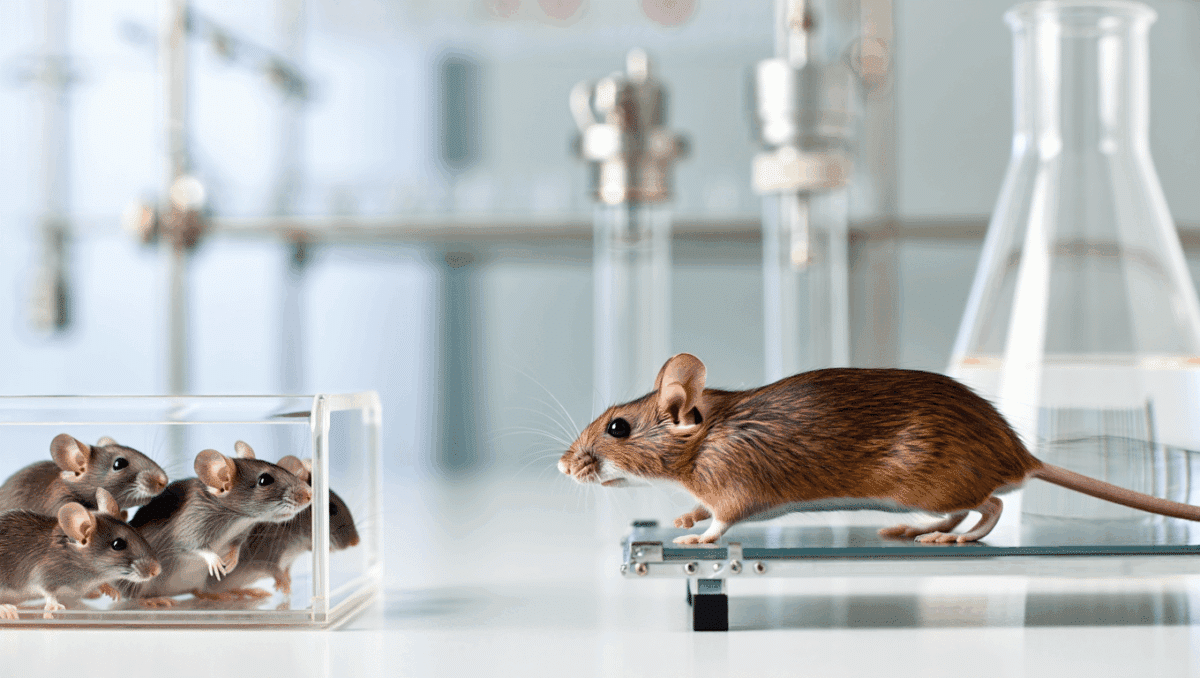
Researchers found that when male mice trained on treadmills before mating, their male pups displayed measurable physical advantages — more stamina, muscle shifts toward endurance, and resistance to fat gain. The mechanism points to epigenetics, where lifestyle alters gene expression without rewriting the underlying genetic code.
From treadmill to offspring: what the experiment showed
The Growing Demand for Data-Driven Decision Making in Silicon Valley
He quit, ran out of money, and begged to come back — here’s how his boss reacted
At Nanjing University, reproductive biologist Xin Yin and colleagues tested whether a father’s conditioned fitness could be passed to the next generation. Male mice ran on treadmills daily for two weeks, then mated with females that had not exercised. Their offspring were compared to pups sired by non-exercising males.
- Offspring of trained fathers ran longer on endurance tests.
- These pups had a greater proportion of oxidative (endurance) muscle fibers.
- They gained less weight on a high-fat diet than pups of sedentary parents.
To find a molecular explanation, the team sequenced small RNA fragments (microRNAs) in sperm and fertilized eggs. The results linked the fathers’ workouts with changes in sperm microRNA profiles that were carried into embryos and correlated with the improved metabolic and performance traits in male offspring.
Unpacking the molecular pathway behind inherited endurance
The study illuminated a biochemical pathway that connects exercise to embryo development. In muscle cells, the protein PGC-1α activates genes that build mitochondria and boost energy metabolism. Another protein, NCoR1, normally suppresses PGC-1α. The researchers discovered that certain sperm microRNAs produced after exercise target NCoR1 in the embryo, effectively releasing the brake on metabolic programming and favoring endurance-related development.
Which molecules made the difference?
From a list of candidate microRNAs, the researchers isolated one in particular and injected it into embryos fertilized by sedentary males. That single microRNA was sufficient to reproduce endurance improvements in the resulting offspring — a striking demonstration that a non-DNA molecule can carry functional, inheritable signals about paternal lifestyle.
One RNA snippet recreated paternal exercise benefits. Reviewers and outside experts described this result as unexpectedly powerful and suggestive of a broader paternal influence on offspring traits.
Human relevance and early clues from sperm samples
To test whether the mouse findings might apply to people, the team analyzed sperm from men who trained regularly and from men who did not. They identified increased levels of several microRNAs in active men that matched microRNAs elevated in trained mice — seven of the ten candidates were higher in athletic men’s sperm.
- The microRNA pattern suggests a conserved response to exercise across mammals.
- However, direct evidence that these sperm RNAs change human offspring physiology is not yet available.
- Experts caution that correlation in human samples does not prove causation.
Colin Conine, an epigeneticist not involved in the work, called the research “a novel paradigm” because it shifts attention to paternal lifestyle as a potential determinant of offspring health and performance.
Limits, sex specificity, and unanswered questions
The benefits observed in the study were sex-specific: only male offspring displayed the endurance and metabolic advantages. The effect did not persist into the grandchildren, which suggests the changes did not establish a permanent germline alteration across multiple generations.
- Male-only transmission: effects were limited to sons, not daughters.
- No multigenerational inheritance: grandchildren did not inherit the same benefits.
- Mechanistic gaps remain: the route by which exercise alters sperm content is still unclear.
Yin and colleagues proposed two main hypotheses for how exercise reshapes sperm microRNA content:
- Exercise may stimulate production of small extracellular vesicles that carry microRNAs across the blood-testes barrier into the epididymis, where sperm mature.
- Systemic hormonal changes triggered by physical activity (e.g., steroids, thyroid hormones) might directly modulate microRNA levels in developing sperm without relying on vesicle trafficking.
What scientists are testing next
The research team is expanding the inquiry beyond endurance to see what other paternal behaviors and molecular signals encoded in sperm can influence offspring. Key lines of follow-up work include:
- Mapping the full set of sperm microRNAs altered by different types of exercise.
- Tracing how those RNAs cross physiological barriers and reach developing embryos.
- Testing whether targeted microRNA changes can safely modulate metabolism or disease risk in offspring models.
The discovery opens new questions about how a father’s daily habits shape the biology of his children, and pushes epigenetics into conversations about public health, paternal preconception care, and the molecular interplay between lifestyle and heredity. The authors and outside experts emphasize caution: translating mouse findings to humans will require more data and carefully controlled studies exploring safety, mechanism, and scope. The team is already designing experiments to follow these leads and determine what other traits might be influenced by sperm-carried microRNAs.
You might also like:
- Older male whales’ singing boosts mating success, study finds
- Endangered sharks caught on video mating in three-way encounter
- 10-minute intensive workout triggers powerful anti-cancer effects, study finds
- Breast cancer risk lower after childbirth and breastfeeding, new study finds
- MS: high-altitude yak gene protects and repairs myelin in early study

Michael Thompson is an experienced journalist covering U.S. and global news. With ten years on the front lines, he breaks down political and economic stories that matter. His precise writing and keen attention to detail help you grasp the real‑world impact of every event.


Man, this study got me thinking about all the ways we inherit fitness. Like, is it all about DNA, or are there some secret fitness passcodes hidden in our sweat or something? Intriguing stuff!
Man, this studys got me thinking of my grandpas old stories. He used to swear by his daily jogs, said itd make a diff for generations. Turns out, he mightve been onto something after all!
Man, mice are out here setting fitness goals for their offspring! Who knew exercise could be passed down the fam line? Guess its time to hit the gym and make sure my future kids are getting that genetic workout plan.
I cant believe it, fam! Those mice are out here showing us up with their fitness game. Who knew exercise could be in their genes like that? Maybe we should start a “Fit Fam” gym for all the future kiddos, huh? Time to get those dumbbells and start prepping those unborn mini-athletes!
I tried to get my pet mice to exercise once, but they were not having it. Guess they missed the memo about passing down that fitness to their offspring! Maybe I shouldve given them some tiny dumbbells.
Man, these mice are onto something! Who needs DNA when you can inherit fitness through exercise? Maybe I should start hitting the gym more often, pass on some gains to my future offspring!
I heard about those pumped-up mice! Passing on fitness without DNA? Thats mind-boggling, dude. Imagine if we could inherit gains like that – no more sweating at the gym, just some fit genes from pops!
Man, these mice are really onto something with their fitness game! Passing it down to their sons but not through DNA? Thats some next-level workout routine, I gotta say. Wonder if they do mouse marathons too!
I aint no scientist, but this mouse story got me thinkin. If my grandpa ran a lot, does that mean Ill be born sprinting? *chuckles* Natures secrets are wild, man!
Bro, thats some next-level thinking right there! Imagine poppin out of the womb with Usain Bolt vibes. *laughs* Natures got some funky surprises up her sleeve, huh? Who knows, maybe youll come out sprinting like a champ!
I heard about those buff mice! Maybe I should start a family of fitness freaks too. Wonder if my future kids would inherit my gym membership instead of my messy hair genes. Priorities, right?
Man, these mice are onto something! Who knew running on a treadmill could pass on fitness to offspring? Wonder if I should start a family fitness regime… Get those little ones sprinting from day one!
Man, this study is like a sci-fi movie come true! Mice passing on fitness through exercise? Wild stuff! Makes you wonder what else can be inherited beyond DNA. The science world never fails to surprise.
I swear, these mice are onto something! Passing down fitness like a family heirloom, but not through DNA? Science is wild, man. Next thing you know, well have baby mice hitting the gym before they even open their eyes!
I remember my grandpa used to say, Its not just about the genes, its about what you do with em. Now, this study on exercised mice passing fitness to their offspring without DNA spillin the tea on a whole new level! Crazy stuff, huh?
Man, your grandpa was onto somethin! Its like those mice are hittin the gym before theyre even born, talk about proactive pups! Who knew future fitness could be in the paws of the past, huh? Wild stuff, grandpas wisdom makin a comeback in the science lab!
Man, these mice are onto something! Passing on fitness to the kiddos… but not through DNA? Thats some next-level stuff. Wonder if I can hit the gym and magically make my future mini-me a fitness pro too!
Man, these mice are out here passing on fitness to their offspring like its a family heirloom! But hold up, not through DNA? Thats some next-level workout magic. Can you imagine if we could inherit gains like that? Sign me up!