
Show summary Hide summary
- Recent census findings: births, new mothers, and population totals
- Primary dangers to recovery: ships, gear and slow reproduction
- Migration paths and key habitats: from Florida breeding grounds to Canadian feeding areas
- Encouraging trends — and how they compare to other whale recoveries
- Actions that have helped and steps researchers want expanded
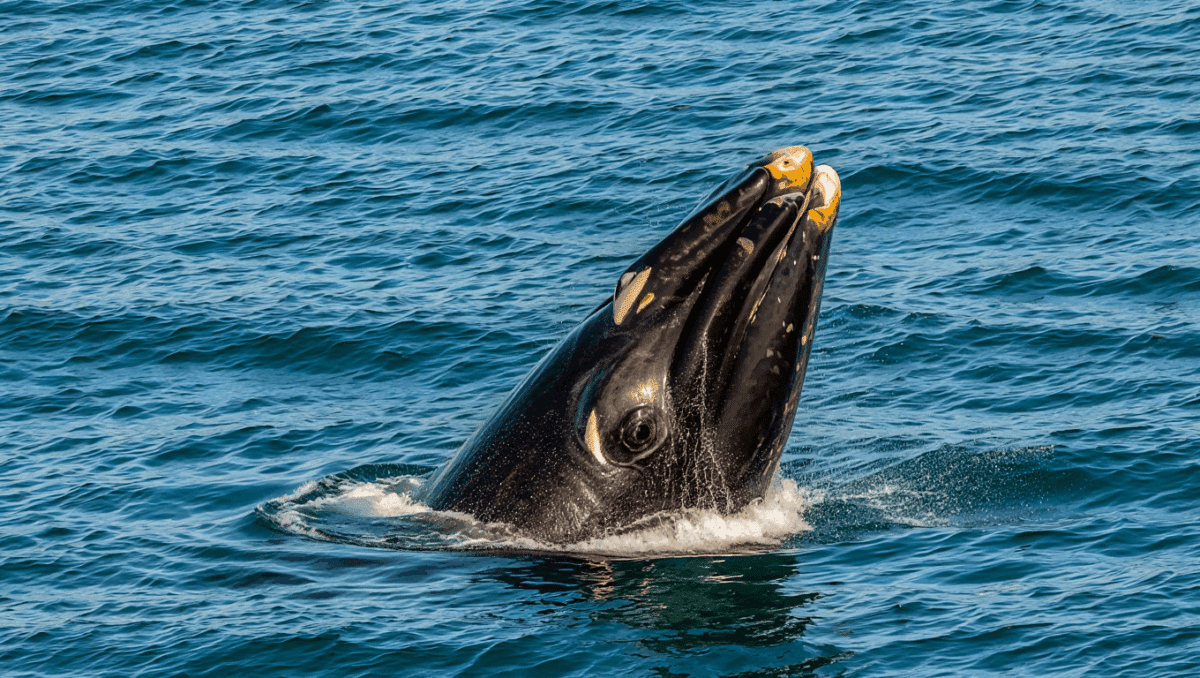
Scientists tracking the North Atlantic right whale are cautiously celebrating a rare bright spot: a year with no confirmed deaths and a small boost in newborns. Marine biologists say the uptick — while modest — reflects the payoff from targeted protections and renewed efforts to reduce collisions and fishing-related injuries.
The latest tally from the North Atlantic Right Whale Consortium shows 11 calves were recorded this season and four females produced their first calves, bringing the estimated population to about 384 animals. Researchers emphasize that the improvement is fragile and dependent on continued safeguards across both U.S. and Canadian waters.
Recent census findings: births, new mothers, and population totals
The Growing Demand for Data-Driven Decision Making in Silicon Valley
He quit, ran out of money, and begged to come back — here’s how his boss reacted
Field teams and researchers combined sighting reports, aerial surveys and photo-identification to update the species’ census. Key points from the most recent count include:
- 11 calves documented in the latest season
- Four first-time mothers added to the breeding cohort
- Estimated total population: roughly 384 North Atlantic right whales
- No confirmed mortalities reported during the season covered by the consortium’s release
Primary dangers to recovery: ships, gear and slow reproduction
Right whales face two persistent threats that limit recovery: vessel strikes and entanglement in fishing gear. These injuries can reduce females’ ability to nurse and reproduce, which slows overall population growth even when calves are born.
- Ship strikes: Collisions can be fatal or cause severe wounds that reduce reproductive success.
- Fishing gear entanglement: Ropes and traps can maim whales, impair swimming and feeding, and lead to long-term health decline.
- Low calving rates: Compared with other baleen whales, right whales reproduce more slowly and are vulnerable to population setbacks.
Migration paths and key habitats: from Florida breeding grounds to Canadian feeding areas
Each year these whales travel between warm wintering and calving zones off the southeastern U.S. (including areas near Florida) and rich summer feeding grounds in the Gulf of St. Lawrence, the Bay of Fundy and other cold-water regions off New England and eastern Canada. Scientists point to protections in Canadian waters as particularly important for the recent improvements.
Researcher perspective
Philip Hamilton, a senior scientist at the New England Aquarium’s Anderson Cabot Center for Ocean Life, says the gradual increase demonstrates that targeted management can work. He notes that a steady, modest rise sustained over multiple years would be the most realistic path to recovery — provided protections remain in place.
Encouraging trends — and how they compare to other whale recoveries
While the right whale’s rebound is slower than that of humpbacks and blue whales in some regions, there are positive signs: fewer detected injuries this season and shorter intervals between calves for some mothers. Conservationists highlight several whale species that have shown notable returns after protections were enacted:
- Humpback whales recovering beyond pre-whaling numbers in parts of the Southern Hemisphere
- Sei whales reappearing in Argentine coastal waters after long absences
- A rare sighting of a gray whale near Cape Cod, a species absent from the Atlantic for centuries
- Blue whales increasingly frequenting California waters at levels not seen since commercial whaling
Actions that have helped and steps researchers want expanded
Scientists credit several management measures for the improved outlook and recommend building on them. Proven and proposed strategies include:
- Speed restrictions and routing changes for large vessels in known whale habitats
- Seasonal and area-based fishing closures or modified gear rules to reduce entanglement risk
- Improved real-time detection systems (aerial surveys, acoustic monitoring, and on-water reporting) to warn mariners
- Greater international coordination between U.S. and Canadian authorities where whales move across boundaries
- Continued investment in disentanglement teams and research on whale-safe fishing technologies
You might also like:
- Endangered whale spotted in Ireland migrates to US, baffling scientists
- Blue and fin whale sightings increase, offering new hope for survival
- Humpback whale subspecies confirmed by genetic analysis
- Macronesia marine sanctuary protects waters around 4 Atlantic islands and critical whale habitat
- Older male whales’ singing boosts mating success, study finds

Michael Thompson is an experienced journalist covering U.S. and global news. With ten years on the front lines, he breaks down political and economic stories that matter. His precise writing and keen attention to detail help you grasp the real‑world impact of every event.


I remember hearin about these majestic creatures years back. Glad to hear the North Atlantic right whale populations slowly bouncin back. Hopefully well keep em safe from ships and nets. Nature needs these beauties.
Man, these right whales are like the undercover agents of the sea, slowly making a comeback. Its like a marine soap opera, will they or wont they survive? Props to the scientists for keeping tabs on these gentle giants!
Yo, these right whales really are like the James Bonds of the ocean, sneaking back in slowly but surely. Its like a real-life drama series down there, will they make it or not? Big shoutout to the scientists for keeping an eye on these majestic beasts!
I remember readin bout those right whales strugglin a while back, so this uptick in their numbers is like a breath of fresh ocean air. Ships, gear, and slow baby-makin still gotta be watched, though.
Man, totally feel ya on that! Its like seein a comeback kid finally catch a break. Gotta keep an eye on those whales though, cant let them slip through the cracks again. Natures gotta have its fighters, yknow?
My great-aunt Sally used to tell stories bout these majestic creatures, how they danced in the ocean like they owned the waves. Hope them scientists are right bout the North Atlantic right whales makin a comeback. Nature needs its icons, yknow?
Man, its like a slow-motion comeback for those North Atlantic right whales. Ships and gear still messing with their vibe, but at least theyre making a slow but steady return. Rooting for those gentle giants!
Oh, totally get what youre saying about those North Atlantic right whales! Its like theyre on a comeback tour, but the paparazzi (aka ships and gear) keep crashing the party. Its a slow jam, but hey, slow and steady wins the race, right? Lets keep cheering for those ocean celebrities!
Man, its like seeing an old friend get back on their feet. These right whales have been through some tough times, but hearing about their slow but sure increase in numbers? Thats the good news we all need.
I remember back when spotting a North Atlantic right whale was like finding a rare treasure. Glad to hear their numbers are creeping up again. Hope we can keep them safe from those pesky boat collisions.
Ah, the North Atlantic right whales, slow and steady making a comeback like a underdog in a sports movie. Hope they can dodge those ship collisions and gear entanglements, like heroes evading obstacles in a game. Go, whales, go!
Man, these North Atlantic right whales, theyre the real MVPs of the sea, aint they? Slowly making a comeback, facing all kinds of dangers, yet still hanging in there. Respect to those gentle giants and the scientists keeping tabs on em.
I remember readin bout those majestic North Atlantic right whales strugglin. Good news theyre bouncin back, slow but steady. Lets give em space in the ocean dance floor, ya know?
Man, those North Atlantic right whales are like the underdogs of the ocean, fighting their way back up the population ladder. Its like a slow-motion comeback story, with ships and gear playing the villains. Lets root for the whales, folks!
I remember readin bout them right whales bein in trouble, glad to hear the numbers inchin up. Hope they keep steer clear of them ship dangers, gotta protect these gentle giants, yknow?