
Show summary Hide summary
- Who Mojtaba Khamenei Is and How He Rose to Power
- Immediate Global Reactions and Security Risks
- The Domestic Legitimacy Challenge: Theology, Heredity and Public Trust
- Martyrdom, Memory and the Regime’s Messaging
- Economic Pressure, Sanctions and Elite Wealth
- Internal Power Dynamics and the Regime’s Survival Strategy
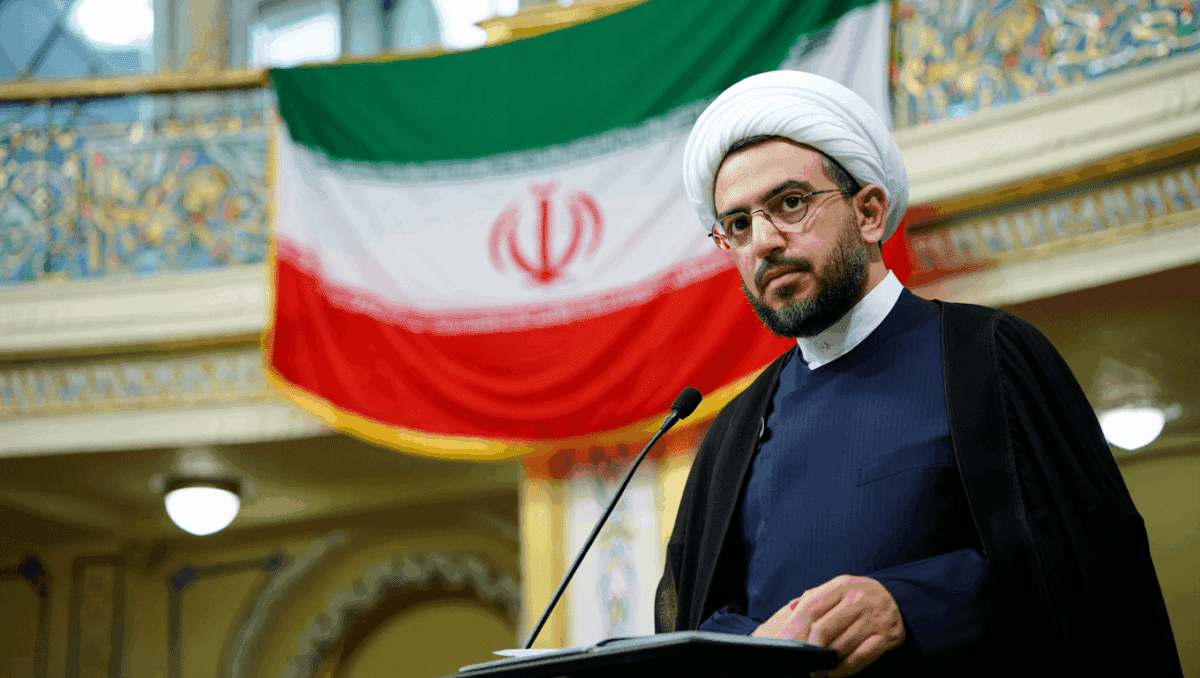
Mojtaba Khamenei’s elevation to Iran’s supreme leadership has thrust the country into an uncertain new chapter. Announced on Monday by the nation’s clerical council, the younger Khamenei inherits an institution weakened by internal dissent, economic strain and an expanding regional war — and he must now prove that the theocratic system can survive under his command.
The path that led Mojtaba to the top was long anticipated inside the corridors of power, yet his stewardship begins amid unprecedented domestic unrest and mounting external threats. His first weeks in office will test not only his political skill but whether the Islamic Republic’s model of governance still commands popular loyalty.
Who Mojtaba Khamenei Is and How He Rose to Power
The Growing Demand for Data-Driven Decision Making in Silicon Valley
He quit, ran out of money, and begged to come back — here’s how his boss reacted
Mojtaba, the second son of the late Ayatollah Ali Khamenei, has been a visible figure within Iran’s elite for decades, though he never achieved the theological stature of the nation’s founding clerics. His prominence grew after his father’s elevation to the supreme leadership in 1989, and he played a decisive role in shaping Tehran’s political lineup in the 2000s.
- Political influence over personal religious standing: Unlike the revolutionary generation of clerics who earned authority through scholarly reputation and wartime credentials, Mojtaba’s influence stems largely from political maneuvering and family ties.
- Key interventions in elections: He was an important backer of hardline candidates during the mid-2000s and took an active role in securing re-election victories that consolidated conservative control — moves that burnedish his reputation among insiders while galvanizing opposition among the public.
- Limited battlefield pedigree: His wartime experience during the Iran-Iraq War was brief compared with many veteran clerics and commanders, and he did not build the same kind of grassroots military or revolutionary credentials that earlier leaders used to cement legitimacy.
Immediate Global Reactions and Security Risks
The announcement did not go unnoticed on the world stage. International leaders responded quickly, with some dismissing his new role and others offering cautious support. These reactions underline the security dilemmas now facing Tehran.
Political and military responses abroad
- Hostile rhetoric from adversaries: Senior figures from the United States and Israel signaled they view Mojtaba as an unacceptable leader and a potential target — language that raises the specter of escalatory military planning.
- Support from strategic partners: Russia and China publicly pledged backing for Iran’s new leader, offering diplomatic cover but not a guarantee of protection on the ground.
- Heightened vulnerability: With Iran already engaged or in tension with several regional powers, the possibility of strikes and covert actions against senior figures adds another layer of instability.
The Domestic Legitimacy Challenge: Theology, Heredity and Public Trust
Taking the helm through a process that many view as effectively hereditary creates a contradiction for a system that rose by overthrowing dynastic rule. The clerical elite’s decision to fast-track Mojtaba into the top religious office undermines the meritocratic or scholarly image the theocracy has historically claimed.
- Religious credentials vs. political expediency: Mojtaba’s promotion to the rank of ayatollah came more from political calculus than from demonstrable theological achievement, which may weaken his moral authority among more devout or scholarly constituencies.
- Perception of dynastic succession: Many critics point out that installing a direct family successor echoes the very monarchical traditions the 1979 revolution rejected, creating an ideological inconsistency that opponents can exploit.
How this matters on the streets
Public sentiment has shifted in recent years from revolutionary zeal to exhaustion. Large-scale protests that once called for reform have evolved into broader expressions of anger at corruption, economic decline and the regime’s willingness to sacrifice citizens in regional conflicts. This widespread fatigue undercuts the state’s ability to mobilize popular support for sacrificial rhetoric.
Martyrdom, Memory and the Regime’s Messaging
The leadership has long used religious narratives, especially the symbolism of Karbala and martyrdom, to rally supporters and legitimize sacrifice. The deaths of senior figures and family members in foreign strikes create a narrative the regime can deploy to inspire loyalty and frame its leaders as defenders of the faith.
Yet the appeal of martyrdom is not universal. For many Iranians who have lived through decades of economic hardship, repression and international isolation, calls to die for the cause ring hollow. The contrast between rhetoric and material reality — a hollowed economy and a ruling elite accused of amassing vast personal wealth — deepens popular skepticism.
Economic Pressure, Sanctions and Elite Wealth
Iran’s economy has been battered by recurring crises, mismanagement, and stringent international sanctions. Ordinary citizens have borne the brunt of hardship while allegations persist that top families and insiders profited from state connections to build assets abroad.
- High inflation, joblessness and currency devaluation have eroded living standards across social classes.
- Sanctions tied to Iran’s regional policies and nuclear program have limited the government’s economic options and contributed to public frustration.
- Perceptions of elite enrichment — including property and financial holdings overseas — fuel resentment and narratives of hypocrisy.
Internal Power Dynamics and the Regime’s Survival Strategy
Mojtaba now presides over institutions that combine religious, political and military authority. Keeping the different branches aligned — the judiciary, the parliament, security services and the Revolutionary Guard — will be crucial if he hopes to avoid internal splits that could further weaken the system.
Potential sources of friction
- Competing military and security factions: Units with independent power bases may resist centralization or seek to protect their interests in a time of vulnerability.
- Conservative clergy vs. pragmatic technocrats: Differences over strategy — whether to double down on confrontation or open limited reforms to ease pressure — could fracture decision-making.
- Local protests and urban unrest: Continued demonstrations can tie down security resources and expose the regime to reputational damage both domestically and internationally.
As Iran’s new supreme leader, Mojtaba faces the dual tasks of deterring external attacks and reasserting internal control — all while trying to maintain a fragile claim to moral and spiritual authority. How he balances repression, symbolism and concessions will shape whether the Islamic Republic survives its latest crisis or continues toward deeper instability.
Kunwar Khuldune Shahid is a journalist based in Pakistan.
You might also like:
- Iran’s Islamic Republic: why it must fall
- Iran military defeat: is it possible and what would it take
- Iran protests: Iranians rise up against brutal Islamist rulers
- Iranians protest nationwide against Iran’s clerical regime
- Islamic Republic human rights abuses: new report exposes systemic repression

Robert Johnson is a dedicated columnist focusing on political and social debates. With twelve years in editorial writing, he provides nuanced, well‑argued perspectives. His commentaries invite you to form your own views and engage in critical issues.


Oh, great, another hardliner in charge. Its like a bad sequel no one asked for. Lets see how this one plans to shake things up. Brace yourself for some déjà vu and a sprinkle of controversy, folks!
Oh, great, another hardliner following in daddys footsteps. Cant they throw a plot twist in there? Its like a never-ending series with the same boring plotline. *yawn* Lets see how this rerun plays out this time.
Ugh, seriously, another copycat in the making? Boring! Why cant they spice things up a bit? Its like Groundhog Day but with the same old script on repeat. *eye roll* Lets hope they surprise us for once and shake things up – you know, keep us on our toes!
Man, this new supreme leaders got big shoes to fill, followin in his fathers hardline footsteps. Wonder how hes gonna shake things up or keep the same ol song and dance. Time will tell, I guess.
Man, this new supreme leader in Iran got big shoes to fill with his dads hardline legacy. Wonder if hell be a copycat or surprise us all. Could be a bumpy ride ahead, folks!
Man, talk about big shoes to fill. Sure hope Mojtaba Khamenei knows what hes doing, following in his fathers footsteps. Can he keep up with the hardline legacy, or are we in for a wild ride?
I mean, come on, its like a bad sequel to a movie no one asked for. Cant they just hit us with a plot twist for once? Same old hardline policies on repeat. Yawn.
Ugh, tell me bout it! Feels like theyre just hitting replay on the same old worn-out VHS tape. Im craving a plot twist so epic itll make my popcorn fly across the room! Cant they sprinkle some spice in there for once? Like, give us a curveball or something to keep us on our toes, you know?
Man, talk about keeping it all in the family. Like father, like son, huh? Wonder if hell bring some twists or just stick to the classics. Will the people buy it this time around? Time to grab the popcorn and watch the show unfold.
I mean, like father, like son, right? Who knew the whole like father like son thing would apply to supreme leaders too. Wonder if Mojtaba Khameneis gonna bring anything new to the table or just stick to the ol hardline menu?
Wait, are we in for a rerun of the hardline show? I thought we were due for a reboot. Guess the sequels gonna stick to the classic recipe. Hope it doesnt flop like other franchises.
Man, talk about like father, like son, huh? Hardline policies on steroids. Wonder how this Mojtaba Khamenei plans to shake things up or keep the same old show running. Bet the dramas just getting started.
Man, talk about big shoes to fill! Being the son of a hardline supreme leader aint no walk in the park. Wonder if Mojtaba Khameneis gonna bring more of the same, or shake things up a bit. Time will tell, I guess.
Mojtaba Khamenei stepping into his fathers shoes? Sounds like a sequel to a movie nobody asked for. Wonder how this new act will shake up the same old hardline storyline. Grab your popcorn, folks!
Man, the apple doesnt fall far from the tree, huh? Wonder how this new supreme leader will navigate the dynamics. Hope it doesnt escalate tensions further. Time for some intense political chess moves, I guess.
I aint buyin this whole like father, like son deal. Cant trust the ol apple falls far from the tree. Gonna be one heck of a ride seein how Mojtaba Khamenei handles things. Let the drama unfold!
I mean, is it just me or does it feel like were stuck in a loop here? Like, father, like son, huh? Wonder if hes gonna mix it up or keep the hardline hits coming. *eye roll*