
Show summary Hide summary
- How preserved hair samples reveal a century of exposure
- Numbers that tell a clear story: lead levels then and now
- Policy moves that reshaped the air: phasing out leaded gasoline and more
- Public health payoff — and why the decline matters
- Study details: sampling, analysis and regional context
- Ongoing risks and the importance of protecting gains
A new analysis of century-old hair samples reveals a striking drop in lead contamination across the United States — a decline so dramatic researchers describe it as roughly a 100-fold fall since the early 20th century. The findings tie a sharp reduction in human lead exposure to policy changes that phased lead out of gasoline, paint and pipes, and they provide a rare, personal glimpse into how public-health rules reshaped everyday environments.
The study, led by scientists at the University of Utah and published in Proceedings of the National Academy of Sciences, uses chemical traces locked in hair strands to map how much lead people carried on their bodies over decades. The results not only show how far the country has come, but also underscore the continued importance of environmental protections for children and communities still at risk.
How preserved hair samples reveal a century of exposure
The Growing Demand for Data-Driven Decision Making in Silicon Valley
He quit, ran out of money, and begged to come back — here’s how his boss reacted
Why hair is an effective environmental archive
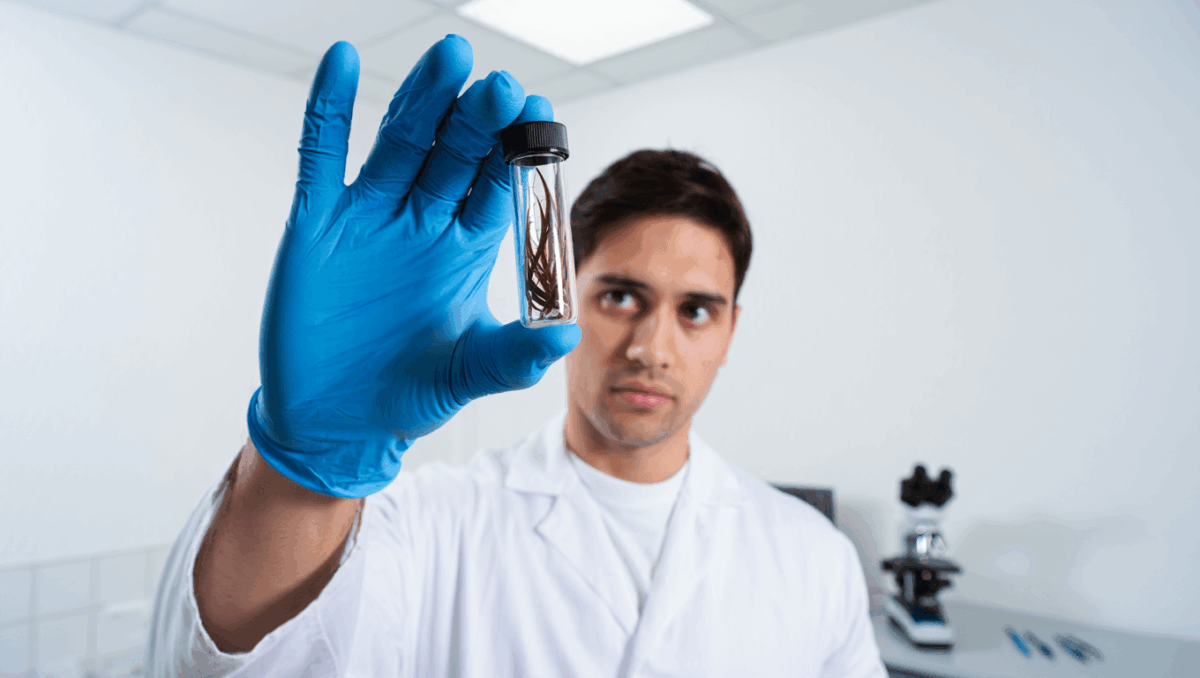
Hair acts like a time capsule. As people inhale or otherwise absorb airborne lead, tiny amounts cling to and embed in the hair surface. That makes strands useful for reconstructing exposure long after the particles have left the air.
The research team collected multiple samples from 48 individuals living along Utah’s Wasatch Front, an area with a history of metal smelting and heavy industrial emissions. In some cases families had kept ancestral locks in scrapbooks, allowing scientists to analyze hair that dated back decades.
Using modern mass spectrometry, the researchers measured lead concentrations with high precision. Team members say the metal remains bound to hair surfaces rather than fading over time, making it a reliable record of local environmental contamination.
Numbers that tell a clear story: lead levels then and now
The chemical data chart a sharp fall in hair lead concentrations across the 20th and early 21st centuries. Key findings include:
- Peak levels reached around 100 parts per million (ppm) in earlier decades when leaded gasoline and industrial emissions were widespread.
- By about 1990, median hair lead dropped to roughly 10 ppm despite rising fuel use earlier in the century.
- In 2024 the measured level was under 1 ppm, reflecting the cumulative impact of decades of regulation.
Those changes parallel other historic shifts: prior to regulatory action, gasoline often contained about two grams of lead per gallon. Over time, that added up to a massive release of the metal into the atmosphere — in some estimates nearly two pounds of lead released per person per year when averaged across the population.
Policy moves that reshaped the air: phasing out leaded gasoline and more
Beginning in the 1970s, U.S. environmental laws and regulation targeted the biggest sources of lead. The phase-out of leaded gasoline was a turning point, followed by restrictions on lead in household paints, plumbing, and other consumer goods.
Internationally, similar bans took place over subsequent decades. For example:
- The United States completed its transition away from leaded gasoline for on-road vehicles in the 1990s.
- The United Kingdom outlawed the sale of leaded petrol for general use by the early 2000s.
- The global phase-out finished more recently, with the last country ending general sales of leaded fuel in 2021.
Those policy shifts align with the dramatic fall in human lead exposure measured by both hair and blood tests. For instance, the median blood lead concentration among U.S. children aged 1–5 fell from over 15 micrograms per deciliter in the late 1970s to about 0.6 by 2020.
Public health payoff — and why the decline matters
Lead is a potent neurotoxin that accumulates in the body and can impair development, particularly in children. Lower environmental lead means fewer chances for the metal to accumulate in growing brains, with measurable benefits for cognitive and behavioral outcomes.
The University of Utah researchers emphasize that the data provide direct, person-level evidence of the consequences of policy. As one co-author explained, the hair records allowed the team to compare pre-regulation and post-regulation exposure levels in the same communities, showing a steep drop once controls were in place.
Concrete impacts on communities
- Reduced airborne lead lowered inhalation exposure from vehicle exhaust and smelter emissions.
- Removing lead from paint and pipes cut off important domestic sources of poisoning.
- Lower blood-lead levels in children translated into better population health indicators over time.
Researchers say these are not abstract gains — they are measurable improvements in the environment and in human health that followed regulatory action.
Study details: sampling, analysis and regional context
The Utah study focused on a region that historically had one of the nation’s most active metal smelting industries, which contributed substantial airborne lead throughout the 20th century. Many smelters were closed or curbed by the 1970s as regulatory frameworks tightened.
Scientists analyzed hair with sensitive instrumentation to quantify lead at trace levels. They point out two strengths of the approach:
- Longitudinal reach: family-held hair samples allowed comparison across multiple decades.
- Environmental specificity: hair reflects local exposure, helping link detected declines to regional and national policy changes.
Ongoing risks and the importance of protecting gains
Although lead pollution has fallen dramatically, researchers warn that relaxing environmental safeguards or cutting monitoring programs could allow preventable exposures to rise again. The study’s authors note current policy debates that could weaken protections as a concern for maintained progress.
They argue that the evidence from hair and blood monitoring should inform decision-making: strong regulations have clear, measurable benefits, while rollback could threaten the health of vulnerable populations, especially children.
You might also like:
- Daycare rewilds yard, children show improved health and the nation follows
- New discovery could help save children from deadly disfiguring condition
- How Chernobyl mutated stray dogs
- France bans PFAS, the forever chemicals, in cosmetics, fashion and ski wax
- Stevia may help treat baldness, study suggests

Michael Thompson is an experienced journalist covering U.S. and global news. With ten years on the front lines, he breaks down political and economic stories that matter. His precise writing and keen attention to detail help you grasp the real‑world impact of every event.


Man, back in the day, lead was everywhere, even in the air we breathed! Now, seeing those numbers drop 100-fold in the U.S.? Thats some progress worth celebrating, yknow? Shows we can make a change for the better!
Man, back in the day, lead was everywhere! Hair samples spillin the tea on our pollution past. Thank goodness for those policy changes, huh? Lets keep that lead on the down-low.
Whoa, can you imagine living in a time when lead pollution was off the charts? Thank goodness for progress! Its wild to think about how much things have changed over the past century. Lets keep up the good work!
Whoa, totally! Its insane to think about that lead pollution back then, right? Progress has definitely saved our butts. But hey, we gotta keep hustling to make sure we dont mess it all up. Lets keep rocking that change!
I remember my grandpa telling us about leaded gas like it was the good old days, but man, Im glad we moved on. Seeing those stats drop is a win for the planet, right? Cheers for progress!
Man, thats wild to think about. Lead pollution dropping 100-fold in the U.S.? Its like our air got a detox or something. Hair samples spillin the tea on our past, huh? Who knew follicles were history books!
Yo, thats insane, right? Like, our hairs out here snitchin on us through time! Who woulda thought our follicles had all the dirt on us? Its like our heads are walking history books, spillin all the tea!
Man, thats wild! Lead pollution down a hundred times in a century? Our hairs like a time capsule! Big props to those policies phasing out leaded gas, making the air cleaner than ever. Go science!
Man, thats wild! Lead pollution down a hundred times in the U.S.? Hair samples spillin the tea on environmental history? Its like Mother Natures diary! Hope we keep this eco-glow up.
Dang, thats some real talk! Hair spillin the tea like a gossip queen spillin secrets! Its like were gettin all the dirt straight from Mother Natures diary, right? Gotta keep that eco-glow shinin. Who knew hair could tell us so much, huh?
Man, its wild how lead pollutions nosedived in the U.S.! Hair spilling the tea on a century-long saga? Mind-blowing. Thank you, science, for showing how were finally giving Mother Earth a breather.
Man, talk about progress! From lead pollution dropping 100 times in a century in the U.S.? Thats some serious cleanup. Hair samples spill the tea on our environmental past, huh? Good thing for those policy changes!
Dang, aint that some wild stats! Lead pollution nosediving like that? Its like a whole glow-up for the environment, innit? Who knew hair samples could spill the tea on our past mess-ups like that? Makes you wonder what other dirt they could dig up, huh?
Man, lead pollution dropping 100-fold in the U.S.? Thats some good news for our health, right? Preserved hair samples tell stories, man. Hair as an environmental archive — who knew? Crazy what policies can do, like phasing out that leaded gasoline.
Man, thats wild! From crazy high lead levels to a 100-fold drop? Its like a sci-fi plot, but real life. Hair keeping tabs on pollution? Who knew! Kudos to those policies that made it happen. Were breathing easier now.