
Show summary Hide summary
- Early studies: what the lab work shows about stevia and hair follicles
- Possible ways stevia might help hair growth (hypotheses researchers are testing)
- How people are experimenting with stevia for hair now — methods and caution
- What experts and regulators say: tempering enthusiasm with evidence demands
- What to watch next: studies, product development, and clinical trials
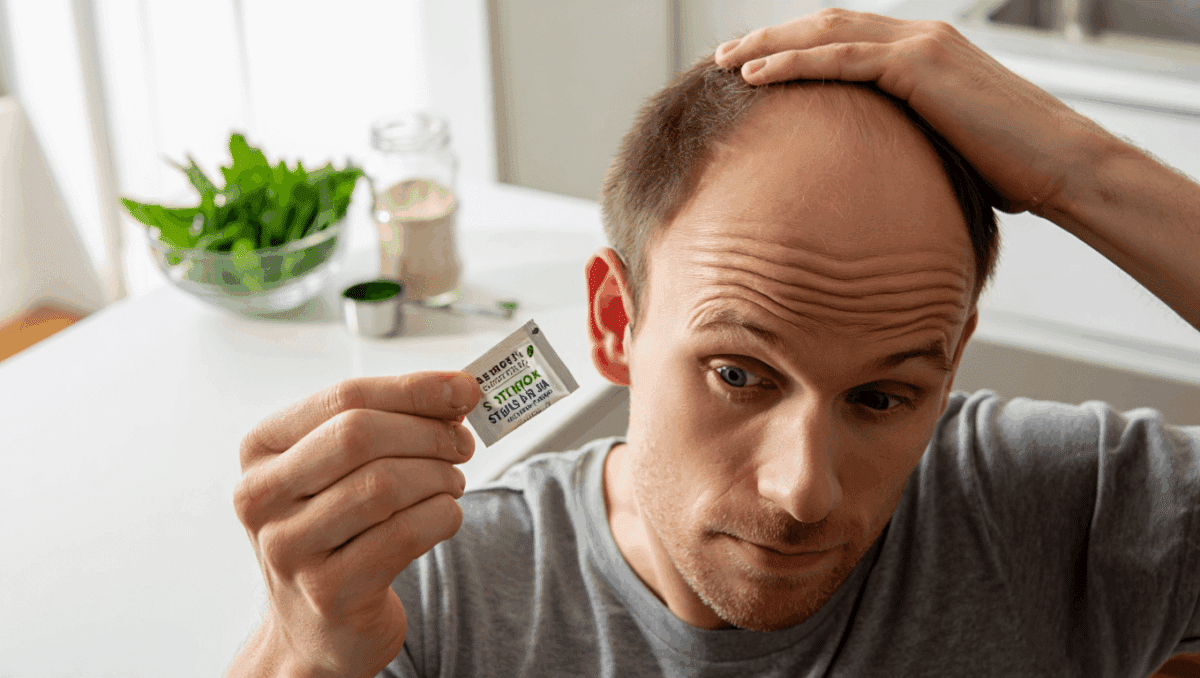
Interest is growing in an unexpected place: the kitchen pantry. The natural sweetener stevia, long prized as a zero-calorie sugar substitute, has caught the attention of researchers exploring new ways to treat hair loss. Early laboratory findings suggest compounds in stevia could stimulate hair follicles — but the path from petri dish to clinic is still long and uncertain.
As millions look for safe, affordable alternatives to current hair-loss therapies, the idea that a plant-based extract might support hair regrowth is attracting headlines. Scientists urge caution, however: initial results are promising but preliminary, and rigorous human studies are still needed to confirm any benefit for baldness or alopecia.
Early studies: what the lab work shows about stevia and hair follicles
The Growing Demand for Data-Driven Decision Making in Silicon Valley
He quit, ran out of money, and begged to come back — here’s how his boss reacted
Several recent studies have explored the effects of stevia extracts on hair cells and animal models. These experiments typically use concentrated steviol glycosides (the sweet compounds in stevia) or related fractions applied to cultured hair follicles or to the skin of lab animals.
- Follicle stimulation in vitro: Researchers report that some stevia-derived compounds appear to encourage hair follicle cells to enter the growth phase, increasing cell proliferation in controlled lab settings.
- Animal model observations: In a few rodent experiments, topical application of stevia extracts corresponded with faster hair regrowth compared with untreated controls.
- Biochemical markers: Lab analyses hint at changes in growth-factor signaling and reduced markers of oxidative stress after treatment with certain stevia fractions.
These findings are important as a first step, but they do not prove stevia will work the same way in humans. Laboratory and animal data can guide future trials, yet many compounds that look promising in preclinical tests fail to deliver clinically.
Possible ways stevia might help hair growth (hypotheses researchers are testing)
Investigators are exploring several mechanisms by which stevia components could influence hair health. None are confirmed in people, but they offer plausible biological pathways to study further.
- Antioxidant and anti-inflammatory action: Oxidative stress and inflammation can damage follicles. Stevia extracts contain antioxidants that may protect follicle cells and reduce harmful inflammation.
- Growth factor modulation: Some studies suggest stevia compounds may upregulate signaling molecules tied to the anagen (growth) phase of hair.
- Improved microcirculation: Enhanced blood flow to the scalp supports nutrient delivery; preliminary data indicate stevia could influence microvascular function in treated skin.
- Hormonal interactions — a question mark: Whether stevia affects hormones involved in pattern hair loss, such as dihydrotestosterone (DHT), is not established. Any claims that it blocks DHT should be treated skeptically until proven.
How people are experimenting with stevia for hair now — methods and caution
Even without clinical approvals, interest has led to DIY approaches and commercial products combining stevia extracts with topical formulations. If you’re considering trying stevia-based hair treatments, keep safety and evidence in mind.
Common approaches seen today
- Topical serums or oils infused with concentrated stevia extract.
- Homemade solutions mixing powdered stevia or liquid extract with carrier oils.
- Oral supplements marketed for hair health that include stevia derivatives as part of a blend.
Safety tips before trying any stevia-based hair product
- Patch test first: Apply a small amount on the forearm and wait 24–48 hours to watch for irritation or allergic reaction.
- Use products from reputable manufacturers with clear ingredient lists and concentration data.
- Consult a dermatologist if you have scalp conditions, are on prescription hair-loss treatments, or have a history of allergic reactions.
- Avoid assuming oral stevia intake (as a sweetener) gives the same effect as concentrated topical extracts — dosing and exposure differ greatly.
What experts and regulators say: tempering enthusiasm with evidence demands
Dermatologists and hair scientists emphasize that robust human clinical trials are the gold standard. While plant-derived compounds have been the source of many effective medicines, promising lab results do not equal proven treatments.
- Regulatory bodies require well-designed randomized controlled trials to establish safety and efficacy for any medical claim about treating baldness.
- Researchers stress the need for standardized extracts and clear dosing guidelines before any broad recommendations can be made.
- Potential interactions with existing hair-loss medications and long-term safety profiles must be evaluated.
What to watch next: studies, product development, and clinical trials
Follow-up work in the next few years will determine whether stevia moves beyond a laboratory curiosity to a validated option for hair loss. Key developments to monitor include:
- Publication of human clinical trials testing topical stevia preparations for androgenetic alopecia or other alopecias.
- Evidence of consistent, reproducible results with standardized stevia extracts and clear mechanisms of action.
- Safety reporting from larger studies addressing irritation, allergic reactions, and long-term use.
- Regulatory reviews or approvals if manufacturers seek claims for hair regrowth.
Until stronger clinical evidence emerges, stevia should be viewed as a potentially interesting, but unproven, avenue for hair regrowth research.
You might also like:
- Breast cancer: scorpion venom shows promising results in lab study
- Psychedelics may treat depression by rewiring the brain, study finds
- DMT, the spirit molecule, protects brain from stroke in mice, study finds
- Christmas spices: powerful antioxidants and natural nutraceuticals
- Back pain: new cannabis pill may relieve it without the high

William Anderson is a multimedia producer specializing in videos, podcasts, and interactive galleries. With five years of immersive content creation, he turns information into a rich audio‑visual experience. His storytelling skills draw you directly into the heart of every story, on any platform.


Man, I remember my granny swearing by some natural remedies for everything! If stevia can really help with baldness, thatd be wild. Who knew sugar substitutes could be the secret to luscious locks? Time to raid the pantry!
I once tried stevia in my coffee for a week, thinking itd give me superpowers. Didnt grow any more hair, but hey, maybe that lab studys onto something. Who knew my morning sweetener could be my new hair growth secret weapon?
I know Granny always said stevia was a magic herb, but baldness cure? Now thats some next-level potion brewing! Cant wait to see if this sweeteners the real deal or just another fairy tale gone rogue.
Granny always had her quirky remedies, didnt she? Stevia for baldness sounds like a recipe straight outta a fairy tale cookbook! Cant wait to see if this brews a miracle potion or just another sprinkle of magic dust. Who knows, maybe Granny was onto something after all!
I mean, if stevia can help with baldness, sign me up! Imagine a world where we can sprinkle some sweetness on our cereal *and* grow luscious locks at the same time. Talk about multitasking miracles, right?
I remember my granny used to swear by natural remedies for everything, including hair loss. Stevia for baldness? Sounds like she was onto something after all! Maybe I should give it a shot and see if I can grow a luscious mane like hers.
I totally feel you, man! Grannys old-school wisdom might just be the secret sauce weve been missing. Who knows, maybe stevia could be the magic potion for those luscious locks! Worst case scenario, we end up with sweet-smelling scalps, right? Worth a shot, Id say. Cheers to grannys unconventional remedies!
I once tried a DIY hair mask with stevia, ended up looking like a walking sugar cube. But hey, if science says it can tackle baldness, count me in! Who knew this sweet plant had secret hair superpowers?
Dude, imagine if sprinkling some stevia on your oatmeal not only sweetens it but also helps with hair loss? Sounds like a win-win to me! Who knew this little sweetener could potentially be a hair hero too? Science is wild, man!
Dude, thats like finding out your favorite hoodie has secret pockets! Stevia for sweetening and fighting hair loss? Talk about a double agent in our breakfast bowl! Who knew our morning oats could be this sneaky? Science really be out here playing 4D chess, man!
Man, I remember when my granny brewed stevia tea for every little ache. Who knew it could also be the secret sauce for a fuller head of hair? Natures got some tricks up her sleeve, huh?
Man, my grandpa used to swear by stevia for everything! Who knew it could also help with baldness, huh? Natures little secret weapon, I guess. Maybe I should start sprinkling it on my head, too!
My cousin swears by stevia for everything from sweetening coffee to DIY face masks. Now hair growth? Ill believe it when I see it. But hey, if it works, count me in for a stevia hair tonic!
I heard about stevias sweetness, but hair growth? Thats wild! Curious to see if it’s legit or just another trendy myth. Cant wait to see if my bald uncle starts sprinkling it on his head!