
Show summary Hide summary
- How the changes were put into effect and where chaos followed
- Transport data, emergency services and commuter impact
- Local businesses and tourism: who lost footfall and revenue
- Political fallout, public reaction and media coverage
- Lessons for city planners and possible next steps
- Broader context: why Oxford Street matters in London’s transport debate
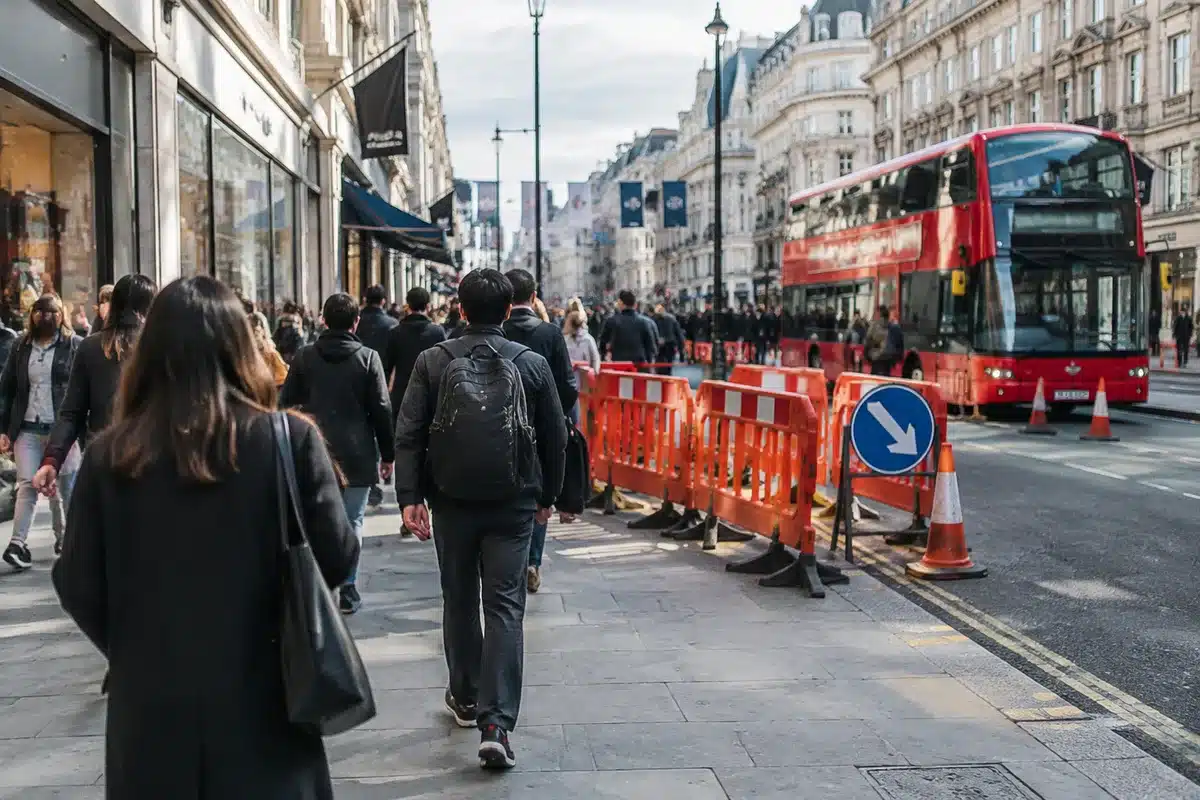
Sadiq Khan’s latest street-design experiment turned a busy stretch of central London into a scene of confusion and frustration on Friday, as major traffic reroutes, delayed emergency responses and angry retailers combined into hours of disruption on Oxford Street. Commuters and tourists found themselves stranded, buses were diverted, and social media filled with videos of long queues and congested side streets — all unfolding just days after the city rolled out the newest phase of its low-traffic plan.
City Hall framed the move as part of a long-term effort to reduce emissions and prioritize walking and cycling. Opponents blasted the timing and execution, calling the rollout reckless. The clash has refocused attention on how urban redesigns are planned, communicated and managed in a city that depends heavily on surface transport and retail footfall.
How the changes were put into effect and where chaos followed
The Growing Demand for Data-Driven Decision Making in Silicon Valley
He quit, ran out of money, and begged to come back — here’s how his boss reacted
What was altered on Oxford Street
- The council implemented expanded pedestrian zones, restricting vehicular access for large sections of the street during peak daytime hours.
- Several bus routes that historically crossed Oxford Street were rerouted onto parallel south–north corridors, increasing traffic on side streets.
- Temporary signage, barriers and new signal timings were introduced in a compressed timeframe, leaving many drivers and pedestrians unsure about permitted routes.
Immediate consequences
- Bus delays of up to 40 minutes were reported during the morning and evening peaks, according to independent commuter groups.
- Taxi and ride-hail drivers complained of being held up by new one-way systems, creating knock-on delays across the West End.
- Retail staff and delivery drivers struggled to make scheduled drops, with some chains reporting missed stock replenishments.
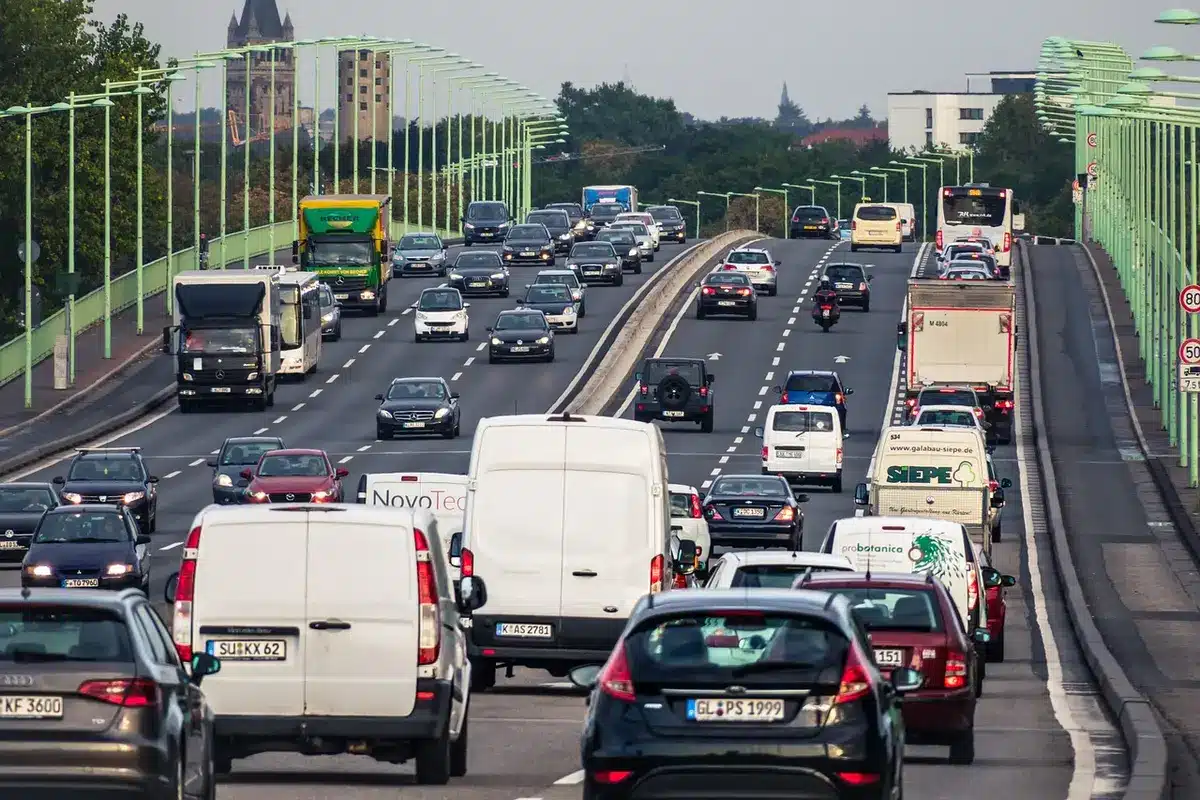
The result, for many, was a day of gridlock that contrasted sharply with the council’s promise of a smoother, greener street.
Transport data, emergency services and commuter impact
Public transport users report long waits
Rerouted buses and crowded stops forced commuters to seek alternatives. Tube stations around Oxford Circus and Tottenham Court Road recorded higher-than-usual entries and exits, but Tube capacity couldn’t fully absorb the diverted street-level traffic. Commuter advocacy groups say that without coordinated contingency plans, shifting surface demand to the Underground only relocates congestion rather than solves it.
How emergency services were affected
- London’s ambulance service acknowledged slower response times in parts of the West End during the morning rush as crews navigated unfamiliar temporary restrictions.
- Fire and police units reported minor detours; officials say there were no preventable casualties, but the delays raised concerns among frontline staff.
Emergency responders stressed the need for clearer, pre-published diversion maps whenever major street changes are scheduled.

Local businesses and tourism: who lost footfall and revenue
Oxford Street is a retail artery; even limited disruption can ripple through daily sales. Independent retailers and some flagships reported that midday footfall dipped, while nearby shopping centers profited from diverted shoppers. Market analysts warn that recurring interruptions could shift long-term consumer habits away from streets that feel unpredictable.
- Smaller businesses cited missed deliveries and reduced lunchtime trade as immediate costs.
- Some international visitors, confused by closure signs and crowded sidewalks, shortened their shopping itineraries.
- A few restaurants reported last-minute cancellations when diners opted for more accessible neighborhoods.
Political fallout, public reaction and media coverage
Opposition voices and council defense
Conservative councilors and business groups accused the mayor of rushing changes without proper stakeholder engagement, alleging that the rollout prioritized appearance over practical planning. City Hall defended the move as essential for meeting air quality targets and reshaping the city for the long term, noting that similar pedestrian schemes in other cities had produced environmental and public health gains.
Protests, petitions and public sentiment
- Shopkeepers organized a petition demanding clearer delivery windows and exemptions for essential vehicles.
- Motorist groups held an impromptu convoy on adjacent streets to highlight the impact of the new one-way systems.
- Environmental advocates argued the disruption was a temporary cost for a necessary transition away from car-dominated streets.
Public sentiment is sharply divided: some see Oxford Street’s redesign as overdue climate action, others as a mismanaged experiment that harmed local livelihoods.
Lessons for city planners and possible next steps
Urban redesigns are rarely flawless, but the Oxford Street episode underscores recurring lessons for municipal authorities and planners:
- Phased rollouts that include contingency plans for peak travel days reduce the risk of widespread disruption.
- Early, detailed communication with retailers, transport operators and emergency services is essential to maintain basic logistics.
- Real-time monitoring and rapid-response teams can fix signage errors and adjust signal timings before congestion cascades.
What officials can change quickly
- Publish clear, downloadable routing maps for buses, deliveries and emergency vehicles.
- Establish dedicated lanes and priority access for essential services during transition periods.
- Offer temporary financial relief or logistical support to affected small businesses while changes bed in.
City Hall has signaled that it is reviewing the rollout and may make tactical reversals to ease immediate pressure, even as it defends the long-term goals.
Broader context: why Oxford Street matters in London’s transport debate
Oxford Street is more than a shopping strip; it’s a barometer for how London balances economic activity, public health and climate commitments. The recent events show the difficulty of imposing rapid changes on a densely used urban artery without detailed, cross-sector coordination. As cities worldwide pursue low-emission zones and pedestrian-first policies, London’s experience will be watched closely by planners and politicians alike.
Questions that remain
- Will shoppers return once initial disruptions subside, or will behavior change persist?
- Can the city roll out greener streets without repeating the mistakes that fueled this week’s backlash?
- How quickly will officials implement fixes that protect both public health goals and the livelihoods dependent on central London footfall?
You might also like:
- Aberdeen hit hard by net zero policies as oil jobs and economy suffer
- In Singapore, Luxury Isn’t Owning A Ferrari Or A Lamborghini. The Real Luxury Is Just Having A Car, Even A Junk One
- England street violence risk rises as protests and tensions escalate
- Children’s lungs grow faster in London as traffic pollution drops
- Intifada hits London: pro-Palestine protests spark clashes

Robert Johnson is a dedicated columnist focusing on political and social debates. With twelve years in editorial writing, he provides nuanced, well‑argued perspectives. His commentaries invite you to form your own views and engage in critical issues.

