
Show summary Hide summary
- Disputed tolls and the 48-hour ceasefire: what each side is saying
- How the Taliban’s harboring of militants fuels cross-border attacks
- Why Pakistan treats the TTP differently from the Taliban
- Diplomatic aftershocks: India’s outreach to Kabul and regional reactions
- Economic pain and the impact of a sealed border
- Why outside powers tread carefully around the Pakistan-Afghanistan frontier
- What the immediate weeks could bring for security and diplomacy
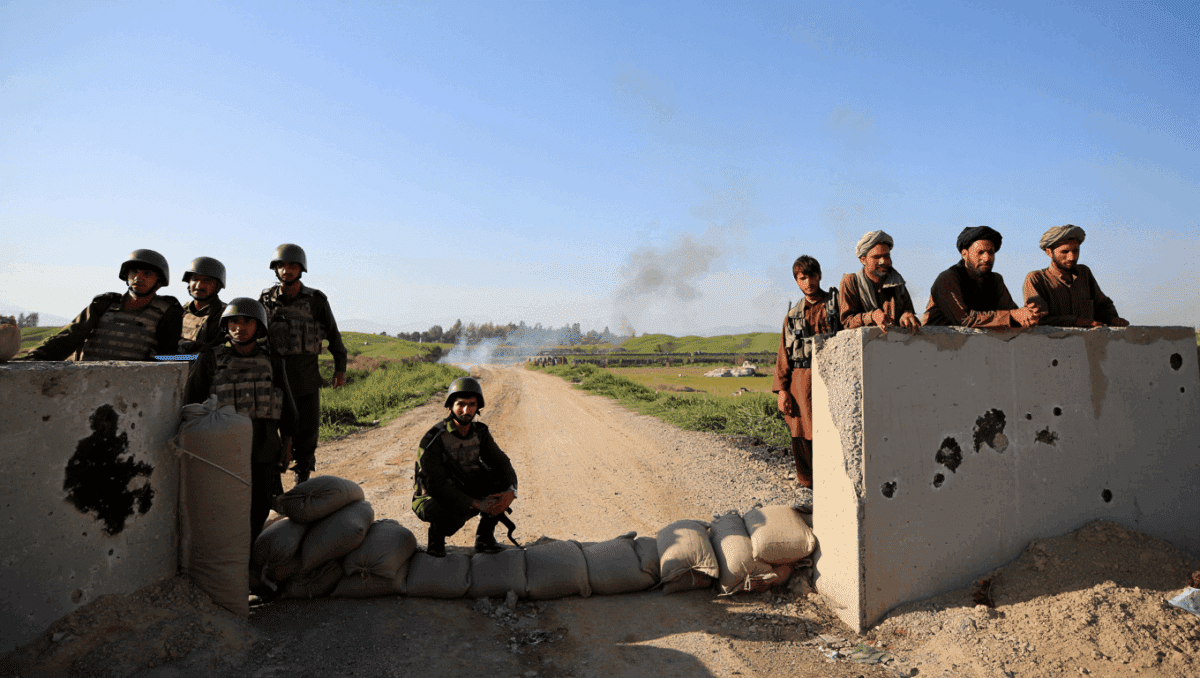
Afghan and Pakistani forces traded some of the fiercest blows in years over the weekend, escalating a long-simmering crisis that has deep roots in militant networks, historical grievances and shifting regional alliances. The violence left dozens dead, prompted a short-lived ceasefire, and highlighted how militants based in Afghanistan are continuing to project violence across the border into Pakistan.
Behind the headline clashes lie competing casualty claims, disputed battlefield accounts and a broader geopolitical tug-of-war involving Islamabad, Kabul, New Delhi, Riyadh and Beijing. With journalists largely shut out of the borderlands, the true scale and sequence of events remain murky, but the episode has already reshaped diplomatic calculations across South and Central Asia.
Disputed tolls and the 48-hour ceasefire: what each side is saying
The Growing Demand for Data-Driven Decision Making in Silicon Valley
He quit, ran out of money, and begged to come back — here’s how his boss reacted
Officials on both sides have offered sharply different tallies of the fighting, and independent verification has been made difficult by restricted access to the frontlines.
- Afghan officials said their forces killed dozens of Pakistani soldiers between Saturday evening and the start of a 48-hour ceasefire on Wednesday.
- Pakistan’s government reported a lower number of military fatalities and said it had “neutralized” hundreds of Taliban fighters and allied militants.
- The Taliban disputed Pakistan’s claims about the size of its losses, offering much smaller figures for casualties among their ranks.
With both sides entrenched in competing narratives and reporters largely excluded from contested border areas, independent confirmation of any claim is currently limited.
How the Taliban’s harboring of militants fuels cross-border attacks
At the heart of the confrontation is a long-standing accusation by Pakistan that the Taliban administration in Kabul provides refuge to Tehrik-e-Taliban Pakistan (TTP) fighters. Islamabad says these militants have used safe havens inside Afghanistan to launch deadly attacks within Pakistan.
The ideological and historical link
The relationship between the Taliban and the TTP goes beyond opportunistic sheltering. Both groups draw on the same conservative strain of Islam known as Deobandi, and their fighters have shared battlefields and networks for decades — tracing back to the anti-Soviet insurgency and the chaotic wars that followed.
That ideological kinship and a history of cooperation make it politically difficult for the Taliban to crack down decisively on TTP cells on Afghan soil.
Why Pakistan treats the TTP differently from the Taliban
Pakistan’s tolerance for the Taliban — complicated and fraught as it has been — does not extend to the TTP, largely because of the TTP’s stated political aims and refusal to accept international borders.
- The TTP has openly rejected the Durand Line, the 19th-century boundary demarcation that separates Afghanistan and Pakistan, and some of its leaders advocate for redrawing or eliminating that border.
- Its declared goal of merging parts of Pakistan’s northwest with Afghanistan directly challenges Pakistan’s territorial integrity and sovereignty.
- Pakistan has endured a persistent wave of attacks attributed to the TTP in provinces such as Khyber Pakhtunkhwa and Balochistan.
These dynamics make the TTP an existential security threat in Islamabad’s view, even when Pakistan prefers a less confrontational stance toward the Taliban state in Kabul.
Diplomatic aftershocks: India’s outreach to Kabul and regional reactions
The flare-up came on the heels of a high-profile diplomatic move: the Taliban’s foreign minister visited India, where talks included steps toward restoring full diplomatic ties and even reopening an embassy in Kabul. For Pakistan, any warming between New Delhi and Kabul raises alarm bells.
- Islamabad has long accused India of covertly backing anti-Pakistan militants — charges New Delhi denies — and fears that closer India-Afghanistan ties could complicate its western frontier.
- Still, an alliance between the Taliban and the nationalist government in New Delhi would be inherently unstable, given the ideological gulf between Taliban rule and Indian political trends.
Regional powers stepped in quickly to urge calm. Saudi Arabia — which recently signed a defense pact with Pakistan — pressed both capitals to restrain their forces, while China offered mediation, mindful of the Belt and Road Initiative’s reliance on some stability in the region.
Economic pain and the impact of a sealed border
Beyond battlefield losses, the closure of border crossings has immediate humanitarian and economic consequences. Both Pakistan and Afghanistan depend heavily on agriculture, cross-border trade and informal supply lines that now face disruption.
- Local traders, farmers and transporters are already reporting losses and shortages as goods and labor flows are choked off.
- The suspension of commerce compounds a broader economic malaise affecting both capitals and increases domestic pressure to de-escalate.
Why outside powers tread carefully around the Pakistan-Afghanistan frontier
History and geography make the northwest frontier notoriously resistant to external intervention. Foreign actors have repeatedly found that local alliances crumble and the terrain complicates any attempt to impose order from the outside.
That reality informs the cautious statements from Riyadh and Beijing: both prefer to nudge the parties toward a negotiated pause rather than risk deeper entanglement in a volatile border war. Yet the patterns of cross-border militancy and mistrust mean that outside mediation has limits.
What the immediate weeks could bring for security and diplomacy
Expect continued diplomatic shuttle diplomacy as regional capitals monitor the situation closely. Pakistan’s security apparatus will likely press for tangible commitments from Kabul to rein in militant groups, while the Taliban will weigh the domestic and ideological costs of any crackdown on allied networks.
- Possible short-term outcomes include renewed localized ceasefires, targeted military operations, and intensified intelligence exchanges among regional partners.
- Longer-term fixes — such as formal agreements on cross-border militancy or mechanisms to enforce the Durand Line — face political, ideological and logistical hurdles.
Absent transparent access for journalists and independent monitors, many of the week’s most consequential claims will remain contested, and the risk of renewed flare-ups will persist as militant groups continue to test the limits of state control on both sides of the border.
You might also like:
- Kurds betrayed by the West: what it means for regional stability
- Terrorist state: leader says we can’t make peace
- Afghan sex offenders: what communities and policymakers need to know
- Rooftop solar in Pakistan powers nation as fossil fuels fail, sparking boom
- Border necessary for a country, officials warn

Robert Johnson is a dedicated columnist focusing on political and social debates. With twelve years in editorial writing, he provides nuanced, well‑argued perspectives. His commentaries invite you to form your own views and engage in critical issues.


Man, these clashes are like a never-ending rollercoaster of tension! Feels like a game of tag gone terribly wrong. Wonder if peace will ever get a real chance to shine through all this mess.
Man, this whole Afghanistan-Pakistan showdown brings back memories of heated family feuds. You think theyd sort out those disputed tolls and ideological beef without all the cross-border drama. Its like a never-ending saga of stubbornness meets history class gone wrong.
Man, these border clashes between Pakistan and Afghanistan got me thinking about that time my neighbors argued over the fence. But this? This is on a whole other level. Wonder if theyll ever find common ground.
Man, these clashes got me feeling like historys stuck on repeat. When will the cycle of violence end? Both sides need to break this pattern, or were all in for a rough ride.
Man, these clashes between Pakistan and Afghanistan, its like a never-ending drama series with no commercial breaks. Can someone pass the popcorn? Its getting intense out there, folks! Time to grab a front-row seat and watch the geopolitical fireworks unfold.
Man, these clashes between Pakistan and Afghanistan feel like a broken record. When will they learn to sit down and talk instead of resorting to violence all the time? Its like a never-ending cycle of chaos and blame.
Man, its like watching a rerun of a bad movie on loop! Youd think by now theyd realize that the whole fighting thing aint getting em anywhere. When will they finally grab a cup of chai and chat it out, rather than throwing punches left and right? Its like a never-ending drama series with no season finale in sight.
Man, these border clashes, its like a never-ending game of tug-of-war. Pakistan, Afghanistan, always at it. Makes you wonder if theyll ever sort things out or stay stuck in this cycle forever. What a mess.
Man, these cross-border fights between Pakistan and Afghanistan, its like a never-ending saga, am I right? The tolls, ceasefires, ideological beef… Cant they just sit down, have some chai, and sort things out peacefully for once?
Man, these clashes aint new. Its like a broken record, same old tune playing on a loop. Pakistan and Afghanistan need to sort out their differences, pronto. The cycle of violence gotta end somewhere, right?
Man, these cross-border clashes always get me on edge. Its like a never-ending cycle of tension and uncertainty. Wonder if theyll ever find a way to settle things without all this drama.
Man, these clashes aint new. Been simmerin for ages. Pakistan and Afghanistan? Feels like a bad romance. TTP, Taliban, militants… its a messy tango out there. When will the music stop playin?
Man, these border clashes aint new – been going on since my grandpas time. Its like a never-ending cycle of tension and blame. Wonder if these leaders will ever figure it out.
I remember watching the news with my grandpa, hed mumble about these clashes, shaking his head. Feels like a never-ending cycle, yknow? Wonder if theres a way to break it, or were just stuck in this mess forever.
Man, these cross-border clashes between Pakistan and Afghanistan aint no joke. Its like a never-ending drama series with no commercial breaks. Wonder if theyll ever sort it out or keep this ping-pong game going forever.
Man, tell me about it! Its like a never-ending soap opera with these two, right? Wonder if theyre playing some twisted game of chess without even knowing it. But seriously, hope they figure it out soon cause this back-and-forth is getting old real quick.
Man, these clashes between Pakistan and Afghanistan are like a bad sequel to a movie no one asked for. Cant they just sit down, chill, and sort things out without resorting to violence all the time? Its getting old, real fast.