
Show summary Hide summary
- Radar reveals the scale: what the numbers actually mean
- Why conditions aligned for a record-breaking flight
- How BirdCast turns weather radar into a birdwatching tool
- What this means for conservation and everyday bird lovers
- Practical steps to help migrating birds tonight
- How to follow future migration events and get involved
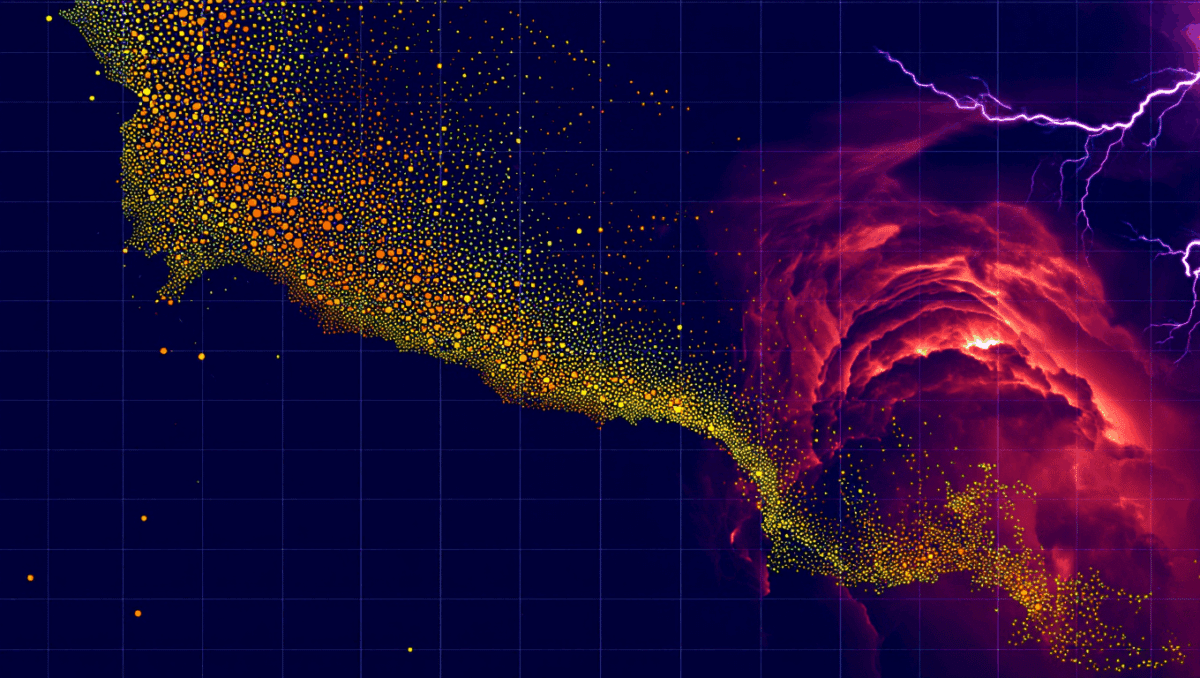
More than a billion birds poured south across North America in a single night this fall, a movement so vast it registered as the largest one-night total ever measured by a live radar migration project. The spectacle unfolded after sunset on September 25, when radar normally used for weather forecasting picked up an unprecedented stream of avian travelers heading toward wintering grounds.
The observations come from BirdCast, the Cornell Lab of Ornithology–led initiative that turns weather radar into a live migration-monitoring system. BirdCast’s maps showed an estimated more than 1.2 billion birds in motion that night—surpassing the one-billion milestone first recorded in October 2023 and setting a new high-water mark for the project.
Radar reveals the scale: what the numbers actually mean
BirdCast converts radar returns into estimates of migrating birds, allowing researchers and the public to visualize movements that are otherwise invisible after dark. The September 25 event not only exceeded previous totals but also concentrated an astonishing share of the continent’s birds in flight at once.
The Growing Demand for Data-Driven Decision Making in Silicon Valley
He quit, ran out of money, and begged to come back — here’s how his boss reacted
- Estimated birds in flight that night: 1.2+ billion.
- Typical peak-night estimate during fall migration: around 400 million.
- Proportion of North American birds aloft that night: roughly 10% of the continent’s total bird population.
Andrew Farnsworth, a visiting scientist with the Cornell Lab and a principal researcher on BirdCast, described the figures as staggering. Even for migration experts, the volume and geographic scope of the movement were striking—radar painted a picture of a continent-scale, coordinated push toward winter habitats.
Why conditions aligned for a record-breaking flight
Scientists say the event wasn’t random. Migration surges often depend on weather and timing, and late September offered a near-perfect convergence of factors that made long-distance travel efficient and safe.
- Favorable winds: Calm conditions and supportive tailwinds over much of the central United States and the Mississippi River valley helped birds expend less energy while covering long distances.
- Clear skies and stable air: Reduced storm activity and steady atmospheric conditions made night flights safer.
- Migration timing: The date coincided with the peak period for many species leaving breeding areas and heading southward.
Those conditions allowed a much larger-than-usual fraction of migrating birds to take off and make significant progress in a single night, producing the dramatic radar signature BirdCast recorded.
How BirdCast turns weather radar into a birdwatching tool
What makes this moment visible is the repurposing of weather radar networks. BirdCast’s algorithms separate biological echoes from precipitation and other atmospheric noise, producing both live migration maps and short-term forecasts.
Features available to the public
- Live migration maps show where birds are moving right now.
- Forecast maps predict when big waves of migration are likely to occur.
- Data is publicly accessible, allowing communities, researchers, and conservation groups to monitor movement in real time.
The BirdCast effort is a collaboration between the Cornell Lab of Ornithology and university partners at Purdue, the University of Illinois Urbana-Champaign, and UMass Amherst, translating radar science into a conservation and outreach platform that invites public engagement.
What this means for conservation and everyday bird lovers
Large-scale migration nights are awe-inspiring, but they also highlight persistent threats migratory birds face during travel. One of the most severe is collisions with glass and lit buildings.
- Estimated U.S. bird deaths from window collisions each year: more than one billion.
- Bright, unnecessary nighttime lighting can draw migrating birds into urban areas and disorient them.
Farnsworth and other BirdCast researchers emphasize that the same data that astonishes can also be used to protect birds. Knowing when big movements are underway lets people and institutions take temporary steps to reduce hazards.
Practical steps to help migrating birds tonight
Small changes at homes, workplaces, and public buildings can reduce collision risk and help migratory birds on their journeys. Consider these actions when BirdCast or other migration forecasts indicate heavy movement:
- Turn off nonessential lights after dark—especially during peak migration nights.
- Apply visible markers or bird-friendly film to problematic windows to break up reflections.
- Dim or shield outdoor lighting to avoid drawing birds toward structures.
- Share migration alerts with neighbors and building managers so everyone can take coordinated action.
Resources such as stopbirdcollisions.org offer practical guidance and materials for making windows safer. The BirdCast site also provides timely maps and forecasts so individuals and institutions can plan protective measures when large movements are expected.
How to follow future migration events and get involved
BirdCast’s live tools make it easy to watch migration as it happens or to check forecasts before scheduling nighttime events or lighting-intensive activities. For citizen scientists and curious observers, these resources provide an unprecedented window into the rhythms of continental migration.
- Visit BirdCast to view live and forecast migration maps.
- Sign up for alerts or follow local bird conservation groups for coordinated “lights out” efforts.
- Support window-safety initiatives and share practical steps with your community.
You might also like:
- Bald ibis in Turkey saved from extinction after semi-wild breeding
- Bird snuggles into photographer’s chest for warmth on snowy day
- Eastern imperial eagle, Serbia’s national bird, sees record breeding year
- Crow teaches orphan bird to eat in viral video
- Owl photos draw visitors to Scottish facility and attract potential buyers

Michael Thompson is an experienced journalist covering U.S. and global news. With ten years on the front lines, he breaks down political and economic stories that matter. His precise writing and keen attention to detail help you grasp the real‑world impact of every event.


Dang, talk about a bird party in the sky! Reminds me of that time I saw a flock of geese doin synchronized swimming in the air. Natures wild, man. Cant believe those little dudes fly so far!
I remember watching a Hitchcock movie once where birds went all Hitchcock on humans. Now we got birds doing their own thing, breaking migration records under the radar. Natures got its own plot twists, man.
Man, I remember this one time I was caught in a storm, and all I could think about was finding shelter. But these birds? Theyre out there breaking records like its just another Tuesday. Nature is wild, man.
You ever stop and think about how birds just casually fly in the dark during storms? Like, what are they up to? Radar catching that migration is wild. Natures got some mysterious party tricks, man.
I remember this one time I was out camping, and suddenly the sky lit up with birds migrating at night – it was like a scene from a Hitchcock movie! Radar capturing that perfect storm is some next-level birdwatching, man.
Man, imagine being a bird caught in that storm! Radar turning into a birdwatching tool? Natures wild, man. Gotta check out BirdCast and see the real-time avian action!
I remember once watchin a flock of birds flyin in the moonlight. Was a magical sight. Natures got its own rhythm, ya know? Radar pickin up on that now, record migration and all. Crazy cool stuff.
Who knew birds were such night owls? Radar catching them in action during a perfect storm is like a real-life bird rave! Imagine being a tiny bird in that epic journey. Flight goals, man.
I remember my grandpa used to say birds can predict storms. Maybe he was onto something! Radar showing those bird migrations in a perfect storm – natures ways never cease to amaze. Mother Nature showing off, huh?
Man, talk about unexpected guests crashing a party! Birds out here pulling off a migration spectacle during a storm? Thats nature going full-on blockbuster mode. Who needs Netflix with real-life shows like these, am I right?
I remember watchin Hitchcocks The Birds and thinkin it was just a movie… Now, readin about real-life bird migrations on radar durin a storm? Nature, you scary and amazin at the same time!
Man, I remember when I thought radar was just for tracking storms, but now its all about bird migration? Thats wild! Nature always finds a way to surprise us, huh?
Man, birds be wild! I remember watching Hitchcocks The Birds and thinking, Nah, thats just Hollywood. But now, these little guys are out here breaking records on radar?! Mother Nature, you a show-off.
Whoa, did the birds throw a rave party in the sky or what? Radar catching all that migration action is wild. Natures like a whole other level of partying we didnt even know about!
Dude, for real! Its like Coachella for birds up there! Who knew they were having a migration fiesta without us? Next thing you know, theyll be setting up birdie DJ booths and dropping some sick beats. Maybe we should start crashing their avian parties, bring some snacks or something!
Whoa, birds on a mission! Reminds me of that time I got caught in a storm trying to find my way home. Natures forces are wild, man. Wonder how those feathered friends navigate all that chaos.
Dude, I feel ya! Natures like a wild party you cant predict, right? Those birds are like tiny pilots navigating through stormy skies. Its like they have a built-in GPS or something! Wonder if they ever stop for snacks mid-flight. Natures a crazy, beautiful thing, man.
Man, birds be wildin out there! Imagine their tiny feathered butts bravin a perfect storm like its no biggie. Natures hardcore, yall. Radars like, Hey, let me show you this insane migration party!
Dude, birds on a migration spree during a perfect storm? Thats like something out of a Hitchcock flick, man! Natures wild, bro. Wonder if they had tiny raincoats and goggles for that flight, haha.
I remember one time I saw a bunch of birds making a ruckus in the storm. Mustve been acting like theyre in a rock band or something. Radar caught em red-handed this time! Natures got its own wild show, I tell ya.