Show summary Hide summary
For months, a rare succulent in Santa Clara County can look as if it has dried up for good. Then rain arrives, its leaves swell again, and pale yellow flowers emerge. That ability to bounce back earned the Santa Clara Valley dudleya its nickname, “liveforever.” But surviving a dry spell is one thing. Surviving habitat loss and being dug up by plant poachers is another.
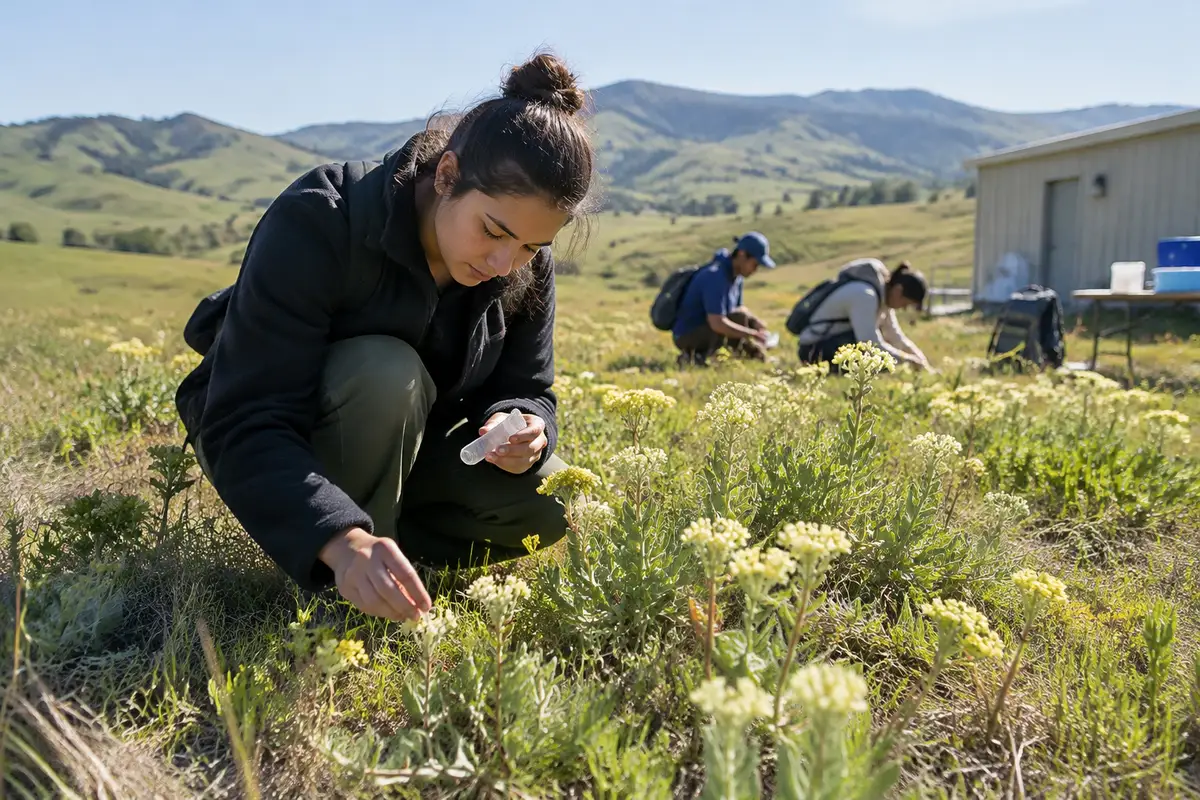
At Santa Clara University, researchers and students are working to protect the federally endangered succulent, which grows wild only in the county’s Coyote Valley region. Their work takes them from the field, where they collect tiny seeds and watch for pollinators, to the lab, where they raise plants for eventual release. A separate effort aims to give succulent shoppers a nursery-grown alternative to plants taken from the wild.
A rare California succulent with little room to lose
The Santa Clara Valley dudleya (Dudleya setchellii) has a wild range measured not in states or counties, but in one part of one county. That makes the loss of habitat in Coyote Valley especially consequential: There is no known wild population elsewhere to fall back on. Climate change adds another pressure, even for a plant that can endure months of dry weather.
The Growing Demand for Data-Driven Decision Making in Silicon Valley
He quit, ran out of money, and begged to come back — here’s how his boss reacted
Poaching poses a more immediate threat. The dudleya is among California’s most heavily poached wild plants, and removing a specimen takes more than a succulent out of the landscape. When the dudleya blooms, its flowers provide food for pollinators. Because flowering is infrequent, researchers visit known wild plants to see which pollinators turn up when the pale yellow blossoms open.
What tiny seeds can tell researchers about the liveforever
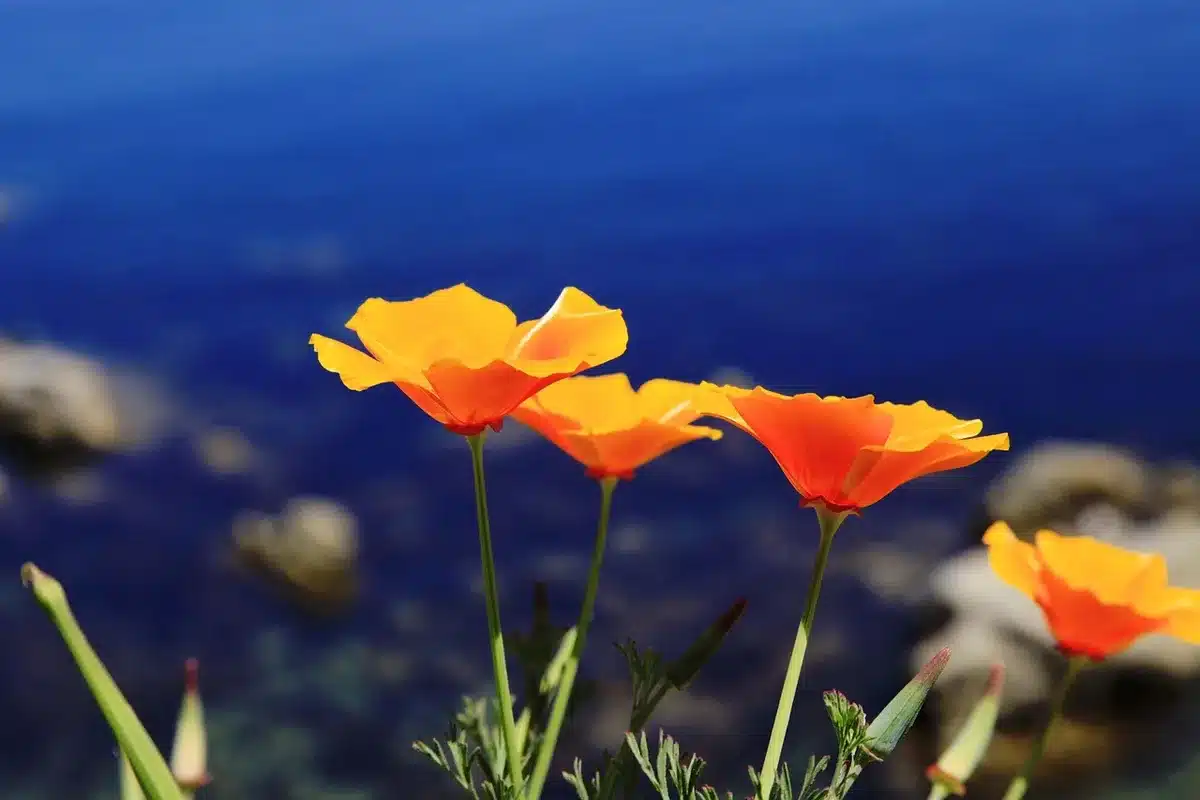
Santa Clara University scientist Justen Whittall and his students collect seeds from wild plants when they have the opportunity. Back in the lab, they examine genetic diversity to help decide which plants to use in their breeding work. The idea is not simply to grow as many dudleyas as possible. It is to raise plants that represent the genetic variation still present in the wild.
The team has successfully propagated the succulent under cultivation, with the aim of eventually returning plants to the wild. That is a distinct step from restoring a wild population: The lab work gives researchers plants to work with, while field monitoring helps them understand how the species fits into its habitat, including which pollinators visit it.
Speaking to CBS News Bay Area, Whittall described preventing extinction as the minimum goal. A better outcome, he said, would be to improve the species’ status.
Nursery-grown dudleyas offer shoppers another choice
Professor Stephen McCabe has approached the poaching problem from the buyer’s side. He developed colorful dudleya hybrids for sale through plant nurseries, betting that shoppers who want an unusual succulent for their collection may be just as happy with a cultivated plant. The strategy is meant to ease demand for wild specimens, not to replace the native plants in Coyote Valley.
That distinction matters at the nursery counter. The hybrids are intended for gardens and collections; Whittall’s team is raising the endangered native species with an eventual return to the wild in mind. In the field, the researchers’ advice is simpler: Leave wild dudleyas where they grow, and choose nursery-grown plants for home.

You might also like:
- Seed bank’s 25-year collection safeguards plant species from extinction
- Seed vault in Atacama Desert frozen to preserve Chile’s plant diversity
- Nonphotosynthetic plant discovered: species abandoned photosynthesis entirely
- White abalone found alive after 5 years in Channel Islands survey sparks hope for recovery
- Death Valley superbloom: once-in-a-decade wildflower carpet covers desert

Michael Thompson is an experienced journalist covering U.S. and global news. With ten years on the front lines, he breaks down political and economic stories that matter. His precise writing and keen attention to detail help you grasp the real‑world impact of every event.