Show summary Hide summary
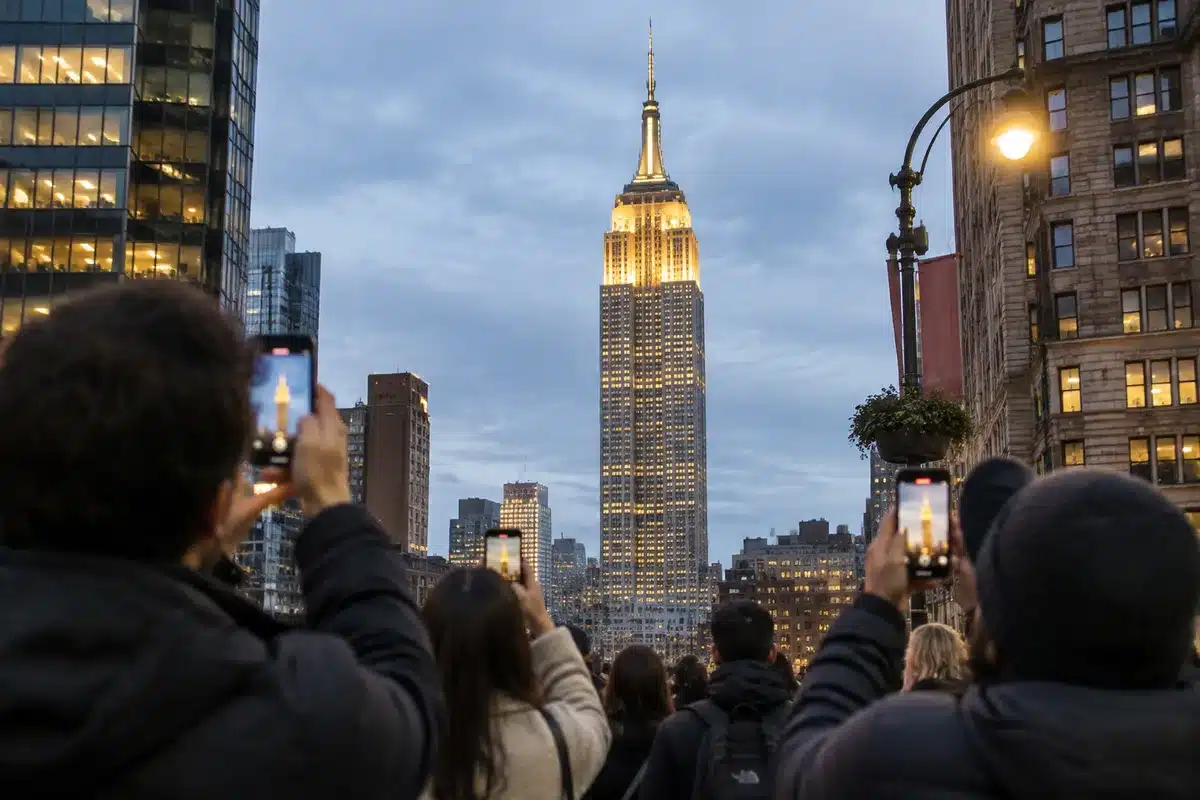
The Empire State Building glowed gold to mark a milestone for a spacecraft no one on Earth can see: NASA’s Voyager 1 reached a distance of one light-day from our planet. That puts the farthest human-made object about 16 billion miles away, far enough that even a radio signal traveling at the speed of light needs 24 hours to get here.
A message to Voyager 1 now takes two days to answer
One light-day is the distance light travels in 24 hours, or about 26 billion kilometers. For the engineers tending to Voyager 1, it’s also a measure of how long they have to wait. If they send a command, it takes about a day to arrive. Even if the spacecraft responds immediately, its reply won’t reach Earth until roughly a day after that.
The Growing Demand for Data-Driven Decision Making in Silicon Valley
He quit, ran out of money, and begged to come back — here’s how his boss reacted
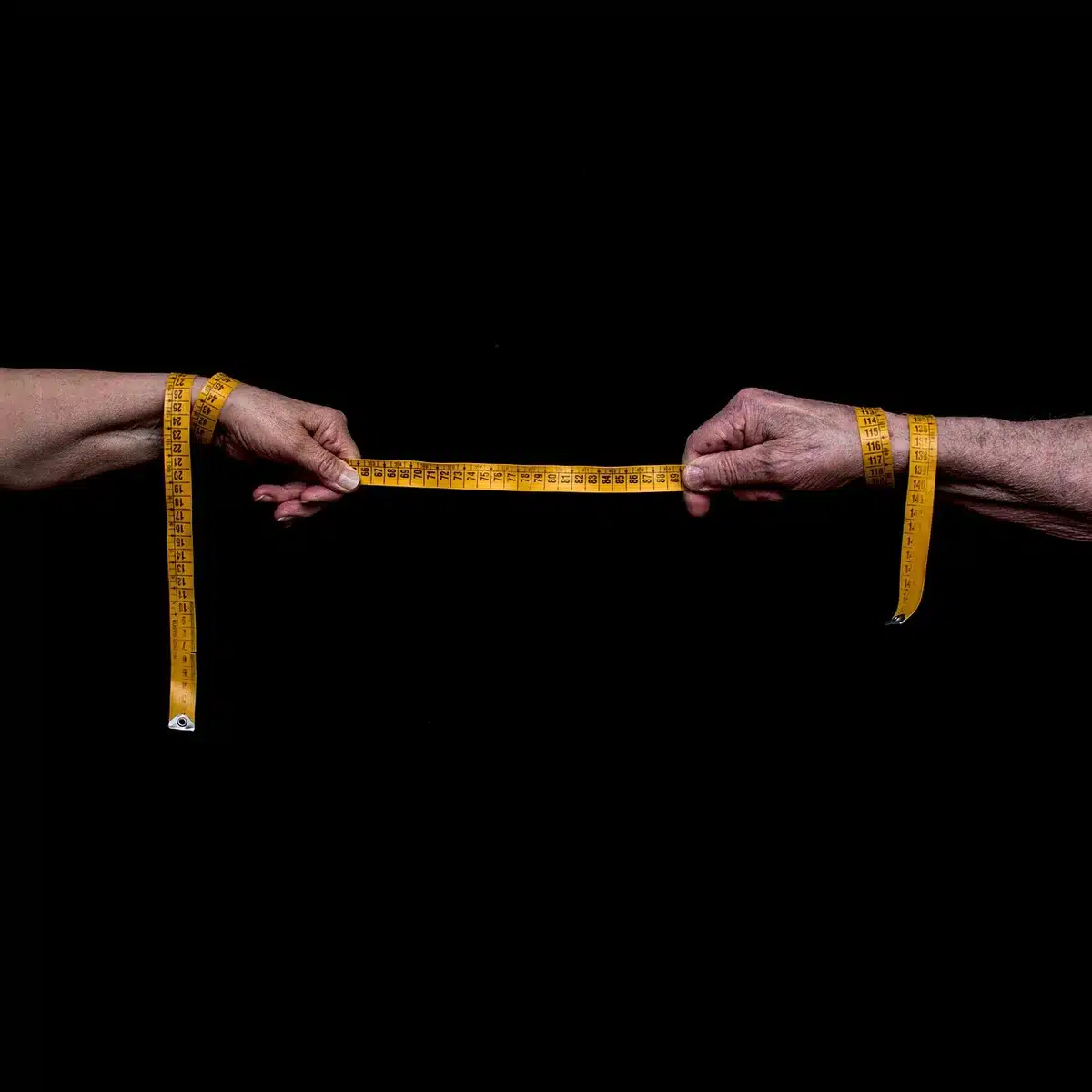
That delay shaped the timing of NASA’s celebration. A transmission sent when Voyager 1 crossed the threshold on Wednesday would not reach Earth until Thursday. The spacecraft reached the milestone a full day before a signal from that moment could reach the people listening for it.
Why the Empire State Building lit up gold
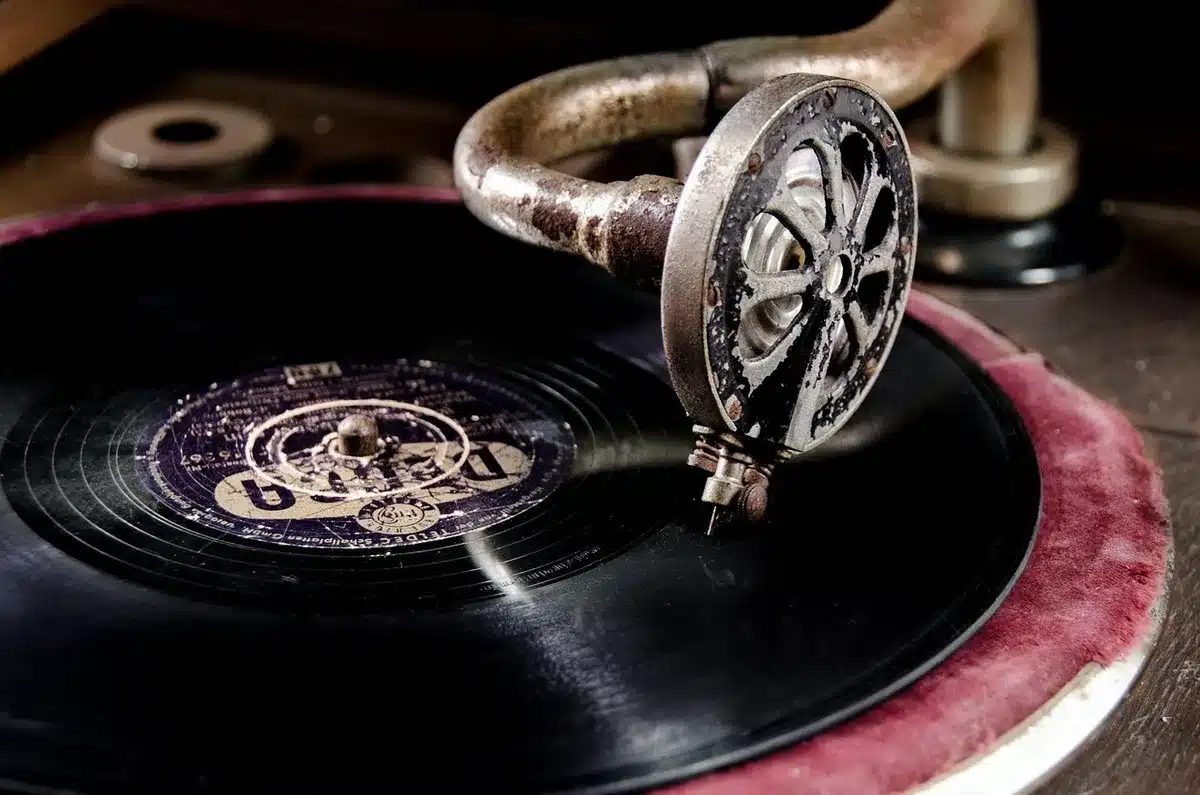
The color was a nod to the Voyager Golden Record, a 12-inch, gold-plated copper phonograph disc carried aboard the spacecraft. NASA sent it along as a message to any civilization that might someday come across the probe. Rather than trying to describe Earth in words alone, the record offers a sampling of what life here looks and sounds like.
- 115 images depict life and culture on Earth.
- Natural sounds and music capture parts of the planet’s soundscape and musical traditions from different cultures and eras.
- Greetings in 55 languages let listeners hear human voices speaking directly to them.
Voyager 1 left Earth in 1977 to study Jupiter and Saturn. In 2012, it entered interstellar space, where it continued collecting and transmitting measurements long after its planetary encounters were over. The record, unlike the spacecraft’s scientific instruments, was made to be found rather than heard by a receiving antenna on Earth.
NASA can hear Voyager 1’s signal even when its data goes quiet
As the milestone approached, the mission team encountered a familiar problem: Voyager 1 stopped sending science and engineering data, even though antennas on Earth could still detect its carrier signal. That signal is the radio tone on which the spacecraft transmits its data. Picking it up tells engineers that the transmitter is operating and that the antenna is pointed well enough for the signal to reach Earth. It doesn’t tell them whether the spacecraft’s instruments or computers are working normally.
One possible source of the trouble is the onboard system that gathers readings from the instruments and other spacecraft systems and formats them for transmission. With a roughly 48-hour round trip, even a single diagnostic command can take two days to yield an answer.
Engineers at NASA’s Jet Propulsion Laboratory have had to manage a shrinking supply of electricity as well as the growing distance. By March 2024, the mission had already shut down much of the spacecraft’s equipment to conserve power. The team’s ability to communicate with Voyager 1 into the 2030s depends not only on what NASA’s Deep Space Network can detect, but also on whether the aging probe can still power the equipment it needs to send a signal.
You might also like:
- Voyager 1 just sent a signal that could rewrite everything we know
- NASA laser sends terabits from beyond Mars in deep-space communications test breakthrough
- NASA moon base details: plan to prepare humanity for next phase of exploration
- Hubble telescope nearing end of life: what to expect
- Japan launches mission to return first-ever Martian moon samples

Michael Thompson is an experienced journalist covering U.S. and global news. With ten years on the front lines, he breaks down political and economic stories that matter. His precise writing and keen attention to detail help you grasp the real‑world impact of every event.