
Show summary Hide summary
- Performance, power and perception: Why the speech mattered
- Regulation first: New proposals and old contradictions
- Defining the enemy: Disinformation, populists, and internal critics
- Diplomacy with a twist: The Canada pitch and other surprises
- The roots of the crisis: Elite detachment and manufactured civic space
- Who speaks for Europe? Leadership legitimacy and political reality
Ursula von der Leyen stepped into the European Parliament to deliver this year’s State of the European Union address, and the event felt more like a ritual than a roadmap. Her delivery filled the chamber for over an hour, but the speech left many wondering whether the Commission offered a plan for Europe’s biggest problems or just another litany of initiatives and warnings.
From Brussels jargon to grand promises and surprising diplomatic offers, the address raised more questions than it answered. Critics argue the Commission has helped shape the obstacles it now claims to overcome, and the speech highlighted a widening gap between EU institutions and the people they’re supposed to serve.
The Growing Demand for Data-Driven Decision Making in Silicon Valley
He quit, ran out of money, and begged to come back — here’s how his boss reacted
Performance, power and perception: Why the speech mattered
The State of the European Union is meant to be the EU’s equivalent of America’s high-profile presidential address. Yet the context is radically different. The president of the European Commission is not directly elected by the public, and the office lacks the singular executive clout of the U.S. presidency. That reality affects how these speeches land politically and culturally across Europe.
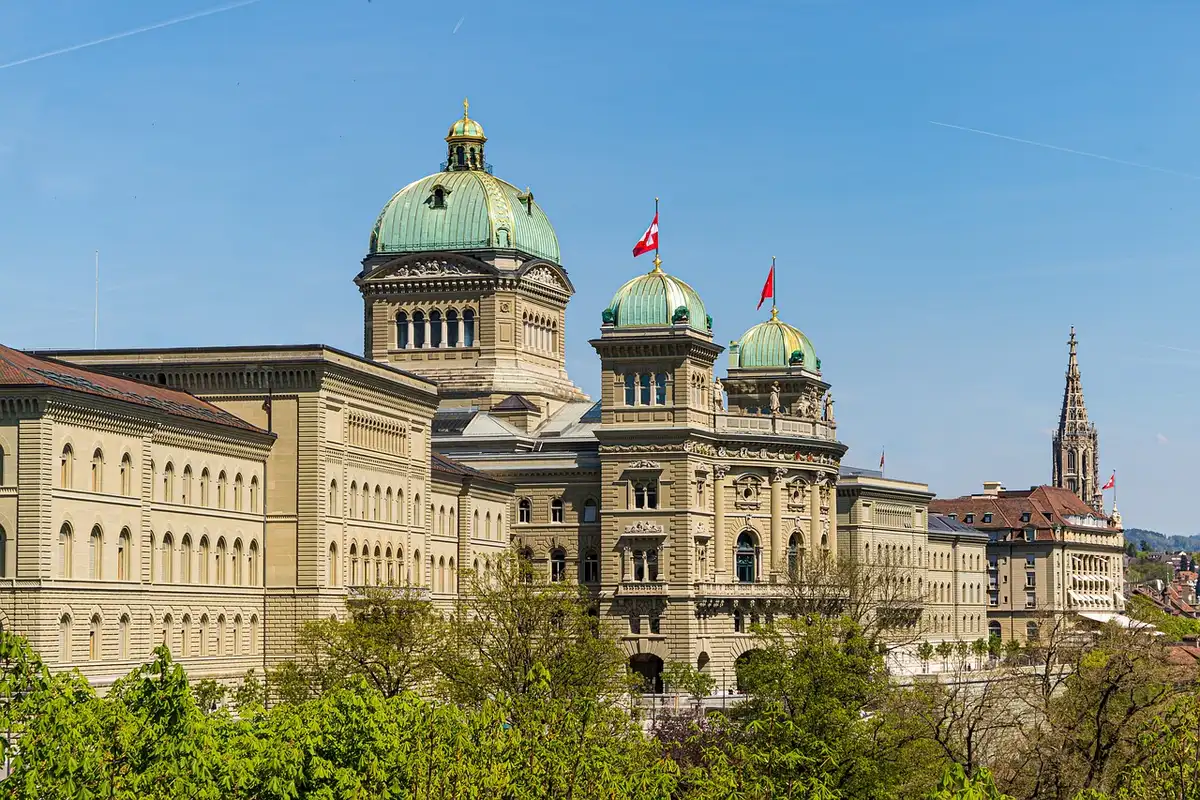
In Brussels, the ceremony has its own rhythm: formal, technocratic, and at times theatrical. This edition leaned heavily on familiar themes — unity, security, and regulatory action — but did little to bridge the distance between EU leadership and citizens. Observers noted a strong focus on rhetoric aimed at defending the bloc rather than explaining how to fix the economic and social strains many Europeans feel.
Regulation first: New proposals and old contradictions
Much of the address returned to the Commission’s favored instrument: regulation. Officials framed new measures as necessary safeguards for digital safety, competition, and democratic resilience. But the Commission’s record complicates that claim — critics say years of expanding regulatory frameworks helped raise costs for industry and, in some cases, stifled production.
Major policy ideas announced
- EU Kids Act: stricter limits on children under 13 accessing the internet, a move pitched as child protection but raising questions about feasibility and enforcement;
- Shift in burden of proof for platforms: online services will be expected to demonstrate their safety rather than simply respond to regulators;
- Renewed emphasis on cutting “red tape,” though details on how regulations would be trimmed were sparse.
These proposals underscore an important tension: the Commission claims it wants to revive European industry and reduce bureaucracy, yet it also seeks to expand regulatory obligations on businesses and platforms. For companies and consumers, that can feel like being asked to sprint while carrying extra weight.
Defining the enemy: Disinformation, populists, and internal critics
A large portion of the speech targeted groups labeled as threats to European unity. References to “ultranationalists,” hostile foreign influence, and disinformation framed a defensive narrative: the EU must protect itself from forces that would fragment the bloc.
But the definition of those threats is a flashpoint. When the Commission discusses curbing “anti-European forces,” it risks sweeping legitimate political dissent and Eurosceptic parties into the same category as covert foreign interference. That approach raises free-speech and democratic questions, especially when paired with plans for stronger monitoring and intervention.
What the new Centre for Democratic Resilience might mean
- Intended to monitor and respond to disinformation campaigns;
- Likely to target both external actors and domestic political movements labeled as destabilizing;
- Raises concerns about who decides what counts as harmful speech and which political actors get scrutinized.
Critics warn that centralized monitoring could become a tool not only to counter foreign propaganda but to police unpopular, yet legitimate, political positions.
Diplomacy with a twist: The Canada pitch and other surprises
One of the more unexpected moments in the address was the offer to deepen ties with Canada — even suggesting an “associate” relationship with the EU. That idea got applause in the chamber and attention across Europe, though it conflicts with treaties and existing institutional frameworks.
Canada’s presence at the event, marked by the attendance of former Bank of England governor Mark Carney, reflected a desire among some EU figures to build alliances beyond Washington. But the notion of associate membership lacks legal basis in EU treaties and sounded more symbolic than substantive. Leaked briefings suggested EU officials themselves were unsure how seriously to take the proposal.
The roots of the crisis: Elite detachment and manufactured civic space
Behind policy debates lies a deeper problem for the Commission: a persistent disconnect from ordinary Europeans. Polling and media coverage highlight low recognition of top EU figures among the public, and the president’s lack of a direct electoral mandate compounds the issue.
To compensate for that distance, the EU has invested heavily in creating and funding networks of NGOs, civil-society projects, and media initiatives that promote the Commission’s agenda. Planned allocations for the next budget include substantial sums aimed at supporting this European “ecosystem.”
- Critics label some of this support “astroturfing” — externally funded groups posing as grassroots movements.
- Journalistic presence at EU events often includes reporters and outlets that receive EU funding, which complicates perceptions of independence.
- The result can be a public square that looks active on paper but lacks organic civic connection.
That manufactured engagement may help the Commission project influence, but it doesn’t replace authentic voter connection, which remains weak in many member states.
Who speaks for Europe? Leadership legitimacy and political reality
The speech reopened questions about the Commission president’s mandate and the broader purpose of the EU. If senior officials are not chosen directly by voters, how should they build public legitimacy? And when Brussels designs policies that reshape economies and societies, what democratic checks ensure those choices reflect citizens’ priorities?
These are not merely academic inquiries. They influence decisions on industry, energy costs, digital governance, and the EU’s role on the world stage. As the Commission presses forward with ambitious regulation and new institutional tools, the debate over who gets to make those calls — and how — will only intensify.
You might also like:
- Musk vs EU censorship: why his fight matters for free speech
- Elon Musk right about EU tech rules: what it means for AI and business
- Europe still relies on U.S. security support
- Viktor Orban: how he revived European conservatism
- EU drone wall unrealistic and ineffective, experts warn

Robert Johnson is a dedicated columnist focusing on political and social debates. With twelve years in editorial writing, he provides nuanced, well‑argued perspectives. His commentaries invite you to form your own views and engage in critical issues.


Ursula von der Leyen, huh? Shes like the surprise aunt who shows up at family gatherings, making you wonder how she fits in. Europe mustve pulled some strings for this one. Lets see if shes got the moves to back it up.
Ah, von der Leyen, a strong speaker or just good with words? Reminds me of that time when Angela Merkel gave a fiery speech. Can von der Leyen walk the talk though? Time will tell.
Ah, Ursula von der Leyen, the lady with the power stance and the killer speeches. Europes got itself a real firecracker there. Cant deny, her performance and proposals make for a wild ride. Wonder whats next on her agenda?
I mean, Ursula von der Leyen… shes like that friend who always pulls through when you least expect it, yknow? Europe mustve really hit the jackpot. Can she come give speeches for all of us now?
Oh, totally get what you mean! Ursula von der Leyens like that unexpectedly cool kid who rocks up to the party and suddenly everyones like, Wow, where have you been all my life? Europe sure did luck out with her. Imagine her giving speeches for all of us—shed have us all feeling like we could conquer the world, right?
You know what ticks me off? When folks underestimate Ursula von der Leyen. She’s got the grit and brains to shake things up. Europe’s lucky to have her leading the pack. Let’s see where she takes us next!
Man, von der Leyen sure knows how to grab attention. Her moves are like a chess player in a minefield. Wonder if its all smoke and mirrors or if shes got some real tricks up her sleeve. Time will tell, I guess.
Oh, Ursula von der Leyen, stirring things up in Europe! Is she the hero we need or another political puzzle? Her speech got folks talking, thats for sure. Time to buckle up for the ride!
Man, Ursula von der Leyen – shes like that teacher who tries too hard to be cool, but you end up cringing. Europe, whats up with that choice? Hope she brings more substance than style, yknow?
You know, von der Leyens got the knack for stirring things up. Its like watching a high-stakes poker game with Europes future on the table. Love her or hate her, you cant deny the drama!
Like, seriously, Ursula von der Leyens got that *je ne sais quoi*, yknow? Whether youre into her vibe or not, you cant deny she brings some spice to the European political scene. Love her or hate her, shes making waves.
Ursula von der Leyen, huh? Shes like that mysterious aunt who shows up at family gatherings dropping unexpected wisdom. Europe mustve done some serious karma yoga to deserve her mix of power moves and political finesse.
Remembering when von der Leyen stepped up, it was like watching a magician pulling a rabbit out of a hat. You either gasp in amazement or wonder if theres a sneaky assistant involved. Depends on your angle, I guess.
Oh, Ursula von der Leyen, the EUs big shot, huh? Her speech was like that awkward family dinner – some juicy bits, some snoozefest. But hey, shes got the power and the stage, so let’s see where this Euro rollercoaster takes us!
Man, Ursula von der Leyen is like that chef who serves a fancy dish but forgets the seasoning. Europes got potential, but it needs that extra kick to impress. Lets see if she can spice things up!
I mean, Ursula von der Leyen… shes like that aunt who shows up at Christmas, talks for hours about everything, and leaves you wondering if she actually said something. Europes got a quirky way of picking em, huh?
Ursula von der Leyen, huh? Feels like watching a chess game in a storm. Her speech? Like a rollercoaster ride through politics. Europes got twists, turns, and surprises. Strap in!
I mean, Ursula von der Leyen – a real powerhouse, aint she? Europe mustve hit the jackpot with her. Her speech? Smashed it! Cant deny the impact shes makin. Wonder whats next on her agenda.
Ugh, von der Leyen. Shes like that distant relative at family gatherings who talks a lot but says nothing. Europes stuck with her? Hope theyve got a backup plan hidden somewhere.
Ursula von der Leyen, huh? Shes like that mysterious relative who shows up at family gatherings and everyones like, Wait, who invited her? Europe, youve got some explaining to do.
Ursula von der Leyen, huh? Shes like that one cousin who always crashes the family BBQ uninvited, but ends up hogging the grill. Europe better hope she brings some good potato salad to the table cause shes definitely stealing the show. Whats her secret sauce, anyway?
Ursula von der Leyen, huh? Shes like the mysterious aunt who suddenly shows up at the family reunion, dropping some unexpected wisdom. Love her or hate her, you cant deny the drama she brings to the table.
Oh, Ursula von der Leyen, thats a name that rings some bells! Shes like that quirky aunt who always has a surprise up her sleeve at the family gatherings. You never know what shell come up with next, right? Love her or hate her, one things for sure – she sure knows how to spice things up! Wonder what drama shell stir next…
Ah, Ursula von der Leyen, like Marmite – you either love her or ya just dont get it, mate! Her speech? Laid it all out, no fluff. Europes got a tough cookie leading the pack, whether we like it or not.
Ursula von der Leyen… sounds like a name from a spy movie. Wonder if shes got a secret lair under the EU Parliament. Could spice up those long meetings, right? Imagine the drama!
Man, Ursula really brought it home with that speech. She’s like the MVP of EU leaders. Wonder how she manages all that power and poise. Cant help but respect her hustle, yknow?
Dang, Ursula von der Leyens got the stage presence, huh? That speech was like a power-up in a video game. Europes really putting on a show, hope they got the backup save ready for this level.
Ursula von der Leyen got the EU gig, huh? Reminds me of that time Uncle Bob tried to be the family spokesperson at Thanksgiving. Power plays and all. Cant wait to see how this drama unfolds!