
Show summary Hide summary
The WNBA Finals return to Atlanta with a twist that’s drawn as much attention as the teams themselves: a potential championship clincher scheduled in the middle of a weekday. Fans, players and media are left to weigh the spectacle on court against an awkward kickoff time that forces a title-deciding moment into the lunch hour.
Game 6 will be played at State Farm Arena, and with the Golden State Valkyries ahead 3-2 in the series, a winner could be crowned Thursday at 12:30 p.m. ET. That timing has ignited conversation about scheduling priorities, fan access and how sports leagues balance arena logistics with marquee moments.
Why the WNBA set a midday championship game
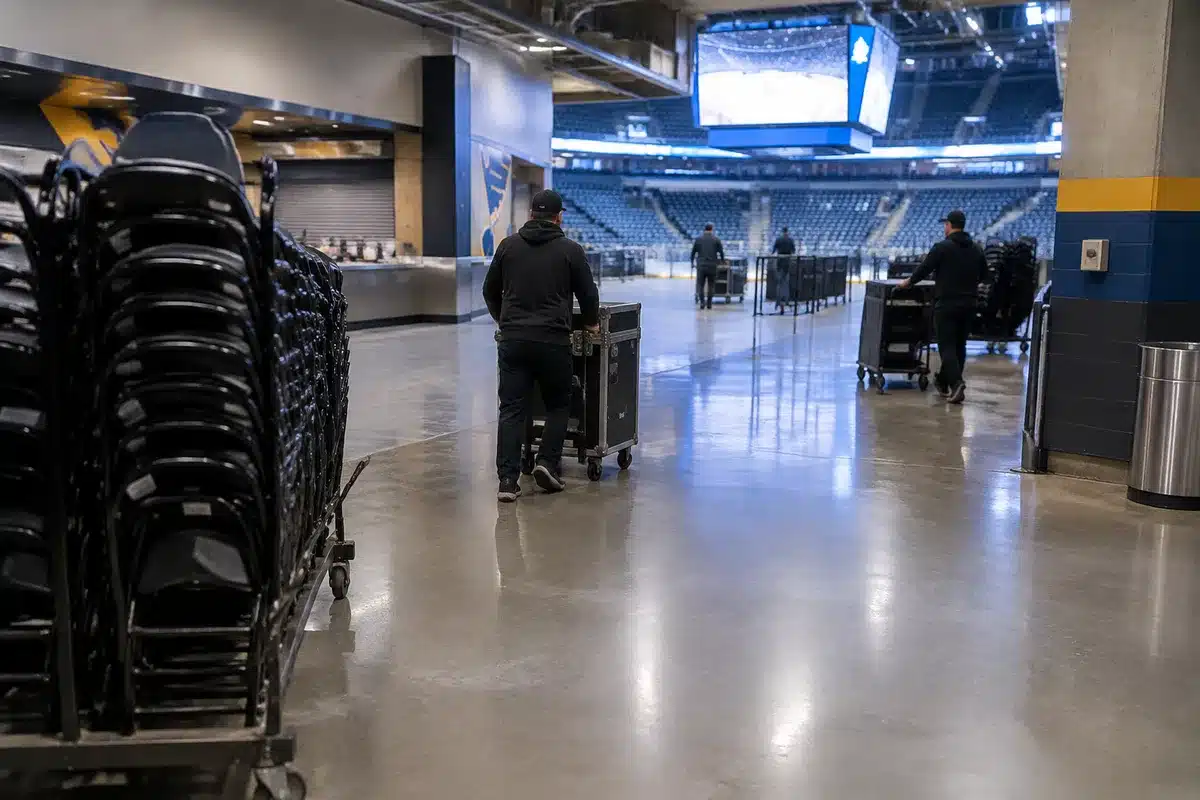
The unusual timing is primarily a consequence of arena availability and an NBA schedule that takes precedence in many shared venues. The Hawks have consecutive NBA games scheduled around the same dates, leaving the WNBA a narrow window to stage Game 6 and — if necessary — a Game 7.
The Growing Demand for Data-Driven Decision Making in Silicon Valley
He quit, ran out of money, and begged to come back — here’s how his boss reacted
- Arena calendar conflicts: The Hawks’ back-to-back slate created a tight turnaround for floor conversions and pregame routines.
- League scheduling constraints: The WNBA was reportedly unwilling to move a potential Game 7 beyond Halloween night, compressing options for Games 6 and 7.
- Broadcast considerations: TV partners and league programming also factor into start times, though critics argue prime-time exposure should matter more for a final.
ESPN coverage has indicated the league claims logistical issues won’t disrupt a championship presentation on the main court, but some insiders warned that preparations for the Hawks’ upcoming games could force celebrations onto practice floors if timelines overlapped. Fans and observers remain skeptical that a trophy ceremony will match the moment when it might have been staged during evening hours.
How this timing affects fans and visibility
The midday start has practical consequences for supporters across time zones and for how the game is perceived in mainstream sports culture.
- West Coast viewers will see kickoff at 9:30 a.m., limiting casual attendance and turning early celebrations into breakfast-hour events.
- Local Atlanta fans have to work around commutes and jobs on a Thursday, reducing the chance of a full, late-night-style championship atmosphere.
- National exposure may suffer: daytime sports coverage rarely draws the same audience as evening marquee games.
Critics argue that running a deciding game in the middle of the workday undercuts efforts to elevate WNBA stars and grow the league’s mainstream profile. Supporters of the decision point to logistical realities and broadcast deals, but the optics of a lunchtime final are hard to defend for many.

What a title would mean for the Golden State Valkyries
Golden State arrives in Atlanta with a chance to claim a championship in just their second season as a franchise. That storyline — an expansion team rising to the top within two years — has captured attention and would be significant for the league’s growth narrative.
- Gabby Williams has been central to the Valkyries’ postseason run, delivering all-around play that lifted the team at key moments.
- Natalie Nakase, recognized as Coach of the Year, guided Golden State to a 32-12 regular-season record and the No. 2 seed.
- The Valkyries sold out all 22 home games at Chase Center, breaking single-season attendance marks and showcasing a passionate fanbase.
A title would validate investment and momentum—both for the ownership group that brought the franchise to the Bay Area and for a fanbase that packed “Ballhalla” all season. Yet the prospect of crowning a champion before lunch risks muffling what should be a defining celebration for a young organization.
Atlanta’s challenge and Angel Reese’s role
The Dream are fighting to keep their season alive on their home floor. Angel Reese, a rising star with a powerful presence inside, has been Atlanta’s focal point and will be the player Golden State must contain if they hope to close out the series on Thursday.
Key matchups to watch
- Interior play: Reese’s ability to secure rebounds and create second-chance opportunities could decide the game’s momentum.
- Perimeter threat: Gabby Williams’ influence from the wing and her postseason consistency make her a central matchup for Atlanta defenders.
- Bench contributions: Depth could swing late-game situations as rotations tighten in a potential clincher.
Beyond Xs and Os, Atlanta has the advantage of home court energy — if fans can show up despite the odd timing. The Dream will aim to force the series back to San Francisco for a true Game 7 rather than letting the Valkyries celebrate on their own timetable.
Logistical scenarios and the possibility of a Game 7
Because the Hawks’ NBA schedule and arena transformations complicate things, the WNBA had to balance three outcomes: a Game 6 champion, a Game 6 that extends the series to a Game 7, or potential adjustments to celebration plans.
- If Golden State wins, officials say the trophy ceremony will take place on the main court despite the quick turnaround required by the Hawks.
- If Atlanta wins, the series shifts back to Golden State for a winner-take-all Game 7, which would return the final to a more conventional night slot.
- Had scheduling windows been wider, the league might have preferred a later-evening scheduling option to maximize reach and atmosphere.
The broader conversation continues about how the WNBA schedules its most consequential moments and whether shared arenas will always limit the league’s ability to showcase its best games at prime times.
You might also like:
- FIBA World Cup break reshapes outlook for 2 WNBA teams
- WNBA Stars Lead Charge for Officiating Reform: Calls for Change Escalate
- Angel Reese and Paige Bueckers’ $400 bet sparks WNBA overreaction
- LeBron James nears return, set to boost Lakers at ideal time
- WNBA won’t monetize Sophie Cunningham’s viral point: what the league says

John Davis is a sports journalist focused on the NBA, NFL, and major global championships. With seven years of live coverage, he breaks down performances and key strategies. His expertise gives you a clear view of every game and its impact.

