
Show summary Hide summary
- How the rewilding study was designed and carried out
- Behavioral outcomes: relearning the rhythms of the wild
- Physiological measures: stress markers and health signals
- Why some elephants differ: personality, past experience and local conditions
- Voices from the project and conservation implications
- Further reading and related developments in elephant welfare
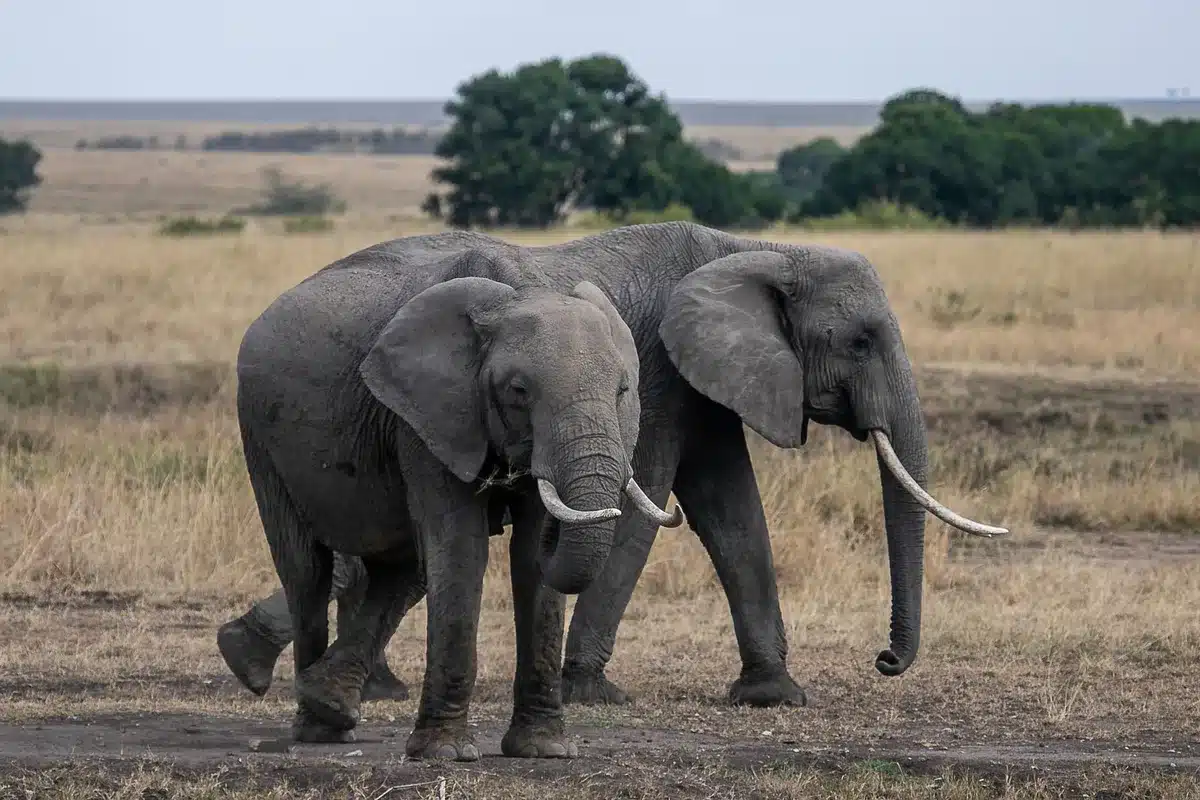
Southern African reserves are quietly becoming classrooms in which formerly captive elephants relearn how to be wild. A new multi-year study tracking 11 rewilded elephants across South Africa finds these animals are not only surviving but — in many cases — thriving after release from human care, demonstrating surprising behavioral flexibility and physiological resilience.
Scientists followed these elephants for years, watching how they moved, socialized, and coped with the pressures of freedom. The results, published in PLOS One, suggest that carefully managed rewilding can restore natural patterns of life for animals long acclimated to captivity.
How the rewilding study was designed and carried out
The Growing Demand for Data-Driven Decision Making in Silicon Valley
He quit, ran out of money, and begged to come back — here’s how his boss reacted
The research was led by the Elephant Reintegration Trust of South Africa and involved 11 elephants that had previously lived in human care. These animals were released onto four different private reserves, where researchers observed them repeatedly over a five-year span.
- Each elephant was monitored for roughly three weeks at a time, at least once a year, allowing comparisons across seasons and contexts.
- Behavioral observations focused on social interactions, movement, foraging, and any signs of conflict or human-directed behavior that might be lingering from captivity.
- Physiological data came from fecal samples analyzed for metabolic and stress-related markers to assess whether the animals were experiencing chronic stress after release.
Altogether, these 11 individuals make up more than half of the rewilded elephant population in South Africa to date, giving the study significant weight for understanding reintroduction outcomes in the region.
Behavioral outcomes: relearning the rhythms of the wild
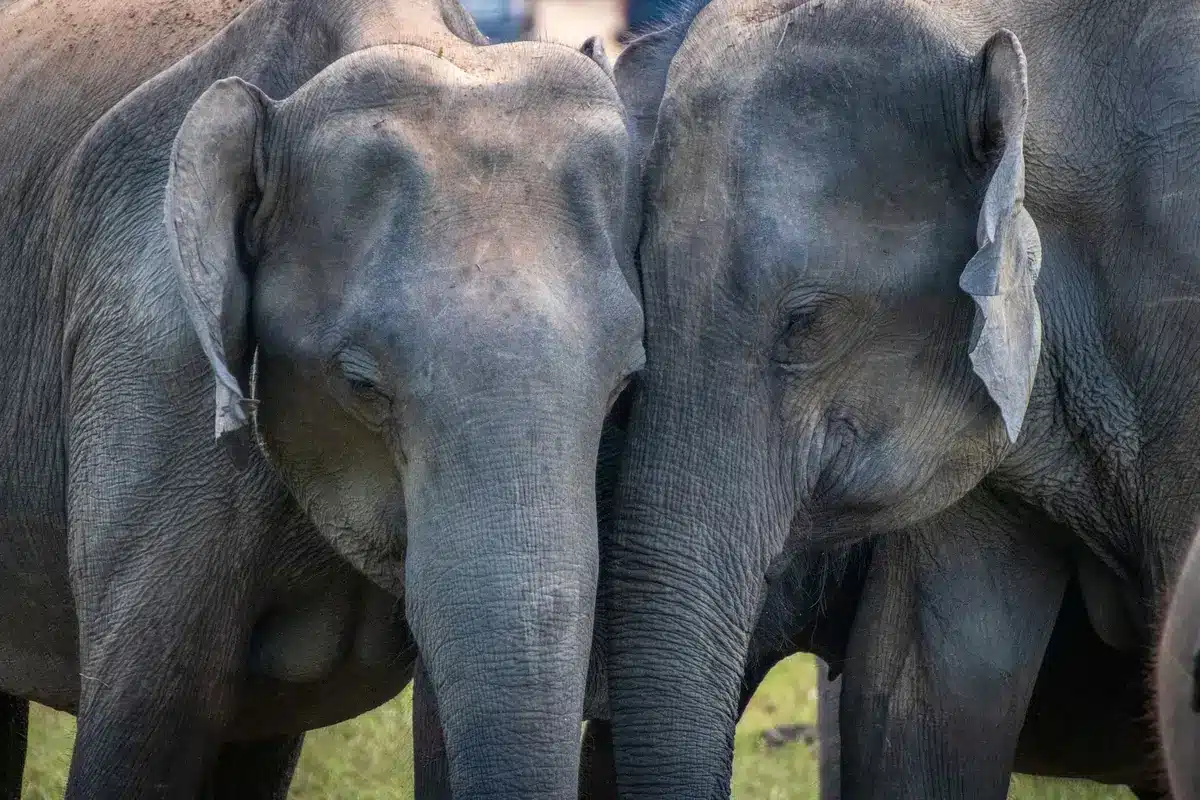
Observers documented that many rewilded elephants quickly adopted movement and social patterns similar to nearby wild populations. While some behaviors reflected the animals’ histories in captivity, the majority of activity resembled natural elephant behavior — foraging across landscapes, forming social bonds, and responding to environmental cues.
Common patterns and occasional holdovers
- Most elephants integrated into local social systems and exhibited typical herd dynamics.
- A few individuals displayed subtle behaviors traceable to their captive pasts, such as brief curiosity toward vehicles or closer tolerance of human presence.
- No widespread patterns of aggression or chronic conflict with other wildlife were observed across the study group.
Overall, the rewilded animals behaved in ways that largely matched their wild neighbors. That similarity formed the backbone of the study’s conclusion that rewilding, when done responsibly, can restore natural behavioral repertoires.
Physiological measures: stress markers and health signals
To complement behavioral records, the team tested fecal samples for metabolic and stress biomarkers. These measures provide a noninvasive window into an animal’s physiological state and help reveal whether the pressures of reintroduction are producing harmful, long-term stress.
- Most biomarker readings fell within ranges typical for free-ranging elephants.
- A minority of individuals showed moderately elevated levels at times, but none showed persistent markers consistent with chronic stress.
The physiological data indicate successful adaptation rather than ongoing distress. In other words, while the transition to the wild is not without challenges, the elephants in this study did not exhibit the kind of sustained metabolic stress that would signal chronic welfare problems.
Why some elephants differ: personality, past experience and local conditions
Researchers found notable variation from one elephant to another. These differences appear to be driven not by rewilding itself, but by a mix of individual history and environment.
- Prior captive conditions shaped how quickly and in what ways each elephant adjusted.
- Social setting — whether an animal joined an established herd or moved as a small group — affected its behavior.
- Environmental features, tourism pressure, and reserve management practices also influenced how animals behaved day to day.
In short, rewilding outcomes are not one-size-fits-all. Personality and context both play large roles in shaping how an animal resettles into a wild landscape.
Voices from the project and conservation implications
Co-researchers on the project described the reintegration process as compelling evidence that elephants can recover natural autonomy when given the space and support to do so. Field scientists noted that many formerly captive elephants quickly learned to navigate complex social and ecological challenges, regaining movement patterns and decision-making typical of wild herds.
Project leaders emphasized that these positive signs have practical implications: managed rewilding can be a meaningful conservation tool, helping individual animals regain freedom while strengthening wild populations and landscape-level ecological functions.
- Rewilded elephants can contribute to seed dispersal, habitat modification, and social dynamics important for healthy ecosystems.
- Careful planning — including appropriate reserve selection, post-release monitoring, and management of human-wildlife interactions — is essential to success.
- Long-term tracking and physiological monitoring provide the evidence needed to refine rewilding protocols and improve outcomes.
Further reading and related developments in elephant welfare
- Stories of retired circus or zoo elephants finding sanctuary and more natural lives on expansive reserves.
- Scientific advances that reduce disease threats and improve veterinary care for wild and reintroduced elephants.
- Policy and community initiatives aimed at reducing human-elephant conflict while supporting habitat restoration.
You might also like:
- Last circus elephant in Portugal moves to 1,000-acre sanctuary after 40 years
- Elephants think before they act and resist impulsive behavior, study finds
- Marines jump overboard after spotting this shocking thing in the water
- World’s first giant anteater reintroduction in Brazil shows early success
- Frog wiped out by disease returns to wild with help from frog spas and saunas

Michael Thompson is an experienced journalist covering U.S. and global news. With ten years on the front lines, he breaks down political and economic stories that matter. His precise writing and keen attention to detail help you grasp the real‑world impact of every event.


Man, these zoo elephants rewilded in Africa got me thinking. Its like sending a city slicker to live in the wild, right? Wonder if they miss their fancy zoo meals. Hope theyre thriving out there!
Man, rewilding zoo elephants? Thats like sending a city slicker to live in the wild, aint it? Wonder if they miss the free meals and paparazzi. Bet those elephants have some wild stories to tell now!
Oh man, talk about a fish out of water scenario! Those zoo elephants must feel like theyve been dropped in the middle of the jungle without a map. I can imagine them swapping stories about their days of room service and flashing cameras. Bet they have some serious jungle gossip now!
Man, its like a real-life Jungle Book out there! These zoo elephants going wild in Africa, hope they dont start singing like Baloo. But hey, nature calls, right? Lets see if they nail it or if they end up missing room service.
Whoa, talk about elephants on a mission! Its like theyre channeling their inner wild side straight from the Jungle Book, aint it? Can you imagine those majestic creatures busting out in a rendition of Bare Necessities? Nature sure knows how to throw a curveball. Lets hope they stick to trumpets instead of karaoke bars. But hey, if theyre enjoying the great outdoors, who are we to rain on their parade, right? Lets just hope they dont miss the room service perks too much!
Man, those zoo elephants going back to the wild? Its like a reality show, but real, ya know? Wonder if theyll adapt quick or miss their old digs. Hope they thrive out there, show us what theyre made of!
Man, those zoo elephants gone wild in Africa? Thats like me switching from takeout to foraging in my pantry. Hope theyre not like me, staring at the fridge, clueless. Can they really remember the wild rhythm?
Man, talk about a wild ride! I mean, literally. Rewilding zoo elephants in Africa? Thats like sending city folk to survive in the Amazon. Cant wait to hear about their adventures in the wild!
Man, those rewilded zoo elephants must feel like rockstars in Africa! Imagine going from concrete jungles to the real deal. Bet theyre strutting around like they own the place. Cant blame em, though. Wild is where the heart roams free.
Man, seeing those zoo elephants get a shot at the wild is like watching your friend move to a new city. Exciting but nerve-wracking. Hope they thrive out there, ya know? Wild elephants mentoring them could be a sitcom waiting to happen.
Man, rewilding zoo elephants sounds cool, but I wonder if they really thrive out there. Like, do they remember how to be wild? Hope theyre not too stressed. Natures wild, man.
Man, those zoo elephants going back to the wild—wild, right? Hope they aint like me trying to adapt to a new gym routine, all confused and outta place. Wonder if they miss the free meals and paparazzi back at the zoo!
Dude, those zoo elephants going back to the wild? That’s some real life Jungle Book drama right there! I feel ya on the gym struggle, man. It’s like trying to teach a sloth to sprint! But hey, who knows, maybe those elephants are out there missing their leafy VIP meals and the daily photoshoots! Life’s full of surprises, aint it?
Man, those zoo elephants going back to the wild, its like a reality show for pachyderms! Hope theyre not all like I miss my heated barn, but hey, natures got some real drama too. Cant wait for the season finale!
Oh man, those zoo elephants are really stepping up their game, huh? Its like watching a reality show where theyre all like, I miss my heated barn, man! But you know what? Natures gotta keep it real with some drama too. Cant wait for the season finale, gonna be wild!
Man, those zoo elephants rewilded in Africa? Its like a reality show, but for real! Wonder if they miss the easy life, or if theyre out there feeling like Tarzan. Nature vs. captivity, ultimate showdown!
Man, rewilding those zoo elephants is like watching a reality show, but for real. Wonder if theyll remember their wild roots or get comfy in luxury. Cant wait for the season finale!
I remember when I visited the zoo and saw those majestic elephants. Rewilding them sounds like a step in the right direction. Hope they thrive in the wild, just like they were meant to.
Oh man, I totally get what you mean about those elephants at the zoo. Theyre like these gentle giants, right? Seeing them in the wild must be mind-blowing. Hope theyre able to thrive out there, just doing their elephant thing without any human interference. Its like theyre finally getting their own reality show, but like, the real one, you know? Fingers crossed for their wild adventures!
Man, watching those zoo elephants adapt to the wild is like seeing your friend finally break free from a bad relationship. Cant help but root for them to find happiness in their new home. Hope they thrive out there!
Man, I totally get what you mean! Its like watching that one friend whos been stuck with a toxic partner finally finding their groove solo. Its heartwarming to see those elephants embracing their new freedom. Heres to hoping they live their best wild lives out there!
Man, those elephants going back to the wild is like me trying to cook after living off takeout for years. Can they handle the wild vibes or will they be like, I miss my comfy zoo life? Curious to see how they vibe out there.
Dang, those elephants getting back to the wild? Thats like me attempting to whip up a gourmet meal after years of just ordering takeout! Will they be roaming free like, Peace out, zoo life! or be all, I miss my cozy enclosure? Cant wait to witness their wild adventures, man.
Man, those zoo elephants going back to the wild? Its like watching a sitcom character leave their cushy job for the great unknown. Hope theyre not too culture shocked. Can elephants get culture shocked? Wait, do animals have culture?
Man, those zoo elephants rewilded in Africa got me feeling like Im watching a real-life version of The Lion King! Cant wait to see how they adapt to the wild after their time in captivity. Natures got some surprises up her sleeve!
Man, those zoo elephants rewilded in Africa are like city folks trying camping for the first time. Its fascinating to see them adapt and relearn their wild ways. Natures giving them a crash course, hope they ace it!
Mate, those rewilded zoo elephants in Africa? Its like watching city folks trying to rough it in the outback. Wonder if theyll remember how to be wild or just end up missing room service and air conditioning.
Man, these zoo elephants going back to the wild? Thats like your grandma switching from TV dinners to foraging in the forest. Hope theyre not too bougie for the wilderness, yknow?
Man, those rewilded zoo elephants must feel like they hit the jackpot! Imagine going from concrete enclosures to the wild African savannah. Its like winning the elephant lottery. Hope theyre thriving out there, living their best pachyderm life!
Man, those elephants rewilded in Africa? Its like that movie where the city slicker tries to survive in the wild. Bet theyre like, Wheres my room service? Hope theyre not too lost without their zookeeper buddies.
Man, talk about elephant-sized news! Rewilding those zoo elephants in Africa is like a nature reality show. Gotta wonder if theyll embrace the wild vibe or miss the concrete jungle. Natures got its own drama, right?