Show summary Hide summary
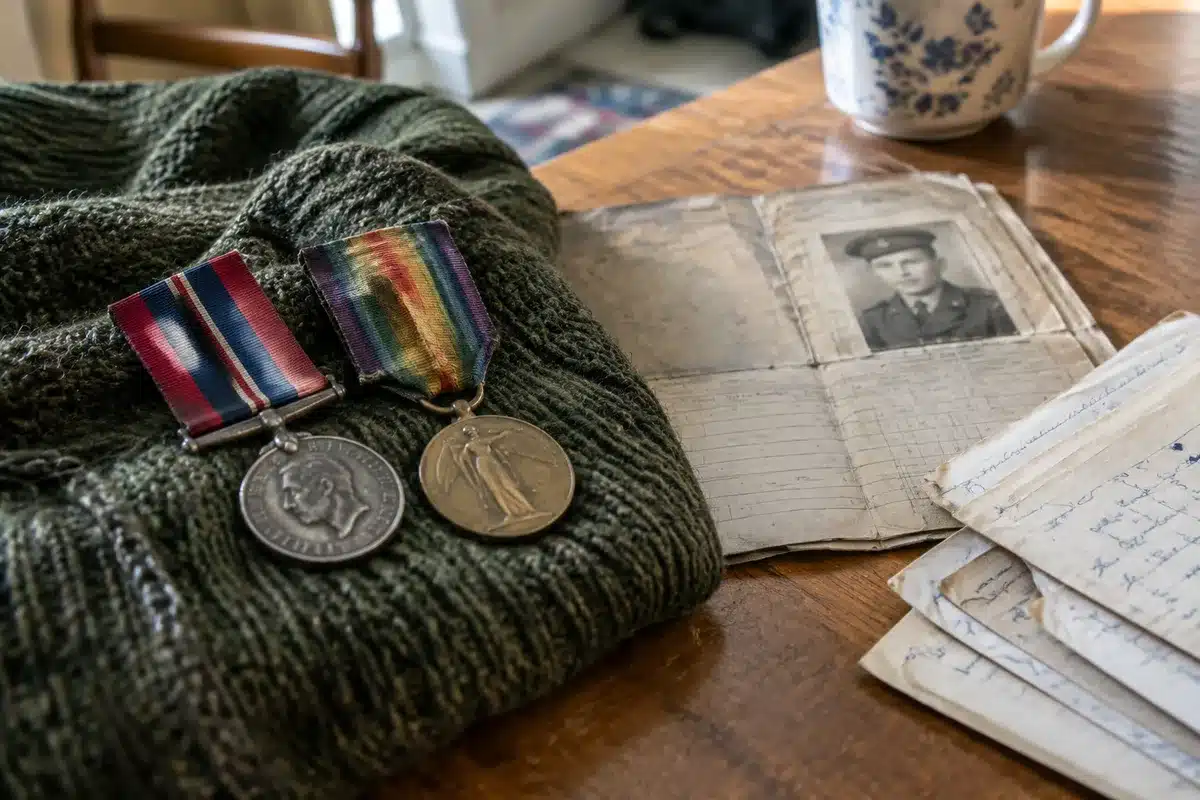
A 103-year-old veteran of the D-Day landings has been reunited with the trio of campaign medals he lost when he returned his uniform at the end of World War II — an emotional recovery timed to arrive just before Remembrance Day. The story unfolded after a young documentarian stumbled across the veteran’s service record, tracked down family on social media and helped navigate the paperwork needed to bring the medals back home.
What began as a quiet act of research turned into a personal mission that connected three generations: a veteran who survived the Normandy beaches, a grandson who posted about him online, and a filmmaker determined to preserve the last first-hand accounts of WWII.
How a chance discovery led to the medals being returned
Joseph Smith, a 27-year-old filmmaker traveling the United Kingdom to record veteran testimonies for a project called The Last of The Greats, found the record and medal details while compiling stories. After spotting a Remembrance Day post on Facebook from the veteran’s grandson, Luke Halley, Smith reached out to ask whether the medals were still in the family’s possession.
The Growing Demand for Data-Driven Decision Making in Silicon Valley
He quit, ran out of money, and begged to come back — here’s how his boss reacted
What followed was a practical, paperwork-driven effort: Smith helped the Halley family contact the UK Ministry of Defence and complete the forms required to reclaim issued campaign medals. The ministry’s records allowed the family to verify entitlement and request replacement or return of the original awards. Within months, the medals were back with their rightful owner.
Meet Douglas Halley: from butcher’s apprentice to D-Day soldier
Born and raised in South Yorkshire, Douglas Halley was a young man of 20 when conscription pulled him from a butcher’s shop and into the Royal Artillery. He landed in the second wave on the Normandy beaches during the Allied invasion and served through the remainder of the conflict.
The medals and what they signify
- 1939–45 Star: awarded for operational service during the early years of WWII.
- France and Germany Star: given for service in the European theatre following D‑Day.
- War Medal 1939–45: presented to full-time personnel of the armed forces for wartime service.
Halley had inadvertently left these medals pinned to a uniform he returned to government stores in 1945, a small act at the time that meant the physical symbols of his service were lost while their emotional meaning remained.
The film project preserving veterans’ stories and why it matters
Smith’s documentary work is rooted in preserving testimony and making sure younger generations hear war stories directly from participants. His project collects interviews, photographs and service details to build an archive of memories that would otherwise fade.
- He seeks out veterans across the UK to record first-hand accounts.
- He uses public records and social media to locate families and confirm service details.
- He assists with administrative tasks — from Ministry of Defence forms to medal retrieval requests — when families need help.
Smith told reporters that helping veterans reconnect with their medals or paperwork is “the least I can do,” framing it as a small but meaningful way to honor living links to history.
Family reaction and the personal value of medals
For Halley and his relatives, the medals hold deep personal importance beyond being pieces of metal. They act as tangible reminders of the comradeship, sacrifice and survival of those who fought alongside him. Wearing the medals on his sweater for Remembrance Day, he expressed quiet pride and gratitude that the symbols of his service were back with him and his family.
Practical steps families can take to recover lost service medals
- Search wartime service records online or through national archives to confirm entitlement.
- Contact the Ministry of Defence or relevant national authority to request replacement or return options.
- Gather supporting documents — service numbers, discharge papers, birth certificates — to speed processing.
- Reach out to veteran-focused projects and local historians; they may offer guidance and hands-on assistance.
A wider ripple: community, memory and Remembrance Day
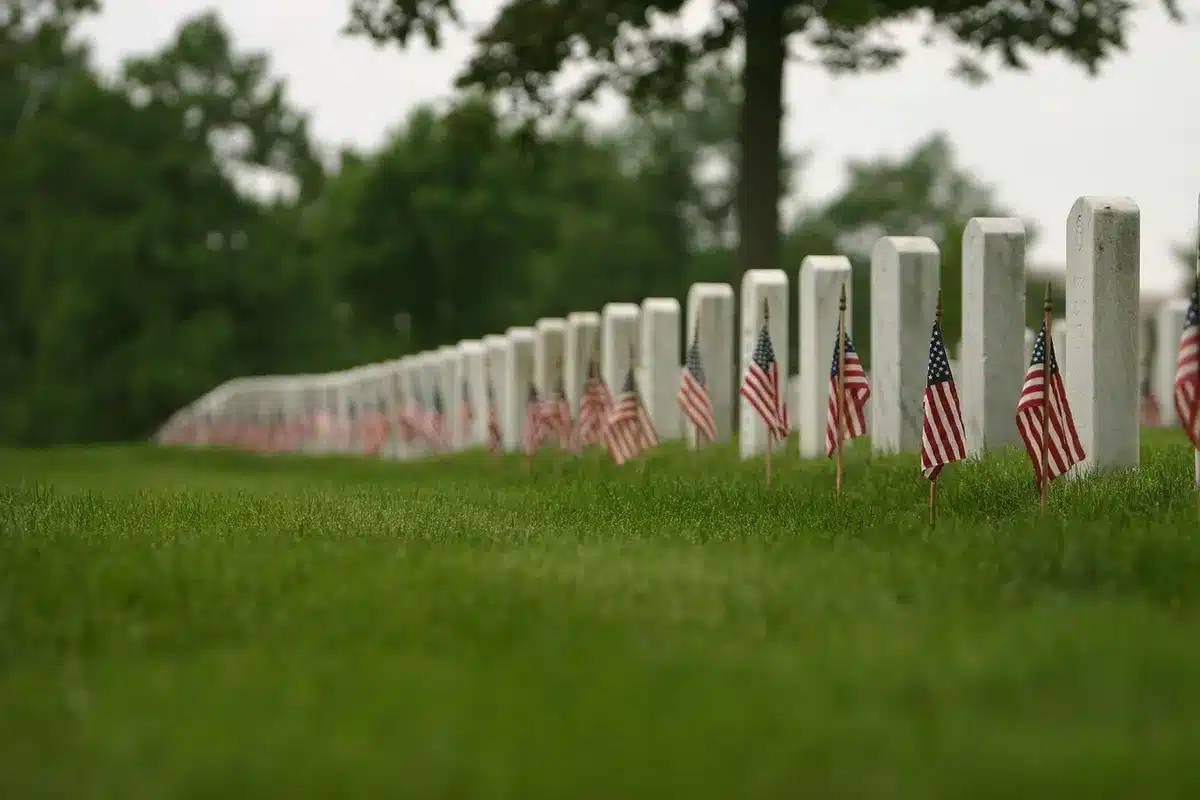
The return of Halley’s medals is one of many small stories that surface each year around Remembrance Day, when communities focus on honoring those who served. Projects like Smith’s not only document individual narratives but also help families reclaim physical artifacts of service that can otherwise be lost to time.
For families who suspect a relative’s awards are missing, the combination of public records, ministry procedures and community volunteers can make recovery possible — sometimes decades after the fact.
You might also like:
- Man returns lost cash after 12-day search to laborer who needed it for his daughter
- Trump fires back at Stephen A. Smith after Knicks’ Game 3 loss in NBA Finals
- WWII love affair solved after 80 years unites two families
- Elijah Smith, UFC prospect, deserves a step up after stopping Davey Grant
- First woman to play pro football: Panther Pat spotlights nearly forgotten trailblazer

Michael Thompson is an experienced journalist covering U.S. and global news. With ten years on the front lines, he breaks down political and economic stories that matter. His precise writing and keen attention to detail help you grasp the real‑world impact of every event.