Show summary Hide summary
For more than eight decades two families lived with the same unanswered question: who was the missing link connecting a small English town and a coastal New Brunswick household? What began as a private mystery tucked into divorce papers and wartime rumor has now blossomed into a transatlantic reunion — sparked by a commercial DNA test and a relative who wouldn’t let the story die.
The discovery reunited 81-year-old Rodney Anderson of Surrey, England, with blood relatives he never knew existed in Canada. The revelation rewrites family histories split by World War II, secrecy and social stigma, and it’s a reminder of how modern genealogy tools can close gaps left by decades of silence.
How a wartime secret became an 80-year riddle
The Growing Demand for Data-Driven Decision Making in Silicon Valley
He quit, ran out of money, and begged to come back — here’s how his boss reacted
In 1944, while Europe was still at war, a Canadian soldier stationed in the United Kingdom formed a relationship with a local woman. The affair produced a child the following year, but the identity of the father was kept from that child, partly because of the shame attached to out-of-wedlock births during and after the war.
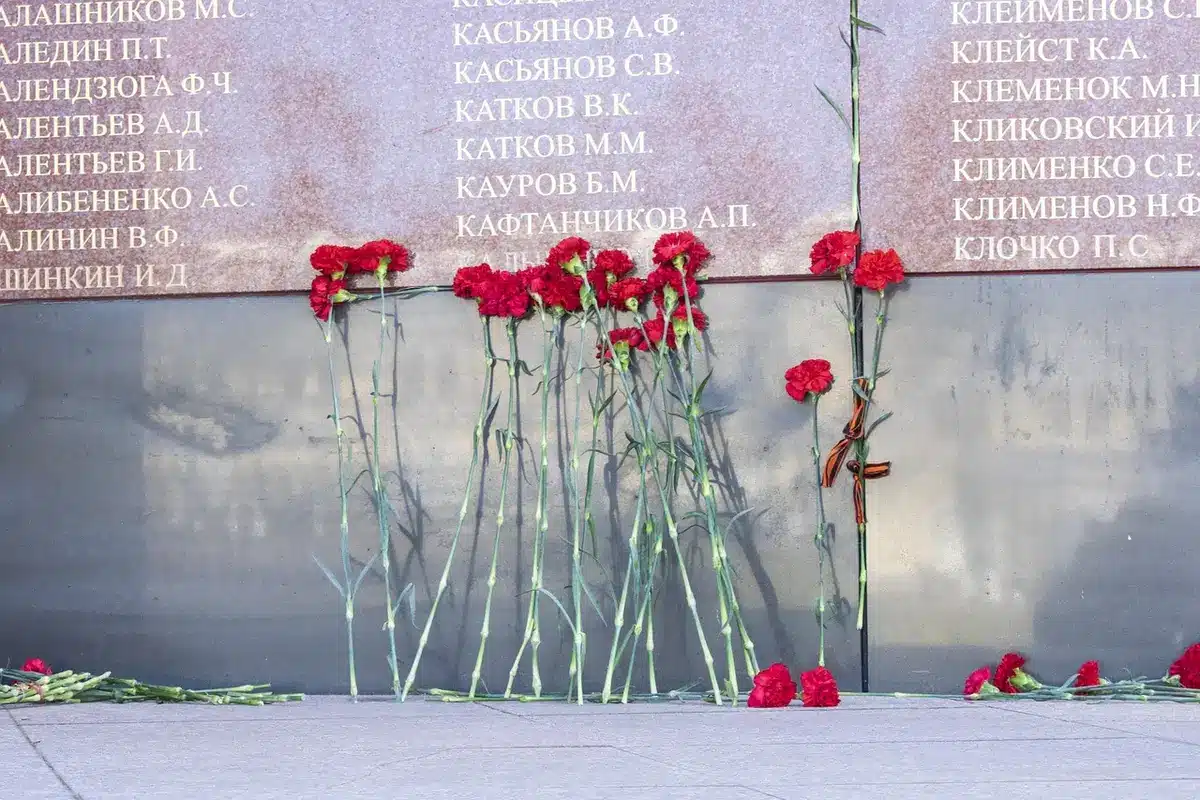
The soldier, Charles Blakney of New Brunswick, had left for service in 1942 as a motor and driver mechanic with the New Brunswick Rangers. He returned home in 1945 to a wife and daughter, while in England a boy named Rodney was born to a woman named Yvonne in Farnham. Rumors about an overseas romance lingered in the Canadian family for years but could not be confirmed — until digital records and DNA testing offered new leads.
From a paper trail to a DNA match: how the link was proven
Small clues spark a long search
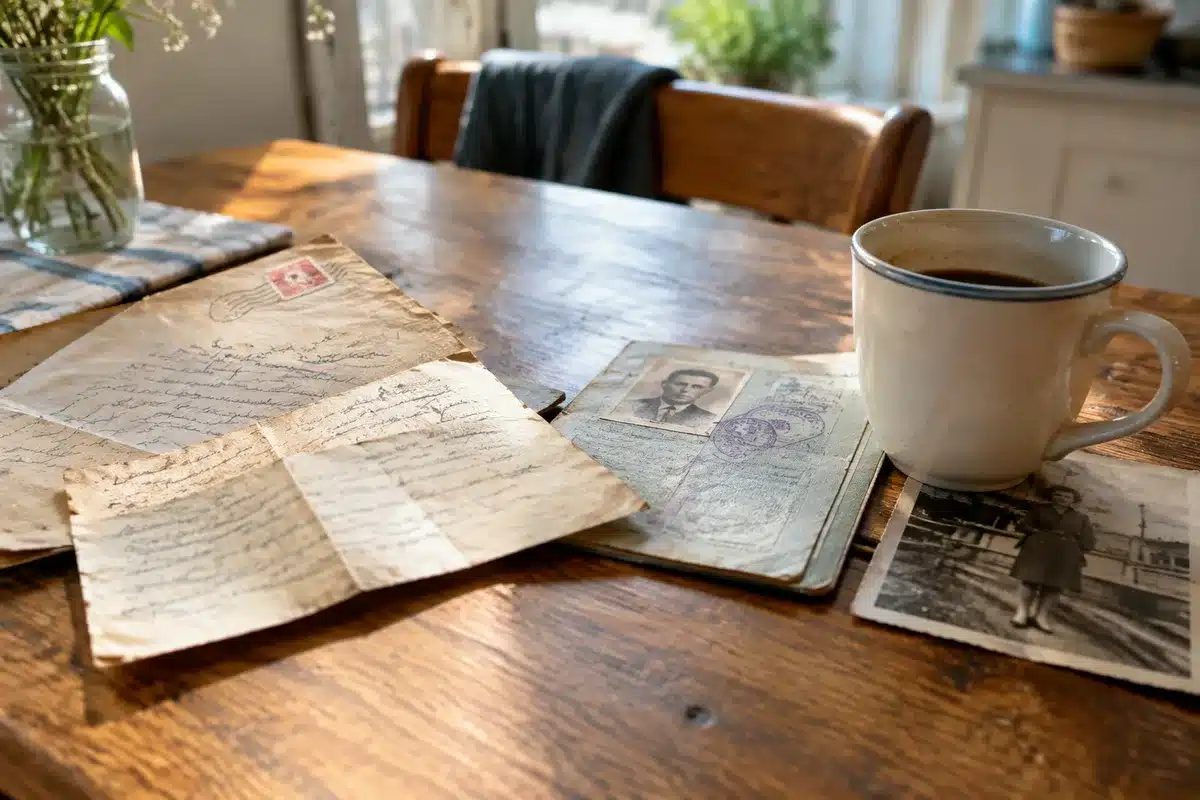
The search revived in 2008 when a Canadian relative, Bethany Allen, noticed a reference in divorce papers indicating her grandfather had fathered a child in the U.K. That hint stayed with her for years. She and other family members kept digging through wartime records and family lore, wondering if the rumor might be more than rumor.
Modern genealogy closes the gap
What finally confirmed the connection was a commercial genealogy test from Ancestry. Anderson himself had submitted DNA years earlier while trying to learn more about his own paternity. The company’s matching algorithm eventually flagged a close relationship between Anderson’s family tree and the descendants of Charles Blakney.
- Documentary lead: Divorce papers and family stories pointed to a wartime liaison.
- DNA evidence: Ancestry’s testing revealed a close genetic match.
- Direct contact: Bethany Allen reached out to Anderson’s daughter, Dawn Roberts, with the discovery.
That outreach set the reconnection in motion. Allen’s message bridged time and geography: she identified the likely relationship and named Rodney. The family on both sides confirmed the match over conversations that felt, to many of them, like meeting someone they’d always known.
Personal echoes: mannerisms, careers and shared traits
When two branches of a family tree first begin to speak, the conversation often turns to likenesses. For Rodney and his newfound half-siblings, resemblance went beyond facial features.
- Relatives remarked on a similar sense of humor that made phone calls feel immediate and familiar.
- One sister noted that Rodney had the “same ears” as Charles, an affectionate way families mark genetic echoes.
- Both Charles and Rodney worked as auto mechanics — a profession that seemed to pass down alongside certain physical traits.
Rodney’s life had not been without hardship. He lost his left eye and left arm in a childhood railway accident yet still pursued a career as an auto mechanic. Those parallels added emotional weight to the reunion: shared occupation and shared resilience knit the family story together across the ocean and decades.
Plans for a reunion and what comes next
With the connection verified, Rodney is preparing to travel. He has already purchased plane tickets for next summer for himself and his granddaughter to visit New Brunswick, where they will meet relatives who have wondered for generations what became of the child born in Farnham during wartime.
This reunion is more than a meeting of faces — it’s the closing of a chapter that began under the fog of war and the weight of moral judgment. For many families divided by conflict, migration or silence, DNA technology is becoming the tool that finally allows stories to be told and repaired.
Why this kind of discovery matters beyond one family
Stories like this illustrate several broader shifts affecting how people think about kinship and history:
- Genealogy services are changing access to family history, allowing people to reconnect across continents.
- Wartime taboos that once silenced families are being revisited, often with compassion and new understanding.
- Small archival traces — a line in divorce papers, a wartime roster — can trigger research that spans generations.
For Rodney, his half-sisters, and the Canadian Blakney descendants, the discovery has already altered daily life: phone calls laced with laughter, plans for a summer visit and an expanded sense of who belongs to the family story. For others who carry similar unanswered questions, this case offers a clear example of how persistence, paperwork and modern DNA tools can reshape the past.

You might also like:
- During her son’s wedding, a woman realizes the bride is her own daughter
- Missing cat reunited with family after 4 years when cousin spots her on shelter website
- WWI message in a bottle found in Australia delivered to soldiers’ families after 100 years
- Minnesota couple who met in hospital after waking from comas are getting married
- Forgive Me : This Mom And Her Kids Left A Restaurant Without Paying, 10 Years Later The Owner Receives A Handwritten Letter And 50 Euros

Michael Thompson is an experienced journalist covering U.S. and global news. With ten years on the front lines, he breaks down political and economic stories that matter. His precise writing and keen attention to detail help you grasp the real‑world impact of every event.