Show summary Hide summary
- What researchers discovered on Bikar and Bokak
- How the survey was carried out: methods that revealed hidden life
- Why these atolls matter for global conservation
- Community stewardship and national action
- Key findings and surprising observations
- What the sanctuary designation protects and what comes next
- How this fits into broader ocean conservation efforts
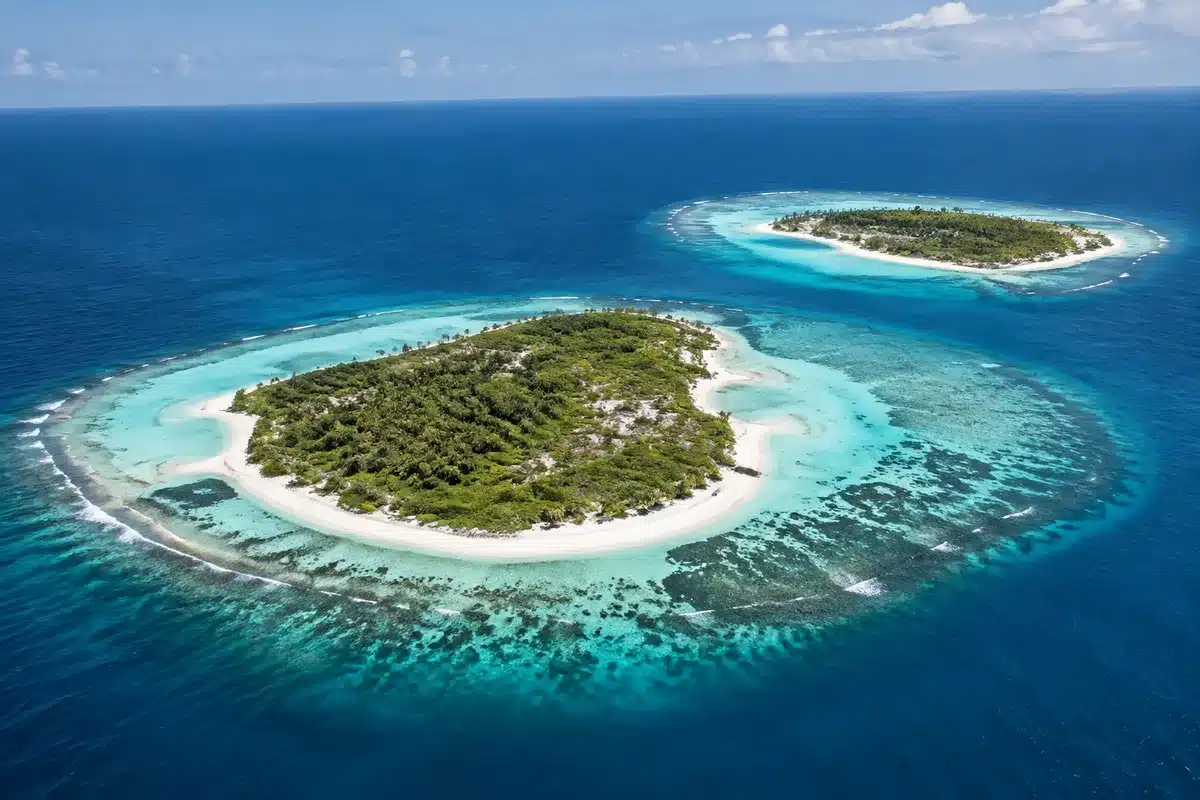
The remote coral rings of Bikar and Bokak in the Marshall Islands have emerged as living time capsules — islands where sea, sky and shore still function with very little human interference. A recent scientific expedition found these atolls harboring vibrant coral reefs, thriving seabird colonies and deep-sea life that together paint a rare picture of what healthy Pacific ecosystems can look like.
Scientists hope the findings will serve as a benchmark for conservation and restoration worldwide. After extensive surveys, the Marshall Islands designated roughly 18,500 square miles around the two atolls as the nation’s first national marine sanctuary, protecting some of the planet’s most intact coral atoll ecosystems.
What researchers discovered on Bikar and Bokak
The field team carried out a broad, multidisciplinary survey of land, coastal and offshore environments. Their work documented the islands’ natural communities from turtle nests on sandy shores to deep-sea animals hundreds of meters below.
The Growing Demand for Data-Driven Decision Making in Silicon Valley
He quit, ran out of money, and begged to come back — here’s how his boss reacted
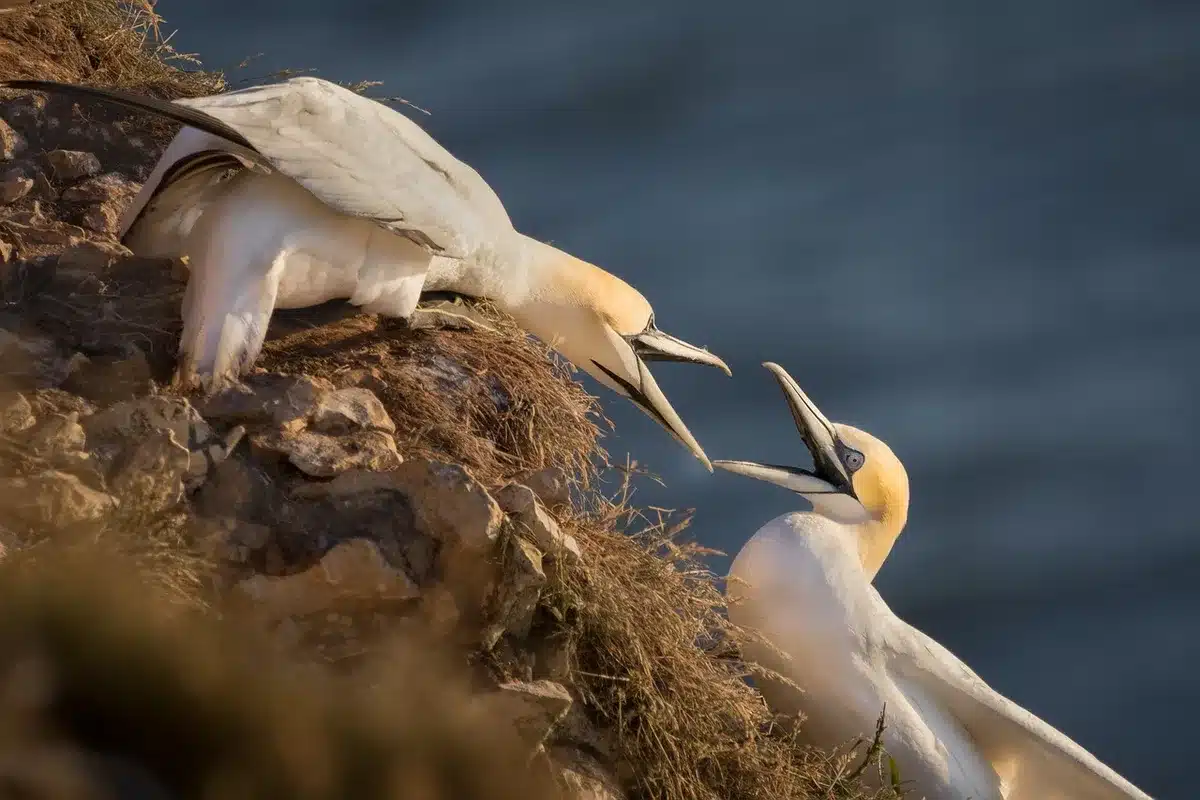
- Seabirds: More than a dozen active breeding colonies were recorded, signaling healthy island habitats and minimal human disturbance.
- Shoreline life: Turtle nesting sites remain active, a sign of intact coastal processes and safe nesting beaches.
- Coral reefs and fish: Surveyors counted 266 reef fish assemblages and noted abundant large predators in open water.
- Deep-sea diversity: Teams cataloged 79 groups of deep-sea fishes and other understudied communities off the shelf.
The researchers emphasized that these numbers are significant not just locally but globally. Several fish groups had never been recorded in the Marshall Islands before, and a couple of the deep-sea finds could represent species new to science.
How the survey was carried out: methods that revealed hidden life
Fieldwork combined traditional ecological techniques with modern technology to build a comprehensive inventory of the atolls’ biodiversity.
Tools and approaches
- Scuba dives and reef transects to assess coral health and fish communities.
- Underwater video and remote cameras to capture behavior and species that avoid divers.
- Deep-sea camera deployments and manned submersible dives to explore unexplored benthic habitats.
- On-island counts of nesting turtles, vegetation surveys and seabird colony monitoring.
Dr. Alan Friedlander, a marine ecologist at the University of Hawai‘i and the study’s lead author, described the effort as an opportunity to observe ecological processes in locations minimally affected by people. The combination of these methods provided a rare snapshot of functioning marine and terrestrial ecosystems.
Why these atolls matter for global conservation
The remoteness of Bikar and Bokak is part of what makes them valuable. Sitting roughly midway between Hawaii and the Philippines, these northernmost Marshall Islands atolls are isolated — approximately 72 and 239 miles from the nearest inhabited atoll — a distance that has limited direct human impact for generations.
- Reference ecosystems: Pristine sites like these act as ecological benchmarks, helping scientists understand baseline conditions against which degraded environments can be compared.
- Genetic and species reservoirs: The discovery of previously unrecorded groups and potentially undescribed species highlights the role of remote atolls in preserving biodiversity.
- Natural laboratories: Intact predator populations, healthy reefs and active bird colonies let researchers study food webs and ecosystem resilience without common human confounders.
The study, published in Frontiers in Marine Science, frames these atolls as invaluable for both scientific research and practical conservation planning. By protecting areas where ecosystems still function naturally, managers gain insight into what effective restoration might aim to achieve elsewhere.
Community stewardship and national action
Local stewardship played an important role in safeguarding these places. The community of Utirik Atoll has long guarded nearby islands, and that traditional vigilance contributed to the islands’ condition.
The government of the Marshall Islands moved to formalize protection following the research, creating a national marine sanctuary that covers the waters around Bikar and Bokak. This legal protection aims to conserve seabird colonies, turtle nesting beaches, nearshore reefs and the undersea communities that were recently documented.
Key findings and surprising observations
The expedition returned with data and images that surprised even seasoned researchers:
- High numbers of large predatory fishes in open water, including sharks, jacks and wahoo.
- Coral reefs that support a broad range of reef fish assemblages at multiple depths.
- Rich deep-sea life previously unknown in the region, with some species potentially new to science.
- Fully functioning seabird colonies and mature native vegetation on the islands.
These discoveries underline how much remains to be learned about remote ocean ecosystems and how effective protection can preserve both known and unknown biodiversity.
What the sanctuary designation protects and what comes next
The new sanctuary protects an area spanning tens of thousands of square miles around the two atolls, encompassing coastal zones, coral reef habitats and deeper waters. Management priorities will include monitoring the ecosystems, enforcing protections, and working with local communities to maintain traditional stewardship practices.
Researchers stress the need for ongoing scientific study to track changes over time and to use the sanctuary as a natural benchmark. Continued exploration of the deep and nearshore areas could reveal further species and ecological interactions that help guide global conservation strategies.
How this fits into broader ocean conservation efforts
Protecting pristine places like Bikar and Bokak complements wider efforts to restore damaged reefs and rebuild fisheries elsewhere. By preserving intact systems, scientists and policymakers can compare restored sites to natural baselines and refine techniques for reef recovery, species protection and ecosystem-based management.
- Reference sites inform restoration targets.
- Protected areas can serve as source populations for repopulating nearby degraded reefs.
- Long-term monitoring at pristine sites helps detect regional impacts such as climate change and shifting ocean conditions.
You might also like:
- Heat-resistant coral helps Mauritius restore reefs with 98% survival rate
- Oyster reef restoration off Portsmouth becomes England’s largest with 200+ volunteers
- Identify fish by sound: scientists can now recognize species from their sounds
- Guano helped make ancient Peru a superpower
- Macronesia marine sanctuary protects waters around 4 Atlantic islands and critical whale habitat

Michael Thompson is an experienced journalist covering U.S. and global news. With ten years on the front lines, he breaks down political and economic stories that matter. His precise writing and keen attention to detail help you grasp the real‑world impact of every event.