

Show summary Hide summary
- Why immune cells, not just plaques, are waking the brain
- How the experiment proved microglia drive sleep loss
- Unexpected pattern: early immune response sets a lasting ceiling
- Restoring more than two hours of sleep in affected mice
- EEG signals as a practical biomarker for Alzheimer’s-related sleep change
- Translating the findings: calm microglia without erasing them
- Funding, authorship and next steps for research
Imagine a home sprinkler system that floods the entire house when a small kitchen blaze ignites. Designed to protect, it ends up doing more harm than the original fire. Scientists now say a similar overreaction happens in Alzheimer’s disease—where the brain’s immune cells go into overdrive and unintentionally disrupt sleep.
Researchers at the University of Kentucky report a breakthrough: by dialing down those immune cells in mice, they restored more than two hours of lost sleep each night. The findings point to a fresh angle for diagnosing and treating sleep disturbances tied to Alzheimer’s, with implications for memory, cognition, and everyday quality of life.
The Growing Demand for Data-Driven Decision Making in Silicon Valley
He quit, ran out of money, and begged to come back — here’s how his boss reacted
Why immune cells, not just plaques, are waking the brain
For years, amyloid plaques—sticky protein deposits that accumulate in Alzheimer’s—were blamed for the sleep troubles common in the disease. The UK team took a different tack and tracked how the brain’s resident immune cells, called microglia, react to those plaques. Their data suggest the microglial response, rather than the plaques themselves, is the main force behind the sleep disruption.
Lead investigator Shannon L. Macauley and colleague Nicholas J. Constantino argue that when microglia detect plaques they trigger a widespread inflammatory reaction. That immune “alarm” seems to keep the brain in a heightened, wakeful state, interrupting the cycles the brain uses to repair and consolidate memory.
How the experiment proved microglia drive sleep loss
Mouse models and targeted removal of microglia
The team compared two groups of mice: one engineered to develop amyloid plaques and another with normal aging. They examined animals at two stages—when plaques first appear and later during advanced pathology—so they could untangle disease effects from typical aging.
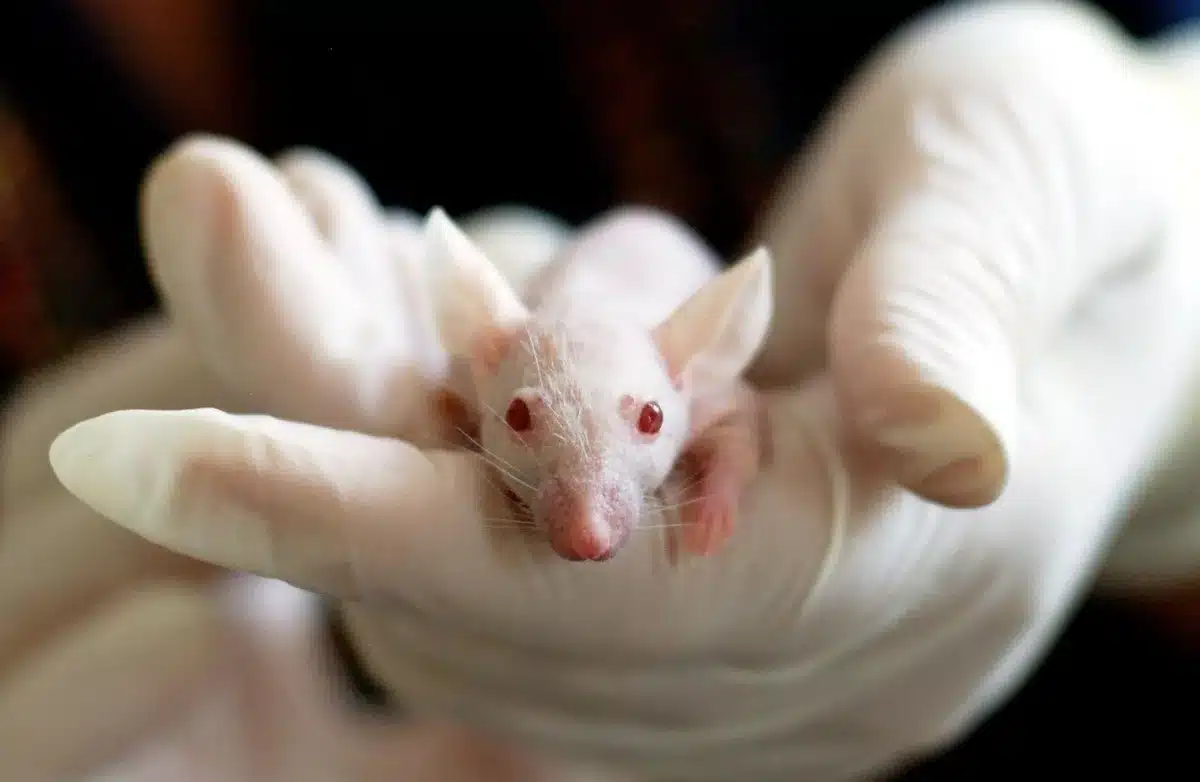
To test causality, researchers used the drug Pexidartinib (PLX3397), a molecule known to block survival signaling in microglia. Fed to mice for two weeks, the drug temporarily eliminated roughly 87% of microglia, allowing investigators to see what happened to sleep when the immune response was suppressed.
Measuring sleep and brain activity
Rather than rely on observational measures alone, the study used high-resolution brain recordings and algorithms to parse electrical signals. Scientists separated rhythmic brain waves from background electrical noise to determine whether the brain’s “engine” stayed active during rest.
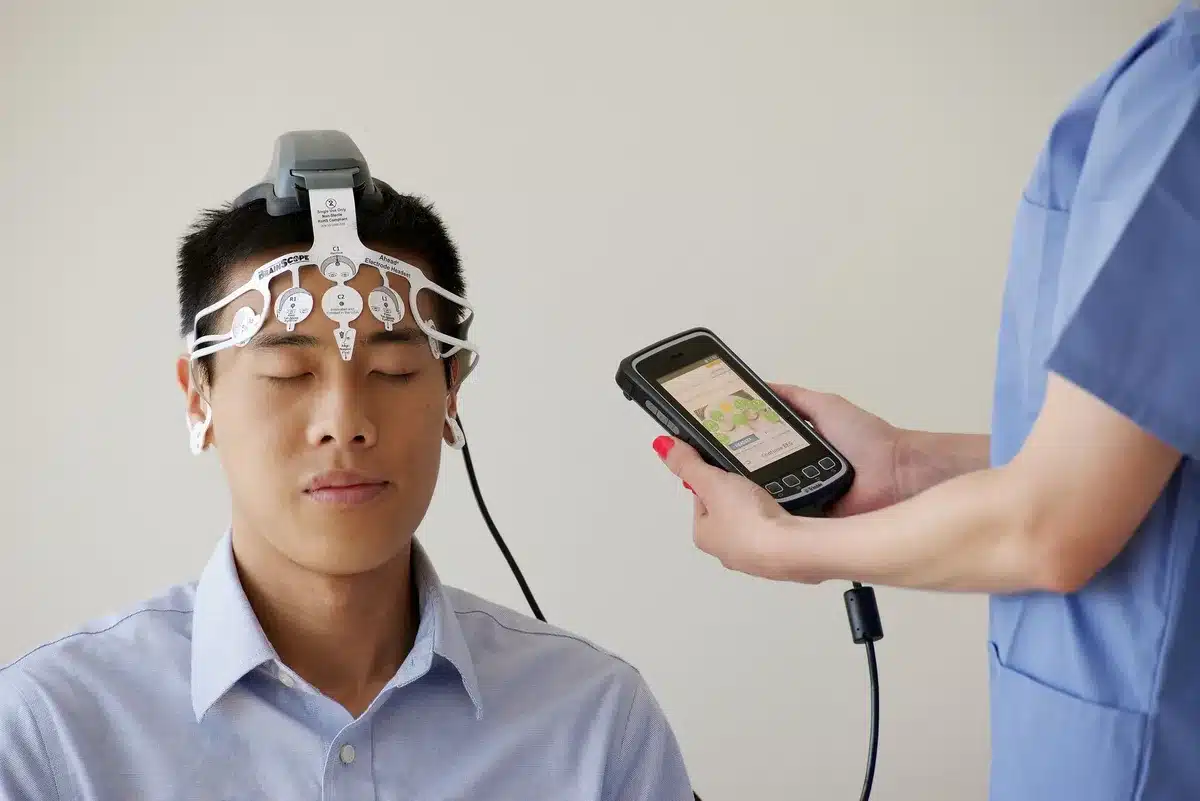
- Electrophysiological monitoring distinguished wakefulness, non-REM (NREM) restorative sleep, and REM dreaming sleep.
- Analytic tools quantified changes in both periodic (oscillatory) and aperiodic (background) activity, offering precise signatures of sleep disruptions.
Unexpected pattern: early immune response sets a lasting ceiling
Contrary to the idea that sleep problems worsen steadily as plaques accumulate, the researchers observed a plateau. Sleep disruption emerged early, around the time plaques first formed, and did not grow proportionally with later, heavier plaque loads. The implication: the initial microglial reaction creates a lasting disturbance that further plaque accumulation does not significantly worsen.
These findings differentiate normal aging from disease-driven change: while healthy aging tends to reduce REM sleep, the microglial-driven process in Alzheimer’s selectively erodes NREM restorative sleep—the stage crucial for clearing metabolic waste, repairing neural tissue, and strengthening learning.
Restoring more than two hours of sleep in affected mice
When microglia were depleted by PLX3397, mice with amyloid pathology gained back a substantial portion of lost sleep. Key outcomes included:
- More than two extra hours of sleep per 24-hour period compared with untreated Alzheimer-model mice.
- Longer, more consolidated NREM sleep bouts, giving the brain greater opportunity to transition into REM cycles important for memory formation.
- No immediate reduction in amyloid plaque burden—suggesting the sleep gains were driven by lowering inflammation rather than removing plaques.
That separation—improved sleep without changing plaque levels—supports the idea that inflammation-driven sleep loss may be a reversible, targetable component of the disease.
EEG signals as a practical biomarker for Alzheimer’s-related sleep change
The investigators identified distinct electrical signatures that differentiate Alzheimer’s-associated sleep disruption from normal aging. Because the patterns can be picked up with EEG, the study highlights a potential path for low-cost, longitudinal monitoring in real-world settings.
- Portable EEG systems could enable at-home tracking of sleep and brain activity, providing an early-warning signal of disease-related changes.
- Such monitoring might reduce the need for immediate invasive or expensive tests and let community clinics screen patients locally.
Accessible EEG markers could therefore become a practical screening tool to flag risk or monitor progression, enabling earlier intervention and research participation.
Translating the findings: calm microglia without erasing them
Because microglia perform many essential roles, completely removing them is not a sustainable therapy for humans. Instead, Macauley’s lab is exploring ways to dial down their overactivity. The team is testing whether existing medications that alter cellular metabolism—such as metformin (a diabetes drug) or stiripentol (an anti-seizure medicine)—can reset microglial behavior and reduce the inflammatory signals that keep the brain awake.
Possible therapeutic strategies under investigation include:
- Metabolic modulation to shift how microglia use fuel and respond to amyloid.
- Pharmacologic “reprogramming” that reduces inflammatory signaling without deleting microglia.
- Noninvasive monitoring with portable EEG to measure treatment impact on sleep over time.
By aiming to quiet the immune overreaction rather than eliminate a cell population, researchers hope to restore restorative sleep years before severe memory loss emerges, improving cognition, attention, and daily functioning.
Funding, authorship and next steps for research
The work, published in Alzheimer’s & Dementia, was led by Shannon L. Macauley with first author Nicholas J. Constantino, and received support from the NIH, the Cure Alzheimer’s Fund, and The CART Fund. The team’s next studies will probe safe approaches to temper microglial activity in humans and validate EEG markers in clinical populations.
You might also like:
- Deep sleep brain waves may protect against Alzheimer’s, new study shows
- DMT, the spirit molecule, protects brain from stroke in mice, study finds
- Vitamin K may form basis for new treatment for neurodegenerative diseases
- Alzheimer’s antibody from camels and alpacas shows promise as a treatment
- MS: high-altitude yak gene protects and repairs myelin in early study

Michael Thompson is an experienced journalist covering U.S. and global news. With ten years on the front lines, he breaks down political and economic stories that matter. His precise writing and keen attention to detail help you grasp the real‑world impact of every event.


I once heard sleeps like hitting a reset button for the brain, man. This studys wild! Imagine, restoring Alzheimers patients rest by two hours. Maybe microglia are the hidden heroes of our noggin after all.
Man, thats some mind-blowing stuff right there! Its like hitting the refresh button for your brain, huh? Microglia swooping in as the unsung heroes of our noggin…who wouldve thought, eh? Imagine the possibilities if we crack this code wide open. The brain is a wild place, my friend.
So, like, they found a way to give Alzheimers patients more sleep, huh? Thats pretty rad. Its wild how the immune cells are like, Hey brain, time to wake up! Science is full of surprises, man.
Man, imagine getting some extra Zs to fight off Alzheimers? Thats like a power-up in a video game! Sleeps so crucial, its like a secret potion for our brains. Heres to more rest for all of us!
Wow, restoring sleep in Alzheimers patients? Thats a game-changer! Its like hitting the snooze button on memory loss. Imagine what a few more zzzs could do for us all. Keep those breakthroughs coming!
You know whats wild? Restoring Alzheimers patients sleep by two hours? Thats like a game-changer! The brains immune cells getting the spotlight now, not just plaques? Science is on a roll, man. Lets keep these breakthroughs coming!
Man, this breakthrough on Alzheimers and sleep is like finding the last piece of a puzzle! Who knew giving those microglia a break could restore two precious hours of sleep? Science, you never cease to amaze!
Yo, peeps, check this out! This study on Alzheimers and sleep is mind-blowing. Who knew those sneaky immune cells could be the key to restoring those precious Zs? Science is wild, man.
I remember when Grandpa struggled with Alzheimers. This news about restoring sleep gives me hope for others. The brain is a mysterious place, huh? Maybe its not too late to unlock its secrets.
Man, I feel you. Alzheimers hits hard. But this sleep stuff? Its like a glimmer of hope in the fog, right? The brains a wild ride, full of twists and turns. Who knows what secrets its hiding? Maybe theres more to discover than we ever imagined. Keep the faith, man.
Oh, so now theyre saying sleep can help with Alzheimers? Whats next, a good ol nap will cure all our problems? Cant wait for them to prescribe bedtime as a legit treatment. *eye roll*
Oh, so now theyre telling us sleep can help with Alzheimers? About time they figured that one out! Wonder how many more studies itll take for them to realize the importance of a good nights rest for, well, pretty much everything!
Oh, the wonders of science! Imagine getting two extra hours of sleep thanks to a breakthrough study on Alzheimers. Its like winning the lottery for your brain! Kudos to those researchers for cracking the code on snooze restoration.
My grandma fought Alzheimers hard. If this sleep trick works, its like winning a small battle. Hope it helps more folks out there. Science, youre surprising me… in a good way this time.
Man, I feel you on this one. Alzheimers is a tough opponent, no doubt. If this sleep trick can bring a little relief, thats like a tiny victory in a big war. Heres hoping more people get a hand from this unexpected science curveball. Who wouldve thought, right? Lets keep our fingers crossed for more breakthroughs down the road.
Dude, imagine if we could just delete our tiredness like that, right? Two hours of extra snooze? Sign me up! Maybe soon well all be napping like pros. Science, man, its wild.
Dude, wouldnt it be epic if we could just hit delete on our tiredness like a boss? Two extra hours of zs? Count me in! Imagine a world where we all nap like pros, man, thatd be something! Science is off the charts wild sometimes, huh?
Yo, imagine getting two extra hours of snooze just by fixing Alzheimers sleep! Thats some next-level science stuff right there. Microglia, you sly devils, who knew you were the key to our Zzzs? Time to catch up on all that lost sleep, fam!
Wait, so these little immune cells are the real MVPs behind sleep loss? Sounds like a sci-fi flick plot! Imagine if we could just remove em to get some extra Zs. Science never ceases to amaze me!
Man, this breakthrough on Alzheimers sleep is a game-changer! Two extra hours of Zs? Sign me up! Science is wild, yo. Lets hope this leads to more breakthroughs for those struggling with memory issues.
Man, technologys wild. Restoring Alzheimers sleep? Thats some next-level stuff. Imagine if we could just hit a button and catch a few more Zs. Bet thatd make Mondays a whole lot easier.