
Show summary Hide summary
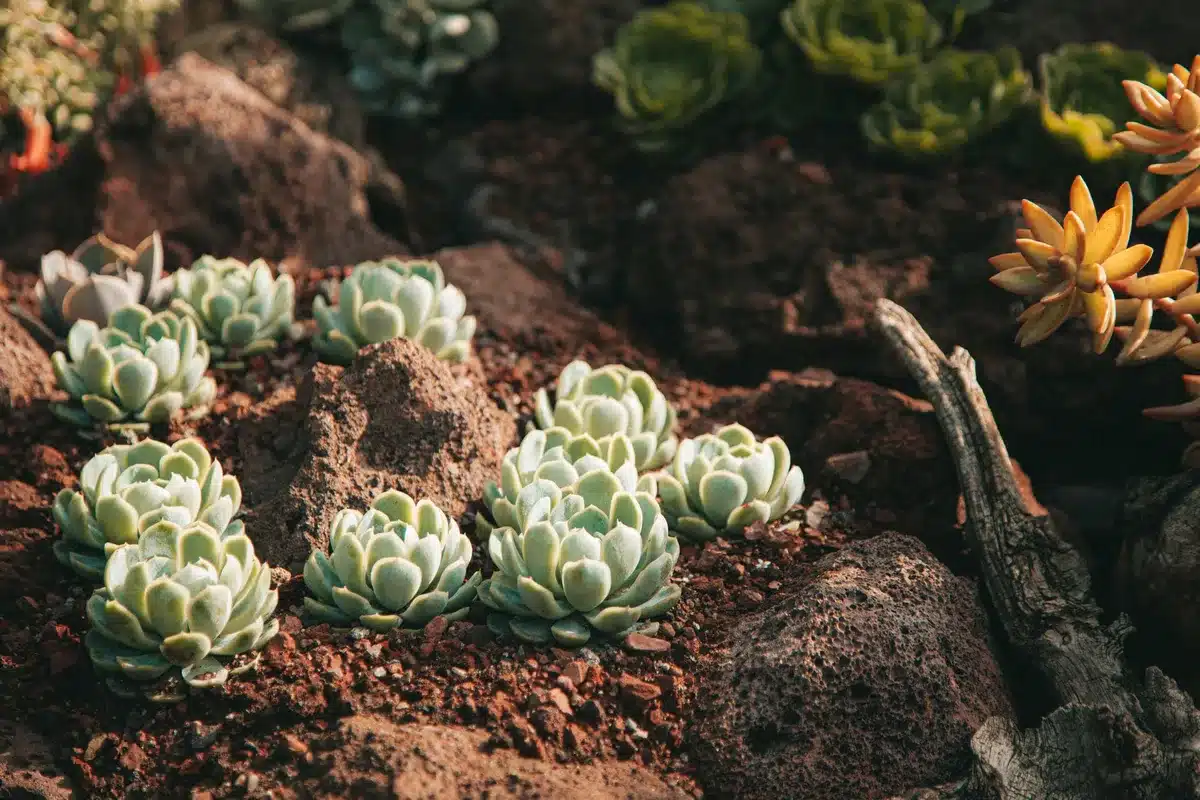
A surprising desert succulent could alter the way everyday paper goods are made. Kimberly-Clark says a humble plant called hesperaloe may one day replace tree pulp in tissues, toilet paper, paper towels and other disposable paper products — a development that could reshape forestry, manufacturing costs and water use in arid regions.
Company scientists, after decades of research and hundreds of millions in investment, have moved from lab benches to field pilots as they test whether this drought-tolerant fiber crop can compete with the timber-based supply chains that have dominated the paper industry for generations.
The Growing Demand for Data-Driven Decision Making in Silicon Valley
He quit, ran out of money, and begged to come back — here’s how his boss reacted
What hesperaloe is and why it matters for paper makers
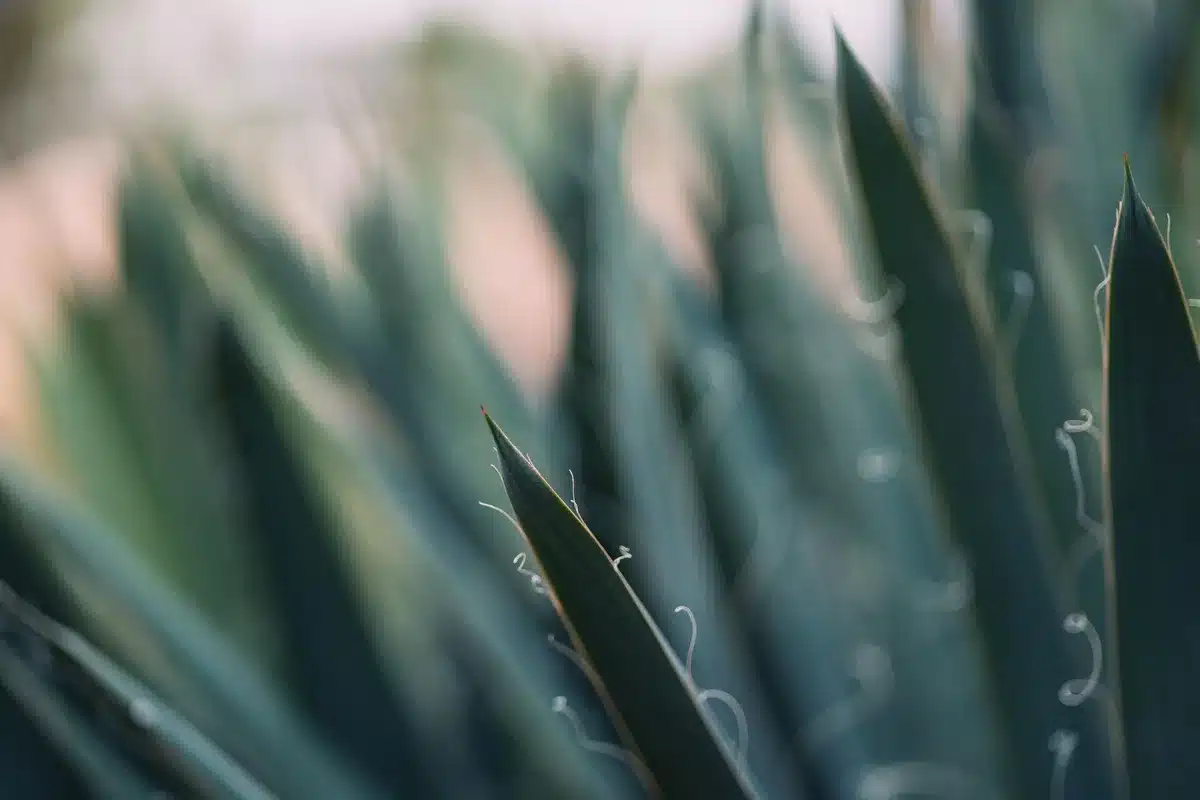
Hesperaloe is a long-leafed succulent adapted to dry climates. Unlike tree fibers that come from forested areas, this plant thrives on low-water lands and has a fibrous structure that can be processed into pulps used in absorbent paper products.
For a manufacturer like Kimberly-Clark — the company behind brands such as Scott, Cottonelle and Huggies — finding a viable nonwood feedstock is a strategic priority. The company reports substantial time and money poured into the effort: two decades of R&D and about $250 million invested to explore alternatives to traditional wood pulp.
Potential environmental wins from switching feedstocks
- Less pressure on forests: Substituting a nonwood crop could reduce logging and help preserve mature forests.
- Lower water footprint: Growing a drought-adapted plant on marginal land uses far less irrigation than many conventional crops.
- Carbon benefits: Fewer acres harvested for wood might translate into significant avoided CO2 emissions from major timber-producing nations.
- Economic land use: Cultivating a fiber crop in dry regions could provide income in areas at risk of desertification while keeping productive forestland intact.
Early analyses indicate the approach could be competitive with wood-based pulp, though company leaders caution that commercial-scale economics and supply-chain logistics still need validation.
How Kimberly-Clark discovered the candidate and what alternatives were explored
Executives say they examined dozens of possible substitutions over the years, testing everything from hemp and bamboo to agricultural residues and grasses. Company strategists estimate they experimented with about 70 different feedstocks before settling on the most promising options.
Alternatives tested in the search for nonwood pulp
- Hemp fibers
- Bamboo
- Crop residues and straw
- Other grasses and desert-tolerant plants
The breakthrough moment came when field teams noticed particularly suitable fiber properties in hesperaloe growing at an old agricultural test site in Arizona. According to company R&D leadership, the material’s combination of tensile strength, absorbency and processability made it stand out.
Technical and market hurdles to replacing wood pulp
Replacing a century-old feedstock at scale presents major challenges. Wood and plastic supply chains have benefited from decades of efficiency improvements, infrastructure build-out and incremental innovation. New crops lack that operational history.
- Scaling cultivation: establishing reliable, low-cost agricultural systems for a new fiber crop.
- Pulping processes: adapting mills and processes to convert hesperaloe into consistent paper-grade pulp.
- Supply-chain logistics: transporting, storing and processing a crop that will come from different geographies than traditional timber supplies.
- Regulatory and market acceptance: ensuring product performance and gaining retailer and consumer trust.
Company leaders emphasize that pilot trials are crucial to answering these questions — only practical, large-scale testing will reveal true costs and yield curves.
Pilot projects, early results and next steps in Arizona
Kimberly-Clark has moved from lab studies into a pilot facility located in Yuma, Arizona, where teams are growing hesperaloe plots and running experimental pulping operations. The goal is to evaluate cultivation techniques, processing yields and product performance under conditions that approximate a commercial system.
Executives say preliminary tests look promising but stopped short of announcing definitive cost estimates for a full-scale crop-to-pulp supply chain. The company describes the work as ambitious — likening it to a “moonshot” effort to break away from conventional wood fibers — while acknowledging the need for more data before any large-scale transitions are made.
You might also like:
- Wood foam made from logging waste: startup produces 400 pounds daily as plastic substitute
- Seed vault in Atacama Desert frozen to preserve Chile’s plant diversity
- Biodegradable plastic from bamboo is stronger and easier to recycle
- San Diego desalination plant boosts water supply, helps drought-stricken states
- Rice prices hit 18-year low as yields per acre double

Michael Thompson is an experienced journalist covering U.S. and global news. With ten years on the front lines, he breaks down political and economic stories that matter. His precise writing and keen attention to detail help you grasp the real‑world impact of every event.


Man, imagine turning desert plants into paper? Crazy times were living in! Its like natures got a hidden backup plan. Bet those paper companies are sweating now. Mother Natures got tricks up her sleeve!
As a nature enthusiast, I dig the idea of using desert plants for paper. Its like a cool twist in the sustainability game! Lets see if this moonshot by the company can make a real green impact.
I remember back in the day, folks used to say paper comes from trees. Now, theyre talking bout using desert plants like hesperaloe? Well, well, well, times are a-changin. Wonder if my old tree friends feel replaced…
Man, imagine a world where we wipe our bums with desert plants, wild right? Wonder if its gonna be scratchy or extra soft… Hope they dont mess up the toilet paper game!
Man, imagine a world where desert plants save the day for paper products! Its like a sci-fi flick come true. Bet those paper companies are feeling like they hit the jackpot with this moonshot idea. Lets see if it sticks!
I once tried making paper from cacti in art class, disastrous! Imagine if this desert plant really replaces trees, saving forests. Sounds like a sci-fi plot, but hey, if it helps the environment, count me in!
Who needs trees when you got desert plants, right? Bet they never saw that coming! Cant wait to see if this moonshot actually takes off or crashes and burns. Talk about shaking up the paper game!
I remember when my grandpa used to say, Innovations the key, kiddo. This desert plant replacing trees for paper? Sounds like a wild ride! Lets see if its the real deal or just a mirage.
I remember when I tried to make a treehouse but ended up with a pile of splinters. Maybe this desert plant paper idea can save future DIY disasters! Wonder if itll catch on, or if its just a prickly dream.
I once tried making my own paper from cactus fibers for a school project. It was a prickly disaster! Maybe this desert plant idea could work better. Imagine a future where were scribbling on cactus paper. Wild!
Oh, the irony of plants replacing trees for paper! Natures plot twist. Will this desert plant really save the day, or are we chasing a mirage here? Curious to see if its a green revolution or just a dusty dream.
I once tried making paper from cactus fibers in school. It was a disaster, sticky mess everywhere! Cant wrap my head around how a desert plant could replace trees, but hey, natures full of surprises, right?
Yo, talk about a wild ride! Imagine a world where desert plants rule the paper game. Hesperaloe stepping up to save the trees, thats some next-level eco-magic. Time to shake things up, nature style!
Yknow, its wild how desert plants might be the next big thing for paper. Imagine, no more trees choppin! Natures got more tricks up its sleeve than we think. Hope this moonshot pays off!
Oh, let me tell you, Ive always been a skeptic about these eco-friendly claims. But if this desert plant can truly replace trees for paper, count me in! Mother Nature needs a break from our tree-hugging, right?
I remember when my grandma used to say, Theres a plant for everything, hun! Guess she was onto something! Cant wait to see if this desert plant really can revolutionize paper products like theyre saying. Natures got more tricks up her sleeve than we realize!
I once saw a plant that seemed to thrive in the driest spots, and now theyre talking about using it for paper? Crazy how natures got these tricks up its sleeves. Lets see if it holds up to the hype.
Kimberly-Clarks onto something with this desert plant switcheroo for paper. But, hey, can it really replace our good ol trees? Gotta hand it to em for aiming high, though. Lets see how this moonshot plays out!
I mean, Kimberly-Clarks really going for the stars with this whole desert plant switcheroo, huh? Its like theyre aiming to revolutionize the paper game. But, lets be real, can anything really replace our good ol trees? Theyve been holding it down for ages. Guess well just have to sit back, grab some popcorn, and see if this moonshots gonna be a hit or a miss. Who knows, maybe itll surprise us all!
I once tried making paper from cactus in a school project, ended up with a sticky mess! But hey, if this companys onto something with desert plants, maybe my failed experiment wasnt so crazy after all. Who knew the future of paper was prickly?