
Show summary Hide summary
- From presumed extinction to a slow, steady return
- How the recovery program rebuilt habitat and numbers
- From a single stronghold to a living museum of native biodiversity
- Numbers and leadership behind the rebound
- How people can learn and watch without disturbing the birds
- Ongoing threats and the fragile edge of recovery
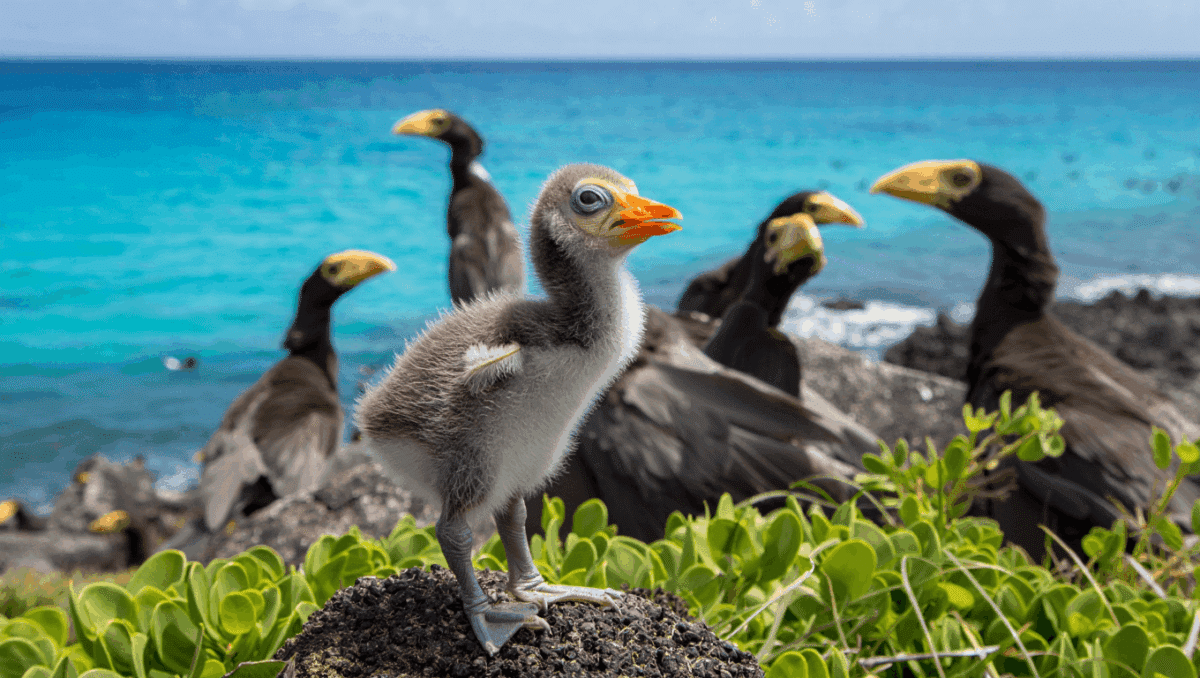
On a tiny patch of land off Bermuda’s northeast coast, a rare seabird has once again taken flight—and the moment is being celebrated by the handful of conservationists who rebuilt its world from the ground up. The chick’s arrival is just the latest milestone on Nonsuch Island, a 14-acre sanctuary where a species once thought lost for centuries is slowly reclaiming its place.
What looks like a fragile comeback is actually the result of decades-long restoration and careful stewardship. The bird at the center of the story—the cahow, or Bermuda petrel—survives against long odds: slow to mature, nesting on the ground, and historically devastated by humans and introduced predators. Still, the population has risen from the brink to hundreds of individuals, thanks to a focused recovery effort that many conservationists call a global model.
From presumed extinction to a slow, steady return
The Growing Demand for Data-Driven Decision Making in Silicon Valley
He quit, ran out of money, and begged to come back — here’s how his boss reacted
The cahow vanished from the wider Atlantic record for roughly three centuries beginning with the earliest colonial era. It was rediscovered in the 20th century on a single island, and its precarious status was made starkly clear when a young British ornithologist counted only 18 breeding pairs in 1960. That discovery launched sustained rescue efforts.
Breeding biology makes recovery difficult. Cahows usually do not return to breed until they are between three and six years old. Pairs typically lay a single egg, and even then, survival is not guaranteed: about half of eggs fail to hatch, and many fledglings perish during their first year at sea. Parents instinctively leave their single chick about a week before it fledges, forcing an early and dangerous independence.
How the recovery program rebuilt habitat and numbers
Rescuing a ground-nesting seabird required both protection and ingenuity. Conservationists focused on two main problems: predation by nonnative mammals and a shortage of secure nesting sites. Their multi-pronged response included habitat restoration, predator control, and engineered nest sites.
Key conservation actions that made a difference
- Eradication and control of invasive predators that prey on eggs and chicks.
- Creation of artificial nest chambers—deep, dark burrows modeled on natural crevices—to meet the species’ specific nesting needs.
- Careful population monitoring and management to track breeding success and threats.
- Transforming the island’s vegetation and freshwater systems to mimic pre-colonial conditions favorable to native wildlife.
The artificial nest chambers proved particularly effective: today, roughly 85% of cahow nests are located inside concrete burrows constructed by the recovery team. Those engineered sites provide the lightless, secure space the species requires and have dramatically increased the number of successful nests.
From a single stronghold to a living museum of native biodiversity
Nonsuch Island itself has been rebuilt as a refuge for more than just the cahow. The island’s rewilding has restored woodland, scrub, and a small freshwater marsh, recreating habitats lost to centuries of alteration. Access is tightly controlled to reduce the chance of new invasive species arriving; the island functions as a protected laboratory as much as a sanctuary.
Over the decades the rewilding has attracted other endemic and native species. Observers have documented the return or bolstered presence of the yellow-crowned night heron, the land hermit crab, a native gastropod known as the West Indian top shell, and the rare Bermuda skink. These recoveries underscore how repairing one habitat can ripple outward across an ecosystem.
Numbers and leadership behind the rebound
Early leadership by David Wingate set the course for the recovery: after identifying the critical plight of the species, he helped launch and guide restoration strategies that are still in use. Under subsequent program leads, including Jeremy Madeiros, the population gradually increased from the tiny number found in 1960 to dozens and then into the hundreds.
Today, there are approximately 450 cahows of all ages associated with the program—a dramatic reversal from the days when the species clung to a single breeding site. The climb from a few dozen nesting pairs to a population measured in the hundreds reflects persistent, targeted work over decades.
How people can learn and watch without disturbing the birds
Because Nonsuch is managed for conservation rather than tourism, public access is limited and typically organized through educational or research visits coordinated by Bermuda’s environment ministry. For those who cannot visit, the program offers live camera feeds that let people observe cahows without putting the colony at risk.
- Guided expeditions: restricted, educational trips arranged by authorities.
- Remote viewing: live streams provide real-time access to burrow activity and nesting behavior.
- Research opportunities: scientists and students take part in monitoring that informs adaptive management.
Ongoing threats and the fragile edge of recovery
Even with successes, the cahow’s comeback remains fragile. Nesting on the ground leaves the species vulnerable to any reintroduction of invasive predators. Low reproductive rates and high juvenile mortality continue to limit rapid population growth, and climate-related sea-level rise or severe storms could damage nesting areas.
Conservationists stay vigilant: continuous habitat management, the maintenance and expansion of artificial burrows, and biosecurity protocols to keep invaders off the island are all part of the long-term plan to secure the species’ future.
You might also like:
- 158 giant endangered tortoises released on Galápagos island after being extinct for 180 years
- Zoo saves 21 snails from extinction, returns hundreds to pristine Atlantic island
- Snail breeding and reintroduction: scientists launch largest effort to save species thought extinct
- Galapagos rail missing for 200 years reappears after Floreana island restoration
- World’s first giant anteater reintroduction in Brazil shows early success

Michael Thompson is an experienced journalist covering U.S. and global news. With ten years on the front lines, he breaks down political and economic stories that matter. His precise writing and keen attention to detail help you grasp the real‑world impact of every event.


Man, aint nature just full of surprises? From being presumed extinct to hatching cahows on Nonsuch Island, its like a real-life drama plot twist. Mother Nature, you sly one!
Man, talk about a comeback story! The cahows resurgence is like a plot twist in a nature documentary. From near-extinction to hatching on Nonsuch Island, its like they hit the jackpot. Mother Natures full of surprises, aint she?
No way, right? Talk about nature pulling a fast one on us! Those cahows are playing a real-life game of hide and seek, and were all just along for the ride. Mother Natures definitely got some tricks up her sleeve, keeping us on our toes with these surprises. Its like shes got a whole plot twist planned out for the next chapter!
Yo, imagine being a cahow chick, hatching on Nonsuch Island! From near-extinct to a real comeback, thats wild. Big ups to the conservation squad for making it happen. Natures full of surprises, man.
Wait, isnt that the bird they thought was gone for good? Like, poof, vanished. And now, bam, hatching babies? Natures full of surprises, man. Maybe we should give it a chance more often.
Dude, I know, right? Natures like that cool friend who goes MIA for a bit and then shows up with a surprise party. Maybe were the ones who need to loosen up and let things flow. Who knows what could hatch next? Lifes full of tricks up its sleeve, man.
I remember watching a documentary bout these cahows! From vanishin shadows to hatchin chicks, its like a nature fairytale! Keep up the good work, Bermuda, were rootin for ya!
I remember when folks said the cahow was a goner. But now? Boom! Its hatching in Bermuda like its 1620! Natures full of surprises, aint it? Keep those endangered species stories coming, world!
Aint that a plot twist, right? Mother Natures out here droppin surprises like its hot! Who knew the cahow had a comeback bigger than a 90s sitcom reunion? Keep those endangered species tales coming, world! Were all rootin for the underdogs of the animal kingdom!
I remember hearin bout them cahows, like a comeback story straight from a nature documentary. Restorin their habitat and numbers, now thats what I call a true success tale in the wild world.
Man, hearing bout that cahow hatchin on Nonsuch Island gives me hope. Natures like a resilient warrior, aint it? We gotta keep fightin for these beauties. Lets make sure they keep kickin!
Man, talk about a comeback story! The cahows return from the brink of extinction is like a real-life underdog movie. Who needs Hollywood when youve got Nonsuch Island in Bermuda pulling off these miraculous hatchings? Nature is wild, yall.
Man, natures full of surprises! Hearing about that cahow hatching on Nonsuch Island feels like a plot twist in a movie. Cant believe theyre bouncing back from the brink like that. Mother Nature, you never fail to amaze.
Yo, I remember hearin bout them cahows makin a comeback in Bermuda! Its like a nature documentary come to life, man. Crazy how conservation efforts can turn things around for these critters. Natures full of surprises, for real.