
Show summary Hide summary
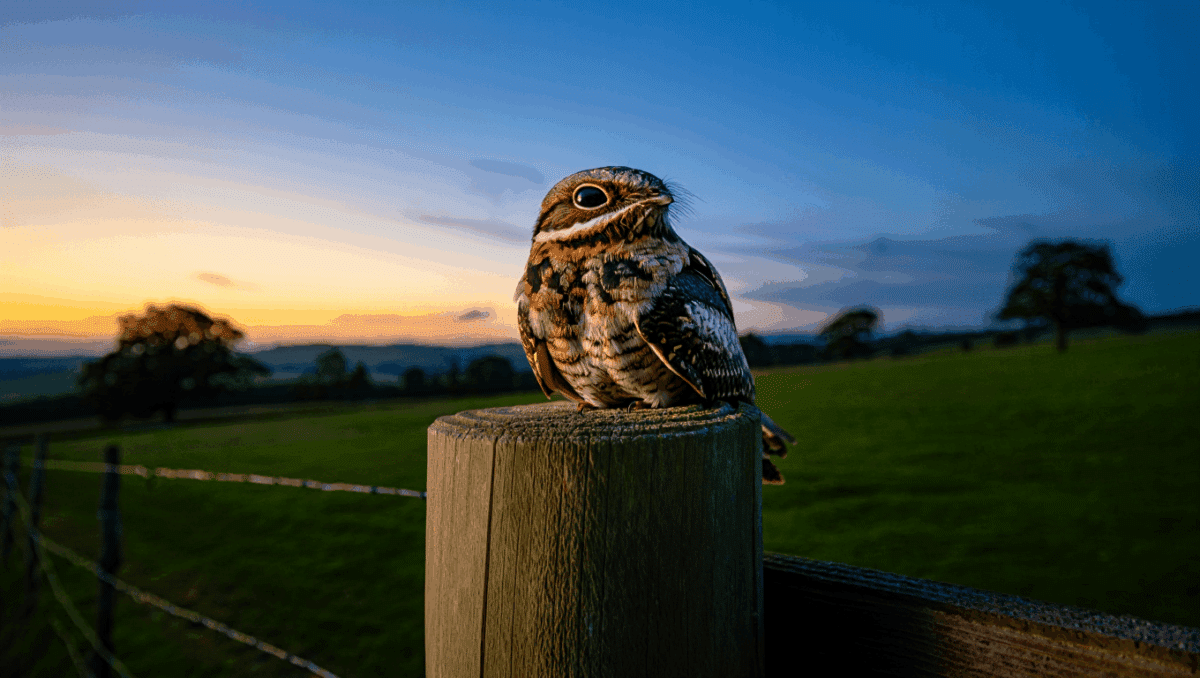
Nightjars are returning to parts of southern England in numbers conservationists hadn’t dared hope for a decade ago. Silent in daylight and active at dusk, these cryptic birds—known for their churring calls and remarkable camouflage—are staging a notable comeback across the South Downs.
The recent uptick in sightings follows years of targeted habitat work and public-awareness campaigns, and it’s offering a rare win in the struggle to restore Britain’s lowland heath and open woodland ecosystems.
Sharp population gains recorded in the South Downs
The Growing Demand for Data-Driven Decision Making in Silicon Valley
He quit, ran out of money, and begged to come back — here’s how his boss reacted
Surveyors working across the South Downs National Park, which spans Hampshire and both West and East Sussex, documented more than 70 nightjars in a recent count. Experts say that number represents roughly a doubling of the local population in about five years.
Nightjars that spend their summers in the UK make astonishing migrations. Each spring they fly north from wintering grounds in central Africa—the Democratic Republic of the Congo is among those staging areas—covering around 4,000 miles to arrive in Britain between April and August to breed.
These local gains mirror broader restoration work: conservation projects across Britain have increased the tally of suitable nesting areas to more than 100 confirmed sites, helping birds re-establish in places where numbers once plummeted.
How habitat loss hollowed out nightjar numbers — and why recovery matters
Populations of nightjars experienced steep declines during the late 20th century as woodland clearance and heathland contraction reduced nesting and foraging ground. Between the 1970s and the 2000s the species lost roughly half of its UK presence, according to long-term monitoring.
The recovery in the South Downs is significant because nightjars depend on specific open, sparsely vegetated areas for breeding. Few British landscapes still provide the mosaic of heathy ground, young conifer stands, and rides through woodland that these birds favor.
Conservation steps driving the rebound
Conservation teams have combined habitat restoration with visitor engagement to protect breeding nightjars. Key actions include:
- Restoring lowland heath and creating open glades in young forests to provide nest sites and insect-rich feeding zones.
- Managing scrub and bracken to preserve bare ground that nightjars use for laying eggs.
- Monitoring known territories each season to track trends and identify threats early.
- Partnering with local landowners, rangers, and volunteers to carry out large-scale habitat work.
These measures have helped boost the availability of good nesting habitat nationwide to at least 109 locations, giving the species more places to re-establish breeding territories.
Simple choices visitors can make to protect nests
Because nightjars nest directly on the ground, human disturbance and unleashed dogs can destroy eggs or cause adults to abandon nests. Park managers have focused on clear, practical messaging for visitors:
- Keep dogs on a short lead during the breeding season (spring and summer).
- Stick to waymarked paths and avoid cutting across heathland or woodland rides.
- Respect seasonal signs and temporary exclusions around sensitive areas.
- Report sightings to local conservation groups so managers can monitor local populations.
South Downs staff emphasize that community support is essential: when visitors follow simple rules, breeding success improves and fragile habitats recover more quickly.
Nightjar biology and why they’re so cryptic
Nightjars are masters of stealth. Their mottled plumage renders them almost invisible when they rest on the ground or perch lengthwise on branches. They feed heavily at dusk and dawn, hawking moths and other aerial insects on the wing.
These birds are widespread globally—found on every continent except Antarctica—and they occupy a surprising range of elevations and climates, avoiding only the driest deserts. Some populations migrate long distances while others remain relatively local, demonstrating adaptability that helps them exploit seasonally rich insect populations.
Park rangers note the unmistakable sense of place when nightjars return: hearing their churring calls as twilight falls lets people know that habitat restoration is working. That acoustic sign of recovery has become a rallying point for volunteers and land managers across southern England.
You might also like:
- Endangered cahow hatches on Nonsuch Island in Bermuda
- 158 giant endangered tortoises released on Galápagos island after being extinct for 180 years
- Eastern imperial eagle, Serbia’s national bird, sees record breeding year
- Galapagos rail missing for 200 years reappears after Floreana island restoration
- Tortoiseshell butterfly recolonizes England decades after Dutch elm disease

Michael Thompson is an experienced journalist covering U.S. and global news. With ten years on the front lines, he breaks down political and economic stories that matter. His precise writing and keen attention to detail help you grasp the real‑world impact of every event.


I remember the first time I saw a nightjar – like a creature from a fairy tale, I tell ya! Its great to hear their populations are bouncing back. Lets keep making those simple choices to protect their nests, folks!
Man, these nightjars are like the ultimate comeback kids, doubling their population in just five years? Thats some serious glow-up right there! Gotta hand it to those conservationists for working their magic. Natures full of surprises, huh?
Dang, those nightjars really be out here hustlin and bustlin, huh? Talk about a glow-up moment for the bird squad! Its wild how fast theyre bouncing back. Big shoutout to the conservationists making moves behind the scenes. Natures full of surprises, man. Who knows whats next?
I remember those little nightjars chirpin away on summer evenings. Good to hear theyre makin a comeback. Lets all do our part to protect their nests and keep these beautiful birds around for the long haul.
Man, those nightjars are like the rockstars of the bird world, huh? Gotta give em props for puttin on that epic summer concert every year. Lets be their loyal fans and make sure they have a cozy nest to crash in. Rock on, little nightjars!
Man, nightjars making a comeback? Thats nature showing us whos boss! Gotta keep those habitats safe, yknow. Lets root for these birds like theyre in some feathered sports comeback story!
Dang, talk about a wildlife underdog story! Those nightjars are like the Rocky Balboa of the bird world, huh? Gonna start rooting for them like theyre training for the featherweight championship! Maybe we need a Rocky VII: Feathered Fighters movie, starring these nightjars as the ultimate underdogs!
Man, I remember when you hardly saw a nightjar around here. Now theyre poppin up like nobodys business! Good to see some positive news for a change. Maybe were not totally messing up the planet after all.
Man, nightjars making a comeback? Thats like seeing an old band reunite after years. Natures got its surprises. Hope we keep making choices to help them thrive.
Man, I remember spotting a nightjar in the wild a while back, thought they were pretty rare. Good to hear their numbers are bouncing back. Lets keep making those simple choices to help em out!
Man, those nightjars are making a big comeback, huh? Good for them! Maybe we should all take a cue from these little birds and work on bettering ourselves, too. Natures got lessons for us all, I guess.
Oh man, those nightjars are like the cool kids of the bird world, swooping in and stealing the spotlight! Natures little influencers, huh? Maybe we should all take a page from their book and spread our wings a bit more, you know? Who knew birdwatching could turn into a self-improvement seminar! Keep an eye out for those nightjars dropping some wisdom on us next!
Dude, I remember when nightjars were like unicorns, rare as heck. Now theyre doubling up? Thats like finding out your grandmas secretly a ninja. Natures full of surprises, man.
Man, those nightjars are like the ultimate comeback kids! Doubled their population in just 5 years? Thats some serious glow-up right there. Natures like, I got this, fam. Gotta love a success story amidst all the gloom and doom.
Man, Im telling ya, those nightjars are the real MVPs of the comeback game! Doubled up in just 5 years? Natures like, Aint no thang! Its like watching a underdog rise to the top in a movie, you know? Makes you believe in happy endings and all that jazz. Hope they keep shining bright in the wild!
Man, these nightjars are really making a comeback, huh? I remember when you hardly ever spotted them around. Good to hear about those population gains in the South Downs. Lets keep up the conservation efforts, people!
Nightjars rule! Doubled populations? Impressive stuff. Lets keep cheering for these mysterious birds. Conservationists, youre the real MVPs! Time for a nightjar-themed celebration, whos in?
I remember spotting a nightjar in the wild once; such a magical sight! Glad to hear theyre making a comeback. Lets all do our part to protect these beautiful creatures.
Man, those nightjars are like the underdogs of the bird world! Seeing their populations double in just five years? Thats some serious bird power right there. Lets keep cheering them on and protecting those nests, folks!
Nightjars, man, theyre like the comeback kids of the bird gang! Doubling their numbers in just five years? Thats some real avian hustle right there. Gotta give props to these feathered underdogs—lets keep rootin for em and guarding those nests, folks!
Man, nightjars are making a comeback? Thats wild! Reminds me of when I saw one of those birds on a camping trip. Guess those conservation efforts are paying off. Natures full of surprises, aint it?
Man, those nightjars are bouncing back like champs! Conservationists must be throwin a party. Hope people start respectin their habitats more. Lets keep these cool birds around for good, right?