
Show summary Hide summary
Across Ethiopia, smallholder farmers are rewriting the economics of food production by swapping noisy, costly fuel pumps for quiet arrays of solar panels. The move is lowering input bills, stabilizing harvests during dry spells, and trimming the greenhouse gases tied to irrigation—an encouraging example of clean technology meeting urgent agricultural needs.
Backed by Farm Africa and the Swedish International Development Cooperation Agency (Sida), solar-powered irrigation systems are already reshaping how communities around Addis Ababa and in Oromia water their fields. The changes are practical, measurable and fast becoming a model for climate-smart farming in regions with abundant sun.
The Growing Demand for Data-Driven Decision Making in Silicon Valley
He quit, ran out of money, and begged to come back — here’s how his boss reacted
Why solar irrigation is gaining traction among Ethiopian growers
Many Ethiopian farmers still depend on rain to water crops, which leaves them exposed to drought and shifting weather patterns. Even when irrigation exists, the pumps are often run on diesel or petrol—fuel that has grown more expensive and harder to source in recent years. Solar pumps eliminate both the cost volatility and the logistical headaches of fuel procurement.
- Lower operating costs: Solar systems remove recurring fuel expenses and the time spent travelling to buy fuel.
- Consistent access to water: Electric pumps powered by sunlight offer predictable irrigation schedules, even during dry spells.
- Smaller carbon footprint: Replacing fossil-fuel pumps reduces local emissions from agricultural operations.
- Improved food security: Reliable irrigation supports more crops per year and greater yields.
Real savings and on-the-ground results
Examples from recent rollouts show tangible financial improvements for farmer groups. In a cooperative in Akaki Kality comprised of 25 vegetable growers, diesel pumps previously burned through roughly 2,300 liters of fuel over a three-month growing season. Transitioning to solar power is projected to cut that cooperative’s fuel bill by nearly $6,000 for the same period—money that can be reinvested in seed, tools and household needs.
How the shift helps farmers beyond direct savings
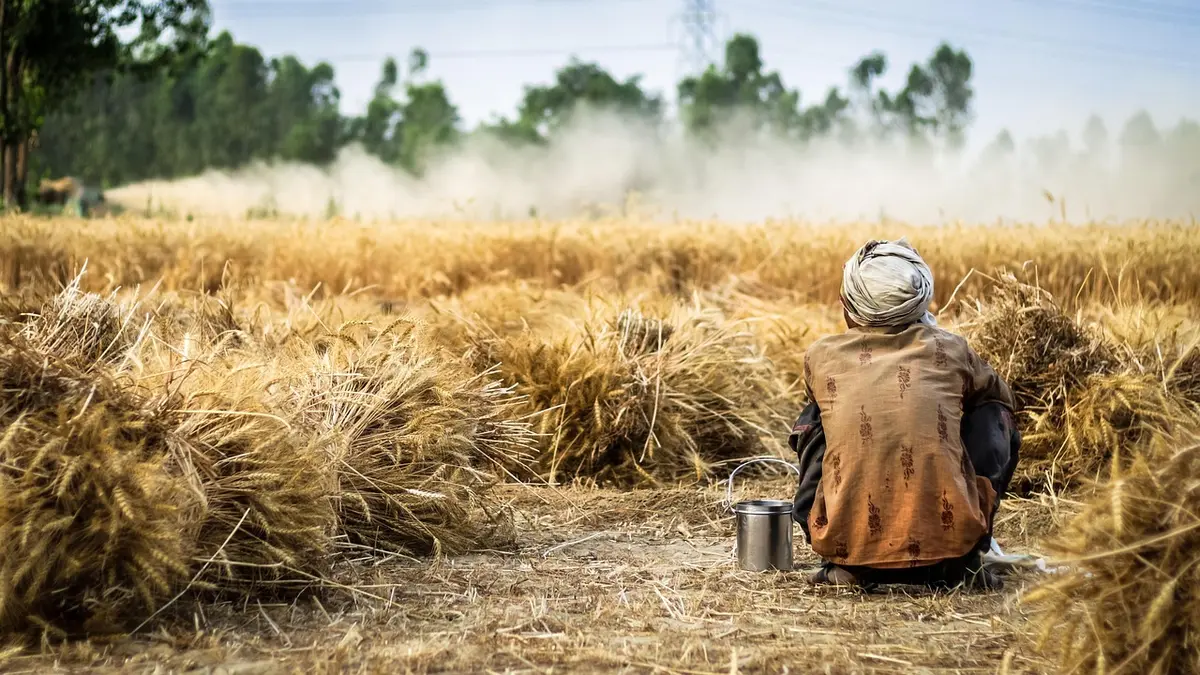
For households in the Oromia Region, accessing diesel could mean long waits, trips to distant suppliers and administrative hurdles. Those delays reduced time in the field and disrupted planting cycles. Solar pumps remove those obstacles by offering a dependable water source under farmers’ control, which in turn supports more consistent production and income.
Environmental and climate resilience benefits
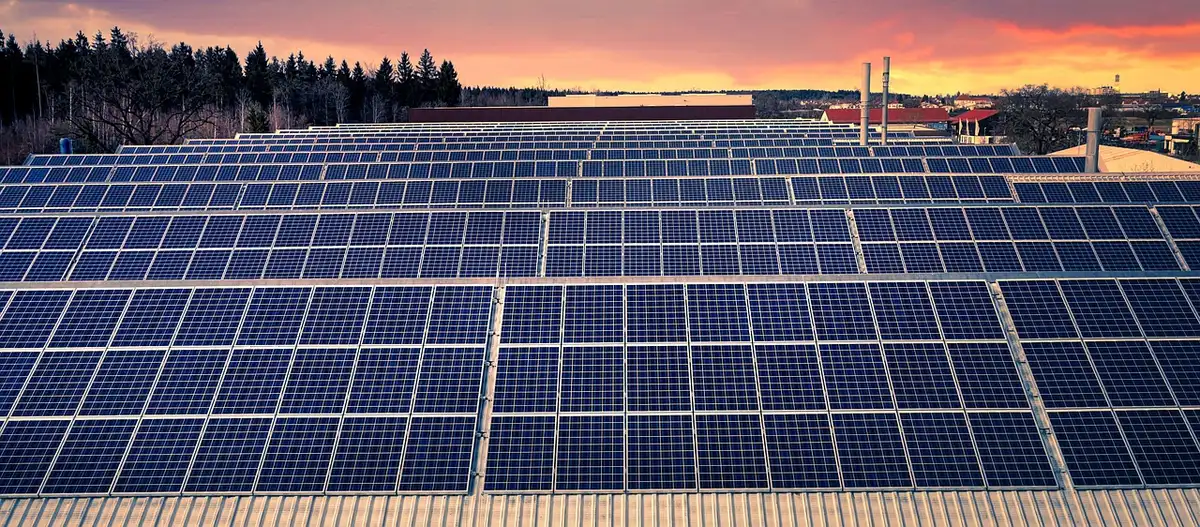
Replacing petrol- and diesel-driven pumps with solar arrays cuts both local pollution and overall greenhouse gas emissions from agricultural activities. The systems also help farms ride out climate extremes by enabling irrigation during dry spells, reducing crop losses and stabilizing food supplies in vulnerable communities.
- Emissions avoided: Fewer hours of fossil-fuel use means less CO2 and particulate pollution.
- Drought buffering: Solar irrigation can sustain crops when rainfall fails, supporting harvest continuity.
- Long-term sustainability: Solar infrastructure has predictable operating costs over its lifetime, aiding farm planning.
Who’s funding and implementing the change
The expansion of solar irrigation in Central Ethiopia and around Addis Ababa is part of the Nature-based Solutions for Sustainable and Inclusive Development program, coordinated by Farm Africa with support from Sida. The initiative supplies solar pumps, trains farmers on installation and maintenance, and helps cooperatives organize to manage shared water resources efficiently.
- Equipment provision and installation
- Technical training and capacity building
- Support for cooperative business planning
Practical challenges and what needs to come next
Despite strong early results, scaling solar irrigation across Ethiopia faces hurdles that project partners must address. Initial purchase costs for pumps and panels remain a barrier for many households. Maintenance skills and local supply chains for spare parts are still developing. And effective water resource management is necessary to avoid overuse in areas with limited groundwater.
- Upfront financing: Microloans, subsidies or cooperative purchasing models can reduce the barrier to adoption.
- Technical support: Ongoing training programs are crucial so farmers can service equipment and troubleshoot faults.
- Water governance: Shared pump systems require rules and monitoring to ensure sustainable use.
Voices from the field and the path ahead
Program staff and farmers alike describe the change as more than a technology swap: it’s a shift in risk and opportunity. Farm Africa’s program managers note that solar irrigation delivers both economic relief and environmental improvement, enabling households to keep producing through dry seasons while reducing reliance on imported fuels.
Farmers who once queued for fuel or scaled back plantings because of shortages are now experimenting with higher-value crops and planning for steadier incomes. As adoption spreads, the combined effects on local markets, nutrition and climate resilience could be substantial—provided investment, training and careful water management keep pace with demand.
You might also like:
- Farmers record spring harvests despite drought using new and traditional methods
- Rice prices hit 18-year low as yields per acre double
- 86 MW solar farm: Singapore to build on its largest reservoir
- EU aims to decarbonize industrial heat generation with plasma, solar and magnets
- Michigan apple growers hit with big losses despite bumper harvest

Michael Thompson is an experienced journalist covering U.S. and global news. With ten years on the front lines, he breaks down political and economic stories that matter. His precise writing and keen attention to detail help you grasp the real‑world impact of every event.


Man, these Ethiopian farmers are onto something big with solar irrigation. Saving cash, helping the planet, AND growing more food? Its like hitting the jackpot while being a superhero. Who needs fancy tech when you got sunshine, right?
Dude, totally! Those farmers are like the OG eco-warriors, turning sunlight into gold. Its like Mother Natures own version of a kick-ass power-up. Who knew the real MVP was shining down on us all along, right? Its kinda poetic seeing the simple stuff do the heavy lifting for once. Just goes to show, sometimes the answers right in front of us, no fancy gadgets needed.
Man, these Ethiopian farmers are onto something with solar irrigation! Saving money, cutting emissions, AND helping the environment? Thats what I call a triple win, folks. Who needs fancy tech when youve got good ol sunshine, right?
Absolutely, mate! Sometimes the simplest solutions are the most genius, eh? Those Ethiopian farmers are showing us all how its done. Who needs all that fancy tech when youve got good ol sunshine doing the job, am I right? Cheers to them for being such eco-friendly trailblazers!
Man, these Ethiopian farmers really onto something with solar irrigation! Saving moolah, cutting emissions, AND helping the Earth? Its like hitting three jackpots at once. Cant hate on that smart hustle!
Man, these Ethiopian farmers are onto something big with solar irrigation. Saving cash, cutting emissions, and boosting crop yields? Sign me up! Who needs old-school pumps when you got the sun doing all the work? Smart move, folks.
Man, when I think bout those Ethiopian farmers crushin it with solar irrigation, its like, dang, makin bank AND helpin the Earth. Bet theyre the real MVPs in sustainable farming, huh?
Man, these Ethiopian farmers are onto something big with solar irrigation! Saving costs, cutting emissions, AND boosting climate resilience? Thats some next-level farming right there. Who needs fancy tech when you got the sun on your side?
I remember grandpas tales of farming struggles. Glad Ethiopian farmers are using solar irrigation now. Smart move saving money and the planet! Maybe we all should listen to grandpa more often, huh?
Man, these Ethiopian farmers are onto something big with solar irrigation! Saving cash, slashing emissions, AND boosting their harvests? Thats what I call a win-win-win situation. Who needs fancy tech when youve got the power of the sun, right?
Man, these Ethiopian farmers aint playin! Solar irrigation savin cash, cuttin emissions, AND helpin the environment? Thats what I call hustlin smart. Bet their crops be poppin like its hot!
Man, those Ethiopian farmers are onto something with solar irrigation! Cutting emissions and saving thousands? Thats some next-level innovation. Cant help but wonder why this isnt everywhere yet. Time to step up our game, folks!
I remember when me grandpa used to talk bout waterin crops all day. Solar irrigation? Ingenious! Them Ethiopian farmers are onto somethin big. Sustainin the land and savin cash, now thats what I call progress.
Man, these Ethiopian farmers are onto something with solar irrigation! Saving cash, helping the planet, AND growing more crops? Thats a triple win! Who needs a crystal ball when youve got solar panels, right?
I remember trekking through Ethiopian farmlands, parched fields and determined faces. Now, hearing how solar pumps bring life to their toil, thats a victory dance under the blazing sun. Progress aint just a word; its a solar-powered revolution!
Man, I remember reading bout these Ethiopian farmers goin solar for irrigatin. Its rad how they save coin, cut emissions, and get more resilient to climate change. Power to em!
Man, those Ethiopian farmers are the real MVPs, using solar irrigation to save cash and the planet. Its like hitting two birds with one stone, but in a nice, eco-friendly way. Way to go, folks!
Dang, those Ethiopian farmers are out there crushing it with solar irrigation, huh? Saving money and the planet at the same time? Thats like some next-level multitasking, eco-friendly style! Big props to those folks for showing us all how its done.
Man, these Ethiopian farmers are onto something big with solar irrigation! Saving cash, cutting emissions, and being environmental heroes at the same time? Thats what I call a triple win! Its like theyre farming in the future, man.