
Show summary Hide summary
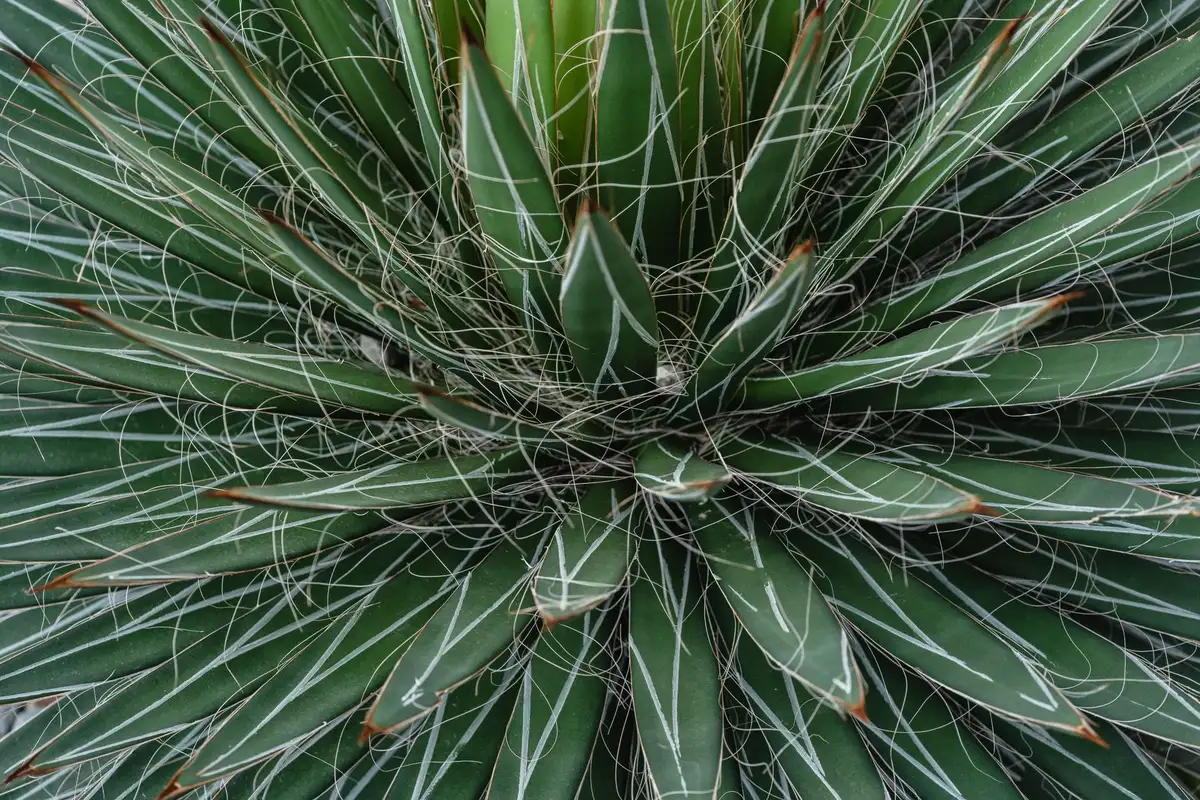
A ten-year-old agave at Birmingham Botanical Gardens surprised staff and visitors this summer by sending a single, dramatic flower spike soaring through the structure of their historic glasshouse. In a matter of months the stalk rose well above head height — so quickly that horticulturists had to remove ceiling panels to accommodate the plant’s final, spectacular display.
The species, Agave sisalana, is known for one last towering effort at reproduction. The dramatic flowering marks the end of the individual plant’s life, but it also produces a heavy crop of seeds that the garden is already harvesting to carry on its lineage.
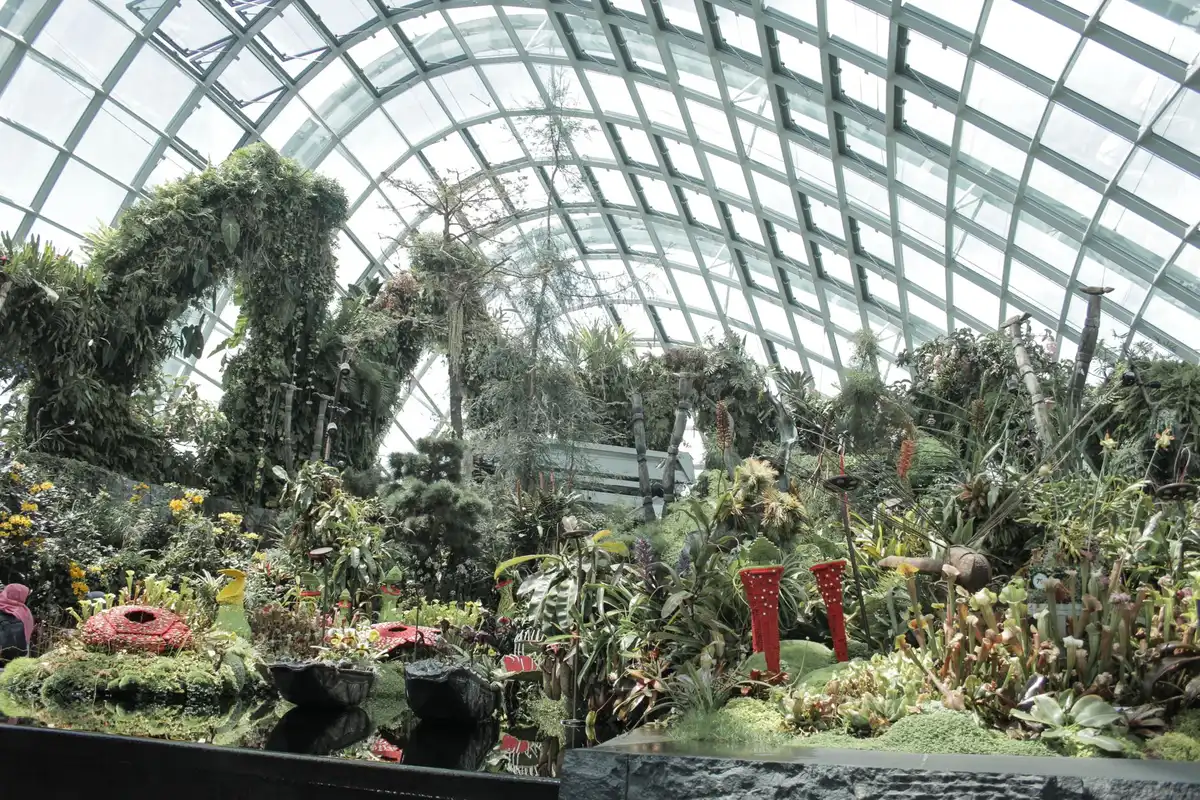
How the agave forced changes to the 19th-century greenhouse
Staff noticed the inflorescence climbing fast and took action when it began to breach the greenhouse roof. Work crews carefully removed panels to protect both the plant and the glass structure while giving the agave room to complete its bloom.
The Growing Demand for Data-Driven Decision Making in Silicon Valley
He quit, ran out of money, and begged to come back — here’s how his boss reacted
- Height reached: The flowering stalk grew to more than 18 feet (about 5.5 meters) in a few months.
- Plant age: It had been cultivated in the glasshouse for roughly a decade before reaching maturity.
- Location: The specimen was housed in the Birmingham Botanical Gardens’ 19th-century greenhouse.
Senior horticulturist Alberto Trinco described the phenomenon as a one-time, terminal event for the plant. Staff and visitors watched as the inflorescence opened, revealing the buds that signal the agave has entered the final stage of its lifecycle.
Visitors invited to watch a “bloom watch” and witness the lifecycle
The gardens set up a public “bloom watch” board so people could follow the agave’s progress. The display drew interest from regular visitors and plant lovers curious to see a rare and dramatic botanical event.
- Gardeners updated the board daily as buds developed and flowers opened.
- Photographs and social posts shared by the team helped spread the moment beyond the greenhouse walls.
- For many, the sight of the spike piercing the historic glasshouse made the spectacle feel both fragile and monumental.
Horticulturists called the scene bittersweet: the bloom is visually stunning, but it also signals the plant’s imminent death. Still, the gardens framed it as a necessary and natural conclusion to a decade-long stewardship.
What “death bloom” means for agave biology and propagation
Agave sisalana is semelparous — it flowers once, channels its stored energy into producing a large seed crop, and then dies. This life strategy maximizes reproductive output in a single, massive effort rather than spreading flowering across multiple seasons.
Why the plant sacrifices itself
Over many years the agave builds reserves of carbohydrates and other nutrients in its leaves and root system. When conditions trigger the flowering phase, those reserves are redirected into the development of the stalk, flowers, and seeds. The plant’s structural and metabolic focus shifts entirely to reproduction, leaving it unable to maintain regular growth afterward.
How the garden is preserving the next generation
- Teams are collecting seeds directly from the inflorescence as the flowers mature.
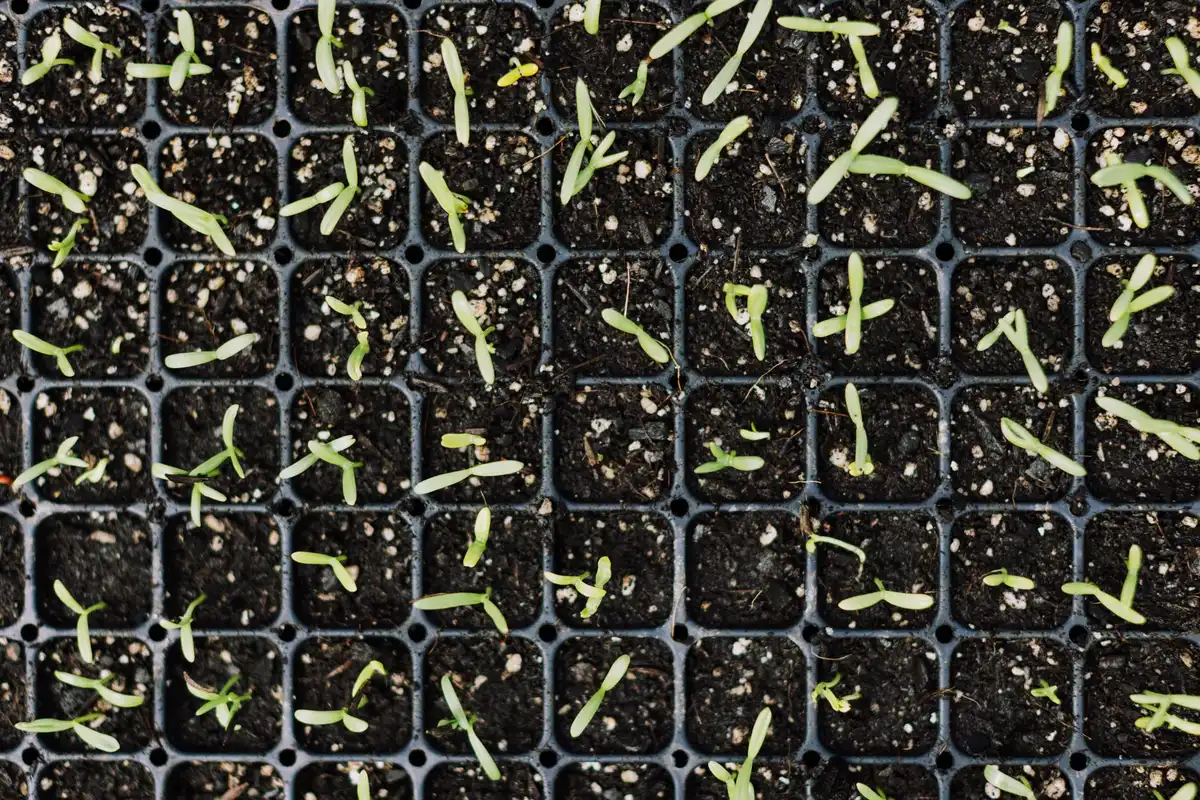
- Collected seeds are being sown and nurtured in the nursery so new specimens can replace the one that will die.
- Propagation from offsets and seedlings will ensure that the garden retains this genetic line.
The legacy of the plant continues through its seeds, which the gardens will use to grow new agaves under controlled conditions.
Why the timing worked: climate and cultivation factors
Agave sisalana originates from arid regions of Mexico and thrives in hot, dry conditions. This year’s warm summer across the U.K. likely sped growth and helped trigger flowering inside the greenhouse. The controlled environment of the glasshouse — combined with a decade of steady cultivation — created ideal conditions for the agave to reach maturity.
- Native climate preference: Hot, arid habitats.
- Greenhouse benefits: Temperature control and protection from excessive moisture.
- Time to flower: Around a decade for some cultivated agave specimens.
Horticulturists pointed out that patience is part of working with long-lived succulents; gardens invest many years nurturing plants before they reach this dramatic phase.
Public engagement and the spectacle of botanical life
The event attracted community interest and social media attention, with garden staff sharing images and updates to bring the bloom-watch experience to a wider audience. For many visitors, watching a plant complete its lifecycle in such a theatrical way is a reminder of both the fragility and resilience of cultivated collections.
Visitors were encouraged to learn more about agave biology during their visit, and staff planned to use the moment as an educational opportunity about plant lifecycles, seed collection, and conservation techniques. The garden’s nursery is already preparing to raise the seedlings that will carry this agave’s story forward.
You might also like:
- Birds feast on sunflower seeds outside kitchen window in autumn
- Seed vault in Atacama Desert frozen to preserve Chile’s plant diversity
- California superbloom wildflowers in desert parks: where and how to see them
- Save bees during drought: expert debunks sugar-water myth
- Death Valley superbloom: once-in-a-decade wildflower carpet covers desert

Michael Thompson is an experienced journalist covering U.S. and global news. With ten years on the front lines, he breaks down political and economic stories that matter. His precise writing and keen attention to detail help you grasp the real‑world impact of every event.


Man, I remember when I tried growing agave in my tiny apartment. It didnt end well, let me tell you that. But this giant death bloom? Thats on a whole nother level. Nature always has a way of surprising us, huh?
Man, this reminds me of that time my cactus bloomed and I thought it was an alien invasion! Who knew plants could be so dramatic? Natures full of surprises, aint it?
Aint that just the wildest thing? A death bloom? Like, talk about drama! This agaves pulling out all the stops. Can you imagine being a fly on the wall for that bloom watch? Natures a real show-off sometimes.
Man, I remember my first time seeing a death bloom. Natures wild, aint it? Agave really knows how to go out with a bang. Cant wait for the bloom watch – count me in!
Man, natures full of surprises! A death bloom, huh? Sounds like something out of a sci-fi flick. Can you imagine the drama in that greenhouse? Natures metal AF sometimes.
Man, this agaves got some serious drama going on! Who knew plants could be so extra? Sacrificing itself for one big, flashy bloom – talk about a diva move. Cant wait to see this death bloom in action!
I once saw a cactus bloom in my aunts garden, that thing was huge! Cant imagine a death bloom in a greenhouse. Natures got its own wild ways, huh? Sounds like a show worth watching!
Man, that agaves playin natures long game, huh? Sacrificin itself for a massive death bloom, breakin through the ceiling like a boss. Who knew plant drama could be this intense? Mother Nature aint messin around!
Dang, right? That agaves like, Im goin out in style, yall! Natures really the OG drama queen, pullin off these epic death blooms and makin a grand entrance like its the hottest club in town. Mother Nature be droppin the mic, no doubt! Who knew plants had this much sass and flair, huh?
Man, that agave blooming drama sounds like a soap opera plot twist! Sacrificing itself for flower glory? Talk about high stakes in the plant world. Nature really knows how to keep us on our toes, huh?
Man, that giant death bloom saga sounds like a real-life sci-fi drama unfolding in that greenhouse. Can you imagine the chaos when they had to yank off the ceiling panels for that monster agave? Nature always keeps us on our toes, huh?
Whoa, talk about drama in the plant kingdom! This agave pulling a death bloom stunt and making the greenhouse ditch its ceiling panels just for a flower show? Natures wild, man. Sacrificing itself for a floral grand finale, thats some next-level botanical theatrics!
Man, nature sure knows how to put on a show! This agaves death bloom is like a botanical mic drop. Sacrificing itself for one last hurrah? Thats hardcore. Respect for the drama, Mother Nature!
Man, I remember that agave bloom watch last year. The suspense was killing me! Its wild how nature throws these curveballs. Who needs reality TV when you have a giant death bloom to keep you on the edge of your seat?
I once saw a cactus bloom in the desert, but this giant agave taking over a whole greenhouse is epic! Sacrificing itself for one massive flower? Natures drama at its finest. Cant wait to watch this death bloom unfold!
Man, natures wild, right? This agaves like, IM GONNA BLOOM, WATCH ME! and the greenhouses like, Cool, cool, well just rearrange the ceiling for you. Such drama, I love it.
Dude, natures totally on some soap opera level, eh? Agaves out here like, Im blooming, watch out! and the greenhouses like, Chill, well make room for your diva entrance. Drama queens in the plant world, man! Haha.
Dude, this agave bloom saga is like a real-life soap opera unfolding in a greenhouse. Who knew plants could be so dramatic, sacrificing themselves for one big floral finale? Natures got some serious diva vibes going on!
I once saw a cactus bloom in my grandmas garden, but this death bloom sounds wild! The agave is next-level drama queen sacrificing itself for a flower show. Nature never fails to surprise, huh?
Man, nature never ceases to amaze me! A giant death bloom? Thats some next-level drama. Like, do you think the agave planned this whole spectacle or just winged it? Natures the ultimate show-off, I tell ya!