
Show summary Hide summary
- Defining “Hub-Sons”: A New Masculine Archetype for 2025
- From Forums to Feeds: How Social Media Propelled the Hub-Son Movement
- Why Hub-Sons Appeal: Economics, Identity, and Relationship Dynamics
- Who Becomes a Hub-Son? Demographics and Personal Stories
- How the Hub-Son Trend Interacts with the Tradwife Movement
- Criticism, Controversy, and Social Risks
- What Researchers and Gender Experts Are Watching
- Brands, Platforms, and Media: How Institutions Respond to Hub-Sons
- Signs to Watch as the Movement Evolves in 2025
When a new social pattern lands on feeds and talk shows in the same year, it’s easy to mistake it for a flash in the pan. But the “Hub-Sons” label — a growing identity among young men that positions domestic life and familial support at the center of masculinity — has moved beyond niche forums and into mainstream conversation in 2025. The term has sparked curiosity and debate, in part because it feels like a direct answer to the “tradwife” movement that shaped conversations about gender roles earlier in the decade.
Journalists, cultural critics, and social scientists are tracing how Hub-Sons are building online communities, shaping dating norms, and reframing what it means to be a man in a country still negotiating the aftermath of seismic social shifts. While some people celebrate the trend as a return to intentional family life, others see it as a reactionary echo of gender hierarchies. Either way, its rise is worth tracking.
Defining “Hub-Sons”: A New Masculine Archetype for 2025
The Growing Demand for Data-Driven Decision Making in Silicon Valley
He quit, ran out of money, and begged to come back — here’s how his boss reacted
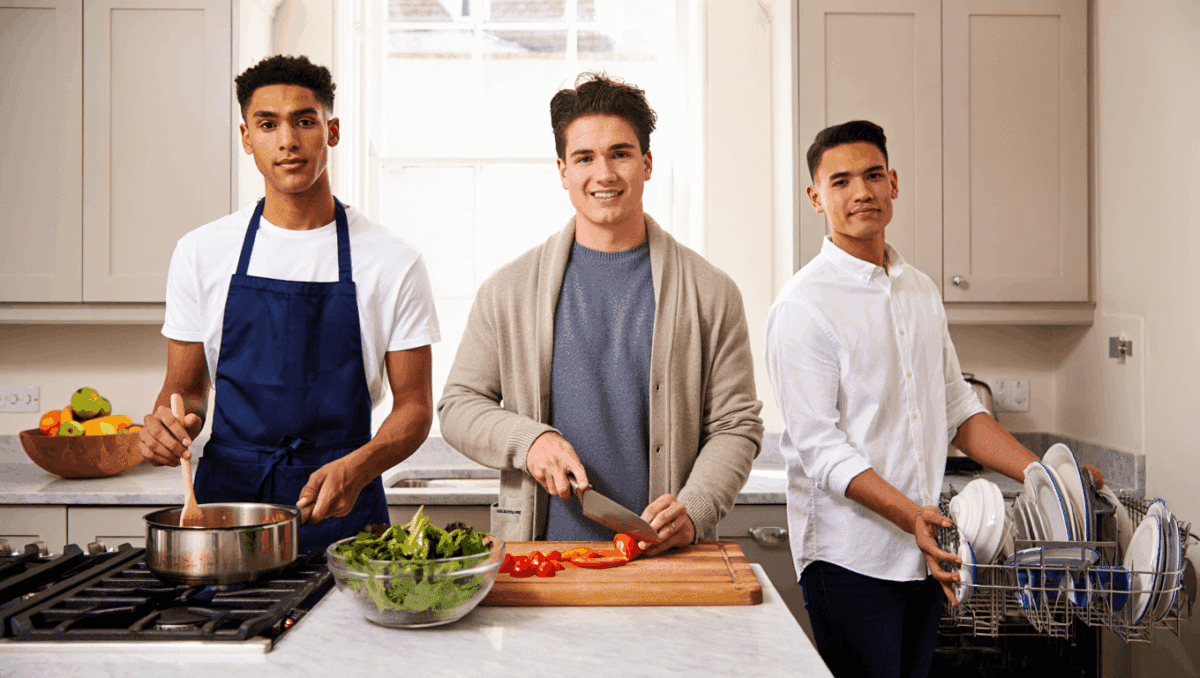
The phrase “Hub-Sons” blends “hub” — a reference to the home as a central, organizing place — with “sons,” signaling a generation of men who choose to prioritize domestic roles, caregiving, and family stability. Unlike single-issue labels, this identity covers a range of behaviors and values:
- Domestic-centered lifestyle: Many Hub-Sons describe their daily life as structured around home management, parenting, and household skill sets.
- Intentional provider model: Some take on traditional provider responsibilities, while others emphasize emotional and logistical support as equal forms of contribution.
- Community validation: Participants often share accomplishments, routines, and styling advice across platforms to build social legitimacy.
From Forums to Feeds: How Social Media Propelled the Hub-Son Movement
Like many subcultures of the 2020s, Hub-Sons found acceleration on social platforms. Short-form video, private communities, and podcasts have all played a role in scaling messages and normalizing specific behaviors.
Platforms and formats that matter
- Short videos demonstrate home routines and DIY projects in digestible clips.
- Private groups and messaging apps foster mentorship and rule-setting, allowing newcomers to find role models without mainstream scrutiny.
- Long-form interviews and podcasts provide space for nuance — men talk about mental health, finances, and relationship negotiation in ways that appeal to those seeking depth.
Algorithms that favor ritualized content — morning routines, meal prep, tidying systems — have amplified Hub-Son aesthetics, often elevating creators who package domestic competence as aspirational masculinity.
Why Hub-Sons Appeal: Economics, Identity, and Relationship Dynamics
Several structural forces are nudging young men toward this model. Economic instability, changing labor markets, and the high cost of independent living make creative household arrangements more attractive. But the appeal goes beyond money.
- Search for meaning: For some, domestic life answers questions about purpose and belonging after volatile early careers.
- Relationship strategy: Couples negotiate roles with different priorities now — stability, parenting preferences, and shared values often matter more than archetypal career ambition.
- Health and well-being: Many Hub-Sons highlight mental-health benefits from steady routines and close family ties.
Who Becomes a Hub-Son? Demographics and Personal Stories
This identity is not limited to one socioeconomic or ethnic group. Still, certain patterns appear in early research and reporting.
- Men in their mid-20s to late-30s who are entering long-term relationships or early parenthood seem most likely to adopt the label.
- Those facing job market uncertainty — gig work, underemployment, or career pivots — often experiment with home-centered roles as stable alternatives.
- Upwardly mobile individuals sometimes embrace Hub-Son practices as lifestyle choices, pairing domestic focus with entrepreneurship or remote work.
Personal profiles highlight varied motivations: a software engineer who shifted to remote contract work to be a primary caregiver; a tradesman who presents homekeeping as a craft; a partner who sees household leadership as a way to support a partner’s career. These narratives complicate one-size-fits-all explanations.
How the Hub-Son Trend Interacts with the Tradwife Movement
Hub-Sons are frequently framed as a masculine counterpart to the tradwife phenomenon, but the two movements differ in key ways. Tradwife narratives often emphasized female domesticity as an ideological stance, sometimes intertwined with conservative politics. Hub-Sons tend to be more ideologically diverse, with motivations ranging from pragmatic economics to personal fulfillment.
- Overlap: Both movements prioritize home life and ritual, and both have been amplified by stylized social media content.
- Differences: Hub-Sons often foreground caregiving and emotional labor as masculine strengths, whereas tradwife messaging historically focused on female domestic virtue and gendered hierarchy.
- Cross-pollination: Some couples intentionally adopt complementary roles inspired by each trend, while critics warn that these arrangements can re-entrench unequal power dynamics.
Criticism, Controversy, and Social Risks
Not everyone views Hub-Sons as harmless lifestyle experimentation. Analysts raise several concerns:
- Potential for reinforcing gender stereotypes if domestic roles become prescriptive rather than chosen.
- Risk that the movement could be co-opted by political groups advocating a return to traditional family structures as policy, rather than personal preference.
- Economic vulnerability for those who forgo stable careers without clear safety nets, increasing dependence on partners or family supports.
Online commentary has also exposed tension within the movement: debates over authenticity, performative domesticity, and the commercialization of lifestyle content. Some critics argue that the aesthetic packaging — staged kitchens, branded aprons — masks privilege and glosses over unpaid labor dynamics.
What Researchers and Gender Experts Are Watching
Academics track Hub-Sons as part of broader shifts in gender performance. Several topics are emerging at the top of their lists:
- Long-term effects on labor participation and wage trajectories when men reduce paid work to focus on the home.
- How children raised in households with nontraditional parental roles fare in education and emotional development.
- The political implications if domestic-first identities influence voting patterns and civic engagement.
Experts stress the importance of distinguishing between voluntary role choices and structural pressures that limit options. Agency matters, they say: when men and women freely negotiate roles that fit their goals, outcomes differ markedly from ones driven by coercion or economic desperation.
Brands, Platforms, and Media: How Institutions Respond to Hub-Sons
Retailers and content platforms have noticed a new audience. Home goods, men’s grooming, and parenting brands are adapting campaigns to appeal to men who invest in household aesthetics and family function. Meanwhile, social platforms tweak algorithms and moderation policies as communities grow and sometimes clash.
- Advertisers test messaging that balances masculinity with competence in home life.
- Streaming services and publishers commission long-form stories that explore the human side of role redefinition.
- Moderators grapple with harassment and polarizing discourse, often in closed-group spaces where trends incubate.
Signs to Watch as the Movement Evolves in 2025
Several developments will indicate whether Hub-Sons are a lasting shift or a cultural blip:
- Policy debates around parental leave and caregiver tax credits that include men as beneficiaries.
- Labor-market data showing significant changes in male labor-force participation and occupational choices.
- Mainstream media coverage that treats Hub-Sons as a social trend rather than a niche subculture — greater coverage tends to signal broader traction.
As the year unfolds, observers will be measuring both the cultural impact and the practical consequences for families, workplaces, and communities.
You might also like:
- Sandie Peggie’s heroic stand for women prompts response from Graham Linehan
- Young women drawn to trans ideology: why it’s happening
- Qing dynasty diploma found inside family’s kitchen table
- Birth crisis: why migration can’t solve it, Stephen J. Shaw explains
- 12-year-old girl saves brothers from house fire after running into burning home

William Anderson is a multimedia producer specializing in videos, podcasts, and interactive galleries. With five years of immersive content creation, he turns information into a rich audio‑visual experience. His storytelling skills draw you directly into the heart of every story, on any platform.


I remember when being a man meant just being yourself, but now we got Hub-Sons popping up left and right. Who needs labels? Cant we all just chill and do our thing without slapping a new tag on it?
Man, these Hub-Sons, theyre like the new-age knights in shining armor, huh? Its wild how trends shift. Wonder if theyre here to stay or just a passing social media fad. Time will spill the tea, I guess.
Oh, man, these Hub-Sons are like the new cool kids on the block, huh? Ditching old stereotypes like its nothing, bringing in a fresh vibe. Wonder how long before theyre all over our screens and feeds.
Man, these Hub-Sons are like a mixtape of contradictions, right? Modern yet traditional, sensitive but strong… Are they the real deal or just another social media hype? Time will spill the tea, I guess.
Man, these Hub-Sons are like a breath of fresh air in a stuffy room. Finally, dudes breaking stereotypes, embracing emotions, and supporting their partners without losing their manly vibe. Its about time!
Man, these Hub-Sons sound like a mix of outdated chivalry and modern laziness. Are they like, the new knights of the living-room table, or just dudes trying to sound deep while binge-watching Netflix?
Man, these Hub-Sons are like a mix of old-school chivalry and modern tech geek vibes. Are they the real deal or just a new fad? Guess time will spill the tea on that one!
Man, I gotta say, Im kinda vibing with these Hub-Sons too! Its like theyre mixing up the whole medieval knight thing with some futuristic tech swag. But hey, are they gonna stick around or just fade out like last seasons trends? Times gonna spill the tea on that one for sure!
Man, these Hub-Sons are like the new-age cowboys, huh? Bucking the ol traditional trends like its a rodeo. Gotta hand it to em for stirring things up! Wonder if theyll lasso in a whole new crowd.
Man, these Hub-Sons are like the new-age knights in shining armor, or something. Gotta admit, the whole vibe is intriguing. Wonder if theyll stick or if its just another passing internet trend, yknow?
Man, these Hub-Sons really got everyone talking, huh? Its like the updated version of the traditional dad, but with a modern twist. Wonder how this whole trend will play out in the long run.
Man, these Hub-Sons got me thinking. Like, are they really breaking the mold or just another label? Feels like everyones trying to fit into a box these days. Can we just be ourselves without all these fancy terms?
Man, Hub-Sons… sounds like a mix of hubby and son. Are we going for nurturing dads or eternal man-children here? Societys always cooking up new labels. Wonder if this one will stick or fizzle out like a damp firework.
Man, this Hub-Son thing got me thinking. Its like a new breed of masculinity, right? Gotta admit, its intriguing how social medias shaping these new archetypes. Wonder how this will play out IRL.
Yo, no kidding, man! This whole Hub-Son phenomenon is like a wild ride into the unknown, right? Its like masculinity on steroids, all pumped up by the social media circus. Cant help but wonder if this is the real deal or just another flashy trend thatll fizzle out faster than you can say influencer. Whats your take on this whole shebang, bro?
Man, the Hub-Sons thing got me thinking. Like, are we really flipping the script on traditional masculinity, or is it just another fad? Who knows, maybe its time for a new wave of manliness. Or not.
Man, the Hub-Sons movement got me thinking about how societys always pushing these cookie-cutter ideals. Who needs labels? Let people be who they are, without fitting them into some trendy box.
Totally feel ya, mate! Societys always trying to shove folks into these prefab boxes, like were all factory-made clones. Lets break free from those chains, embrace the beautiful chaos of individuality! Who needs labels when we can just vibe with our own unique selves, right? Lets ride the wave of authenticity, no trendy boxes gonna cramp our style!
I remember when guys were all about being manly and macho. Now, these Hub-Sons are all about balance and emotional intelligence. Are we witnessing a new era of masculinity, or is it just another fleeting trend?
I remember back when everyone was obsessed with tradwives, now we got these Hub-Sons popping up. Cant keep up with all these trends, man. Whats next, Tech-Dads or Eco-Uncles? *rolls eyes*