
Show summary Hide summary
- What critics mean by “suicidal empathy” and why that phrase is spreading
- Performance over principle: public gestures that raise eyebrows
- A long cultural thread: eroticizing the foreign and the exotic
- When empathy becomes complicity: the drift toward dangerous sympathies
- Who’s drawn to these patterns — and why?
- Signs this trend is affecting public life and discourse
Across Western capitals and social feeds, a striking pattern keeps recurring: people who consider themselves progressive sometimes go out of their way to excuse, flatter, or even romanticize groups that are openly hostile to liberal values. What looks like compassion often slips into something else — a self-destructive form of sympathy that harms others and undermines the very principles these people claim to defend.
As this phenomenon attracts more attention, it’s worth examining why certain gestures of solidarity turn performative or dangerous, and how cultural fantasies and political posturing can warp genuine empathy into something darker.
The Growing Demand for Data-Driven Decision Making in Silicon Valley
He quit, ran out of money, and begged to come back — here’s how his boss reacted
What critics mean by “suicidal empathy” and why that phrase is spreading
Scholars and commentators have coined terms to describe empathy that overreaches. One label gaining traction is “suicidal empathy,” used to denote excessive sympathy that ends up harming the sympathizer or the broader public. The idea is that compassion, when untethered from a realistic assessment of consequences, becomes counterproductive.
This concept has been applied to a range of behaviors: policymakers who accept costly energy constraints in the name of distant environmental symbolism; activists who prioritize symbolic gestures over practical protections for vulnerable people; and well-meaning citizens who romanticize potentially dangerous actors because they fit a narrative of victimhood. In each case, the outward performance of caring replaces critical thinking.
Performance over principle: public gestures that raise eyebrows
Some of the most visible examples are theatrical displays that seem designed more to signal virtue than to help anyone. These acts often reverberate across media and become shorthand for what critics see as performative progressivism.
- Political delegations covering up to fit local dress codes on overseas trips, even when those regulations suppress women’s freedoms.
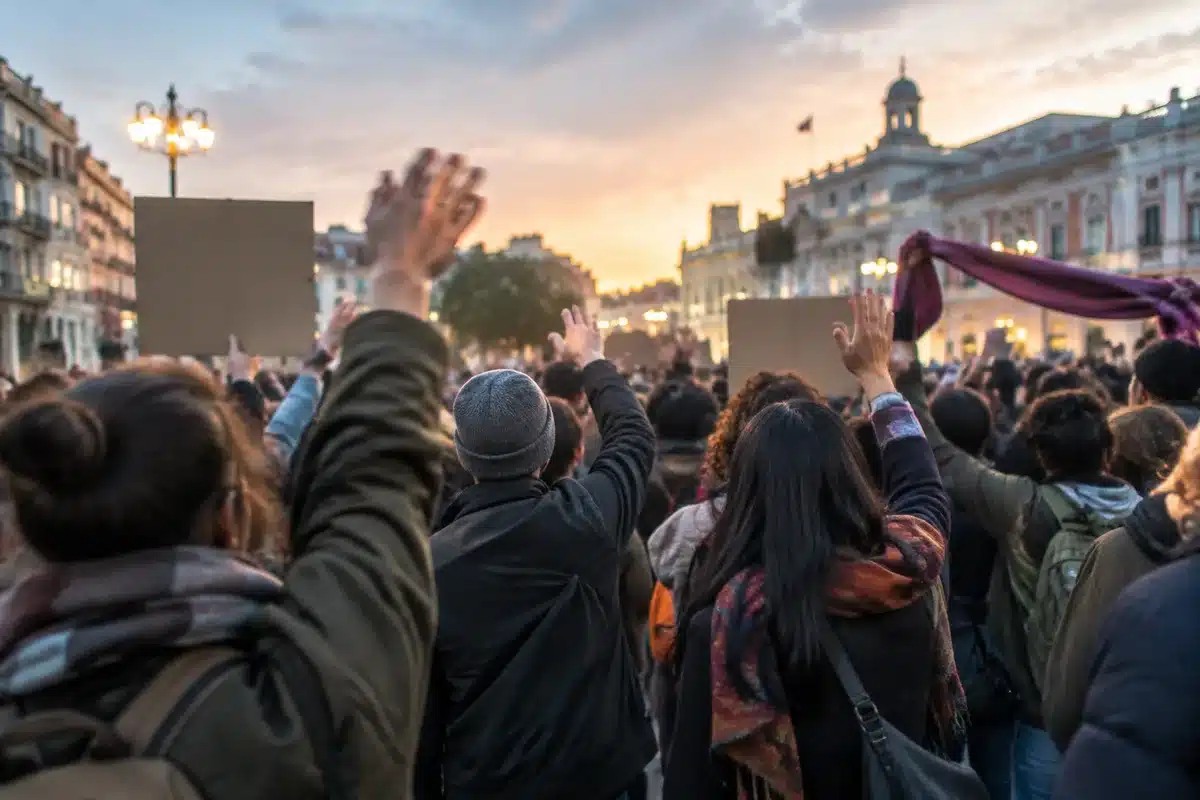
- Mass protests and marches that adopt fashion or rituals associated with the group being supported, rather than engaging with the complex human-rights issues at stake.
- Iconic scenes from social movements where participants adopt submissive postures — such as public kneeling — whose symbolism can be read as both contrition and self-abasement.
These moments are often amplified on social platforms, where imagery and emotion travel faster than context. The result: a simplified story of allyship that can ignore inconvenient truths about the ideals or practices of the groups being championed.
A long cultural thread: eroticizing the foreign and the exotic
The tendency to fetishize “the foreign” is not new. Western popular culture has been fertile ground for romanticized images of distant places and peoples, often flattening real lives into exotic fantasies. From early 20th-century cinema to late-century pop songs and advertising, depictions of the desert sheikh or the veiled figure repeatedly reduced complex societies to erotic or adventurous backdrops.
How history and advertising shaped perceptions
Marketing campaigns, films, and literature have long packaged the unfamiliar as alluring — sometimes blending sexual fantasy with a fascination for patriarchal, authoritarian imagery. Critics argue that this background helps explain why some individuals are predisposed to idealize groups that, in reality, may hold punitive views toward women, LGBT people, or religious minorities.

Contemporary academic critiques of “Orientalism” and “othering” highlight how these stereotypes persist in modern discourse, making it easier for well-intentioned people to slip into romantic admiration that ignores human-rights abuses.
When empathy becomes complicity: the drift toward dangerous sympathies
There is a further and more alarming development: empathy that crosses into celebration or defense of violence. Observers have pointed to instances where outrage at one set of injustices turns into indifference or even endorsement of atrocities committed by others, especially if the perpetrators are framed as the oppressed.
“Homicidal empathy” is a term used to describe situations where admiration or identification with violent actors leads to moral blind spots — protecting, excusing, or glamorizing perpetrators while minimizing their victims. This flips the moral radar and creates ethical contradictions that are politically and socially corrosive.
- Public chants or cultural products that reference or praise violent extremists.
- Popular music or slogans that immortalize attackers as martyrs in protests or riots.
- Social media trends that treat perpetrators as symbols of resistance, rather than holding them accountable for harm.
Who’s drawn to these patterns — and why?
Psychologists and cultural commentators offer several possible explanations for why some people are attracted to self-abasing or romanticized forms of solidarity:
- A desire to be seen as morally superior, which favors dramatic gestures over nuanced arguments.
- Narcissistic exceptionalism: the belief that one’s personal purity or specialness will be recognized and protected, even by hostile groups.
- A nostalgic or erotic attraction to archetypes of danger and domination, shaped by literature and media.
- Genuine guilt about historical injustices, which is misdirected into performative acts rather than constructive policy.
None of these reasons justifies ignoring the safety and rights of actual victims. When empathy becomes a vehicle for self-gratification, it can wound the very people it purports to help.
Signs this trend is affecting public life and discourse
Watch for recurring patterns where symbolic acts eclipse practical solutions and where admiration for an “oppressed” identity shields violent or oppressive behavior. Examples to monitor include:
- Officials or influencers adopting cultural dress or rituals in ways that imply endorsement of repressive norms.
- Public celebrations or songs that reference violent figures without condemnation.
- Movements that prioritize image-making over protecting vulnerable groups within the communities they praise.
These are not harmless performances. They shape policy, sway public opinion, and can normalize attitudes that put minorities — especially women, LGBT people, and religious minorities — at risk.
Julie Burchill writes a column for Spiked. Follow her Substack, “Notes from the Naughty Step,” for more of her commentary.
You might also like:
- Britain 2025: engulfed by a wave of twee culture
- Britain’s Islamo-left gains momentum
- Progressives have become the new reactionaries: why the movement now defends the status quo
- Calla Walsh: former Democratic activist turned propagandist for Iran’s Islamic Republic
- Diversity in TV ads: why viewers are expected to ignore it

Robert Johnson is a dedicated columnist focusing on political and social debates. With twelve years in editorial writing, he provides nuanced, well‑argued perspectives. His commentaries invite you to form your own views and engage in critical issues.

