
Show summary Hide summary
- Why bears are moving closer to towns: factors behind the surge
- What the Self-Defense Forces are doing to help
- How residents and municipalities are responding
- Voices from experts: balancing safety and conservation
- Practical safety advice for people living near bear habitat
- Policy challenges and the road ahead for Japan
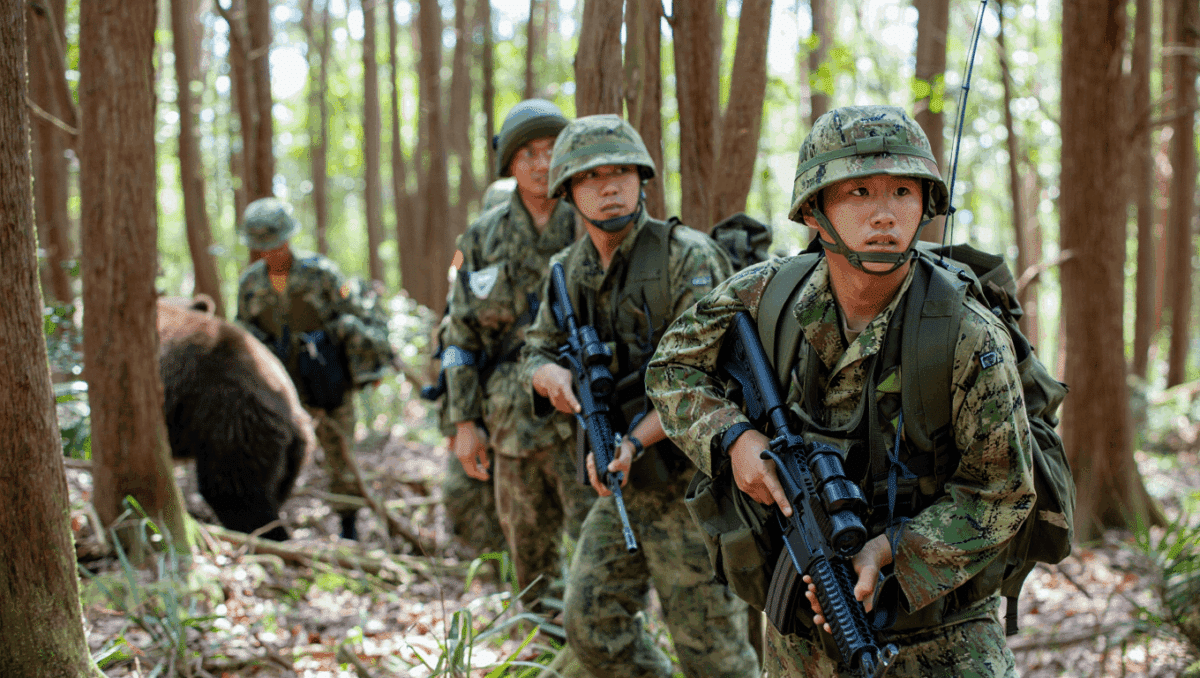
Japan has mobilized military personnel to assist civil authorities after a sharp rise in dangerous encounters between people and bears, an escalation that has alarmed residents in rural areas and rekindled debate about how to manage wildlife in a densely populated country. Local officials say the deployment is a short-term response to protect communities while they ramp up longer-term measures.
The new operations — centered largely in northern regions where brown bears are more common — aim to help police locate, herd and, when absolutely necessary, remove animals that have strayed into villages and farmland. The move has prompted heated discussions about human safety, wildlife conservation, and the limits of using the Japan Self-Defense Forces for domestic emergencies.
Why bears are moving closer to towns: factors behind the surge
Several interlocking causes help explain the recent uptick in bear incidents. Experts point to changes in food availability, shifting seasonal patterns, and decades of rural depopulation that have altered how humans and wildlife interact.
The Growing Demand for Data-Driven Decision Making in Silicon Valley
He quit, ran out of money, and begged to come back — here’s how his boss reacted
- Food shortages in the wild: Poor nut and berry harvests, declines in salmon runs and changes in forest composition can push bears to search for calories in human settlements.
- Warmer winters and changing seasons: Mild winters and erratic weather can disrupt bears’ hibernation cycles or shorten dormancy, increasing the time animals are active and foraging.
- Encroaching development: Abandoned farmland and expanding roads provide corridors that make it easier for bears to reach villages.
- Human behavior: Improperly stored garbage, unsecured livestock feed and public feeding of wildlife all attract bears into residential areas.
What the Self-Defense Forces are doing to help
Authorities describe the Self-Defense Forces’ role as supportive and focused on protecting people and facilitating the work of local police and wildlife experts. The deployment includes personnel, logistical equipment and aerial reconnaissance in some areas.
- Assisting police with search operations to locate and monitor bears that have been sighted near homes.
- Providing helicopters or drones for aerial surveys to identify animal movements and safe approaches for ground teams.
- Delivering supplies and temporary barriers, and helping set up controlled perimeters to keep residents out of danger zones.
- Helping transport captured or deceased animals when necessary, reducing the burden on small local authorities.
The government emphasizes the deployment is temporary and intended to buy time for long-term solutions such as expanded wildlife management, stronger trash controls and community awareness programs.
How residents and municipalities are responding
Communities on the front lines have adopted a mix of practical and local measures to reduce encounters and protect livelihoods. Farmers, school districts and town councils are changing routines and investing in deterrents.
- Installing and reinforcing electric fences around crops and livestock pens.
- Organizing neighborhood watch groups and hotlines for rapid reporting of bear sightings.
- Staggering harvest and waste-collection schedules to limit attractants near homes.
- Temporarily closing trails and parks during high-risk periods to avoid recreational encounters.
Many residents report heightened anxiety, especially in smaller communities where a single bear sighting can shut down schools or damage property. At the same time, some locals worry that lethal control measures could further destabilize ecosystems or harm cultural attitudes toward wildlife.
Voices from experts: balancing safety and conservation
Wildlife biologists and conservationists warn that reactive measures alone will not solve the problem. They urge a strategy that addresses the root causes of bear movements while prioritizing human safety.
Recommended steps by scientists
- Expand monitoring and research to map bear population dynamics and migration corridors.
- Invest in nonlethal deterrents and community design that reduces attractants year-round.
- Improve coordination between national agencies, prefectural governments and local residents for faster, evidence-based responses.
- Develop compensation and support programs for farmers who lose crops or animals to wildlife to reduce pressure for culling.
Experts caution that climate variability and demographic trends — notably aging and shrinking rural populations — will require integrated policies combining ecological science, emergency planning and local engagement.
Practical safety advice for people living near bear habitat
Officials are urging residents to adopt precautions that reduce the likelihood of encounters and increase safety if they occur. These simple steps can make a significant difference.
- Secure garbage in bear-resistant containers and avoid leaving food outdoors.
- Keep pets and livestock in protected enclosures, especially at night.
- Travel in groups and make noise when walking in forested or rural areas to alert wildlife to your presence.
- Follow local advisories and evacuation notices, and report sightings immediately through official hotlines.
Preparedness and community coordination are key — residents who follow guidelines and work with officials help reduce both risks and panic.
Policy challenges and the road ahead for Japan
The deployment of troops underscores the difficulty of managing wildlife conflicts in a country with dense population centers next to rich natural habitats. Policymakers face hard choices about livestock protection, hunting regulations, and the use of military resources for civil emergencies.
- Debates about the ethics and effectiveness of culling versus relocation and nonlethal deterrence will continue.
- Funding priorities must balance immediate safety needs with investments in ecological research and rural revitalization.
- Cross-prefectural coordination may be necessary to address bears’ wide-ranging movements and seasonal patterns.
As officials implement short-term measures, communities and experts alike are pressing for a comprehensive plan that acknowledges both human safety and the ecological reality of large predators living close to human settlements.
You might also like:
- Dog fights off bear: half-blind 12-year-old saves family and pets in New Mexico
- Polar bear photographed with rare adopted cub in the wild
- Dog of the year saves man from bear attack
- Shark attacks shut dozens of Australian beaches after four incidents in two days
- Snow leopard attack during selfie leaves woman badly injured

William Anderson is a multimedia producer specializing in videos, podcasts, and interactive galleries. With five years of immersive content creation, he turns information into a rich audio‑visual experience. His storytelling skills draw you directly into the heart of every story, on any platform.


I once saw a bear in the wild, big fella lumbering through the trees like it owned the place. Cant blame em for coming closer to towns though, with all the human mess around. Hope those troops keep everyone safe!
Man, bears getting bold in Japan? Reminds me of that time I had to shoo a raccoon off my porch. Stay safe out there, folks. Maybe these troops can teach those bears some manners!
Man, those bears in Japan are on a wild rampage! Cant blame em for wanting to explore civilization, but dang, its getting hairy out there. Hope the troops and folks find a peaceful solution.
Man, bears are really taking over, huh? Japan sending troops against bear attacks is like a real-life thriller! Hope they dont end up in a bear vs. soldier showdown. Natures gone wild!
Man, those bears are really causing a ruckus, huh? Japan sending in troops like its a wildlife showdown. Cant blame the bears for wanting a slice of city life, though. Stay safe out there, folks!
Oh, bears on the move again? Reminds me of that time I saw a bear cub stealing picnic baskets like in those old cartoons. But real talk, stay safe out there, folks. Troops or not, those bears mean business.
Man, bears getting too bold! Japans got troops on a bear hunt now? Bet Yogi and Boo Boo never caused this chaos. Natures on a rampage, folks! Stay safe out there!
Man, bears causing chaos like its a picnic gone wrong! Japan calling in troops for these furry marauders? Its like a real-life Yogi Bear situation. Hope they sort it before we get Boo-Booed!
Man, bears on the move in Japan? Reminds me of that time I got lost in the woods and thought I was gonna be bear chow. Hope those troops can keep those fuzzy giants in check!
Man, bears getting bold in Japan? Reminds me of that camping trip when one stole our snacks. Hope those troops help out. Stay safe, folks! Natures wild, huh?
Whoa, bears on the move like theyre playing some real-life chess game! Japans got troops on the scene now? Talk about a nature documentary turning into an action flick. Hope those soldiers are ready for some bear-y intense encounters!
Man, bears getting bold in Japan? Reminds me of that one time I had a standoff with a raccoon in my trash. Hope those troops know what theyre up against! Stay safe out there, folks.
Man, bears in Japan? Thats like a real-life version of those intense survival games. Imagine meeting a bear on the way to buy snacks. Stay safe out there, folks. Natures no joke!
Man, bears getting all up in human territory? Thats like a reverse Goldilocks situation! But jokes aside, hope the troops can keep everyone safe without harming those furry trespassers too much. Natures just doing its thing.
Man, bears invading towns? Thats some Goldilocks-gone-wrong scenario. Hope the troops in Japan are ready to bring out their bear whisperer skills. Maybe the bears just want some sushi, who knows?