
Show summary Hide summary
- What the Tripoli agreement actually requires and when elections are planned
- Who took part and which rival institutions are involved
- How the UN framed its role and the diplomatic push behind the breakthrough
- Why this matters for Libyans and the wider region
- Practical next steps and potential roadblocks
- Signals from the military and political leadership after signing
- Background: how past conflicts led to the current stalemate
After more than a decade of political fractures and years of a fragile military standstill, Libya’s main rivals have taken a tangible step toward reclaiming power through the ballot box. Delegates from competing camps met under the United Nations banner in Tripoli and signed an agreement that sets a timetable for national elections and a process to resolve the thorny legal and institutional disputes that have blocked polls.
The deal is the culmination of protracted UN-led diplomacy and months of shuttle talks among Libya’s fractured leaderships. It aims to move the country away from parallel governments and toward a single, democratically chosen administration—if the parties follow through on the new schedule and procedural commitments.
The Growing Demand for Data-Driven Decision Making in Silicon Valley
He quit, ran out of money, and begged to come back — here’s how his boss reacted
What the Tripoli agreement actually requires and when elections are planned
The pact reached at the UN Support Mission to Libya lays out a two-year schedule intended to prepare the country for nationwide voting. Key elements include a deadline for negotiators to agree on electoral law and candidate eligibility, and a mechanism to empower an electoral commission to run the vote.
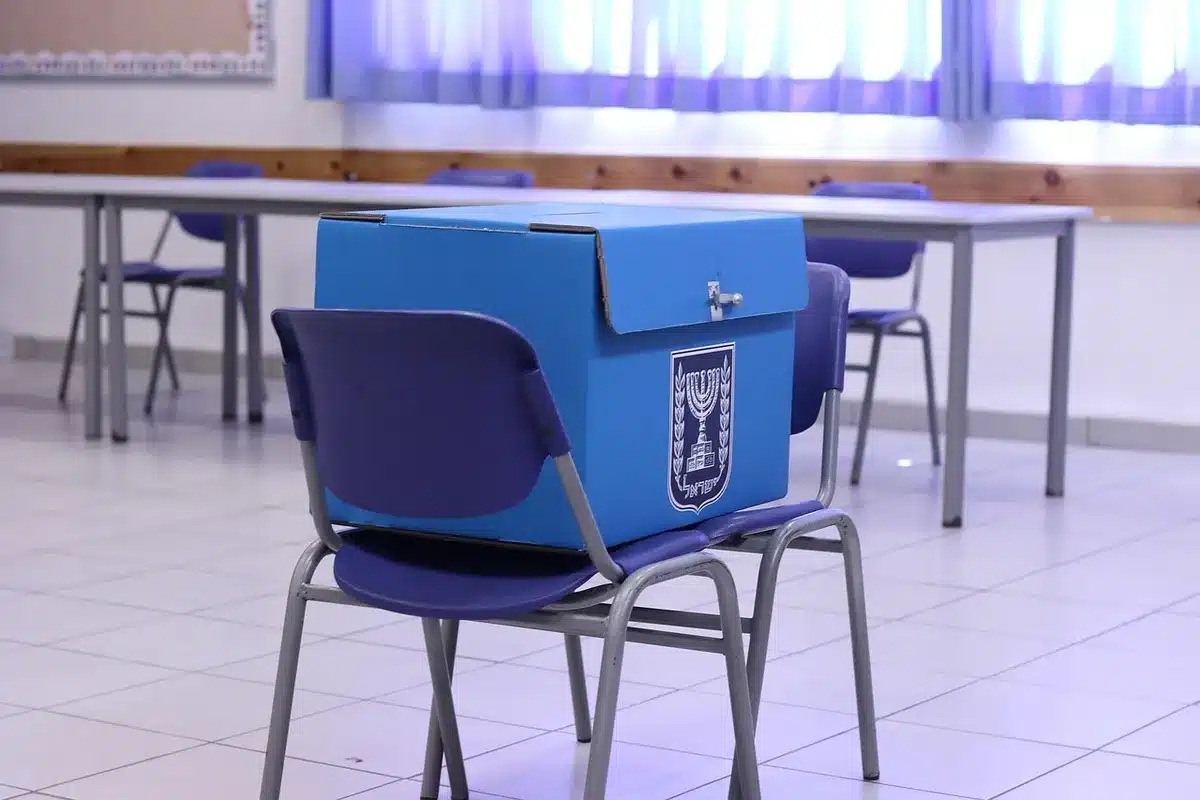
- Election timetable: A formal election date has been targeted for roughly two years from the signing, giving stakeholders time to settle disputes and set up logistics.
- One-month drafting window: Representatives agreed to produce a concrete implementation framework within one month, focused on legal and institutional matters.
- Fallback plan: If lawmakers fail to resolve key issues in that month, the agreement anticipates moving forward using a provisional constitutional document to permit elections to proceed.
Who took part and which rival institutions are involved
The discussions pulled together representatives from Libya’s main political centers of power—a necessary but delicate mix after years of parallel authorities. Those present included the UN-recognized Government of National Unity in Tripoli, the military leadership aligned with General Khalifa Haftar in the east, the High Council of State, and the House of Representatives based in Tobruk.
Principal actors and their roles
- Government of National Unity (Tripoli) — internationally recognized executive authority.
- Libyan National Army / General Khalifa Haftar — controls large eastern territories and wields major military influence.
- High Council of State — advisory body that played a role in past negotiation rounds.
- House of Representatives (Tobruk) — the eastern-based legislative body that has often been at odds with Tripoli-based institutions.
How the UN framed its role and the diplomatic push behind the breakthrough
UN mediators steered the marathon talks that led to the signature, hosting the ceremony in Tripoli and pressing stakeholders to convert ceasefire-era calm into political progress. UN envoys argued that years of quiet on the battlefield created a window to shift from armed rivalry to electoral competition.
UN representatives described the agreement as a practical step toward ending the political deadlock. They emphasized diplomacy and dialogue as the pathway out of institutional paralysis, urging Libyan leaders to keep negotiating in good faith and to meet the short deadlines embedded in the deal.
Why this matters for Libyans and the wider region
For ordinary Libyans, the move toward elections could mean clearer governance, improved public services, and a renewed focus on reconstruction and economic recovery. The agreement also carries regional implications: a stabilized Libya would affect migration routes, energy markets, and security dynamics across North Africa and the Mediterranean.
- Domestic stability: A single legitimate government could better coordinate reconstruction, manage revenues, and reestablish public order.
- Economic recovery: Political clarity tends to attract investment and help rebuild infrastructure damaged during years of conflict.
- Regional security: Resolving Libya’s internal governance could reduce the space for armed groups and limit cross-border tensions.
Practical next steps and potential roadblocks
Although the document provides a clear sequence for action, several hurdles remain. Lawmakers must reach agreement on electoral legislation and who is eligible to run—issues that previously derailed voting plans. The effectiveness of the national elections body will also be crucial, and setting up independent, transparent oversight will require resources and political buy-in.
Key challenges to monitor
- Political disputes over candidate eligibility and the shape of electoral law.
- Institutional capacity of the national elections commission to organize nationwide voting.
- Guarantees that security arrangements will remain stable through the pre-election period.
- Whether international backers, including the UN Security Council, will sustain diplomatic and technical support.
Signals from the military and political leadership after signing
Top military figures pledged to cooperate with the UN process and to support the drafting and implementation timetable. Civilian leaders and advisory bodies echoed calls for urgent dialogue and practical compromises. The shared public commitment by the major players—if upheld—represents the most concrete agreement on elections since the collapse of earlier transition plans.
Background: how past conflicts led to the current stalemate
After the 2011 NATO-backed uprising that ousted Muammar Gaddafi, Libya never fully consolidated a single, stable national government. Between 2014 and 2020 the country fractured into rival administrations and armed coalitions. Although open combat eased in recent years, political institutions remained split—and prior attempts to hold national elections have repeatedly stalled amid legal disputes and competing claims to authority.
Improved security and a desire among many Libyans for a return to regular politics helped create momentum for the latest talks. International mediators leveraged that window to press participants into a timetable that could finally translate relative calm into a democratic process.
You might also like:
- No taxation without representation: why it must remain non-negotiable
- Macron pushes plan to block Le Pen’s rise in France
- Trump Threatens to Shoot Down Venezuelan Jets: Tensions Rise with US Warships
- Chagos ruling exposes Labour Party legal failures
- Iran nuclear threat persists as Tehran expands uranium enrichment program

Michael Thompson is an experienced journalist covering U.S. and global news. With ten years on the front lines, he breaks down political and economic stories that matter. His precise writing and keen attention to detail help you grasp the real‑world impact of every event.


Man, after six years of rifles pointing, they finally swap em for ballots. Shouldve done that from the get-go, right? Politics, man. Like watching a soap opera but with more firepower.
Yo, I hear ya, bro! Six years of guns blazing, and suddenly were playing the ballot game? Its like a wild ride on a reality show, right? Politics be like a never-ending drama series, but with more bangs and less romance. Crazy how things switch up like that!
Dang, its like a chess game with bullets! Swappin rifles for ballots after 6 years – what a plot twist! Hope these combatants stick to the script now. Cant wait to see how this election showdown unfolds.
Man, its like a plot twist in a movie! Swapping rifles for ballots after six years? Thats some unexpected character development. Cant wait to see how this storyline unfolds.
Dang, talk about a twist in the script! Swapping rifles for ballots? Thats some next-level character development right there. Bet the sequels gonna be a wild ride. Wonder what other surprises theyve got up their sleeve.
I mean, six years of pointing guns at each other? That’s some intense staring contest gone wrong. But hey, swapping rifles for ballots sounds like a legit upgrade. Wonder if theyll trade military gear for some peace lilies next.
Yo, can you believe they really swapped rifles for ballots after 6 years? Talk about a plot twist! Who needs action movies when you got real-life drama like this, huh? Guess peace can be more badass than war sometimes, heh.
Man, bout time they swapped rifles for ballots! Cant believe it took 6 years for them to figure that out. Hope they stick to the plan this time. Lets see if peace stands a chance now.
Man, after 6 years of that military standoff, swapping rifles for ballots sounds like a fresh start. Hope these combatants stick to their word. Democracy over bullets, right? Lets see how this plays out.
Geez, aint that a switcheroo! Trading rifles for ballots, huh? Lets hope they dont chicken out. Democracys got more oomph than bullets, right? Fingers crossed these folks play nice for once. Lets sit back and watch the show…
Man, what a plot twist in this real-life drama! Swapping rifles for ballots? Thats like switching from action movies to political thrillers. Wonder if theyll pull off these elections smoother than a spy on a mission.
Man, talk about a plot twist! Swapping rifles for ballots, huh? Thats like going from action movie mode to political drama real quick. Wonder if theyll pull off this election thing better than some reality TV shows.
Man, I remember when this whole mess started. Finally, theyre swapping rifles for ballots. Cant believe it took six years for them to figure that out. Better late than never, I guess.
Man, its like those two finally realized they were stuck in a loop of nonsense for six darn years! Swapping rifles for ballots, what a plot twist. Hope they can pull off those elections smoothly now.
I remember when I tried to swap my veggies for dessert as a kid, didnt work out. But these combatants going from rifles to ballots? Thats some grown-up negotiation right there. Cant wait to see how it plays out.
I mean, swapping rifles for ballots? Talk about a plot twist! Cant deny its a refreshing change from the usual military standoffs. Hope this agreement actually sticks and leads to some positive change for once.
Yo, imagine trading rifles for ballots, man! Six years of standoff and finally, theyre like, Lets vote instead! Crazy stuff. Hope they figure out this election thing without going back to guns, you know?
Man, its wild how things went from rifles to ballots, huh? People really out here changing the game! Lets hope they keep the peace and sort out this election biz without resorting back to guns. Times are changin, for sure!
Dude, its like a real-life action movie plot twist! Swapping rifles for ballots? Who wouldve thought, right? Sometimes reality beats fiction. Wonder if theyll vote for the best military tactics next.
Whoa, right? Its like watching a crazy movie plot play out in real life! Swapping rifles for ballots, talk about a serious twist! Reality truly outdoes fiction sometimes. Makes you wonder whats next on their voting agenda, huh? Maybe theyll start rating military tactics like its a reality show. Cant predict whats coming next in this wild ride!
I remember when folks settled scores with fists, not ballots. Swapping rifles for votes? Thats a twist! Guess even the toughest warriors gotta try democracy these days. Lets see how this showdown-turned-showdown plays out.
A conspiracy nut: Ya see, swap rifles for ballots, eh? What if those bullets are disguised as votes, man? Gotta keep an eye out for those sneaky tactics. Cant trust em, never know whats really goin on!
Man, after six years of that intense military standoff, swapping rifles for ballots is like a plot twist in a movie. Wonder if theyll stick to the script this time or if its just a cliffhanger for the sequel.
Man, its like one of those epic movie plots come to life – combatants trading rifles for ballots after 6 years? Feels surreal. Hope this Tripoli agreement sticks, cant wait to see how this plays out in real life.